Blog Customer FeedbackCustomer Marketing Strategy: 8 Ways to Drive Growth
Customer Marketing Strategy: 8 Ways to Drive Growth
Build a customer marketing strategy that improves retention, product adoption, and advocacy with 8 practical tactics, clear metrics, and a 30-day plan.

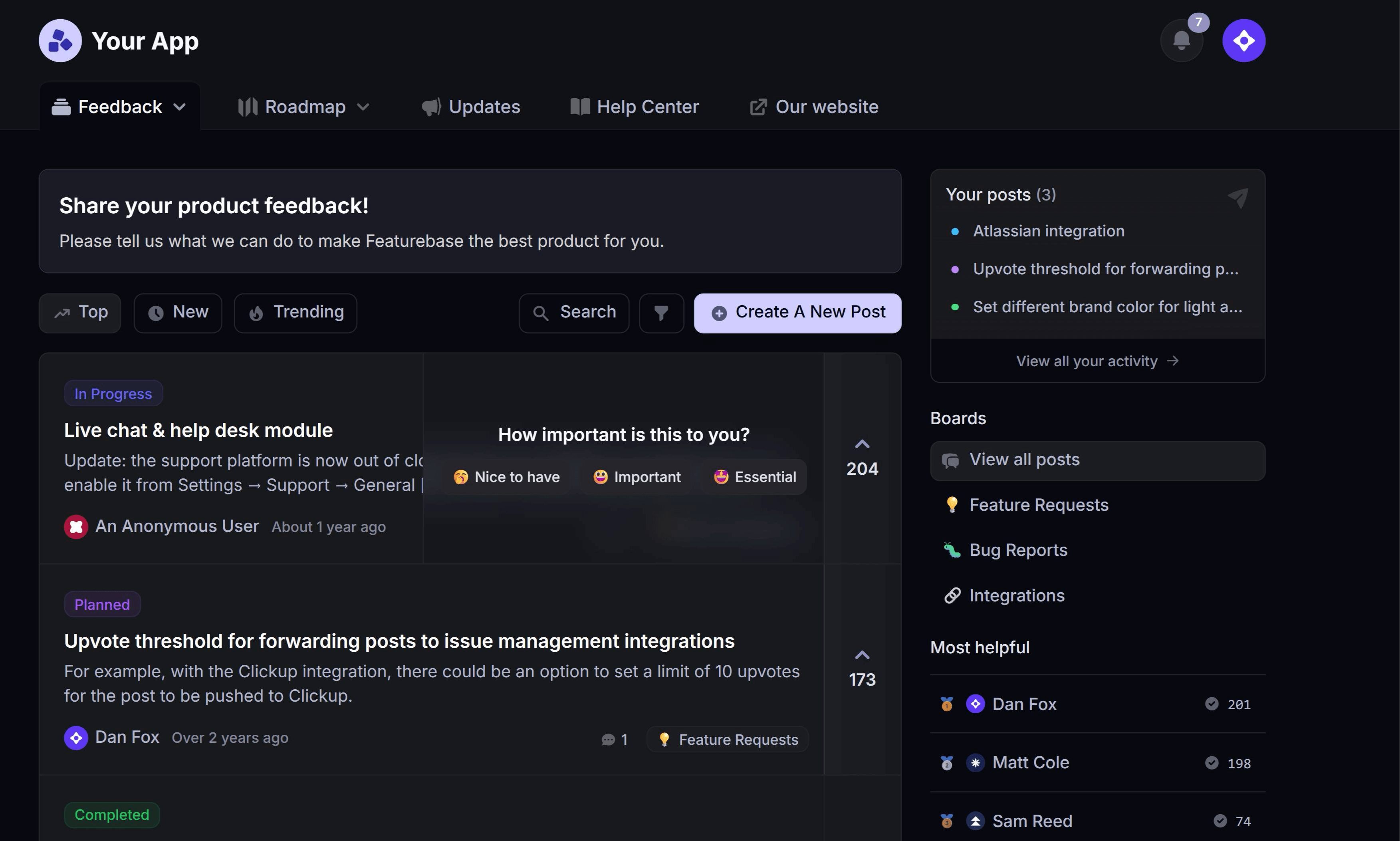

✨ Start collecting & managing feedback with Featurebase for free →
Winning a customer is only the start. If they get stuck after onboarding, miss useful product improvements, or hear from you only at renewal, the relationship can stall before it grows.
In this guide, I'll show you how to build a customer marketing strategy, with 8 practical tactics, clear metrics, and a 30-day plan. 👇
Key takeaways
- Start with a customer outcome: Choose a specific problem to solve, a customer segment, and a measurable action before planning campaigns.
- Support the whole relationship: Combine onboarding, education, relevant updates, feedback, and advocacy to help existing customers get lasting value.
- Measure behavior and business results: Track useful product actions alongside retention, expansion revenue, and completed referrals.
- Featurebase✨: Bring customer feedback, surveys, and product updates together to understand what customers need and keep them informed.
What is a customer marketing strategy?
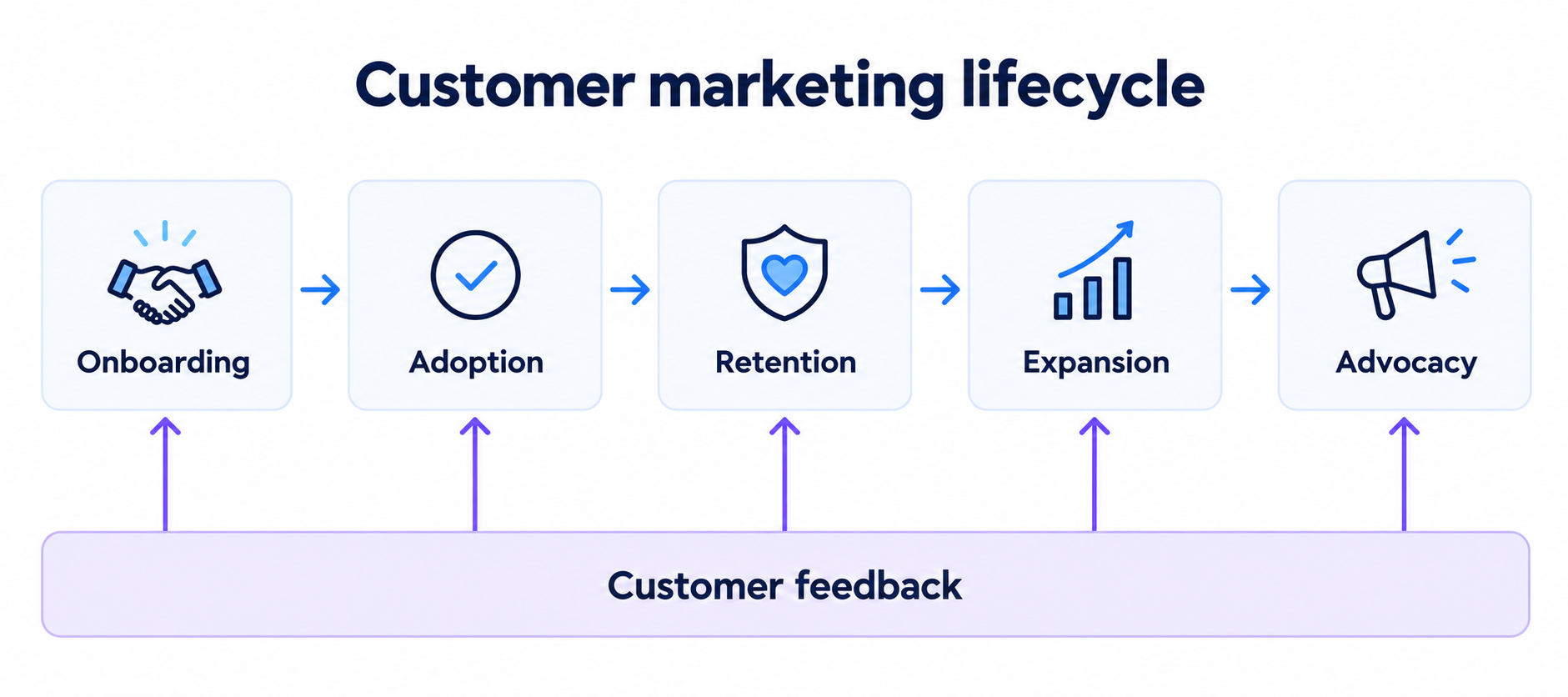
A customer marketing strategy is a plan for engaging existing customers so they continue using your product, find additional value, and recommend it to others. It defines who you'll reach, what you want to help them achieve, and how you'll measure progress.
Customer acquisition brings people into the business. Customer marketing develops the relationship after that first purchase through education, communication, and opportunities to participate.
For example, a reporting tool might help new subscribers build their first dashboard, show established users how to automate reports, and invite successful customers to share their workflows.
These activities connect across the customer lifecycle. Customer lifecycle marketing can also include acquisition, while this guide focuses on the stages after someone becomes a customer.
Why customer marketing matters
Customer marketing supports 3 connected business goals.
Help customers keep getting value
Customer engagement can drop when people don't understand a feature or can't see how it fits their work. Education and timely communication give them a way forward.
Customer retention marketing supports that process throughout the relationship. A useful tutorial today may address a problem that would otherwise surface in a cancellation conversation months later.
Create relevant expansion opportunities
As customers' needs change, they may benefit from another feature, more capacity, or an additional product. Customer marketing helps you recognize those opportunities and explain the value clearly.
An upgrade offer gives your account team a useful conversation to start when it addresses a problem the customer already has.
Earn advocacy and referrals
Customers who achieve results have experiences worth sharing. Reviews, case studies, and referral programs give them ways to do that.
Strong customer advocacy starts with a successful relationship. Make participation easy, give customers control over what they share, and recognize the time they contribute.
How to build your customer marketing strategy
I'd start with 1 segment and 1 problem. These 5 steps turn that focus into a campaign you can run and evaluate.
1. Choose a business outcome and baseline
Choose the outcome that needs attention most, such as onboarding completion, renewal, or expansion. Then identify a customer action that could contribute to it.
For a project management app, that might mean helping new paying accounts complete their first project. Record the current completion rate in your customer marketing plan before setting a target.
2. Understand customer needs and friction
Combine usage data with what customers tell you. An abandoned workflow shows where someone stopped, but a conversation can explain why.
Review support conversations and customer feedback analysis for recurring problems. Ask customers what they were trying to accomplish and what prevented them from finishing.
If a workflow is broken, pass the issue to product or support. If customers don't understand it, educational content may help. The campaign should follow the cause you find.
3. Segment customers by lifecycle and behavior
Useful customer segmentation connects a group with a shared need. Start with segments such as:
- New customers: Paying accounts that haven't completed an important first task.
- Established users: Customers using the basics who could benefit from another workflow.
- Disengaged accounts: Customers whose activity has dropped relative to their usual pattern.
- Successful customers: People with a concrete result they may want to discuss or share.
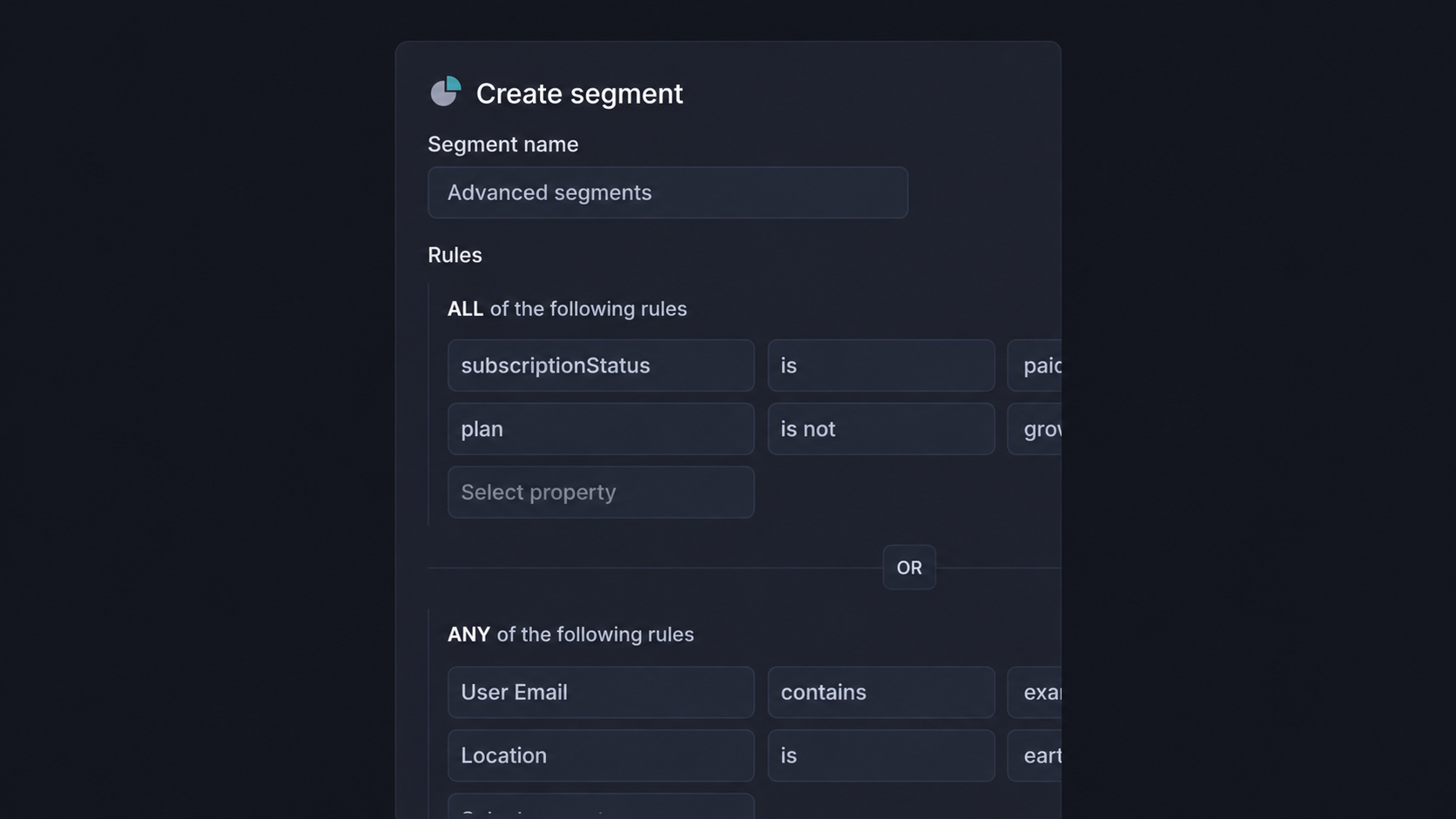
Relevance matters. In its 2025 Consumer Trends research, published in 2024, Qualtrics found that 64% of consumers preferred companies that tailored experiences to their needs. The survey covered nearly 24,000 consumers across 23 countries, so treat it as broad consumer evidence.
4. Match each segment with a useful next action
Write a short campaign brief before creating content:
- Audience: Who qualifies, and who should be excluded?
- Trigger: What event or change makes the message relevant?
- Help offered: What will make the customer's next task easier?
- Channel: Where can you reach them appropriately?
- Success action: What should the customer be able to do afterward?
For example, invite new account admins who haven't imported their data to a short setup session. Stop the invitation once they finish the import.
5. Assign ownership and define success
Give each campaign a named owner and a review date. Agree on who handles replies and how the campaign fits with other customer communication.
Keep a shared calendar so customers don't receive overlapping requests from multiple teams. Define when messages should pause, particularly during an unresolved support issue, and respect communication preferences.
8 customer marketing strategies to put into practice
Choose the strategies that address your current customer needs. The examples below are illustrative campaigns you can adapt to your product.
1. Guide new customers toward their first useful outcome
Build your welcome sequence around the task customers bought your product to complete. Break it into manageable steps and make help easy to find.
Good customer onboarding gives people enough context to act. A long feature tour can wait until the customer needs those features.
Example: A scheduling app sends new subscribers a guide to connecting their calendar. After they connect it, the next message helps them publish a booking page. Customers who finish both steps leave that sequence.
Track completed bookings to see whether the onboarding sequence helps customers reach a useful outcome.
2. Teach customers how to solve their next problem
Customer education should continue after onboarding. Use recurring questions to create tutorials that help customers tackle more advanced tasks.
Make self-service resources easy to revisit when the task comes up.
Example: A reporting platform notices customers exporting data manually every Friday. It offers those users a short lesson on scheduled delivery, with a sample report they can adapt.
Measure how many eligible customers create a schedule and continue using it. Webinar attendance alone won't tell you whether their workflow improved.
3. Announce relevant product improvements
Explain an update through the problem it solves. Identify who benefits, show the new outcome, and give them a clear next step.
Example: A collaboration tool adds guest approvals. The announcement goes to customers who work with external reviewers and shows how they can collect approval without another email thread.
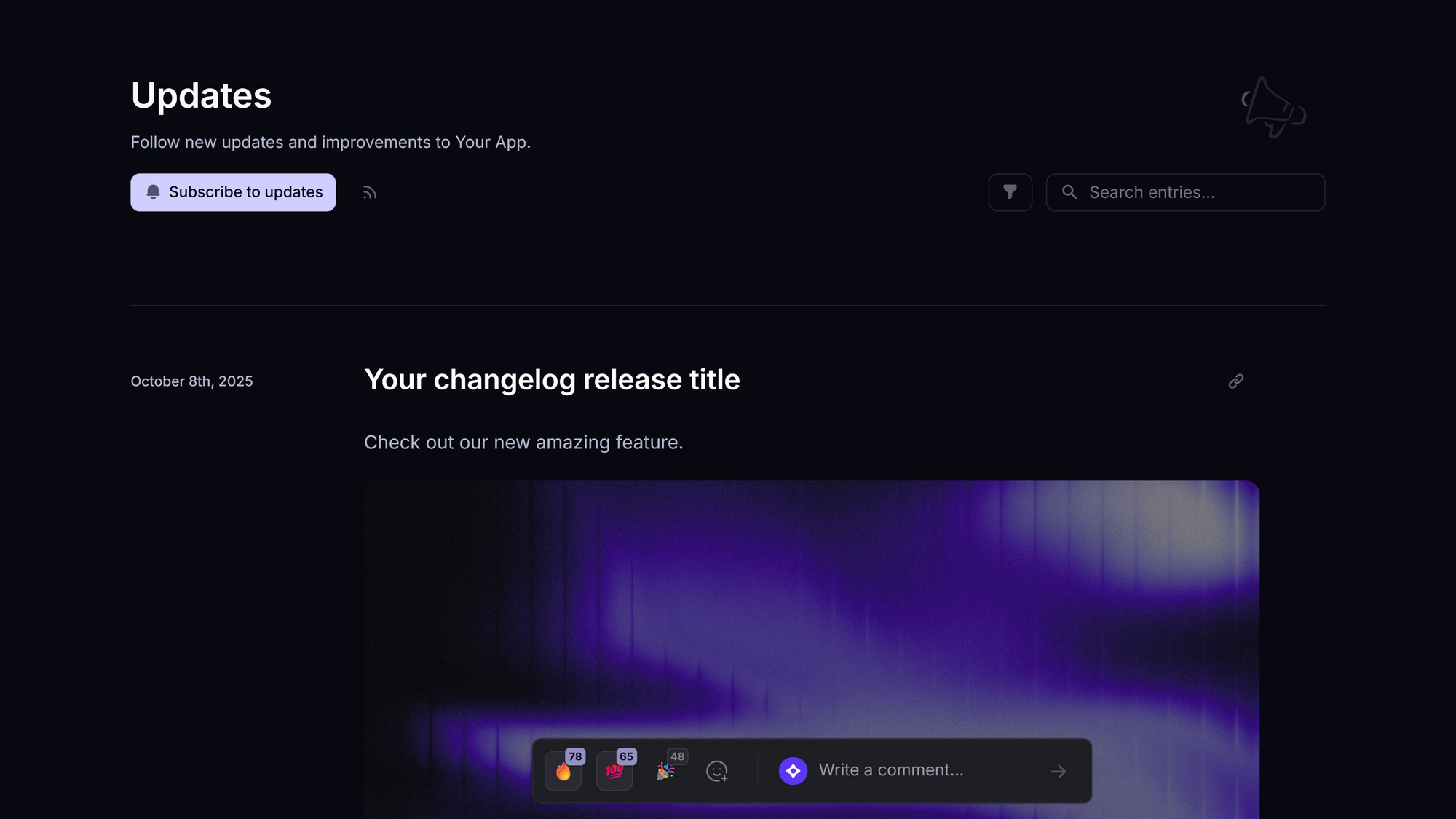
With Featurebase, you can share product updates through email, in-app widgets, and a public Updates page. User segments help you reach the customers an announcement applies to.
Check whether those customers use the new capability after the announcement. A viewed update is an awareness signal, while completed approvals show adoption.
4. Collect feedback and show what changed
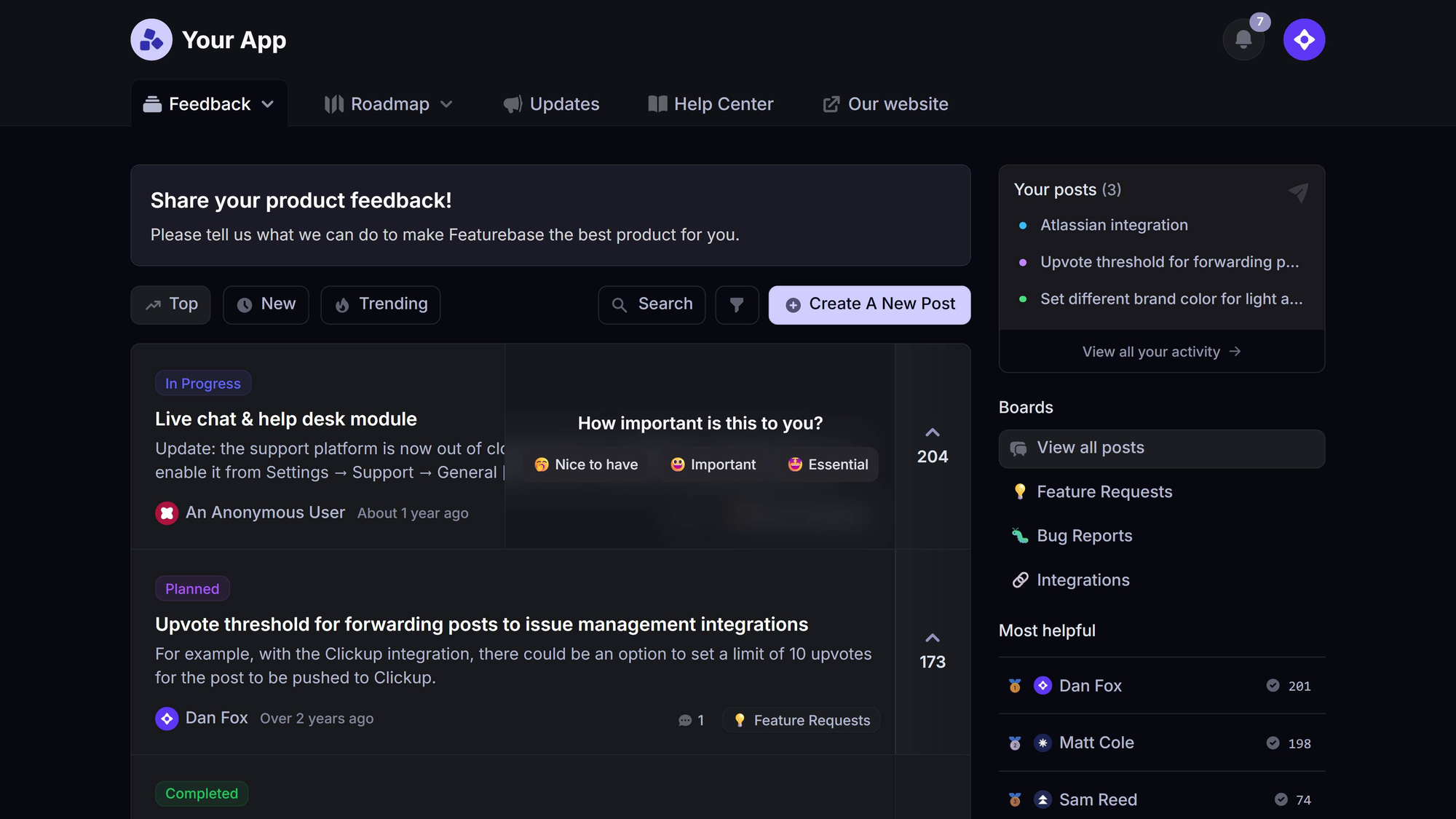
Ask focused questions when customers can give you useful context. Follow through by explaining the decision or improvement their input helped inform.
Example: Customers say they can't tell who owns an overdue task. Your team improves the assignment view, tells the affected customers what changed, and asks whether the new view solves their problem.
Featurebase's Surveys let you ask contextual questions in your web app. Its Feedback Portal gives customers a place to submit requests, vote, discuss ideas, and follow progress.
You can close the feedback loop even when you aren't building the requested feature. Explain the decision and invite a response.
5. Re-engage customers when usage drops
Treat declining activity as a reason to investigate. A customer might be stuck, working on a different project, or simply using the product less frequently by design.
Example: A design app notices an account has stopped sharing files after previously doing so weekly. The account owner receives a short check-in offering help with their next review.
Use a reply or completed workflow to guide the next action. If a customer reports a bug, resolve it before sending another engagement campaign.
Set inactivity thresholds around normal usage patterns. A monthly reporting customer needs different follow-up timing from someone who uses your product daily.
6. Connect upgrades to a demonstrated need
Use expansion campaigns when you can explain why a different plan or product would help. Show the benefit, the cost, and what changes for the customer.
Example: An account regularly reaches its reporting limit. Offer a comparison showing how additional capacity would support its workload, with a clear explanation of the price difference.
Someone struggling with the current product may need help before an upgrade.
Track completed upgrades and subsequent usage. Expansion revenue is more useful when customers continue getting value from what they purchased.
7. Build customer communities and recognize contributions
Give customers a reason to learn from each other. Start with an activity you can sustain, such as a monthly problem-solving session or a group for sharing workflows.
Example: A workflow platform hosts an office hour where customers demonstrate automations. Contributors receive recognition and an invitation to test a relevant upcoming feature.
Customer loyalty programs can include access and recognition alongside financial rewards. Choose benefits your customers value and can realistically use.
If you need structured input on your direction, a customer advisory board gives selected customers a defined role. Explain how you'll use their input and report back on decisions.
8. Invite customers to share results and make referrals
Match the advocacy request to the customer's experience and available time. A short review, a reference conversation, and a full case study require different commitments.
Example: A customer reports that your product helped their team finish a difficult migration. Ask whether they'd share a short account of the process, then let them review the draft before publication.
Keep referral programs equally clear: explain who the product suits, how an introduction works, and any reward terms.
Record participation, space out requests, and give customers room to decline.
How to measure customer marketing results
Connect your customer marketing campaigns to customer actions and longer-term outcomes. Keep the audience and measurement period consistent so you can compare results meaningfully.
| Goal | Metric to track | What it tells you |
|---|---|---|
| Improve onboarding | First key task completed within a defined period | Whether new customers reach the outcome your campaign supports |
| Increase product adoption | Eligible customers using the target feature repeatedly | Whether awareness develops into continued use |
| Retain customers | Customer retention rate | How many customers from the starting group remain at the end |
| Grow existing accounts | Expansion revenue and net revenue retention | How upgrades, downgrades, and churn affect existing-customer revenue |
| Understand sentiment | Net Promoter Score (NPS), CSAT, and written feedback | How customers describe their experience and willingness to recommend |
| Develop advocacy | Completed referrals, references, or customer stories | Whether invitations lead to actual participation |
Customer lifetime value helps you assess the longer-term value of a relationship. Use a consistent definition and keep revenue-based estimates separate from profit-based estimates.
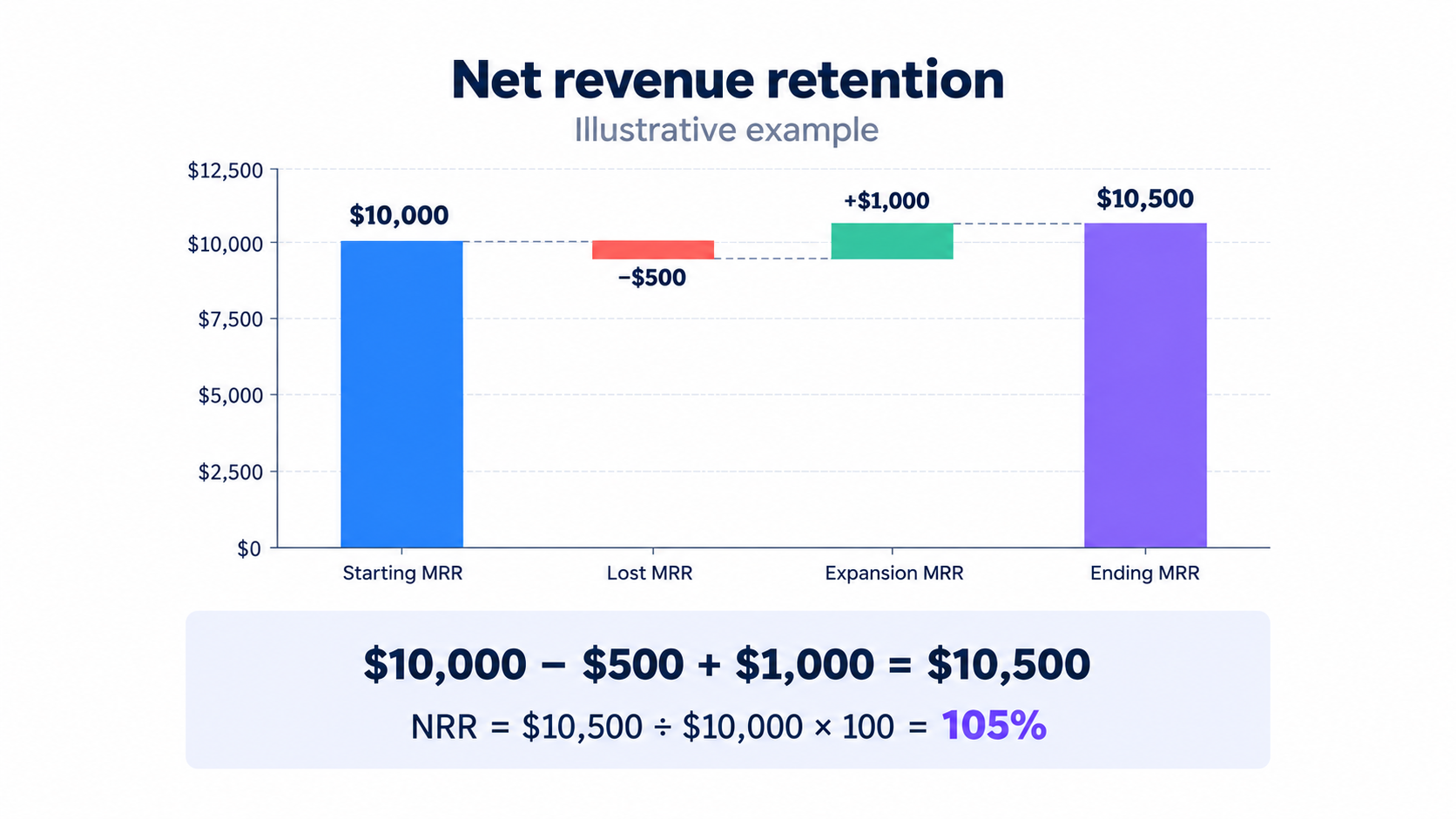
For subscription businesses, net revenue retention compares revenue from the same customer group across periods, including expansion, contraction, and churn. Revenue from newly acquired customers is excluded.
For an illustrative example, a group generating $10,000 monthly loses $500 through cancellations and downgrades but adds $1,000 in upgrades. It now generates $10,500, giving an NRR of 105%.
That result doesn't prove a campaign caused the increase. Where practical, randomly split eligible customers into a campaign group and a holdout group receiving the usual experience. Compare the target action over the same period before claiming an improvement came from your marketing.
Your first 30 days of customer marketing
Use the first month to launch 1 focused campaign and learn from it. Annual renewals and customer lifetime value will need a longer measurement window.
| Timing | Main action | Deliverable |
|---|---|---|
| Days 1-7 | Review feedback, support conversations, and usage | One customer problem, target segment, and baseline |
| Days 8-14 | Plan the message, channel, owner, and measurement | A campaign brief with entry and exit rules |
| Days 15-21 | Launch to a defined audience and check delivery | A working campaign and a record of customer responses |
| Days 22-30 | Review customer actions and revise the campaign | A decision to improve, expand, or stop the campaign |
Save your campaign brief and results so the next experiment starts with what you've learned.
Conclusion
Start your customer marketing strategy with 1 segment and a real customer need. Run a focused campaign, then use the results to decide what comes next.
Featurebase is a modern feedback & support platform that helps you collect feedback, run surveys, and announce product updates in one place. It helps teams keep customer listening and communication connected as their customer base grows.
You can get started with a Free plan, and no credit card is required to sign up. 👇
✨ Start collecting & managing feedback with Featurebase for free →
FAQs
How does customer marketing differ from customer-driven marketing?
Customer marketing focuses on programs for people who already buy from you. Customer-driven marketing is a broader approach that uses customer needs to shape targeting, positioning, and offers, including acquisition. You can apply a customer-driven approach to your customer marketing program.
Who should own customer marketing?
A customer marketing manager or designated marketing lead typically coordinates the program, with input from:
- Customer success - account context and customer goals
- Support - recurring problems and unresolved issues
- Product - capabilities and upcoming changes
Agree on who owns renewal and expansion conversations so customers receive coordinated communication.
Is customer marketing the same as email marketing?
Email marketing is a channel you can use for customer marketing. A customer program can also use in-app messages, training sessions, community events, and direct conversations. Choose channels based on the task and the customer's preferences.
How does customer marketing differ between B2B and B2C?
B2B customer marketing often needs to reach several people within an account, including users, administrators, and budget owners. B2C programs more often address an individual's purchase or usage journey. Your product and buying process should determine the approach, since both models can involve subscriptions, education, and advocacy.
Which tools does a customer marketing program need?
Start with reliable customer records, customer communication tools, and a way to collect feedback and measure actions. A CRM or customer database can hold account context, while usage and billing data help track outcomes. Add specialist tools when your program needs capabilities your existing setup can't provide.