Blog Customer ServiceBest Ecommerce Chatbot Platforms in 2026
Best Ecommerce Chatbot Platforms in 2026
The 8 best ecommerce chatbot platforms in 2026, compared by pricing, AI resolution quality, and Shopify fit - so you can shortlist the right one in one read.

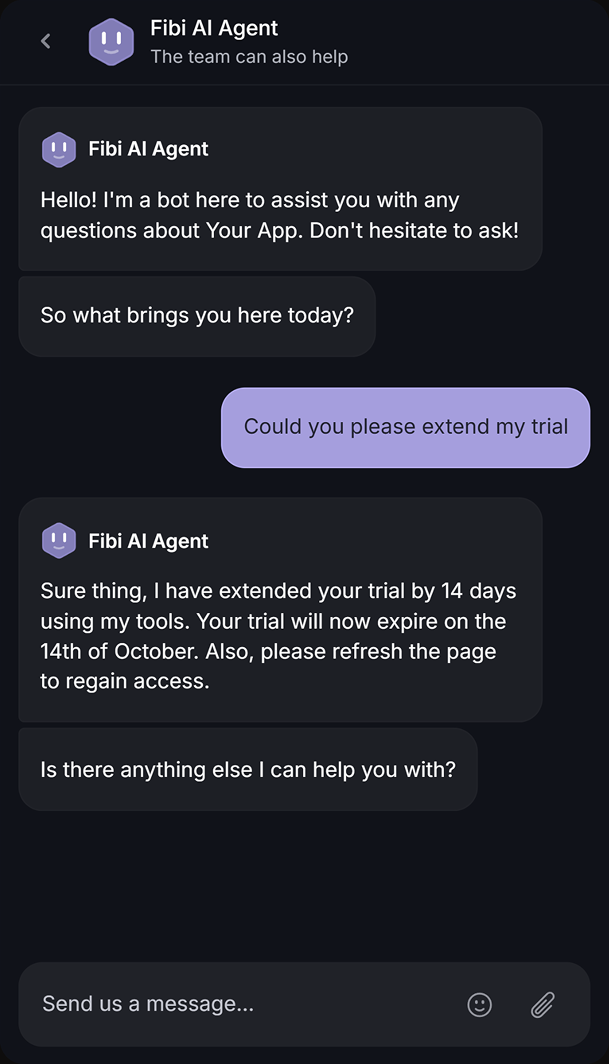

Your online store gets the same questions hundreds of times a day. "Where's my order?" "Does this ship to the UK?" "Can I still change my size?" Answer them slowly and shoppers abandon their carts. Hire more agents and your support costs balloon.
A good ecommerce chatbot platform fixes both problems. It resolves repetitive questions 24/7 and nudges hesitant shoppers toward checkout, without adding headcount.
Below are the 8 platforms worth your shortlist in 2026, sorted by who each one is actually best for. 👇
Key takeaways
| Tool | Best for | Free plan | Starting price | Standout AI capability |
|---|---|---|---|---|
| ✨Featurebase | Modern online businesses wanting AI support, a help center, and feedback in one | Yes (unlimited conversations) | $29/seat/mo + $0.49/AI resolution | Fibi AI Agent resolves tickets and runs actions like refunds and order lookups |
| Tidio | Small and mid-size stores wanting live chat plus AI on a budget | Yes (50 conversations) | $24.17/mo | Lyro AI resolves common questions automatically |
| Gorgias | Shopify and Shopify Plus stores that want order-aware support | No (free trial) | $10/mo | AI Agent trained on your store policies and order data |
| Intercom | Scaling stores wanting a polished messenger and strong AI | No (free trial) | $19/seat/mo billed annually ($29 monthly) + $0.99 per Fin outcome | Fin AI Agent with strong autonomous resolution |
| ManyChat | DTC brands doing social and marketing automation | Yes (25 contacts) | $14/mo | Automation-first flows across Instagram, WhatsApp, and Messenger |
| Chatfuel | Stores selling through WhatsApp, Messenger, and Instagram | Yes (Chatfuel Light) | $49/mo | AI sales agent across Meta channels |
| Ada | Enterprise stores needing autonomous, multilingual AI at scale | No | Custom (contact sales) | Autonomous AI agent across 50+ languages |
| ChatBot | Stores wanting a no-code visual bot builder with Shopify and WhatsApp built in | No (14-day trial) | $19/user/mo | AI Agents built on the LiveChat ecosystem |
What is an ecommerce chatbot platform?
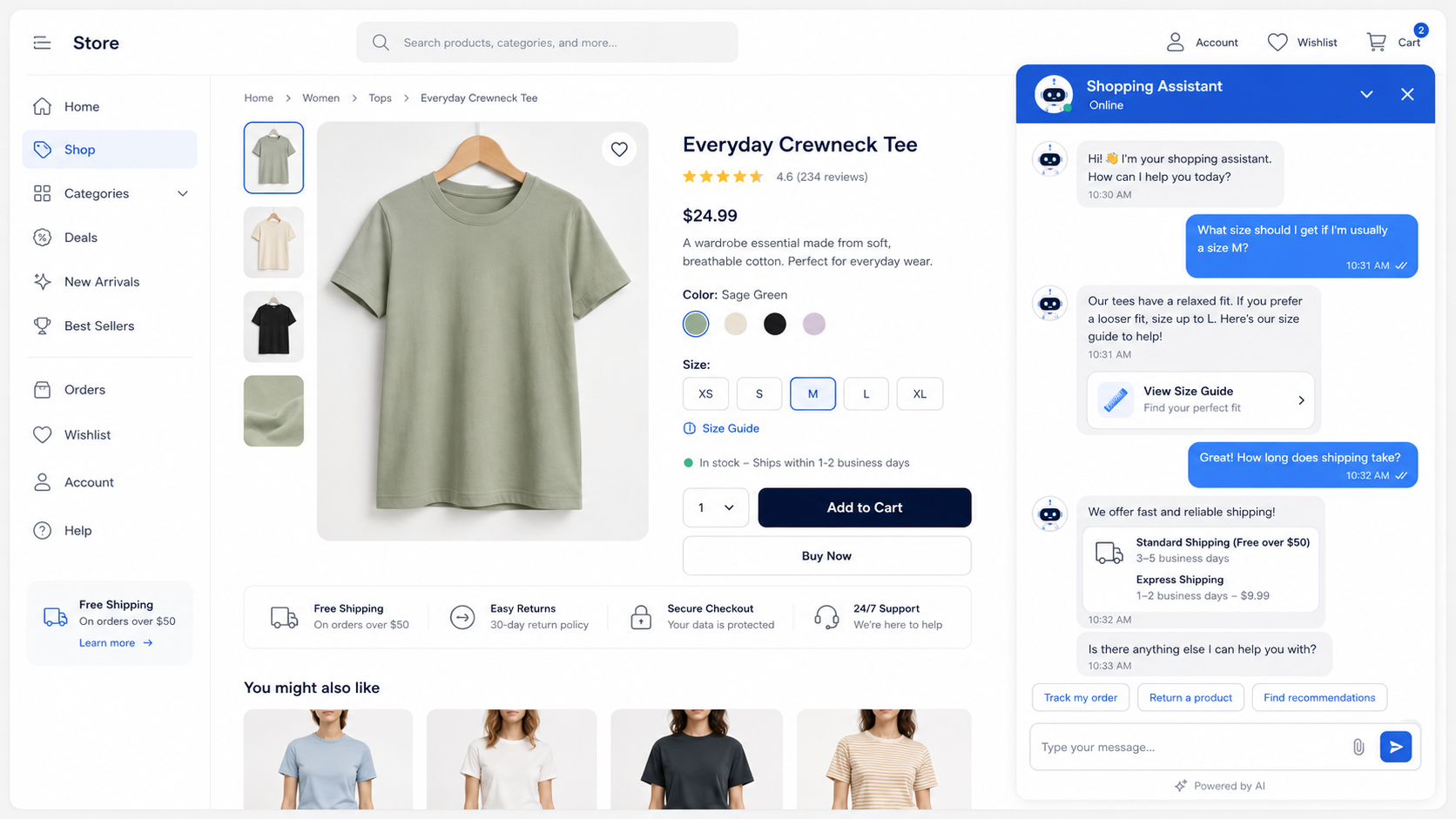
An ecommerce chatbot platform is software that adds an automated chat assistant to your online store. It answers customer questions, helps shoppers find products, tracks orders, and hands off to a human when a conversation gets complex.
The category matters more every year. Salesforce, analyzing more than 1.5 billion global shoppers, found that traffic referred from AI chats grew between 150% and 428% year over year in every quarter it measured. Shoppers are getting comfortable buying through conversation, and your store needs to meet them there.
If you want to see the specific jobs these bots take on, from order tracking to product recommendations, our guide to ecommerce chatbot use cases breaks them down.
Support chatbots vs AI shopping agents
Most "chatbots" fall into two camps, and the distinction drives which tool you should pick:
- Support chatbots: These deflect service questions like order status, returns, and shipping. Their job is to cut ticket volume and answer around the clock.
- AI shopping agents: These focus on the sale, greeting browsers, recommending products, and nudging hesitant shoppers toward checkout.
- All-in-one AI agents: The newest tools reason over your store data and do both, resolving support questions and guiding purchases in the same conversation.
Older tools do one job well. Modern AI agents blur the line, which is why the platforms below vary so much in what they optimize for.
What to look for in an ecommerce chatbot platform
Not every tool fits every store. These are the criteria that actually change the outcome:
- AI resolution quality: A bot that answers 30% of questions correctly still sends the rest to your team. Look for an AI agent that resolves autonomously and can take real actions. Featurebase's Fibi AI Agent, for example, resolves common questions on its own and can run actions like refunds and order lookups instead of just replying with text.
- Ecommerce and Shopify integrations: The bot needs live access to orders, inventory, and customer data to be useful. Deep Shopify or WooCommerce integration is the difference between "I can't help with that" and an instant order update. For businesses managing more complex Shopify integrations and technical requirements, Netalico's fractional CTO offering can provide additional technical guidance and expertise.
- Channels: Decide where your customers actually message you, whether that's your website, email, Instagram, or WhatsApp, and make sure the platform covers those.
- Pricing model: Tools bill per seat, per ticket, per contact, or per AI resolution. Each scales differently, so match the model to how your volume grows.
- Free plan or trial: You want to test resolution quality on your own store before committing budget.
More than a third of shoppers already lean on AI to find what they want. Salesforce's Connected Shoppers Report found that 39% of consumers, and more than half of Gen Z, use AI for product discovery. A chatbot that only handles support is leaving the conversion half of that opportunity on the table.
If you want a wider view of the market beyond ecommerce, our roundup of AI chatbot platforms covers general-purpose options too.
The 8 best ecommerce chatbot platforms in 2026
Here's the shortlist, starting with the most well-rounded option for modern online businesses.
1. Featurebase ✨
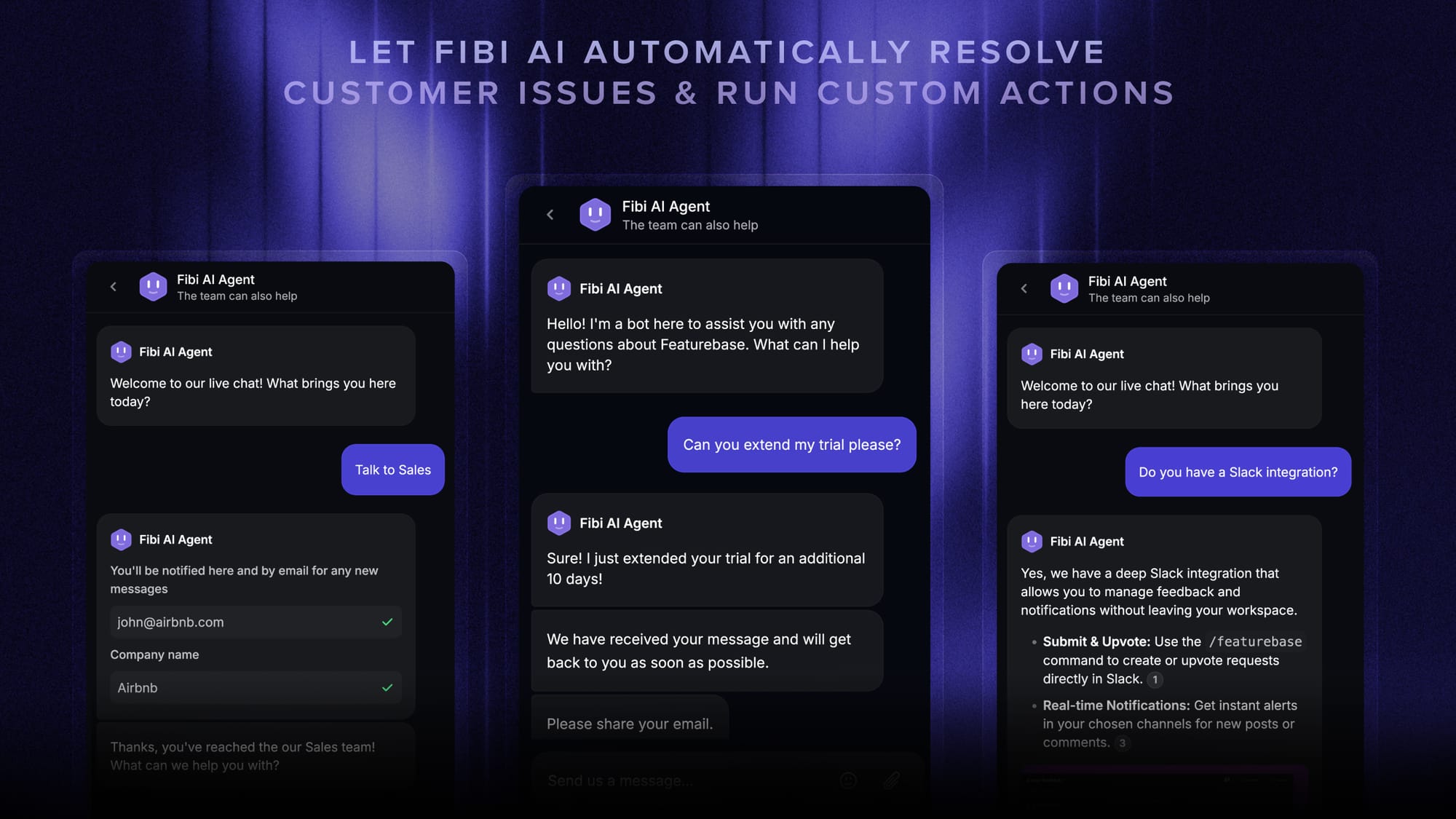
Featurebase is a modern AI customer support platform. For online stores, it takes on the support side of the chatbot job: resolving repetitive questions like "where's my order?" automatically, and giving shoppers instant self-serve answers before they bounce.
Key features:
- Fibi AI Agent – Resolves common customer questions on autopilot and runs actions like refunds and order lookups
- Omnichannel inbox – Handle live chat, email, and Slack conversations from one AI-powered view
- Help center with AI search – Instant, multilingual self-serve answers you can embed in your store
- Workflows & automations – Auto-route conversations, collect customer details, and cut manual work
- Feedback & roadmap tools – Capture product requests from shoppers and close the loop with updates
Pricing: Free plan with unlimited conversations. Paid plans start at $29/seat/mo plus $0.49 per AI resolution.
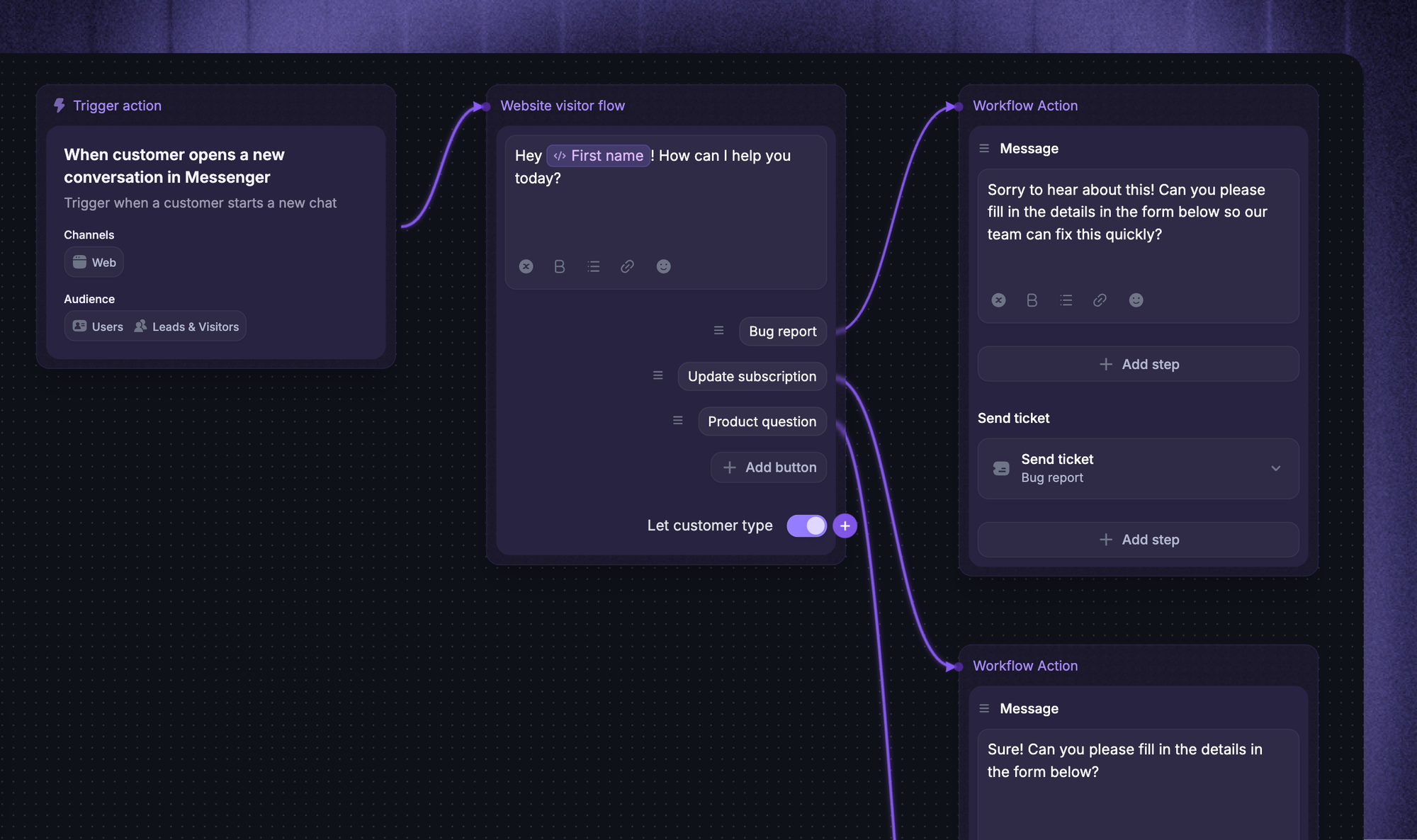
It's worth being clear about fit: Featurebase is best for modern online businesses, subscription brands, and DTC teams that want AI support, a help center, and feedback tools in one place, rather than a Shopify-only sales bot. If that's you, it replaces several tools at once.
✨ Automate your store's support with an AI-powered inbox →
2. Tidio
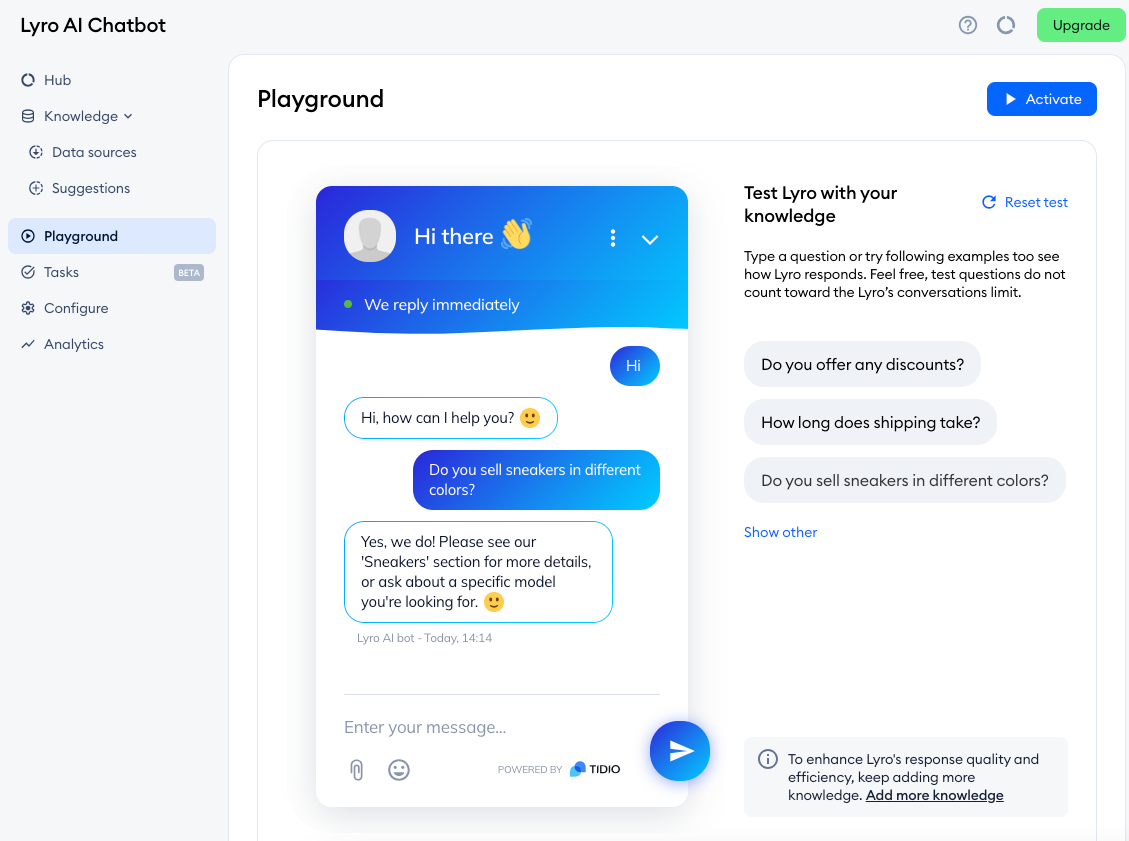
Tidio is a popular live chat and chatbot tool for small and mid-size stores that want AI without an enterprise budget. Its Lyro AI agent handles a large share of common questions out of the box.
Key features:
- Lyro AI agent that resolves repetitive questions automatically
- Visual flow builder for no-code automation
- Unified inbox for chat, email, Messenger, and Instagram
- Shopify integration with order and cart data
Reviewers consistently praise how fast it is to set up and how clean the interface feels. The recurring complaints are about cost and limits: pricing climbs as you add operators and features, lower tiers cap billable conversations quickly, and both the advanced integrations and the analytics feel thin once you scale.
Pricing: Free plan with 50 conversations. Paid plans start at $24.17/mo, with the Lyro AI add-on from $32.50/mo.
3. Gorgias
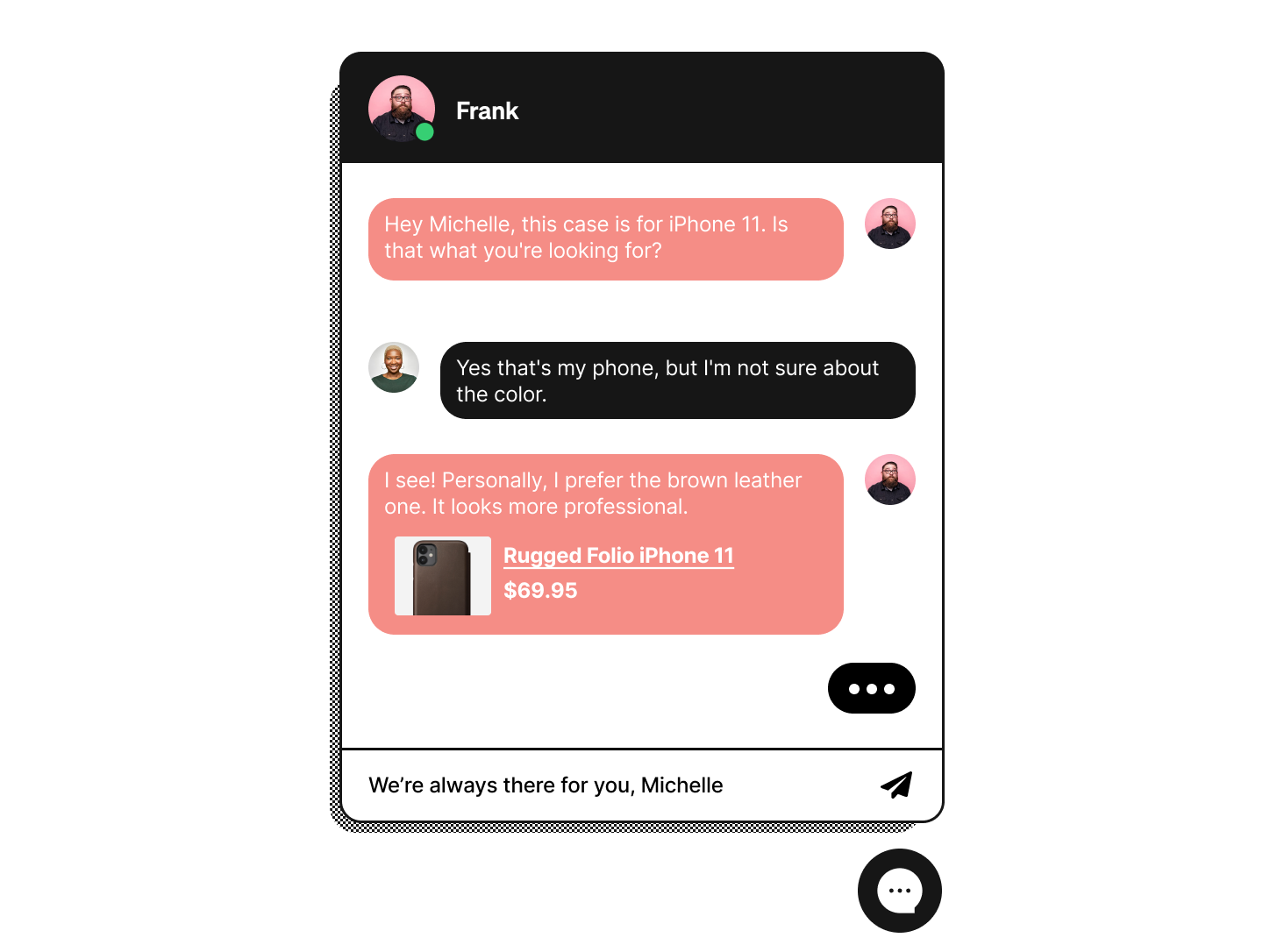
Gorgias is a helpdesk built specifically for ecommerce, and it's the go-to for Shopify and Shopify Plus stores. Everything is organized around orders, so agents and the AI can see and act on order data right inside the conversation.
Key features:
- Deep Shopify integration to view, edit, and refund orders from the ticket
- AI Agent trained on your store policies and past tickets
- Macros and rules to automate repetitive replies
- Unified inbox across chat, email, and social
Users love the Shopify depth and the automation power. The knocks are that it gets expensive as volume grows, the ticket-based billing makes monthly costs hard to predict, automations need tuning to fire reliably, and the platform can slow down during peak ticket spikes.
Pricing: Gorgias pricing is ticket-based rather than per-seat. Plans run from $10/mo (50 tickets) to $60/mo, $360/mo, and $900/mo, with the AI Agent charged around $1 per resolution.
4. Intercom
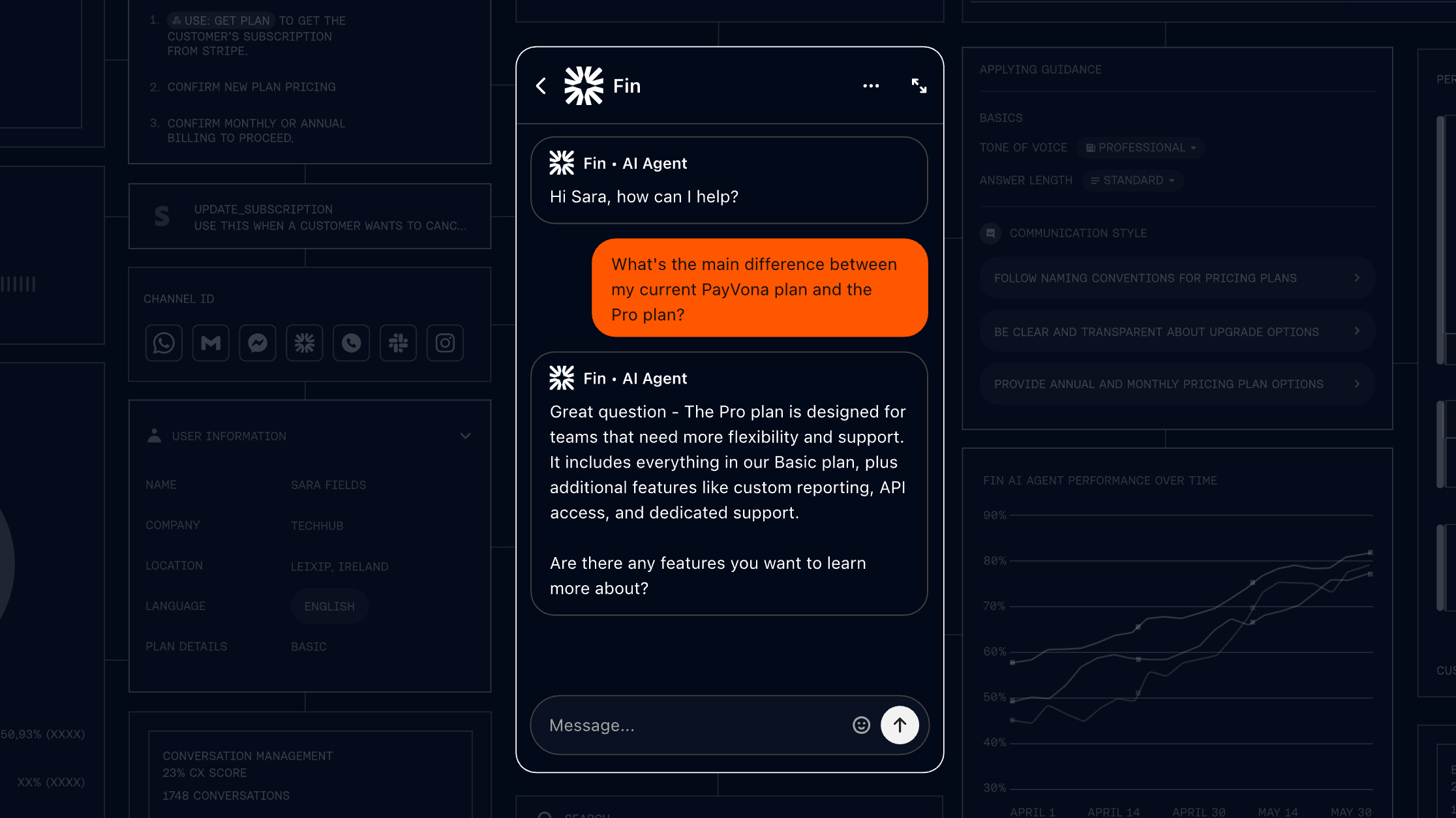
Intercom is a mature customer communication platform with one of the most polished messengers on the market. Its Fin AI Agent is a strong autonomous resolver, which makes it a fit for scaling stores that also run SaaS-style support.
Key features:
- Fin AI Agent for autonomous resolution
- Clean, well-designed in-app messenger
- Built-in help center and outbound messaging
- Broad integrations and automation
The Messenger and Fin's deflection get strong marks. The consistent frustration is pricing: with per-seat costs, per-outcome Fin fees, and add-ons stacked together, spend is hard to forecast and often lands higher than teams expect. Smaller stores also feel priced out of the better tiers, and the breadth brings a learning curve.
Pricing: Intercom pricing starts at $19/seat/month for Essential billed annually ($29 billed monthly), plus $0.99 per Fin outcome. Advanced costs $85/seat/month and Expert costs $132/seat/month, billed annually.
5. ManyChat
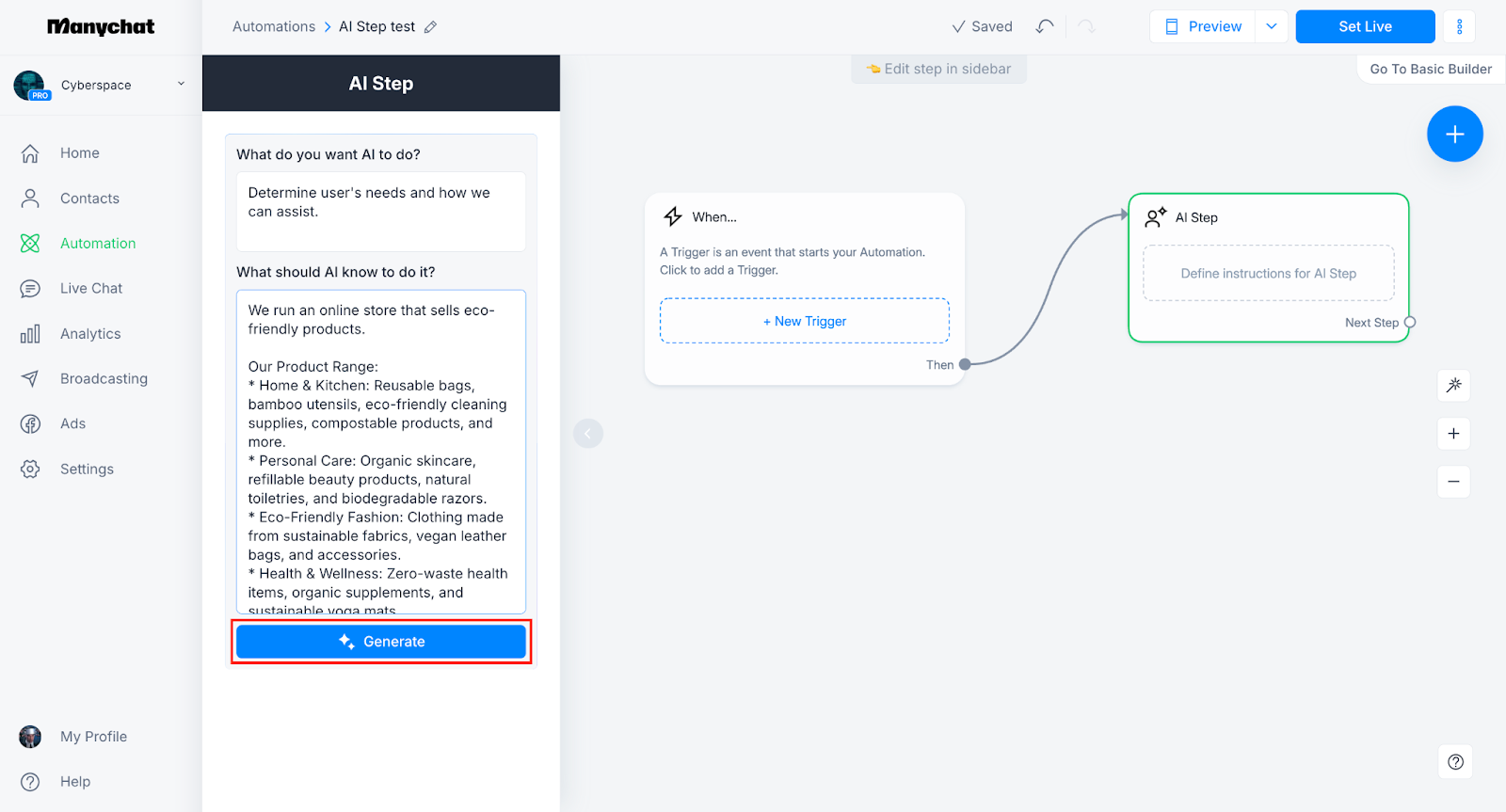
ManyChat is the leader in social and marketing automation. If your store lives on Instagram, WhatsApp, and Messenger, its comment-to-DM automation is best-in-class for turning social engagement into conversations.
Key features:
- Best-in-class comment-to-DM automation
- Multi-channel flows across Instagram, WhatsApp, Messenger, and SMS
- Shopify integration for cart recovery and order updates
- Large template library and community
The automation and channel coverage earn real praise. The trade-offs: contact-based pricing scales with your audience size rather than actual usage, the free plan was cut to just 25 contacts, the native AI is limited compared to purpose-built agents, and email-only support can be slow.
Pricing: ManyChat pricing includes a free plan for 25 contacts, with paid plans from $14/mo (Pro at $29/mo).
6. Chatfuel
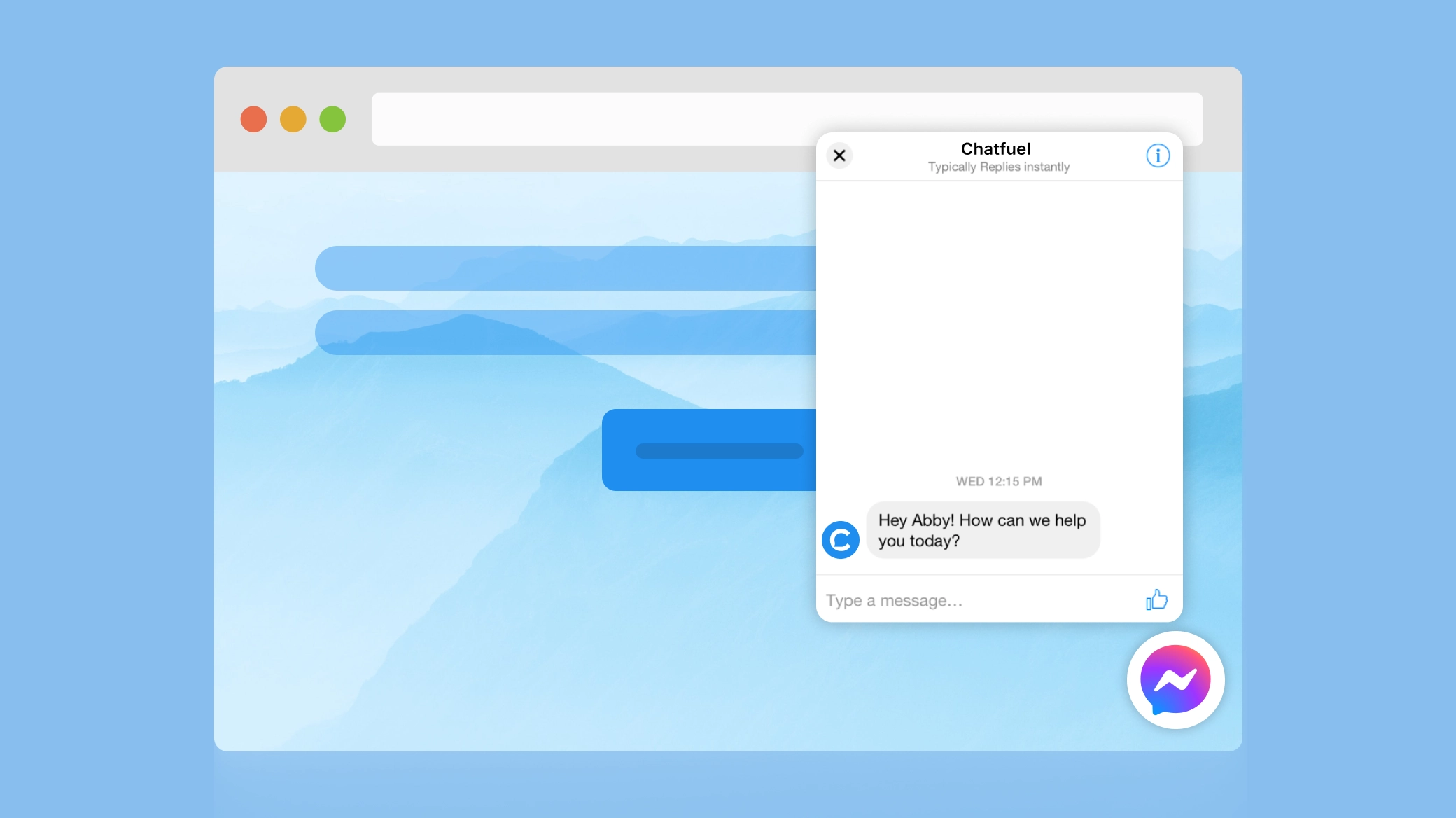
Chatfuel focuses on conversational commerce across Meta's channels. It's a strong pick for stores that sell primarily through WhatsApp, Messenger, and Instagram rather than through a website widget.
Key features:
- AI sales agent across WhatsApp, Messenger, and Instagram
- Abandoned-cart and order-update flows
- No-code builder with ecommerce templates
- Broadcast and re-engagement campaigns
It's well regarded for Meta-channel automation and its ready-made ecommerce templates. The limitations are that it's heavily tied to Meta channels (website coverage is thinner), the builder has a learning curve, and costs rise with conversation volume.
Pricing: Free plan (Chatfuel Light), with the AI PRO plan at $49/mo.
7. Ada
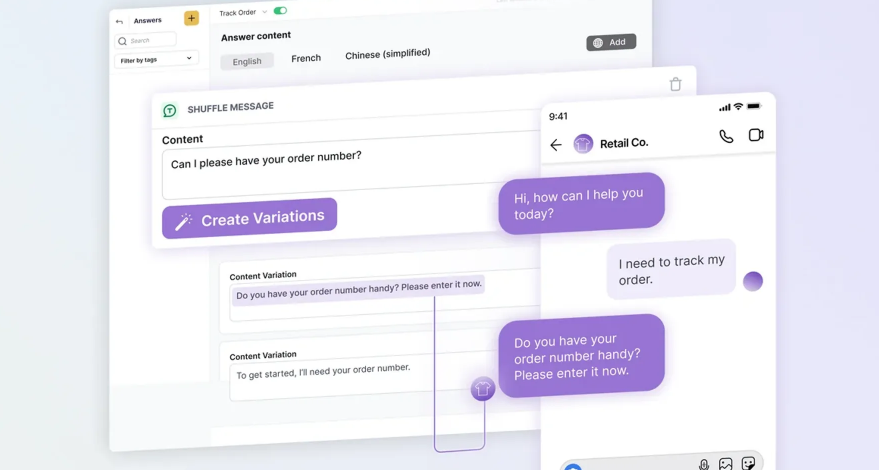
Ada is an enterprise-grade AI agent platform built for high-volume, multilingual support. It's overkill for a small shop but a serious contender for large retailers automating support at scale.
Key features:
- Autonomous AI agent that resolves high volumes without human help
- Support across 50+ languages
- Deep integrations with commerce and support systems
- Analytics and automated resolution reporting
Ada earns praise for the strength of its autonomous resolution and its enterprise polish. The downsides for most stores: pricing is sales-led with nothing public, onboarding takes real setup and training effort, and it's more platform than a small team needs.
Pricing: Ada pricing is custom and quote-based, with no free plan. You'll need to contact their sales team.
8. ChatBot
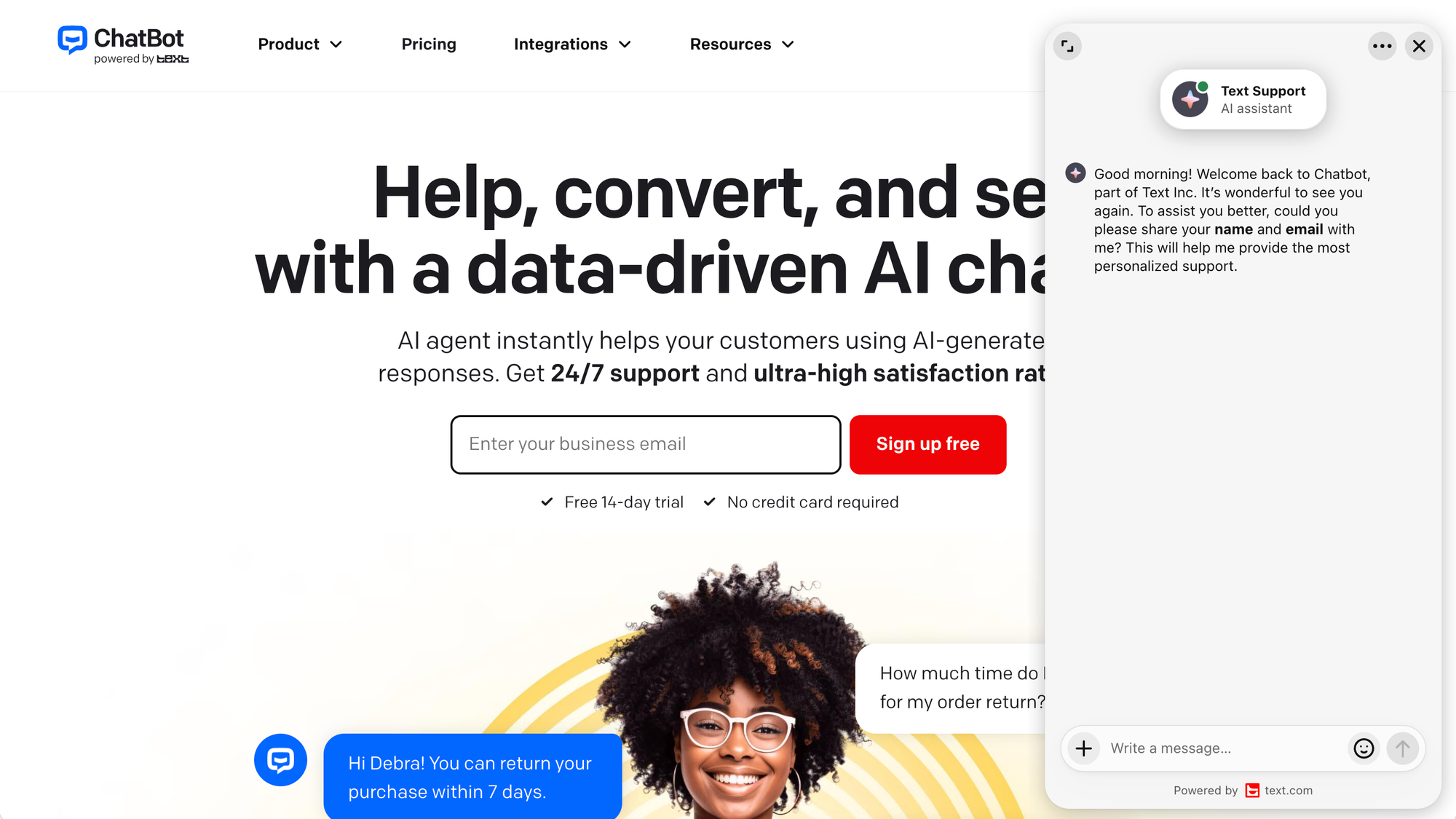
ChatBot (by LiveChat) is a no-code platform for building AI chat assistants and dropping them onto your store. It's a fit for teams that want to design flows visually and have Shopify and WhatsApp support baked in from the start.
Key features:
- Visual, no-code builder for AI Agents and flows
- Shopify, WhatsApp, and Messenger integrations on every plan
- Built-in ticketing and live chat handoff via the LiveChat ecosystem
- AI resolutions with a set monthly allowance per plan
Users like the clean builder and how reliably it runs. The recurring critiques are that it leans on scripted flows more than the newest reasoning agents, pricing stacks per seat plus per resolution, and the included AI resolution allowance runs out fast on lower tiers, so it's best value when paired with LiveChat's wider toolkit.
Pricing: ChatBot pricing has no permanent free plan (14-day trial). Paid plans start at $19/user/mo billed annually ($25 monthly), with extra AI resolutions at $0.99 each beyond your plan's allowance.
How to choose the right ecommerce chatbot platform
The best platform depends on what job you most need done. A quick way to narrow it down:
- Shopify store wanting order-aware support: Gorgias is purpose-built for it.
- Budget-friendly live chat plus AI: Tidio gives you both with a free plan to start.
- Social and DTC marketing automation: ManyChat or Chatfuel own the Meta channels.
- No-code visual bot building: ChatBot lets you launch a Shopify and WhatsApp bot without engineering.
- Enterprise scale and languages: Ada or Intercom handle high volume.
- All-in-one modern support plus feedback: Featurebase brings AI support, a help center, and feedback into one workspace.
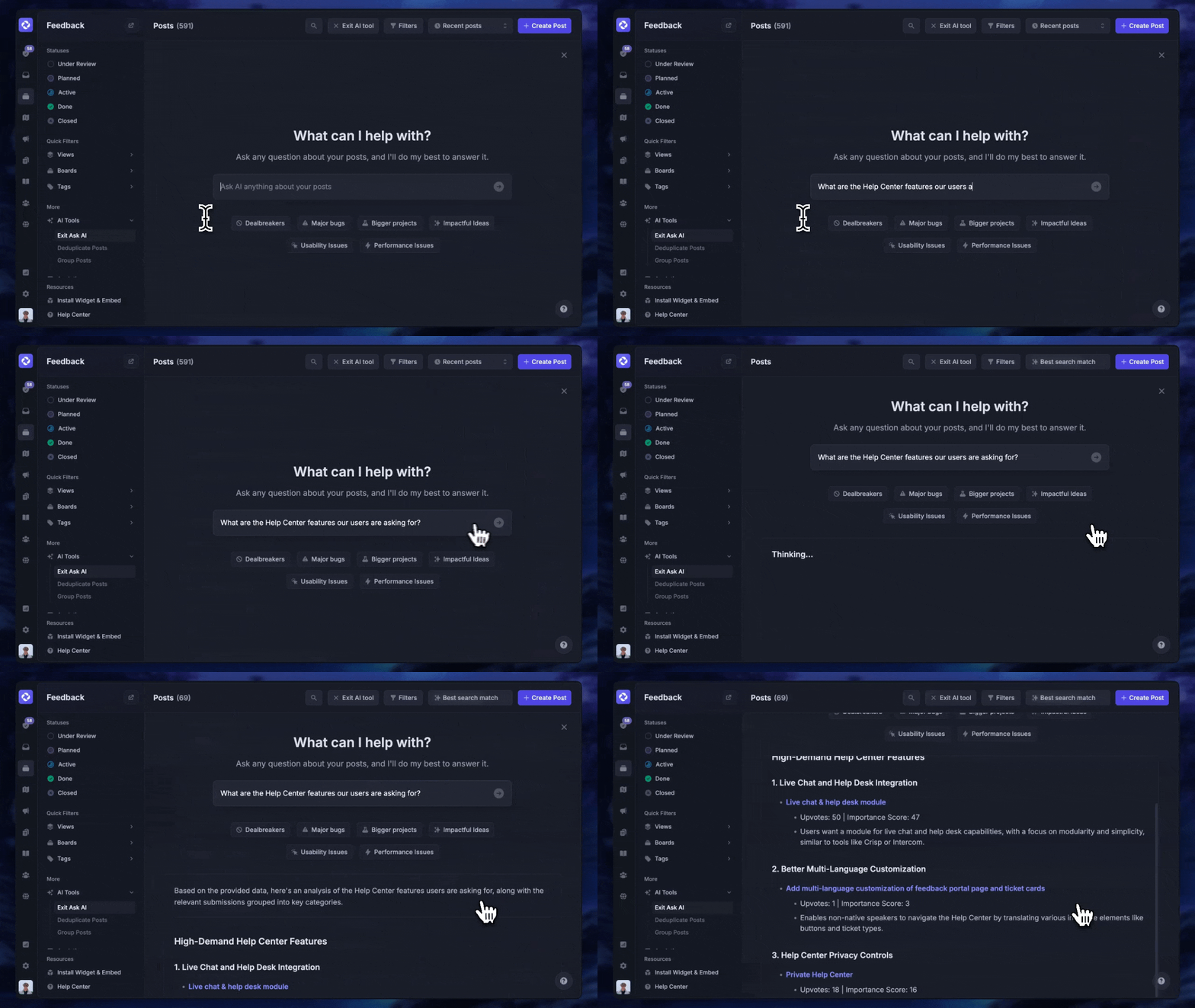
Whatever you pick, pair the bot with strong self-serve content. An AI-powered help center that answers questions in the search bar deflects a large chunk of repeat tickets before the chatbot is even needed, which keeps your automation costs down as you grow.

Get the best ecommerce chatbot
Automatically resolve 70% of customer requests & cut down manual support loads
Conclusion
An ecommerce chatbot platform earns its keep two ways: it deflects the repetitive questions that eat your team's day, and it keeps shoppers moving toward checkout around the clock. The right choice comes down to your stack and your priority, whether that's Shopify-deep support, social selling, or all-in-one coverage.
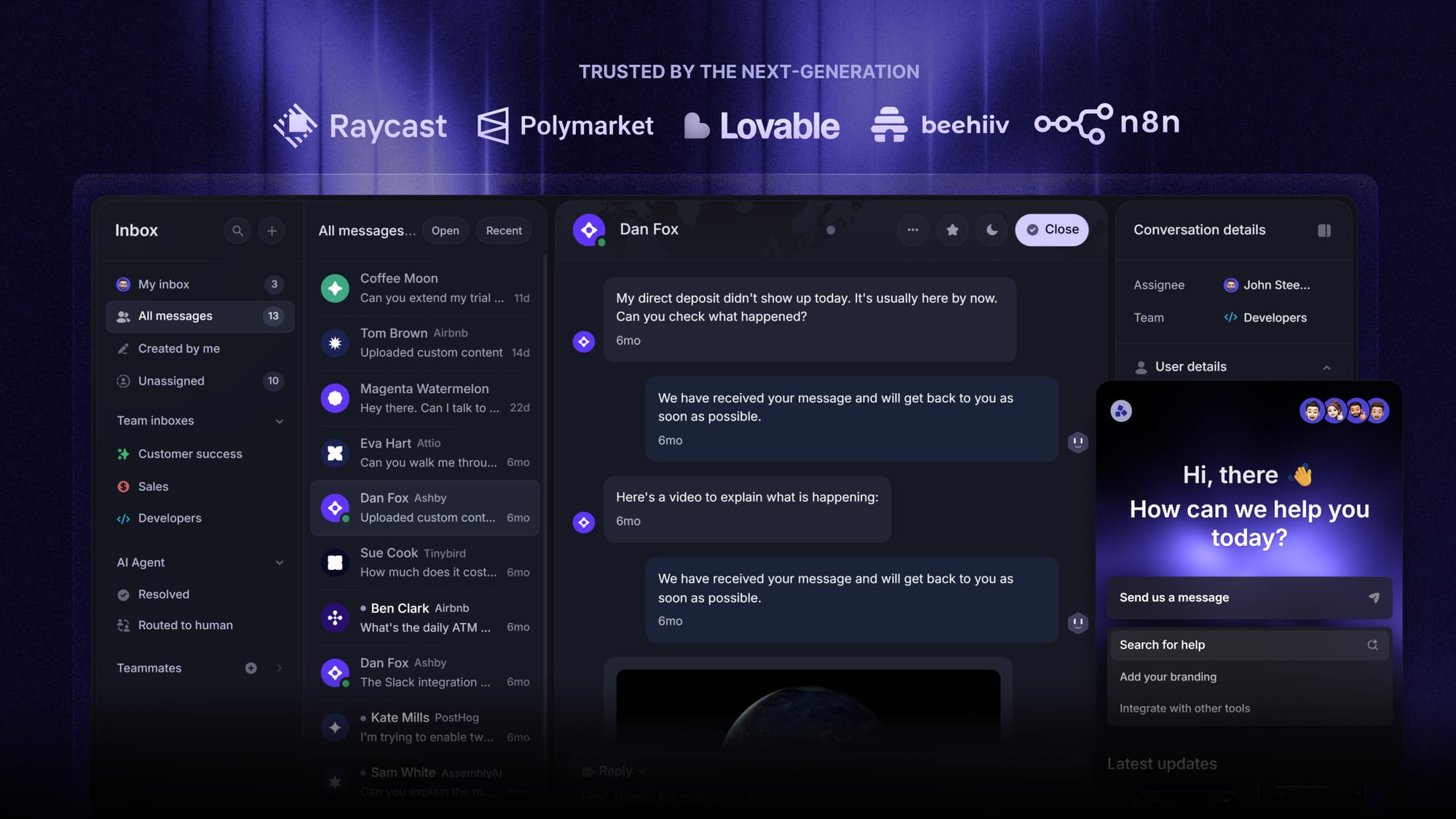
Featurebase is a modern AI customer support platform with an AI-powered inbox, a Fibi AI agent that resolves questions and runs actions on autopilot, and a built-in help center. You get everything you need to automate store support in one place, plus feedback collection, roadmaps, and product updates to keep improving what you sell.
It comes with a Free plan and unlimited conversations, and the onboarding is quick with no credit card required, so there's no downside to trying it. 👇
✨ Automate your support with the fastest AI-enhanced Inbox today →
FAQs
What's the difference between a chatbot and an AI shopping agent?
A traditional chatbot follows set rules and answers predefined questions, like order status or return policy. An AI shopping agent reasons over your store data to recommend products, answer nuanced questions, and guide shoppers toward a purchase. The newest platforms combine both, resolving support questions and driving sales in the same conversation.
How do ecommerce chatbots increase conversion rates?
They remove friction at the moments shoppers usually drop off. A chatbot answers sizing, shipping, and stock questions instantly so hesitation doesn't turn into an abandoned cart, and proactive bots can recommend products or offer help before a shopper leaves. With AI-referred shopping traffic growing sharply year over year, meeting buyers in chat is increasingly where conversions happen.
Are ecommerce chatbots worth it for small businesses?
Yes, especially now that several platforms offer free or low-cost plans with no-code setup. A small store can deflect its most common questions and stay available 24/7 without hiring, which is often the single biggest support win for a lean team. Start on a free tier, measure how many questions the bot resolves, then upgrade only if the volume justifies it.
How much does an ecommerce chatbot platform cost?
Pricing ranges widely. Entry plans start free or around $10 to $29 per month, while AI features are usually billed on top, either per resolution (roughly $0.49 to $1 each) or per conversation. Enterprise tools like Ada are quote-based. Watch the billing model closely, since per-seat, per-ticket, and per-contact pricing each scale very differently as your store grows.
Which ecommerce chatbot platform offers a free plan?
Several do, including Tidio, ManyChat, and Chatfuel. Featurebase also offers a free plan with unlimited conversations, which lets you test its AI support inbox and help center on your own store before paying anything. Free plans usually cap conversations or contacts, so check the limits against your monthly volume.
How long does it take to set up an ecommerce chatbot?
A basic no-code chat widget can be live in a few hours. A Shopify-native tool that plugs straight into your store, like Gorgias, can be running the same day. The longer part is training an AI agent on your policies and content, which typically takes a few days of tuning to get resolution quality where you want it.