Blog Omnichannel Customer Engagement: The Complete Guide
Omnichannel Customer Engagement: The Complete Guide
Omnichannel customer engagement connects all channels into a single, continuous conversation. Here's what it means, why it drives retention, and how to build a strategy that actually works.

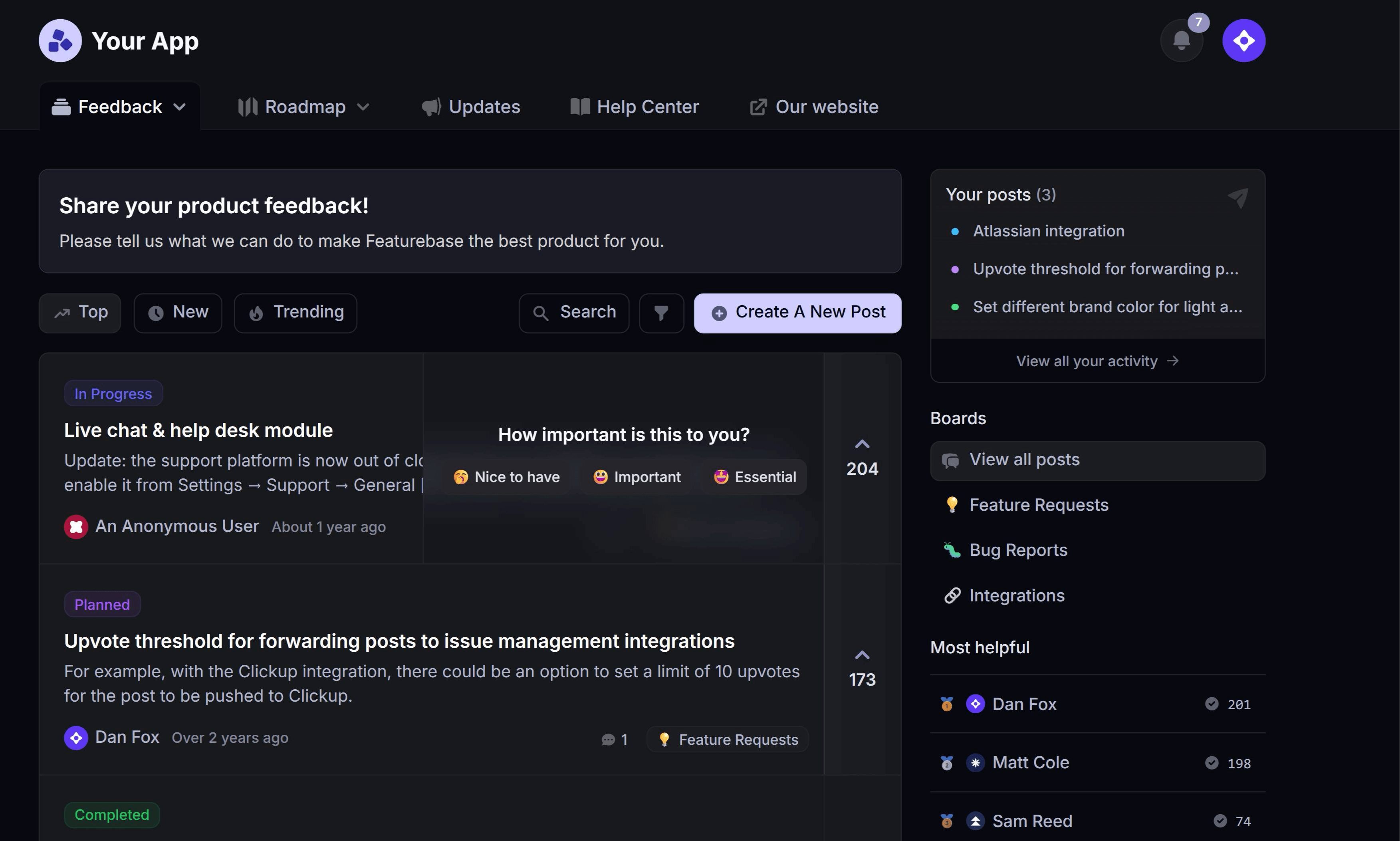

A customer starts a question in live chat, gets pulled away, and finishes it over email the next morning. Then they open your app and expect the whole thread to be right there waiting.
When it is, that's omnichannel customer engagement working. When it isn't, they re-explain everything to a third agent and start eyeing the exit.
This guide covers what omnichannel engagement actually means, why it moves retention and revenue, and the exact steps to build a strategy that holds together across every channel. 👇
Key takeaways
- Omnichannel customer engagement connects every touchpoint - chat, email, in-app, social, phone - into one continuous conversation tied to a single customer record.
- It's not the same as multichannel. Multichannel means being present on many channels. Omnichannel means those channels actually talk to each other.
- Done well, it lifts retention and spend. Omnichannel customers shop 1.7x more than single-channel shoppers.
- A working strategy rests on a unified customer view, mapped journeys, consistent context across channels, and clear metrics.
- Most rollouts fail on fragmentation - siloed tools and data that never connect - not on strategy.
- Featurebase✨ brings live chat, email, help center, feedback, and product updates onto one customer record, so teams can run omnichannel engagement without stitching 5 tools together.
What is omnichannel customer engagement?
Omnichannel customer engagement is the practice of connecting every channel a customer uses - live chat, email, in-app messaging, social media, phone, self-serve help - into one seamless, continuous experience. Each interaction carries context forward, so the customer never has to start over.
The word "omni" means "all," but the point isn't just being everywhere. It's that every channel shares the same customer data, history, and context, so a conversation can move from one to another without losing a beat.
Think of digital customer engagement as a single thread. A shopper might find you on Instagram, ask a pre-sales question in chat, buy on your website, then request help by email. Omnichannel engagement makes that feel like one relationship, not four disconnected transactions.
Omnichannel vs multichannel customer engagement
These two get used interchangeably, but they describe different things:
- Multichannel means you're present on many channels - email, chat, social, phone - but each one runs in its own silo. The customer's chat history isn't visible to the email agent.
- Omnichannel means those same channels are connected. Context, identity, and conversation history follow the customer wherever they go.
The difference is integration. Multichannel is a set of separate doors into your business. Omnichannel is one room with many doors, where everyone inside can see the full picture. We go deeper on this in our guide to omnichannel customer experience software.
Why omnichannel customer engagement matters
Customers already behave in an omnichannel way, whether or not your business is set up for it. McKinsey finds that most B2C customers now use three to five channels on a single purchase or request. Meeting them across those channels isn't optional anymore.
The payoff shows up in the numbers:
- More spend: omnichannel customers shop 1.7 times more than shoppers who use a single channel, and they tend to spend more per visit too.
- More revenue from personalization: McKinsey found omnichannel personalization can lift revenue by 5 to 15 percent across the full customer base.
- Better retention: connected experiences remove the friction that pushes people to churn. When customers don't have to repeat themselves, they stay longer.
Beyond the metrics, there's a simpler reason. Disconnected support is frustrating. Every time a customer re-explains their problem to a new agent on a new channel, trust erodes a little. Omnichannel engagement strips out that friction, which is why it tracks so closely with loyalty and stronger customer retention.
Omnichannel customer engagement examples
Theory is easier to grasp with real examples. A few that get cited often:
- Starbucks: the rewards app, website, and in-store experience share one account. You can order ahead on the app, earn stars in store, and reload your balance on any device, and it all stays in sync.
- Sephora: its Beauty Insider program links online browsing with in-store visits. Customers save products online, get matched recommendations, and pick up where they left off whether they're on the app or at the counter.
- A typical SaaS team: a user hits a wall in-app, opens live chat, and gets an instant AI answer pulled from the help center. If they need a human, the conversation moves to email with full context, and the feature they asked for lands on the product roadmap.
Each example shares the same DNA: one identity, one history, and many channels that stay in sync.
How to build an omnichannel customer engagement strategy
You don't need every channel on day one. You need the few your customers actually use, connected well. Here's the framework.
1. Unify your customer data
Everything starts with a single customer record. Before you add channels, make sure identity, history, and context live in one place so any agent or AI can see the full story. Without this, you have multichannel, not omnichannel.
2. Map the customer journey
List the moments that matter - discovery, onboarding, a support issue, renewal - and the channels customers actually use at each one. You're hunting for the handoffs where context tends to get dropped.
3. Pick your core channels
Start where your customers already are. For most SaaS teams, that's live chat, email, in-app messaging, and a self-serve help center. Add social or phone only if your audience genuinely lives there.
4. Connect context across channels
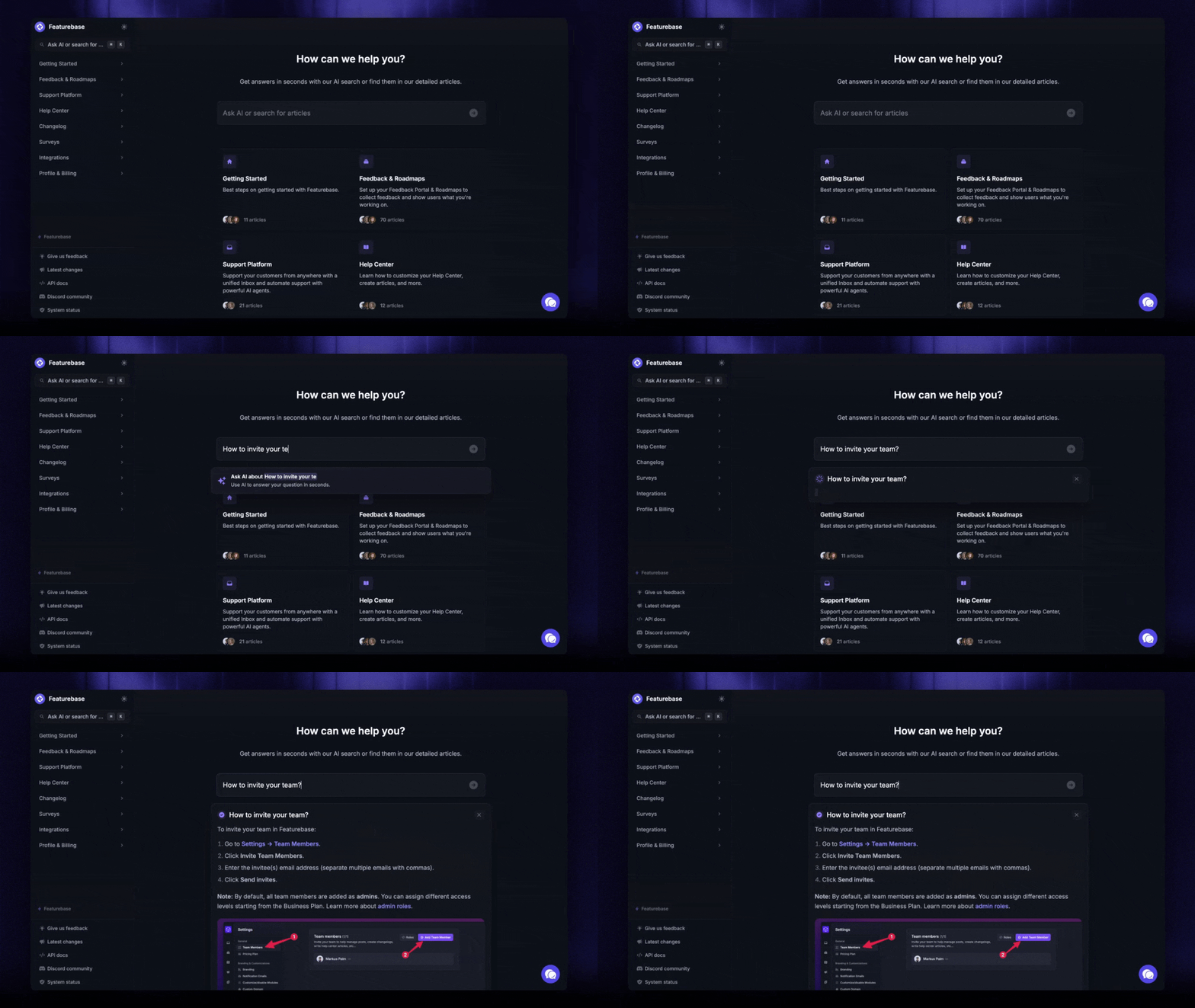
This is the omnichannel part. A conversation that starts in chat should be visible in email. A ticket raised in-app should carry the customer's plan, history, and past messages. Smart omnichannel routing sends each conversation to the right agent or AI with that context already attached.
5. Add proactive engagement
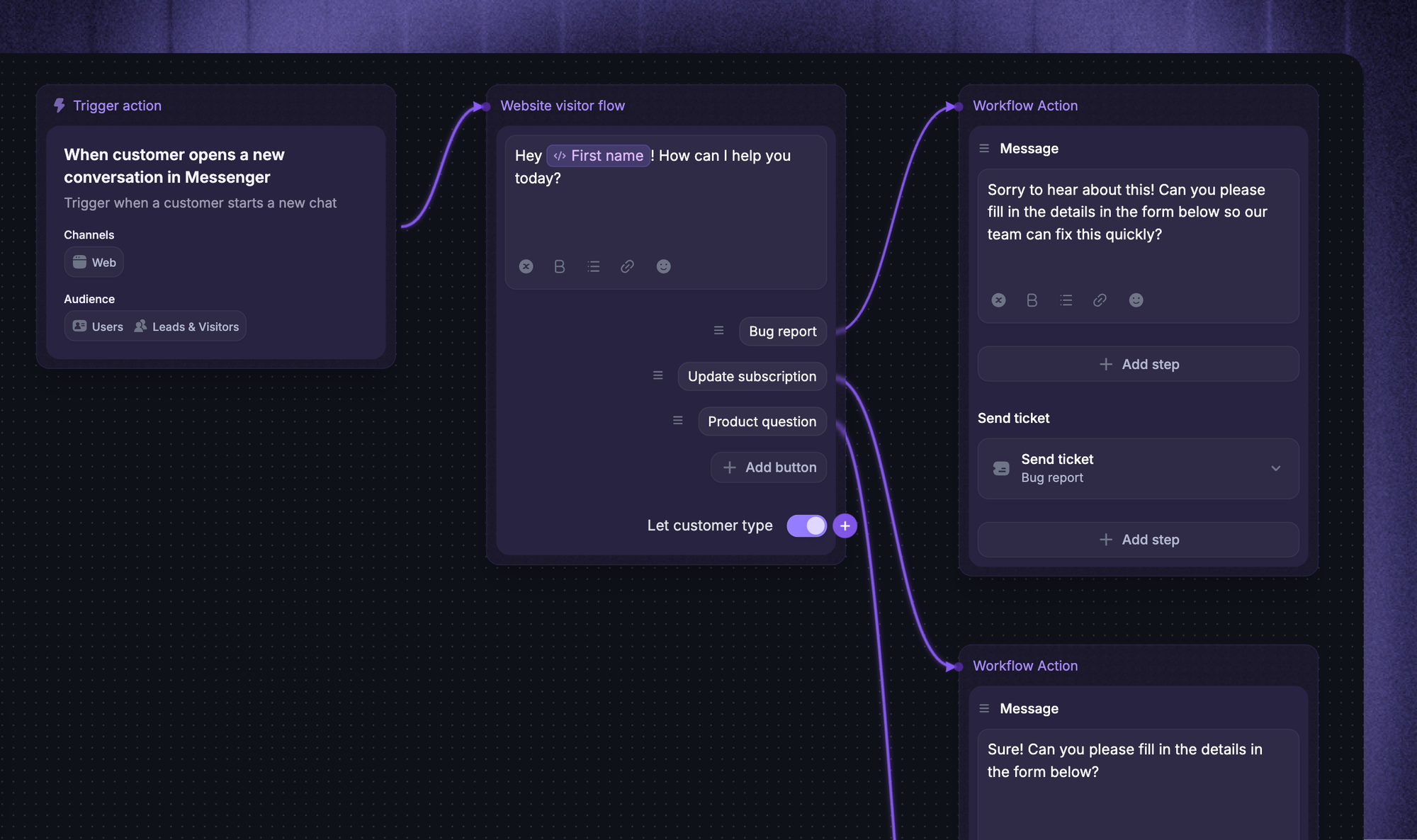
Omnichannel isn't only reactive. Trigger-based messages - an onboarding nudge, a feature announcement, a check-in after a rough support experience - keep the relationship warm between requests.
6. Measure and refine
Pick metrics that reflect the whole journey, not single channels (more on that below). Then close the loop by feeding what you learn back into your journeys and channel mix.
The channels and technology that make omnichannel work
Omnichannel engagement is only as good as the plumbing underneath it. Three layers make it work:
- A unified inbox or engagement hub: one place where conversations from every channel land, so agents aren't tab-hopping between tools.
- A shared customer profile: identity and history that follow the customer, usually powered by a CDP or your engagement platform.
- Automation and AI: routing, self-serve answers, and journey orchestration that scale the experience without adding headcount.
The channels themselves usually include some mix of live chat, email, in-app messenger, a knowledge base for self-serve, social, and product updates. Collecting channels isn't the hard part. Making sure they share one brain is.
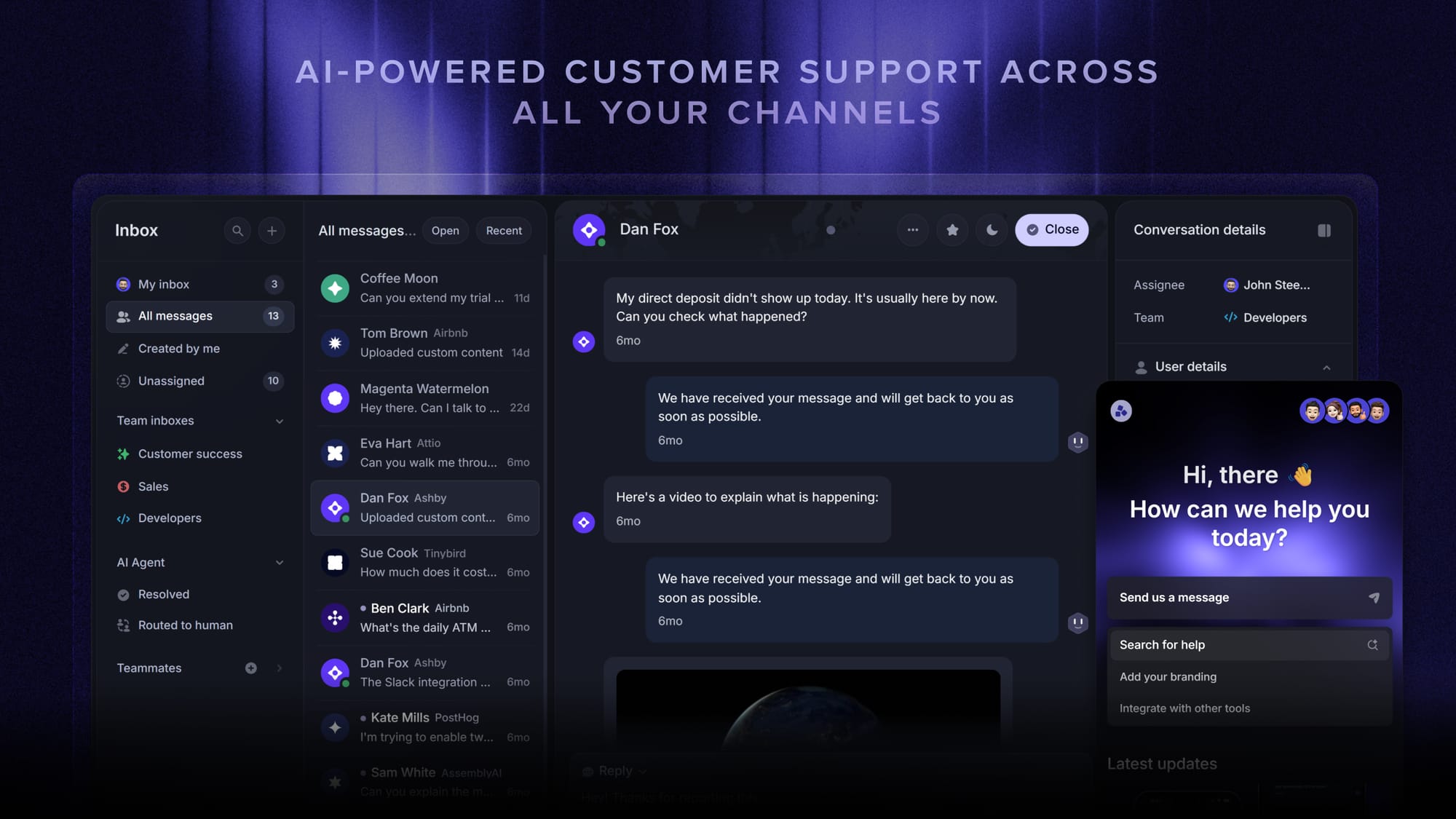
This is where consolidating tools helps. Instead of a separate chat tool, a separate help center, and a separate feedback tool that never talk to each other, an omnichannel support platform keeps everything on one record. Featurebase, for example, brings live chat, email, and Slack conversations into a single AI-powered inbox, pairs it with a self-serve help center, and ties feedback and product updates to the same customer profile. So an agent answering an email can see the customer's chat history, open feature requests, and which updates they've already seen.
If you're weighing up your stack, our roundup of customer engagement tools compares the main options.
How to measure omnichannel customer engagement
Channel-level metrics lie in an omnichannel world. If you measure chat and email separately, you'll miss the customer who used both. Measure the journey instead.
The metrics that matter most:
- Retention and churn rate: the clearest signal that connected experiences are working. If omnichannel is helping, fewer people leave.
- CSAT and NPS: run short surveys after key interactions to catch friction while it's fresh.
- Customer effort score (CES): how hard was it to get an answer? High effort usually points to a broken handoff between channels.
- End-to-end resolution time: not per channel, but how long from first message to resolved, regardless of how many channels it touched.
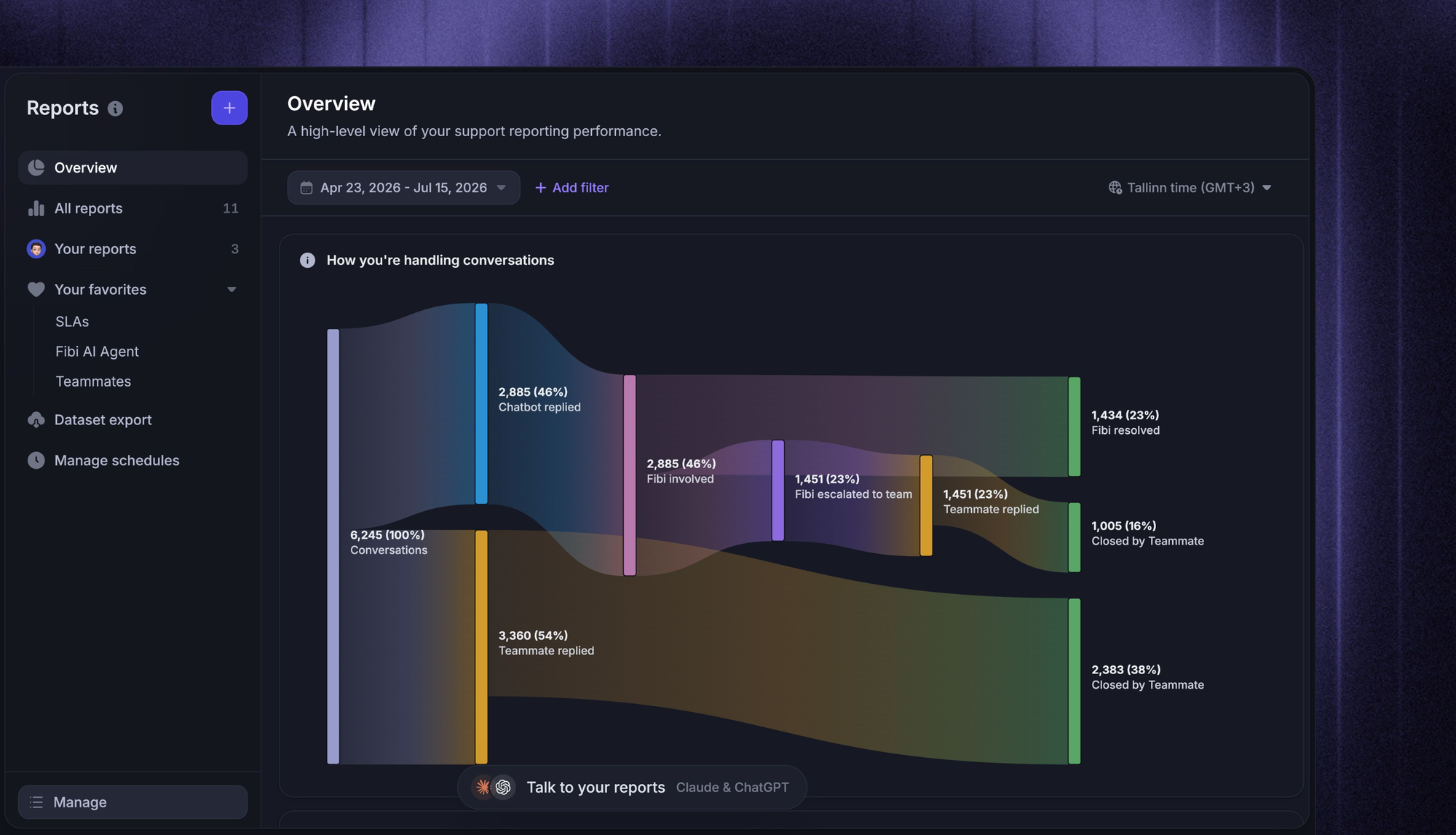
- Cross-channel usage: how many customers use more than one channel. Rising usage is a sign your omnichannel experience is trusted.
The goal is a single view of engagement, not a stack of channel dashboards. For a deeper look at journey-level measurement, see how to measure customer experience end to end.
Common omnichannel engagement mistakes (and how to avoid them)
Most omnichannel projects don't fail on ambition. They fail on execution. The usual culprits:
- Confusing multichannel for omnichannel: adding channels without connecting them just spreads your team thinner. Integration is the point, not channel count.
- Siloed data and tools: when your chat tool, help center, and CRM don't share data, context dies at every handoff. This is the number-one killer of omnichannel rollouts.
- Too many channels, too fast: launching on 8 channels you can't staff well is worse than doing 3 brilliantly. Start small, connect deeply, expand later.
- Ignoring self-serve: a good help center deflects the repetitive questions so your team can focus on the conversations that need a human.
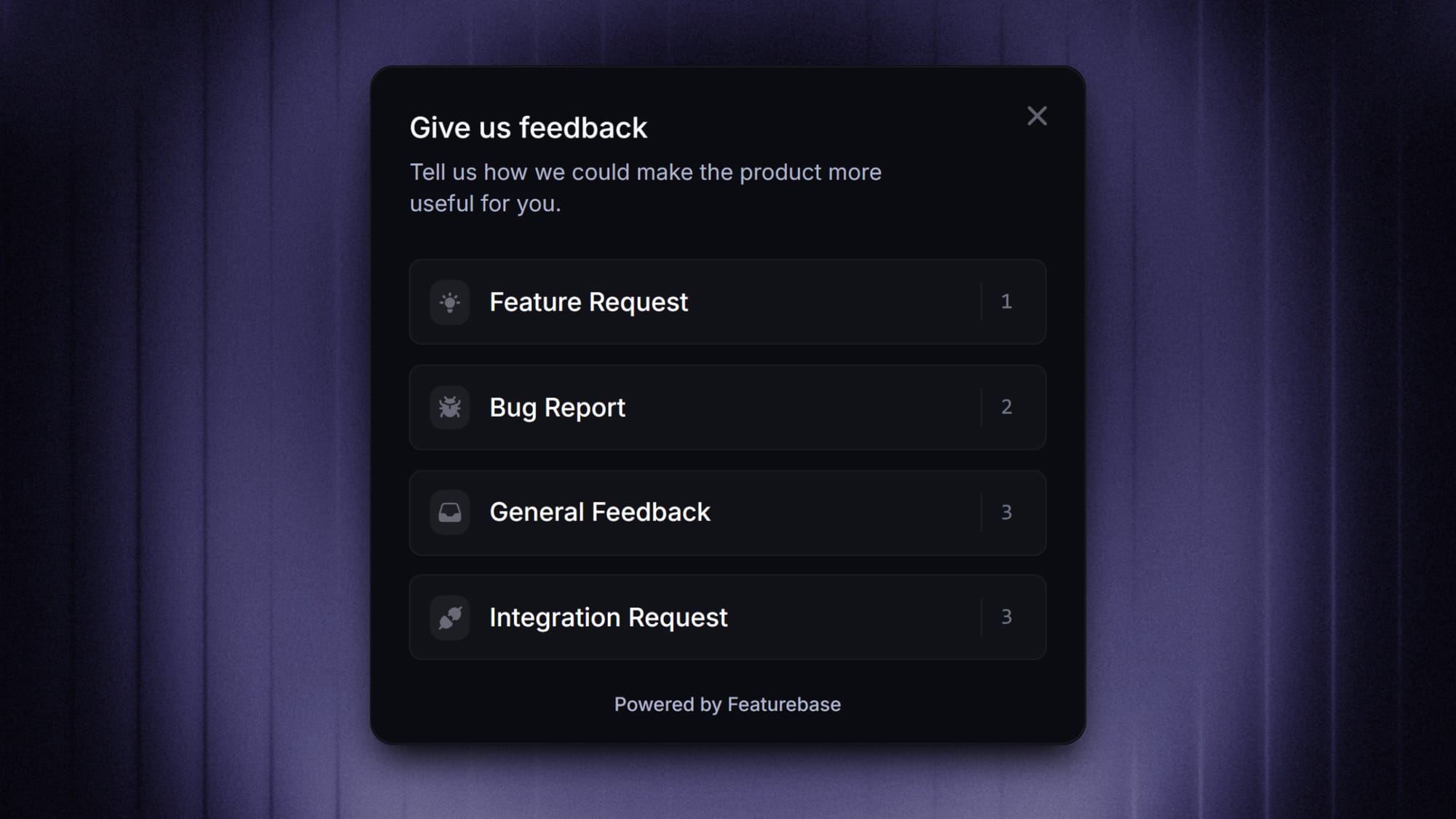
- No feedback loop: if you're not capturing what customers think across channels, you're optimizing blind. Tie feedback collection into the same system.
Avoid these and you're already ahead of most teams still treating "omnichannel" as a synonym for "we're on a lot of channels."
Conclusion
Omnichannel customer engagement isn't about being on every channel. It's about connecting the ones your customers use into a single, continuous conversation, so context follows them and no one has to start over.
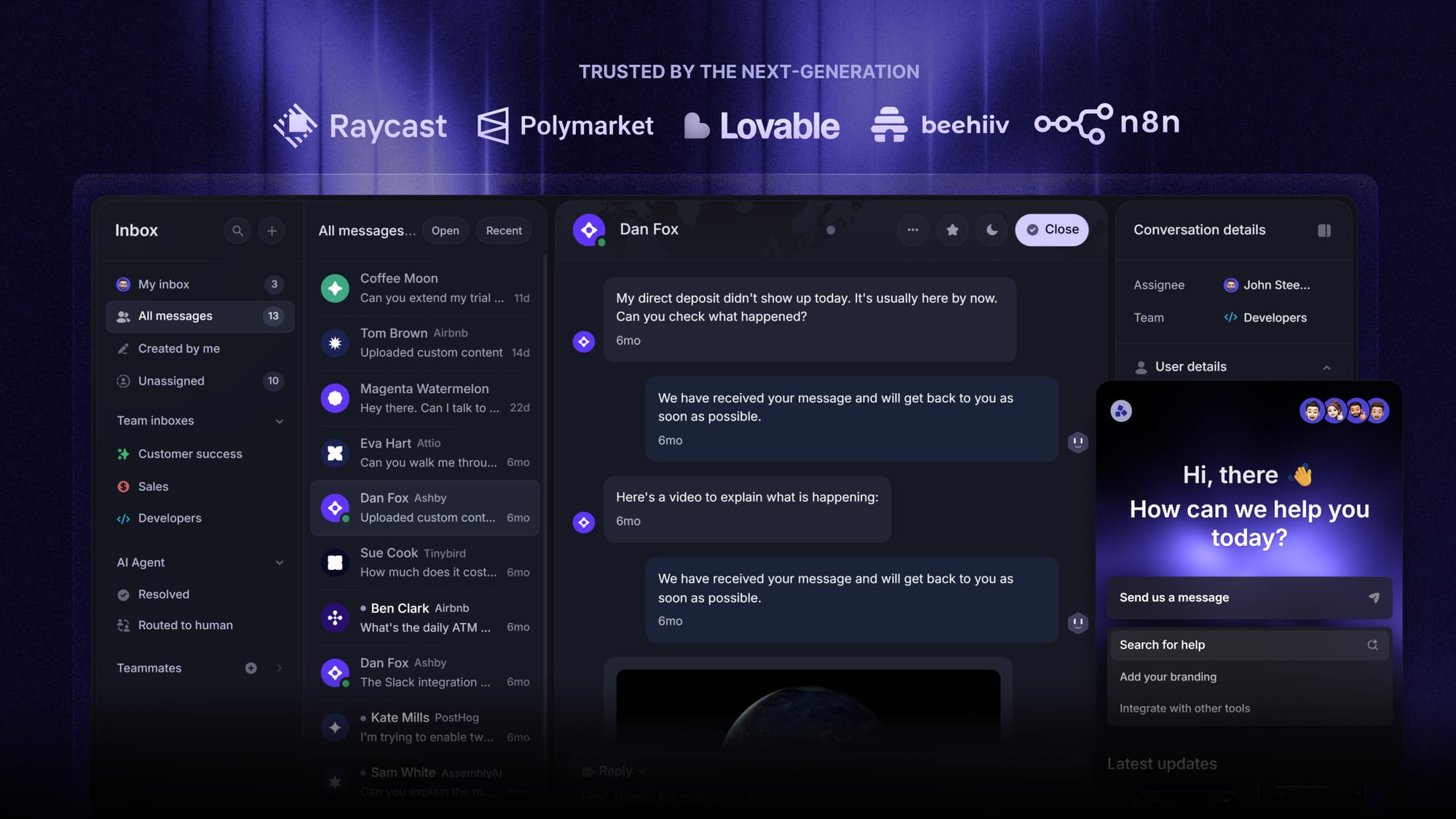
Featurebase is a modern, AI-powered support and engagement platform that brings live chat, email, and Slack into one omnichannel inbox, pairs it with an AI-powered help center for self-serve answers, and ties feedback, surveys, and product updates to the same customer record. So every channel shares one brain, not five disconnected tools.
It comes with a Free plan and unlimited conversations, and onboarding takes minutes, so there's no downside to trying it. 👇
✨ Automate your support with the fastest AI-enhanced Inbox today →
FAQs
What are the four C's of omnichannel customer engagement?
The four C's are commonly framed as consistency, continuity, convenience, and context. Consistency means your brand and information look the same everywhere. Continuity means a conversation can pick up where it left off on any channel, convenience means customers reach you however they prefer, and context means each interaction carries the customer's history with it.
What's an example of omnichannel customer engagement?
A shopper browses a product on their phone, adds it to a cart, then finishes the purchase on a laptop with the cart still intact. Later they ask a question in live chat, and when they follow up by email, the agent already sees the chat history and the order. Every step connects, so the customer never repeats themselves. Retail, banking, and SaaS all run versions of this.
How does AI improve omnichannel customer engagement?
AI ties the channels together and scales them. It unifies customer data so every interaction is personalized, routes conversations to the right agent or answer, and powers AI support agents that resolve common questions instantly on any channel, day or night. That frees human agents for the conversations that actually need them.
What industries benefit most from omnichannel customer engagement?
Any business where customers use multiple touchpoints benefits, but the biggest gains show up in retail and ecommerce, SaaS, financial services, healthcare, and hospitality. These industries have long, multi-step customer journeys where a single dropped handoff directly costs revenue or trust.
What are the risks of not adopting an omnichannel approach?
The main risks are churn and lost revenue. When channels don't connect, customers repeat themselves, wait longer, and get inconsistent answers, which chips away at trust. You also lose visibility, because fragmented data across tools makes it hard to see the full customer or spot problems early.
What tools do you need for omnichannel customer engagement?
At minimum you need a way to unify customer data and a hub where conversations from every channel come together. Many teams pair a CDP or engagement platform for the data layer with a support tool for conversations. Featurebase combines the conversation side - an omnichannel inbox, help center, feedback, and product updates - on one customer record, so smaller teams can run omnichannel engagement without assembling a large stack.