20 Best Customer Service Books to Read in 2026
A role-organised list of 20 customer service books for agents, team leads, managers, and CX leaders. Pick one based on your seat, read it this month, change something on Monday.


On this page
- How we picked these 20 books
- Books for frontline customer service agents
- Books for customer service team leads and trainers
- Books for customer service managers
- Books for CX leaders and executives
- Books for the modern, AI-era support era
- The 20 books at a glance
- How to turn one book into a better support process
- Conclusion
Automate your customer service with the fastest AI-enhanced Inbox today
Most customer service reading lists are flat dumps of 15+ titles with no map from "I have 30 minutes this weekend" to "this is the book I should actually read."
That's not useful. The book a brand-new agent should read first is not the book a CX VP needs in their hand before a board meeting. So we've sorted these 20 by your seat: frontline agent, team lead, manager, CX leader, or modern-era reader.
Pick one section, pick one book, start there. 👇
Key takeaways:
- The single most universally useful customer service book in 2026 is Unreasonable Hospitality by Will Guidara. If you only have time for one, read it.
- Modern reading lists organise by role, not by alphabetical order. Frontline agents, team leads, managers, and executives need different books.
- Customer service books and customer success books are two halves of the same playbook in small teams. Read across both genres based on the problem you're solving.
- Frameworks like the 5 C's, 7 C's, and the 10/5/3 rule pair well with these books as on-the-floor checklists. We cover them in the FAQ.
- Books teach the philosophy, but you still need a tool to apply the lessons. Featurebase✨ is the modern AI-powered customer support platform that operationalizes what most of these books are arguing for.
How we picked these 20 books
Three filters. First, does the book hold up in 2026? AI-augmented support has reshaped the landscape, so we cut anything that reads as dated without a fresh lens.
Second, does the book translate into action? A book that's only quotable but doesn't change what you do on Monday didn't make the list.
Third, does it earn its slot in a specific role? Each book is here because it solves a real problem for one of the five readers below, not because it's famous.
The result is 20 titles across 5 sections of 4. Read your section first.
Books for frontline customer service agents
These four books are for anyone who handles customer conversations directly. They explain the why behind great service, which is what turns "this is my job" into "this is how I want to do my job."
1. Unreasonable Hospitality by Will Guidara (2022)
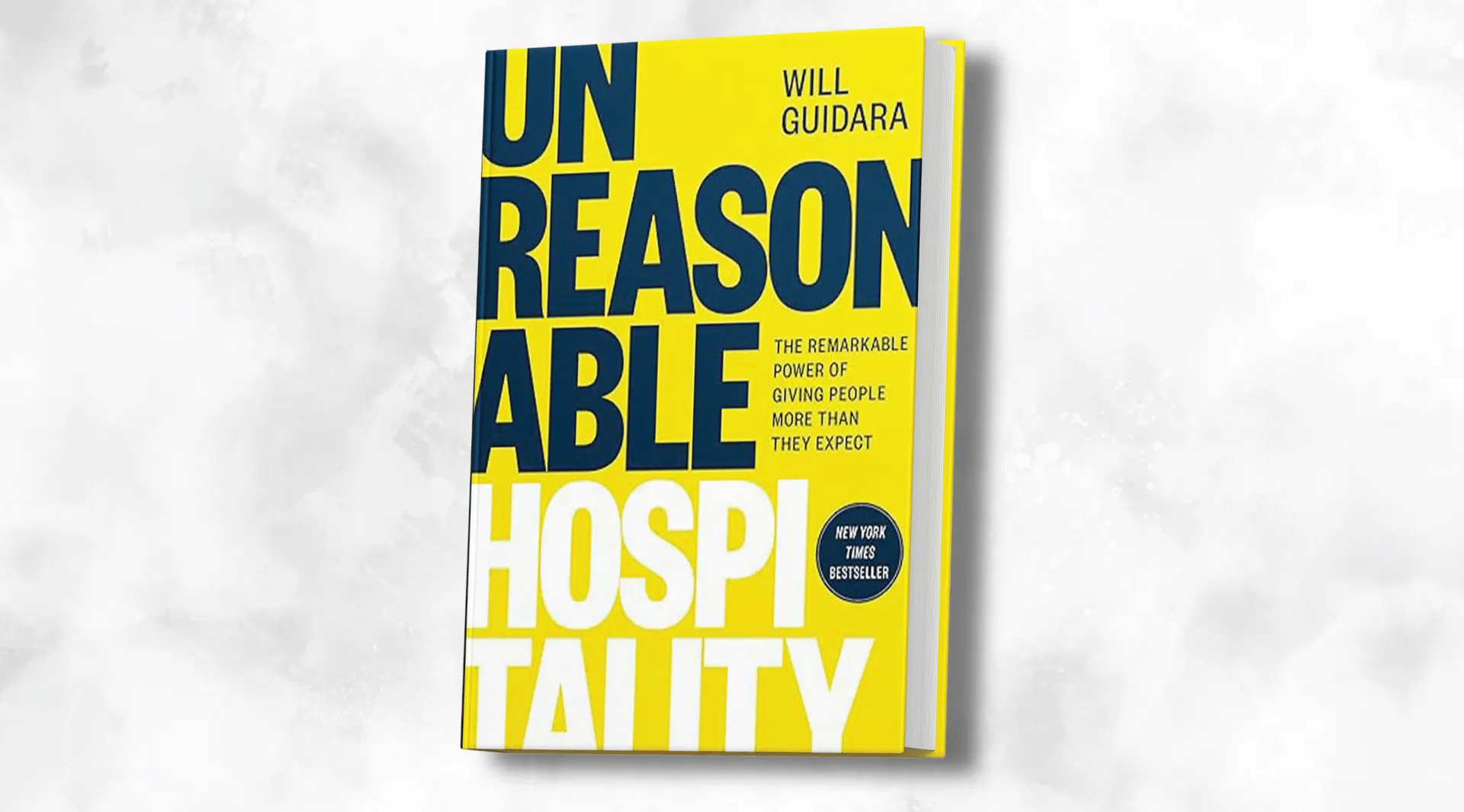
Will Guidara ran Eleven Madison Park to a No. 1 ranking on the World's 50 Best Restaurants list, and this book is the playbook he used. His central idea is the 95/5 rule: be 95% efficient and 5% magical, and the 5% is where loyalty is made.
The book isn't about hospitality the industry, it's about hospitality the discipline. Noticing the small thing a customer mentioned. Acting on it before they ask. Making memories in the moments between the moments.
Best for: any customer-facing professional who wants to create memorable experiences without rewriting their entire process.
2. Be Our Guest by Theodore Kinni (The Disney Institute)
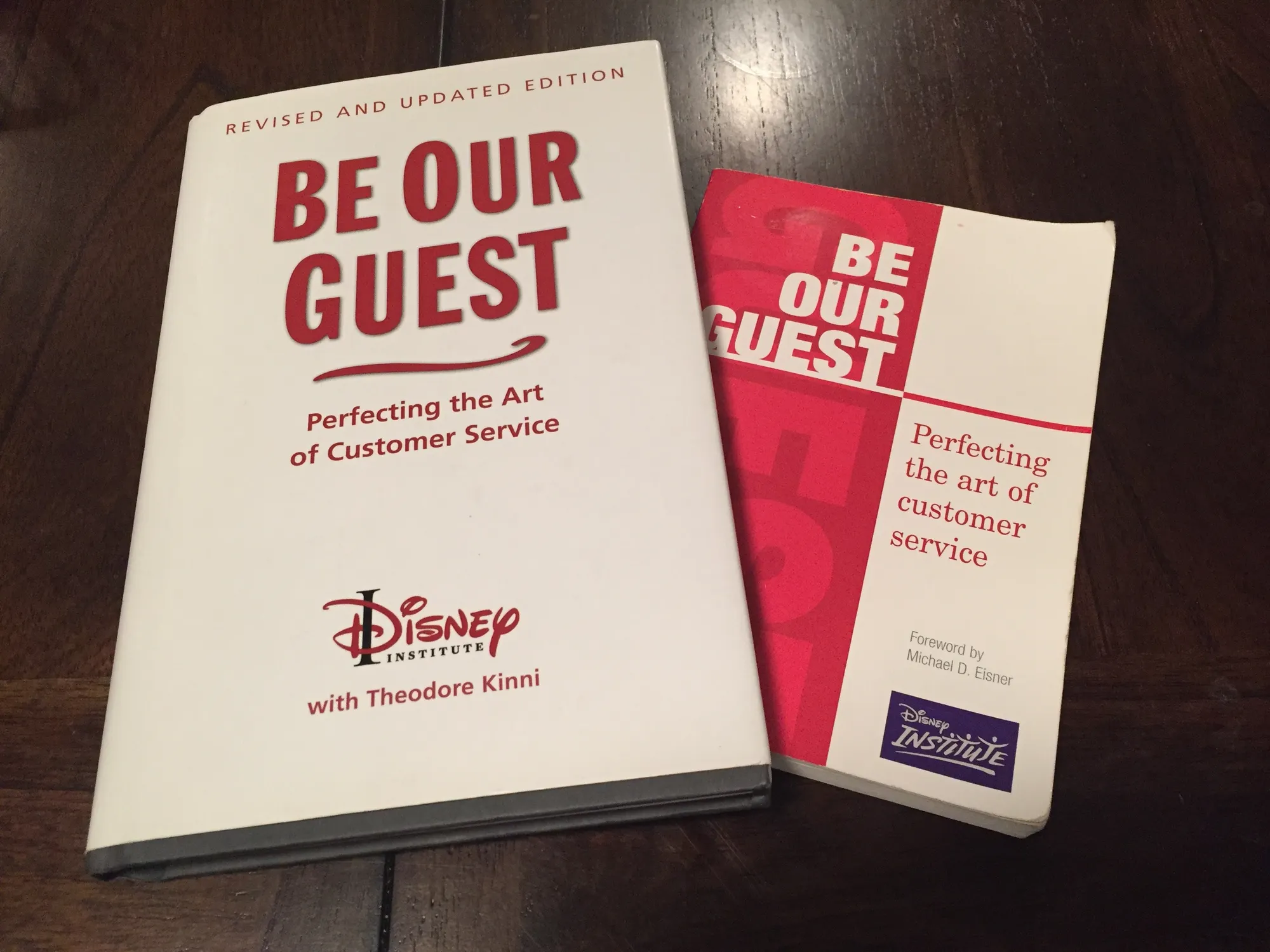
Disney has been teaching customer service to executives from other industries for decades, and this book is the condensed version. The argument: customer experience is every interaction, not just how the support team answers the phone. Everything speaks.
You'll take away the discipline of treating every touchpoint as part of the same experience, and a clear view of how systems (not heroics) deliver consistency at scale.
Best for: frontline agents and hospitality professionals who want the philosophy of consistent service, drilled with concrete Disney examples.
3. Hug Your Haters by Jay Baer
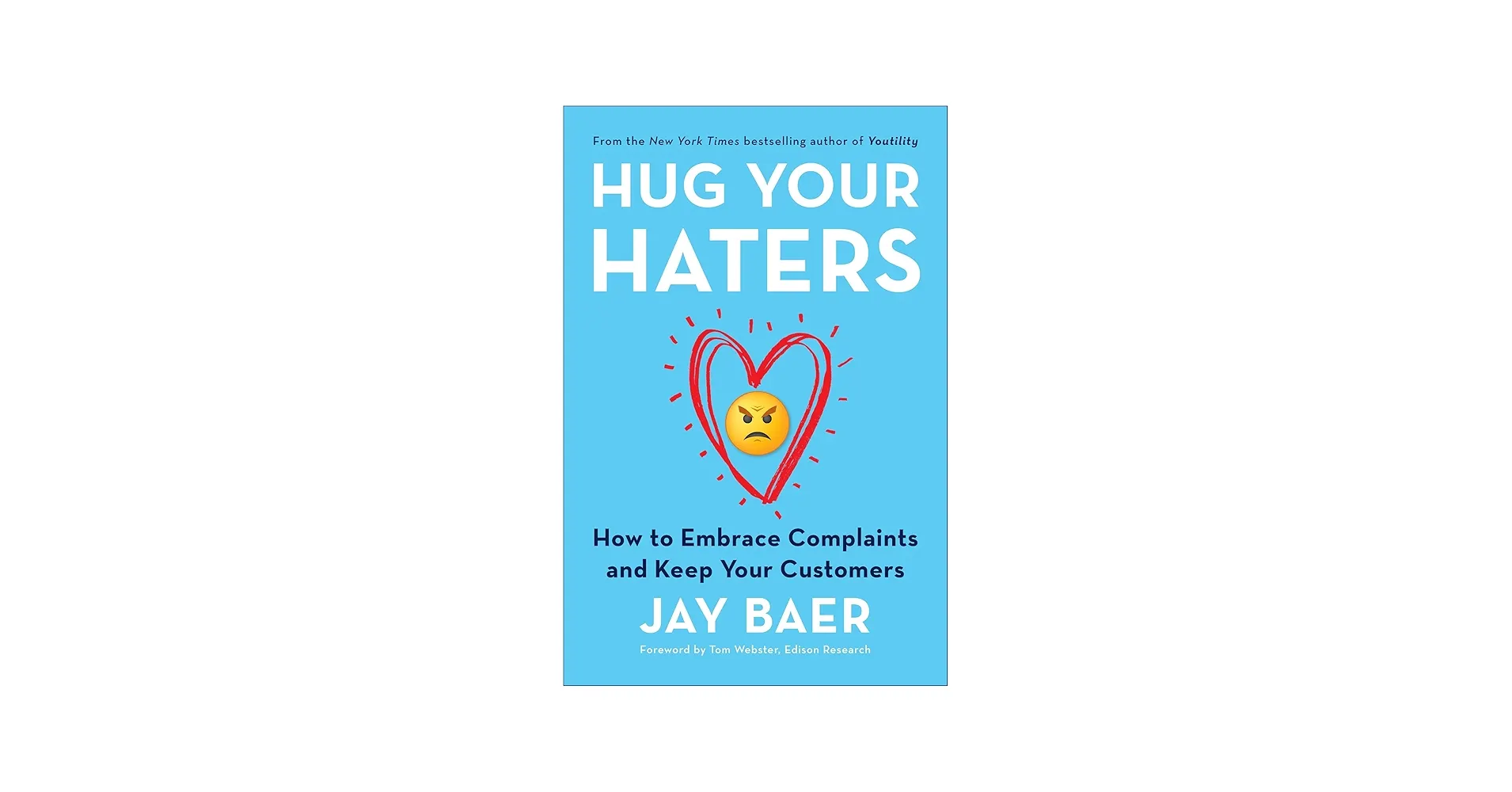
Jay Baer's two-hater framework cuts through the noise around complaints. Onstage haters complain in public (social media, G2, LinkedIn). Offstage haters complain in private (email tickets, in-app chat). Each channel needs a different response system, but most teams use a single playbook for both.
The book is short and actionable. Read it the week your CEO forwards you a screenshot of a tweet asking why your support team kept missing the point.
Best for: frontline agents, social media support, anyone who handles complaints in any channel.
4. You're Not Listening by Kate Murphy
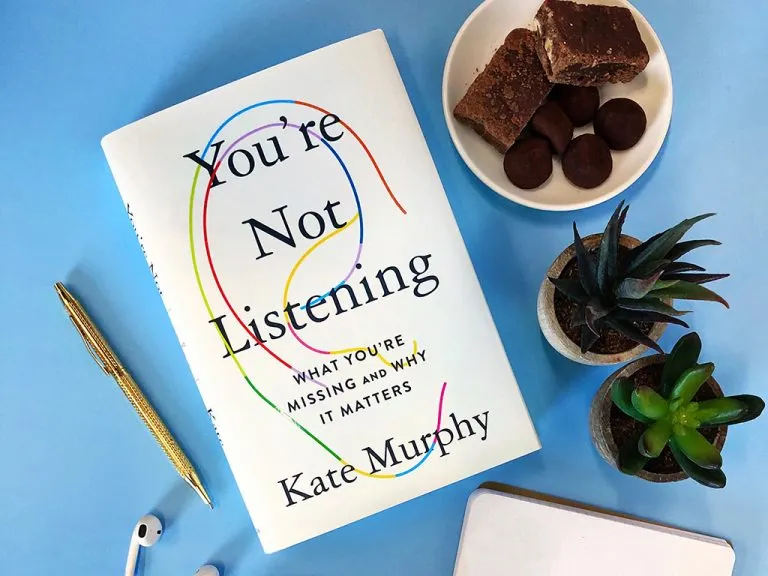
Kate Murphy is a journalist, not a customer service consultant, and that's why this book belongs on the list. She makes the case that listening has decayed even as communication tech has exploded, and that the people who listen well now have a disproportionate advantage.
The lessons land hard for support work. Active listening is not "let me repeat that back to you", it's understanding the problem under the problem before you reach for a script.
Best for: anyone who wants to be better at the hardest part of customer service, which is hearing what the customer actually meant.
Books for customer service team leads and trainers
These four translate directly into team exercises, training programs, and operational frameworks. Read one of these and you'll have a concrete change to run in your next team meeting.
5. The Service Culture Handbook by Jeff Toister
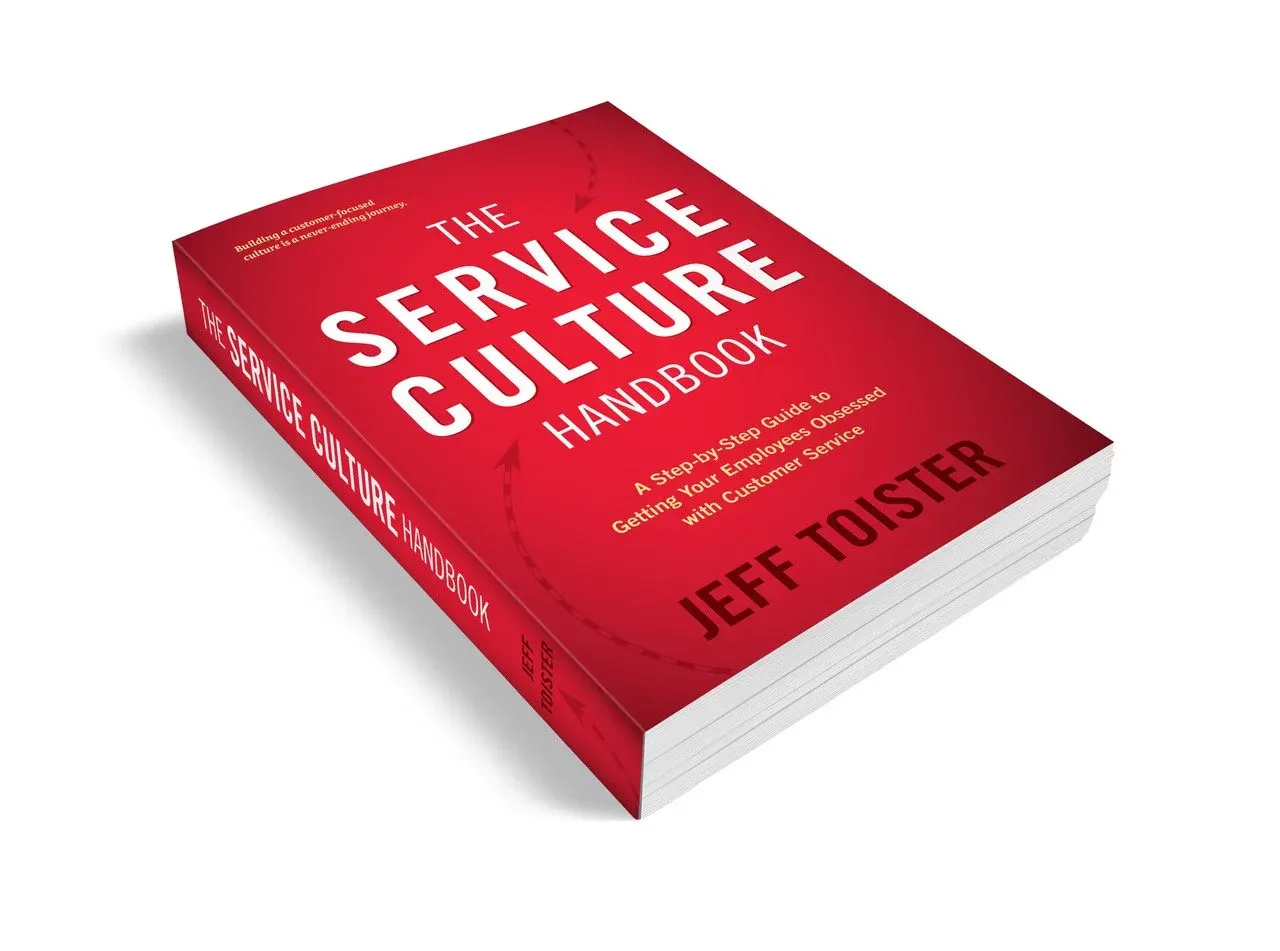
Jeff Toister wrote the most practical, training-program-ready customer service book in print. It's structured as a step-by-step guide with exercises you can run with your team next Tuesday.
The book defines a service culture as the set of beliefs and behaviors a team consistently demonstrates, then walks through how to build, audit, and reinforce that culture over time. If you've just hired your second or third agent, this is the book that turns the next hire into a pattern instead of a one-off.
Best for: team leads and customer service trainers building or refreshing a service culture from the ground up.
6. The Effortless Experience by Matthew Dixon, Nick Toman, Rick DeLisi
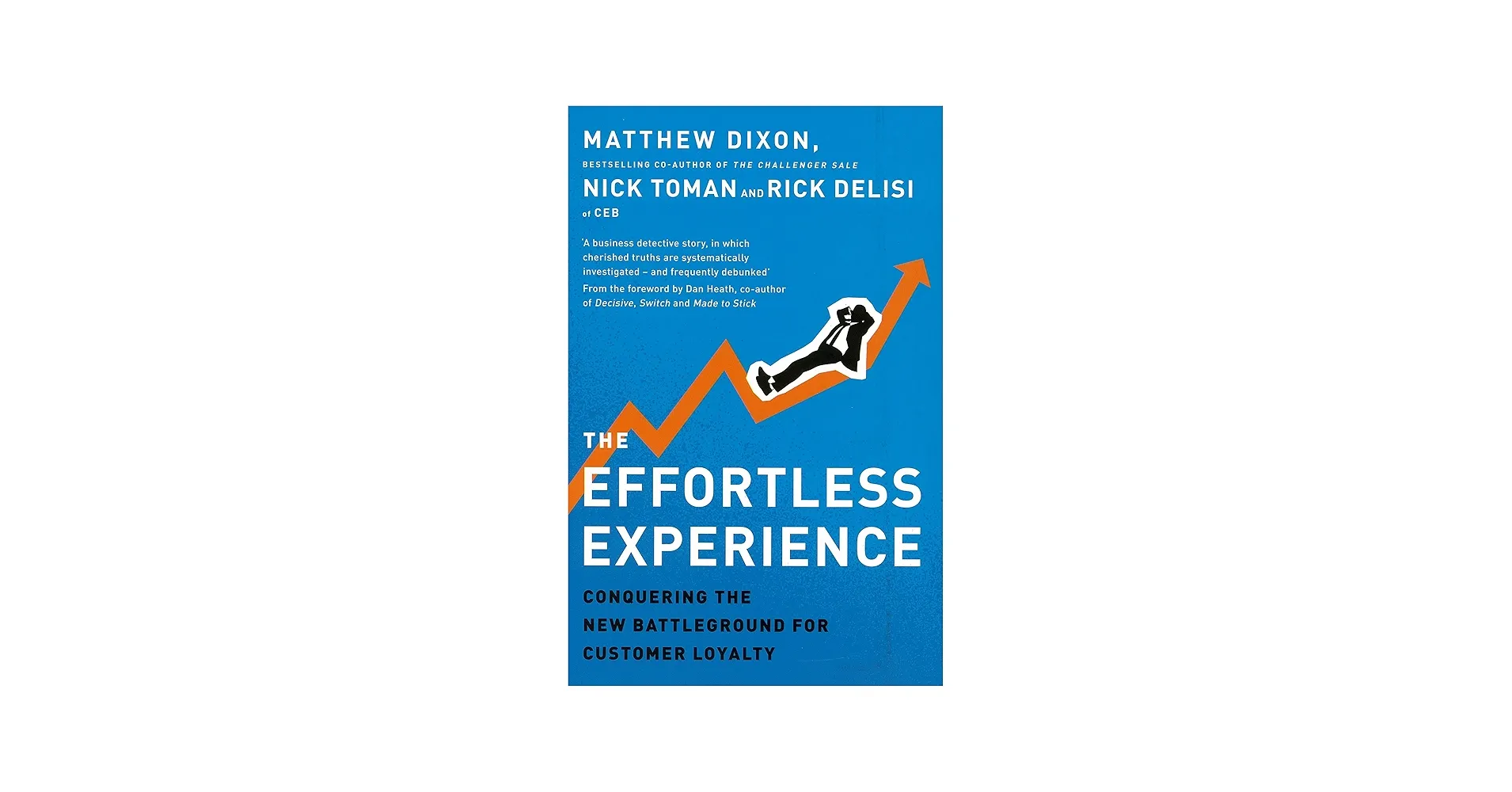
Based on research from CEB (now Gartner) covering more than 75,000 customers, this book quietly killed the "delight your customers" school of customer service. The finding: 96% of customers who had high-effort interactions became disloyal, versus only 9% of those whose interactions felt low-effort.
Going above and beyond barely moves loyalty. Reducing effort moves it a lot. The Customer Effort Score (CES) framework and the four pillars of low-effort experience are the academic foundation under every modern support metric.
Best for: team leads and managers who want a data-backed case for reducing friction over adding wow moments.
7. The Best Service is No Service by Bill Price & David Jaffe
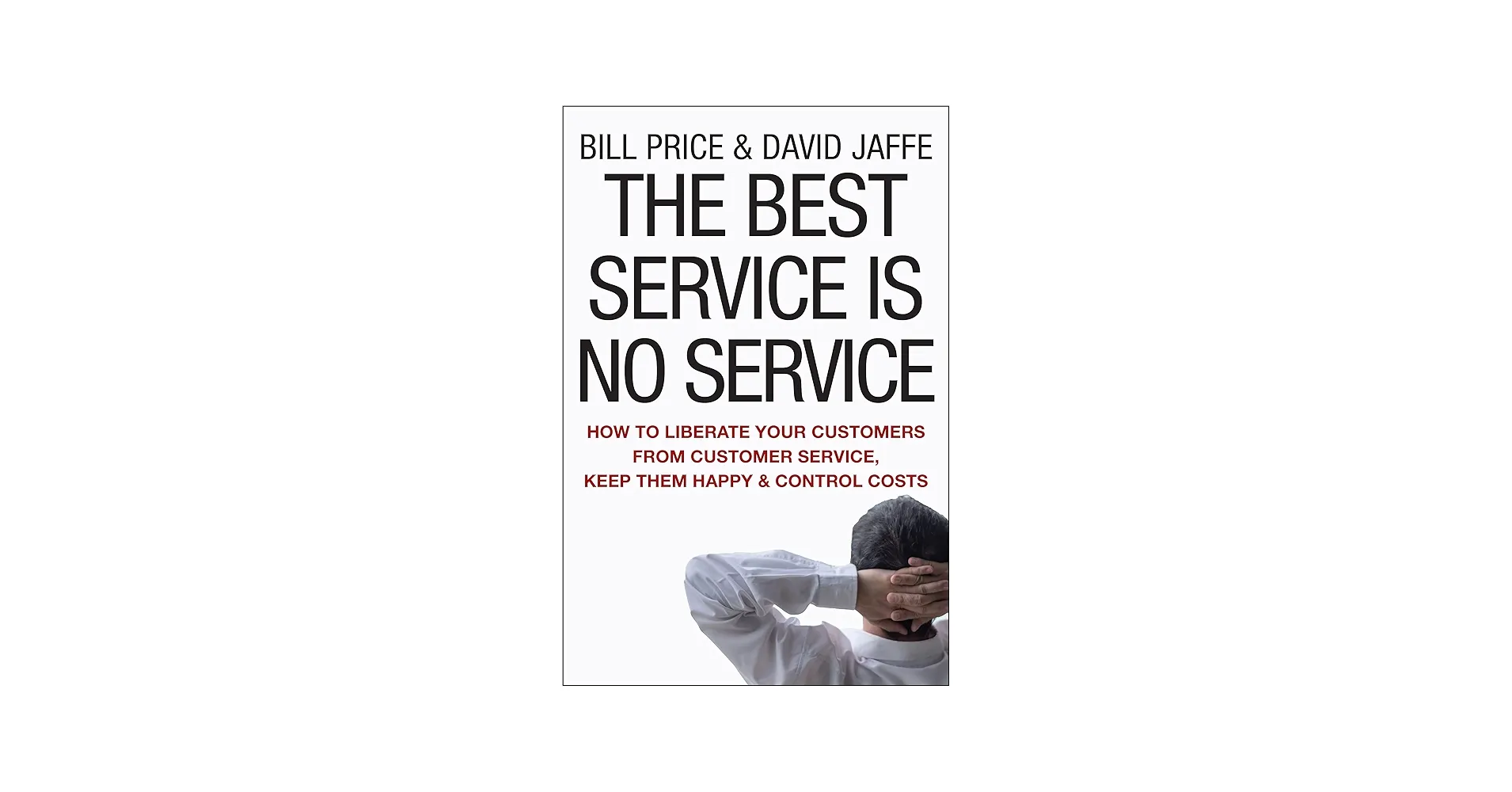
Bill Price was Amazon's first global VP of customer service. The book's thesis is sharp: every customer contact represents a failure upstream somewhere, and the goal of a great support operation is to prevent contacts, not just resolve them faster.
The Value-Irritant matrix and the "dumb contacts" framework are the operational backbone behind every modern AI deflection strategy. Tools like Featurebase and its Fibi AI agent are essentially the modern customer service automation of what Price and Jaffe argued for in 2008: identify which contacts shouldn't exist, eliminate them upstream, and let automation handle the ones that remain.
Best for: operations managers and team leads whose ticket volume is climbing faster than headcount can.
8. The Power of Moments by Chip & Dan Heath
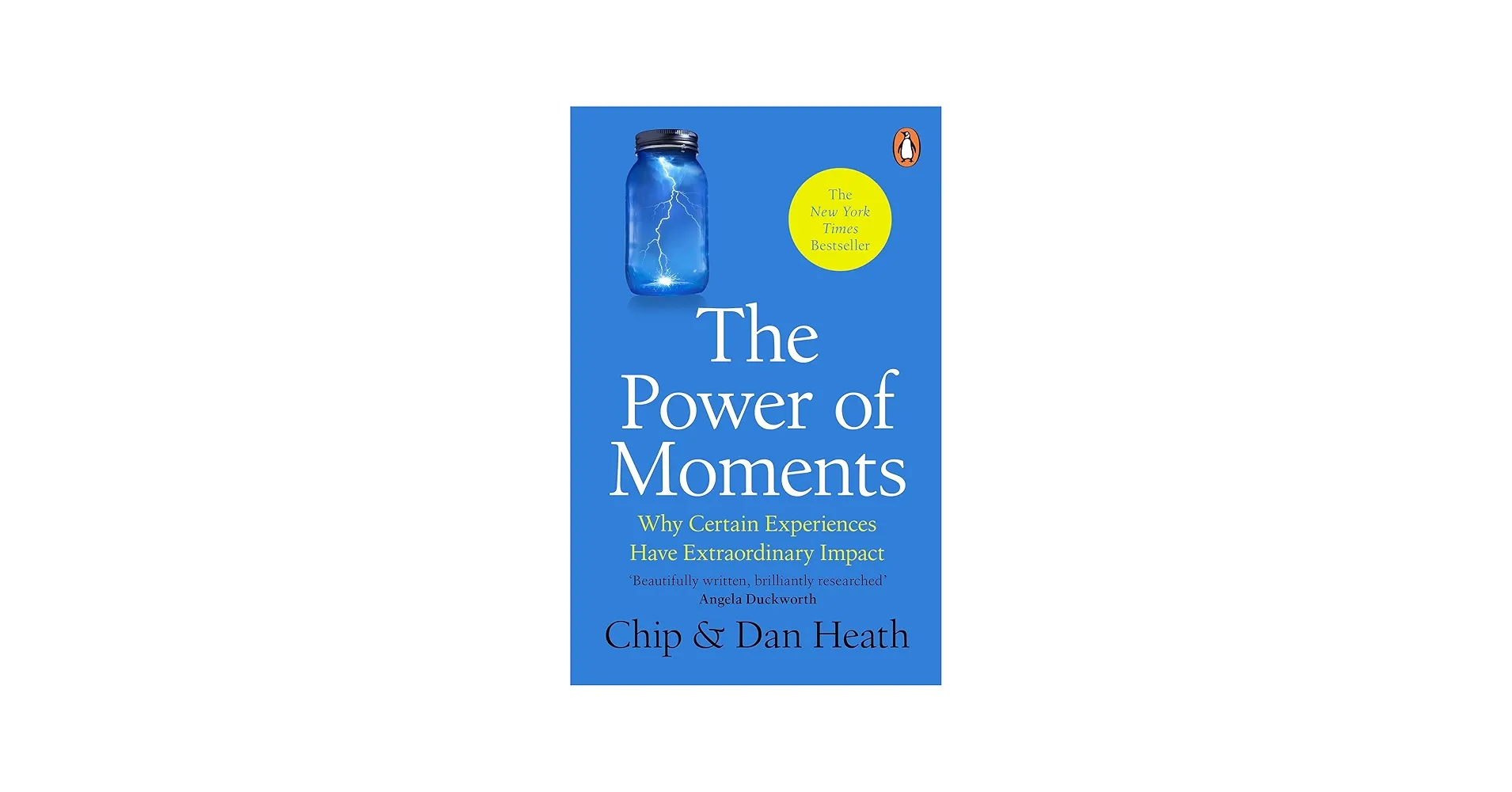
The Heath brothers identify four elements that make a moment memorable: elevation, insight, pride, and connection. The book is built around consumer examples, but the framework lands cleanly on support work, especially onboarding.
The moment a new customer realises your product is going to work for them is the most important interaction in the entire lifecycle. If you're rebuilding onboarding emails, first-week playbooks, or activation sequences, this book is the design rubric.
Best for: team leads and trainers designing onboarding flows or rebuilding first-week customer experiences.
Books for customer service managers
These four bridge tactical delivery and strategic thinking. They help you build teams, set standards, measure what matters, and make the case for CX investment to your leadership.
9. The Customer Service Revolution by John DiJulius
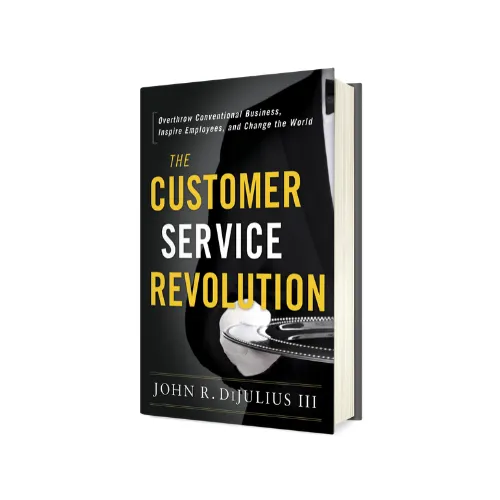
John DiJulius argues that exceptional customer service is a pivotal competitive advantage, not a cost line item. Drawing on his work with John Robert's Spa, he shows how transforming the employee experience ripples directly into customer satisfaction.
The book is particularly strong on the internal customer angle. Well-trained, motivated teams deliver outstanding experiences consistently. Under-supported teams do not.
Best for: customer service managers who want a clear case for why investing in your team is the highest-leverage move you can make.
10. The Customer Rules by Lee Cockerell
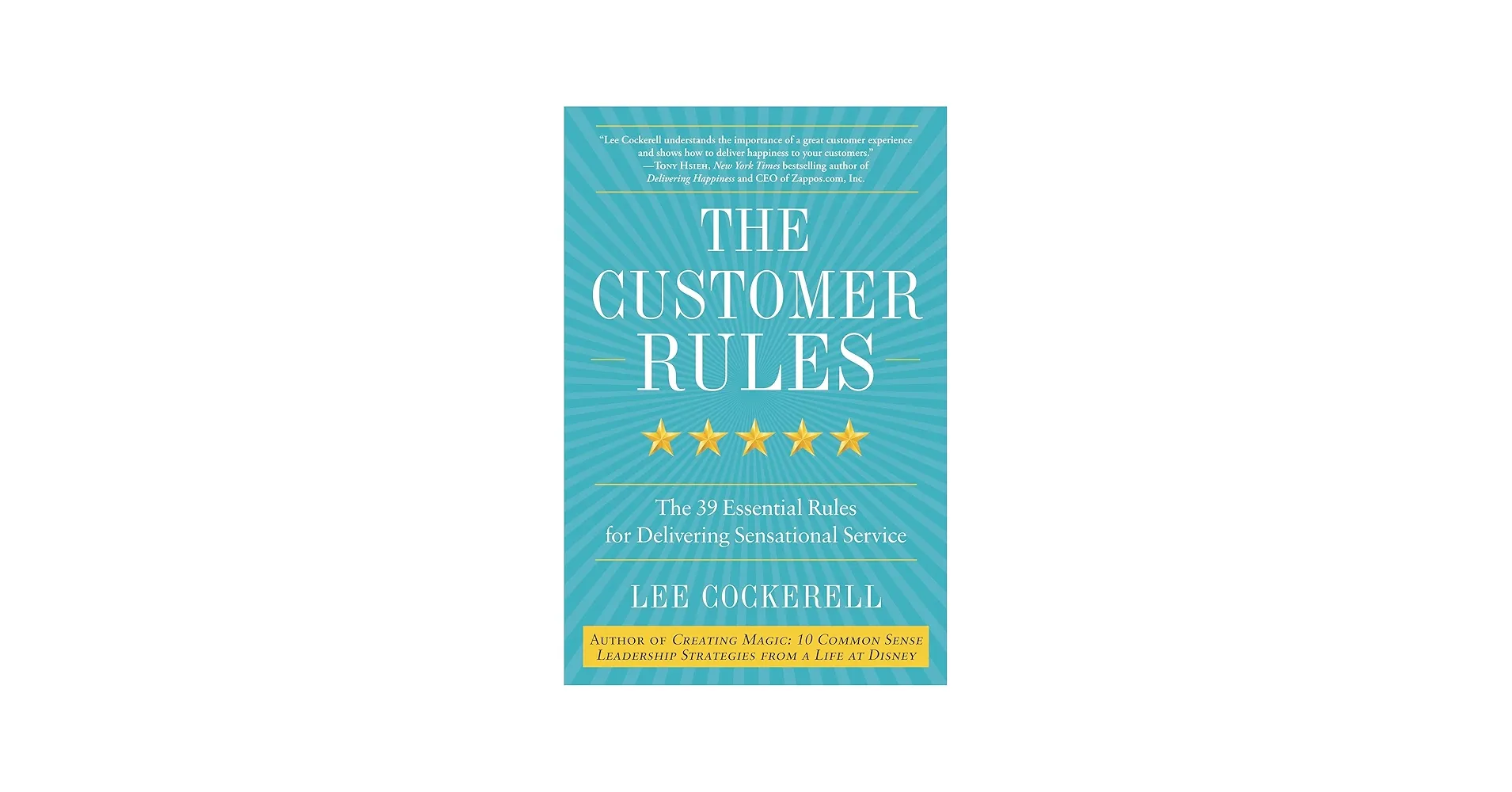
Lee Cockerell spent a decade as Executive Vice President of Operations at Walt Disney World. The book distills 39 short rules for delivering sensational service, each one self-contained and actionable.
The format is its strength. Read one rule a day with your team, run a 5-minute discussion, repeat for 39 days. Few books give you a complete coaching curriculum in 39 chapters that average two pages each.
Best for: team leaders and managers who want practical, memorable standards their team can follow daily.
11. Customer Satisfaction is Worthless, Customer Loyalty is Priceless by Jeffrey Gitomer
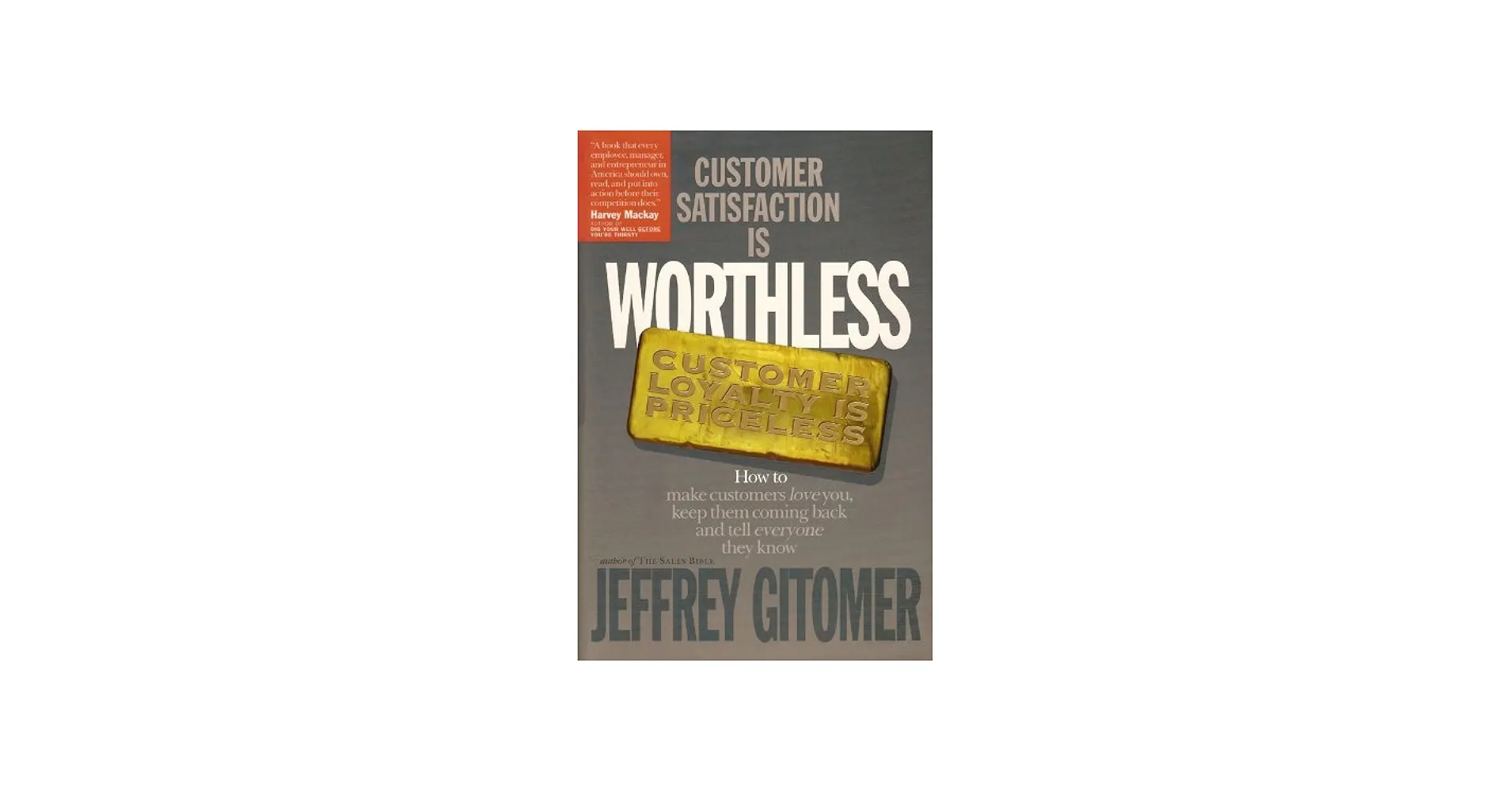
The title is the thesis. A satisfied customer will leave you the moment a competitor offers them something slightly better. A loyal customer won't.
Jeffrey Gitomer's book is the antidote to obsessing over CSAT scores. He makes the case for what to measure instead, and how to design service that earns repeat purchases and referrals.
Best for: managers who are tired of explaining why their CSAT is 4.7/5 and revenue is still flat.
12. What Customers Hate by Nicholas Webb
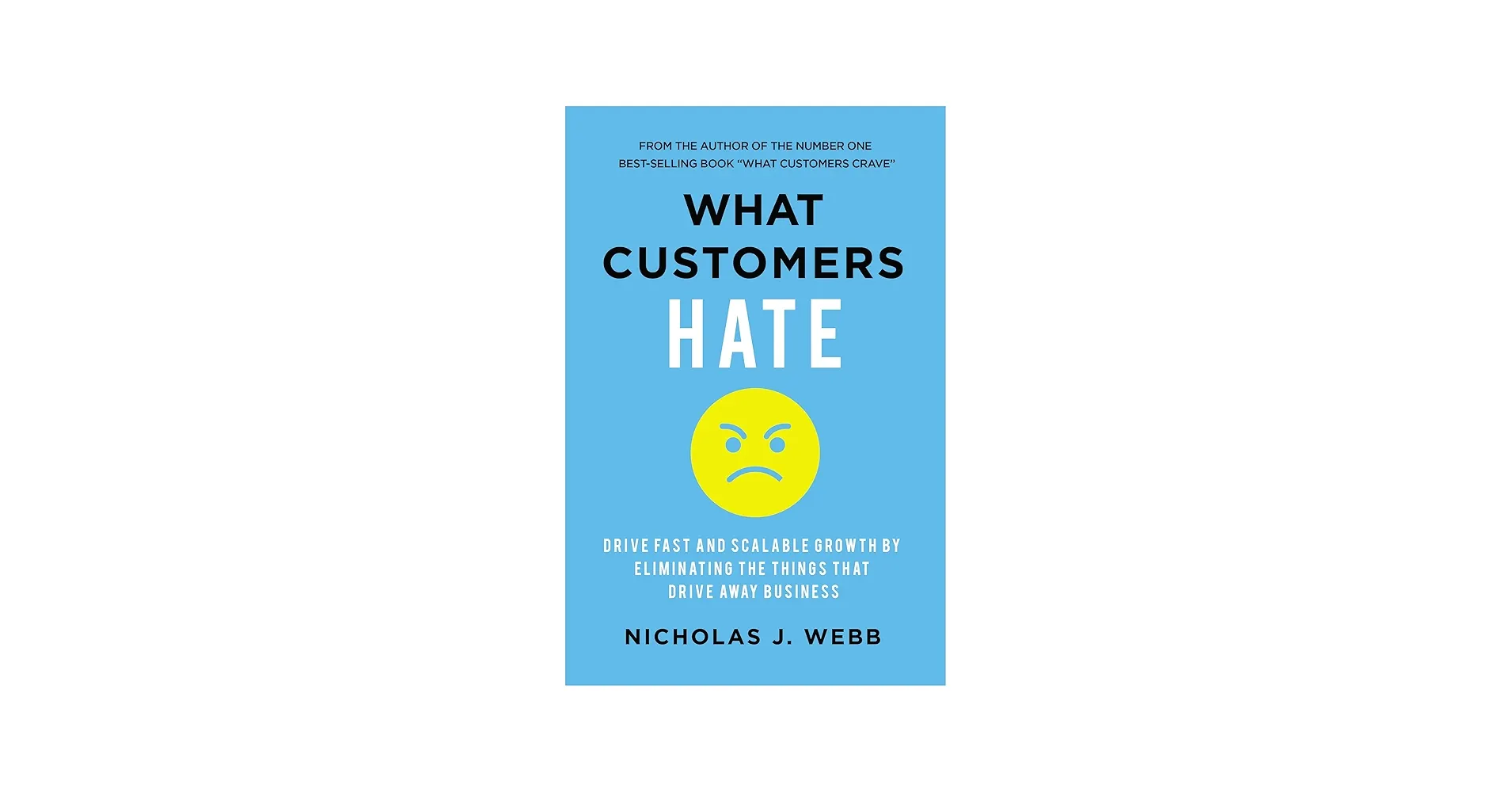
Nicholas Webb flips the usual customer experience question. Don't ask what would delight your customers. Ask what they currently hate, then eliminate it.
The book is full of practical, immediately actionable methods for identifying friction in the customer experience and removing it. Webb's view is that customer experience is a strategic innovation engine, not a complaints department.
Best for: managers and B2B / B2C operators who want a friction-removal playbook for the next quarter.
Books for CX leaders and executives
If you're responsible for customer experience at an organisational level, these four challenge your assumptions and arm you with the strategic frameworks you need at the board level.
13. Chief Customer Officer 2.0 by Jeanne Bliss
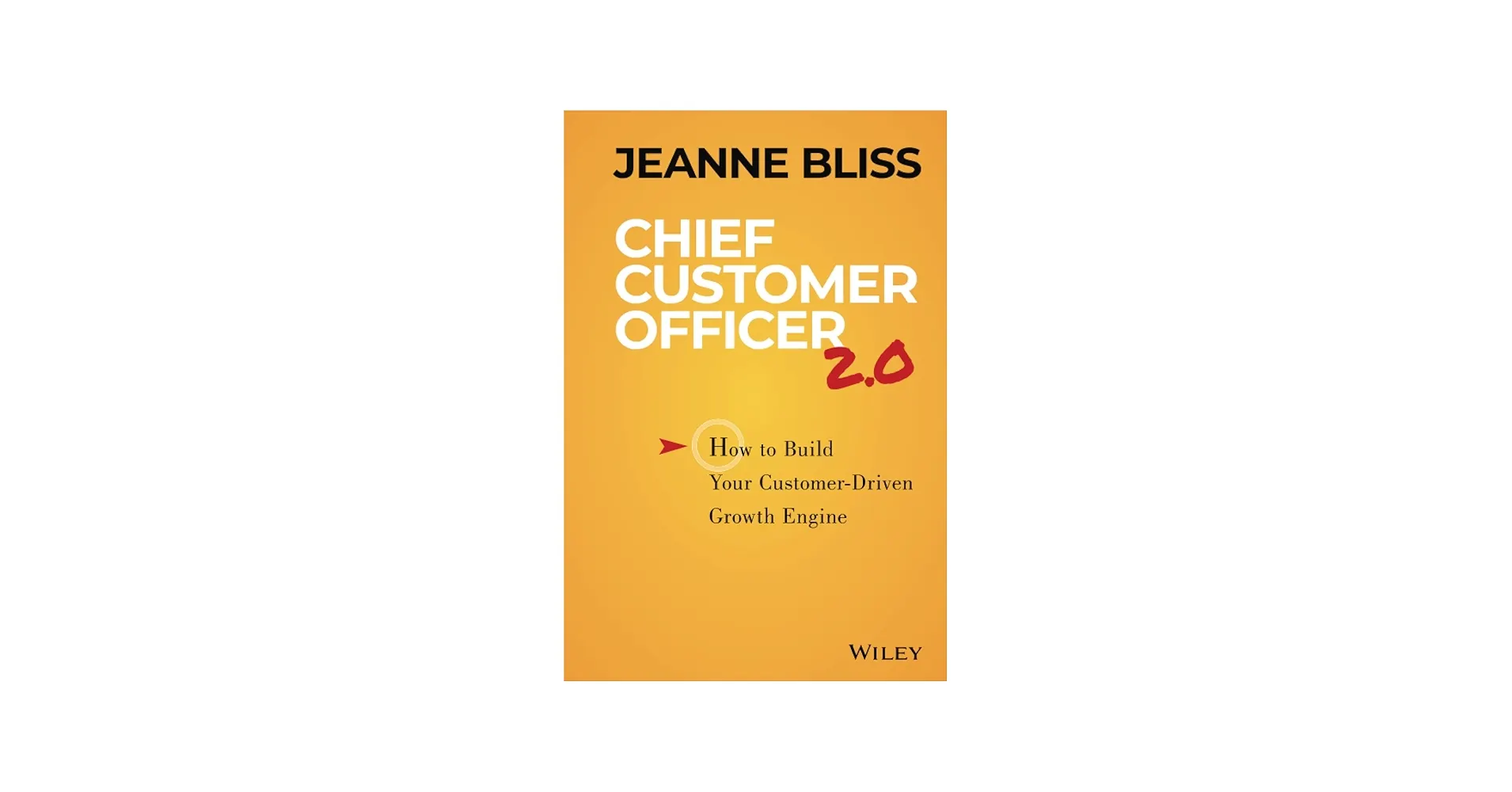
Jeanne Bliss spent 20 years as a Customer Leadership Executive at Microsoft, Mazda, and other large organisations before writing this. The book introduces the Five-Competency Model for building a customer-driven organisation, and it's the strategic framework most support leaders lack when they walk into a board meeting.
The framework moves the conversation from "support is a cost center" to "customer experience is the growth lever." It also gives you the language and structure to make that case to a CFO who thinks in revenue terms, not CSAT scores.
Best for: CX VPs, Chief Customer Officers, and anyone stepping into a senior support role.
14. Delivering Happiness by Tony Hsieh
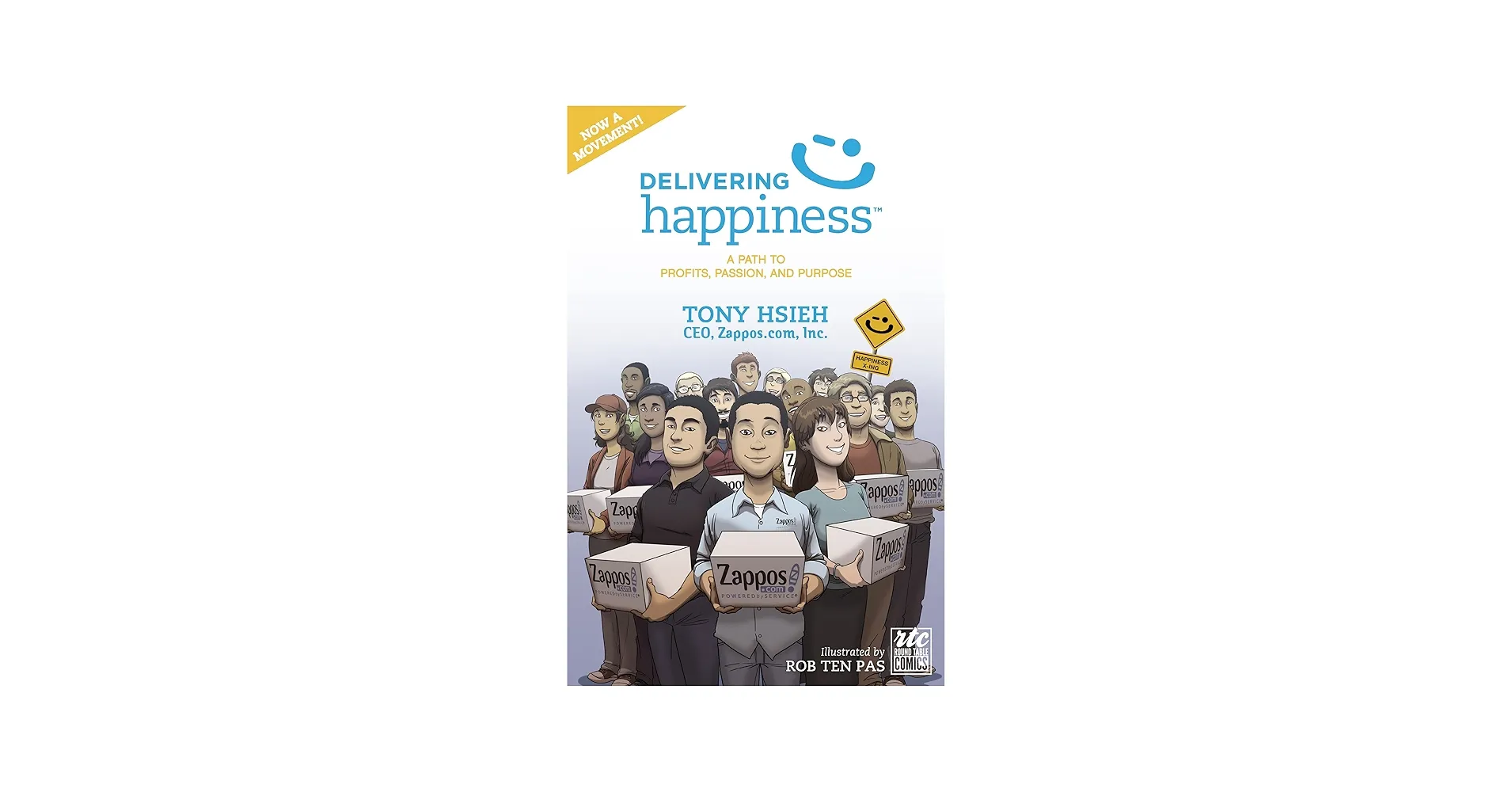
Tony Hsieh's memoir of building Zappos is now a foundational text. The central argument is that culture and brand are two sides of the same coin. If you nail the culture, the customer experience follows on its own.
Read it once for the framing. Zappos was B2C retail at a very different volume from B2B SaaS, but the culture-design principles transfer cleanly. The book is also worth in audiobook form, where Hsieh's voice carries the story.
Best for: founders, CEOs, and CX leaders building the culture that underpins everything else.
15. Customer Success by Nick Mehta, Dan Steinman, Lincoln Murphy
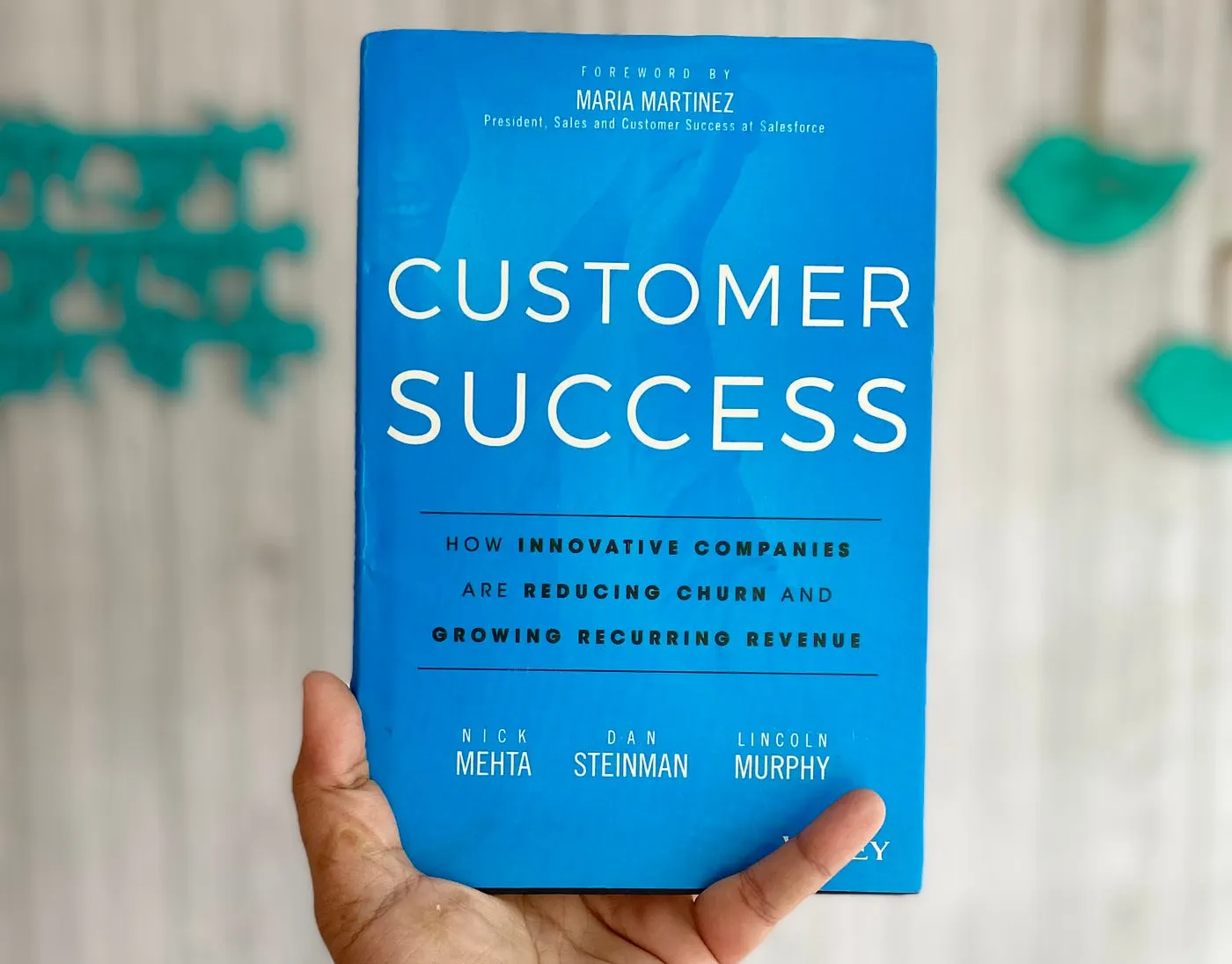
This is the foundational text of the customer success movement, written by Gainsight CEO Nick Mehta with Dan Steinman and Lincoln Murphy. It argues that in subscription businesses the sale is no longer the moment of truth. The relationship after the sale is.
Even if your title says "support" and not "success", read it. It translates support work into ARR retention math, which is the language your CRO and CFO already speak. It's also the book that explains why most modern support teams own a slice of the renewal number.
Best for: support leaders who are starting to own a piece of retention or churn metrics.
16. The Nordstrom Way to Customer Service Excellence by Robert Spector
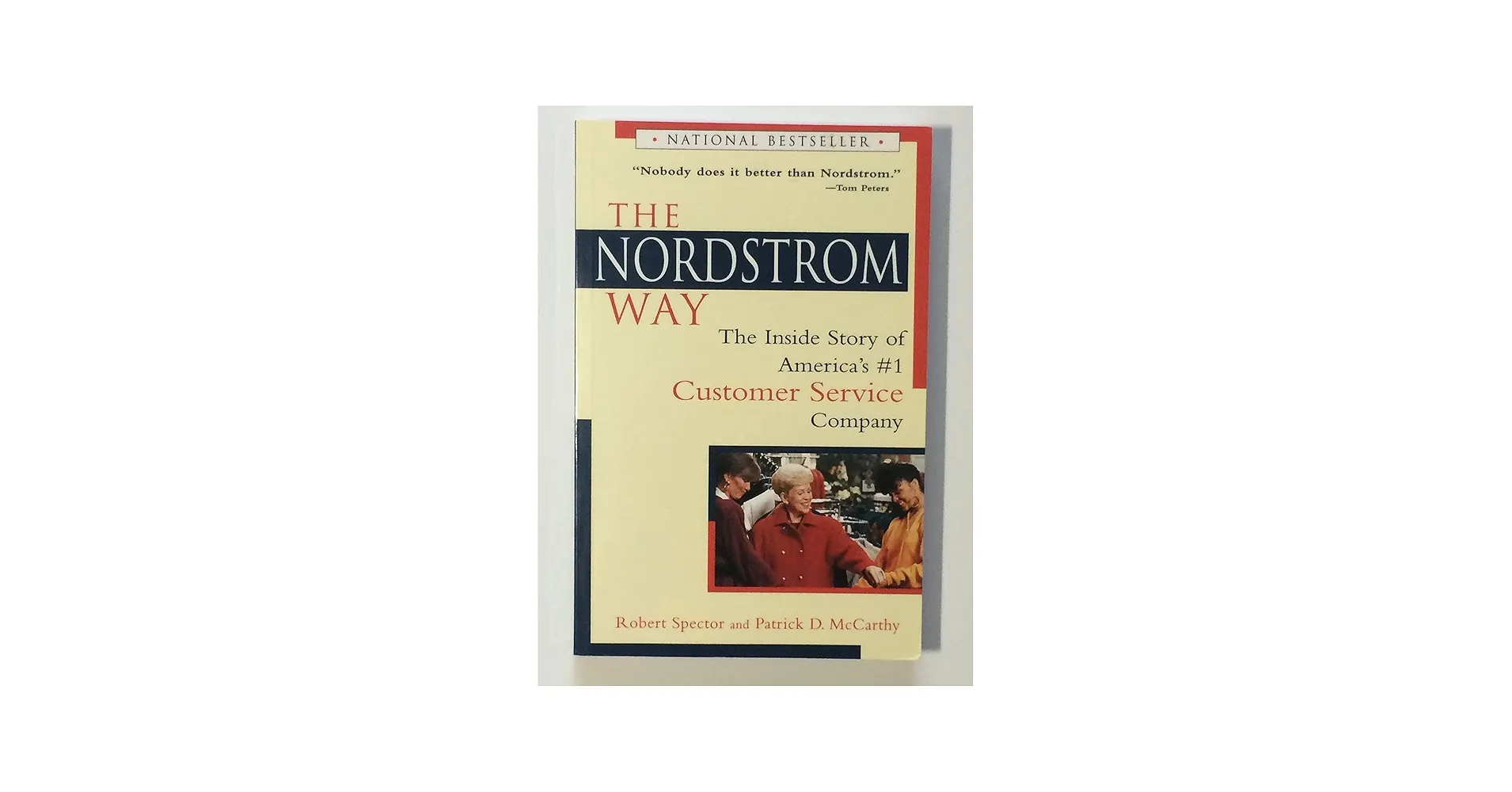
The Nordstrom story is the classic empowerment-driven service culture text. Spector lays out how Nordstrom built one of the most admired service brands in retail by trusting frontline employees to make decisions at the point of contact.
The hospitality and retail examples don't all transfer to B2B SaaS, but the principle of employee empowerment as the engine of customer loyalty does. Read it for the leadership structure, not the floor tactics.
Best for: CX executives and senior leaders embedding service as a strategic advantage at scale.
Books for the modern, AI-era support era
The support landscape shifted dramatically between 2020 and 2026. AI agents went from a curiosity to standard equipment. Salesforce's 2025 State of Service report found that 66% of customer service organisations now use agentic AI, up from 39% the prior year, a 1.7x jump in twelve months.
These four books either define the new landscape or have become newly relevant because of it.
17. Customer-Led Growth by David Jackson (2024)
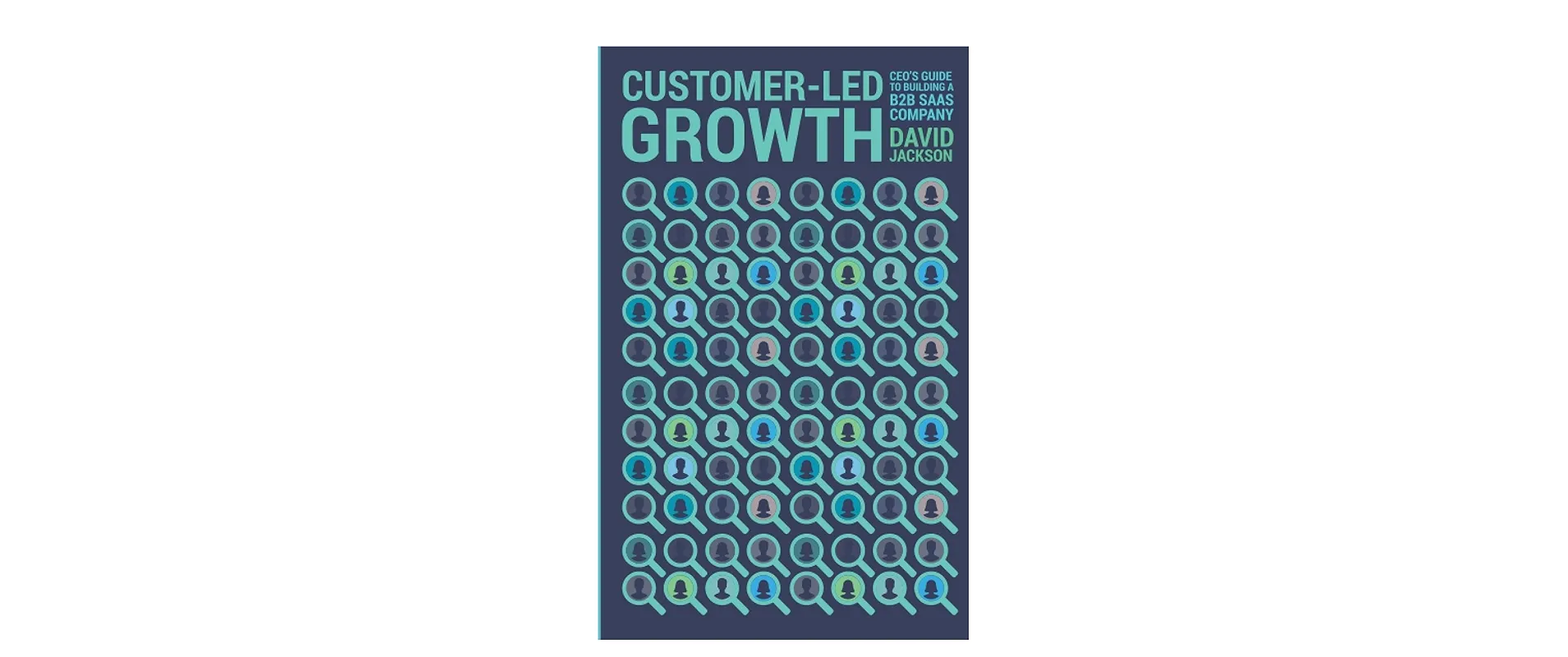
David Jackson wrote this for B2B SaaS CEOs, not for support leaders, and that's why it belongs on this list. The seven principles in the book are the language your CFO and CRO already use when they talk about customer-led growth as a revenue strategy.
When you read it, you stop translating support work into "support language" and start describing it in the terms that get budget approved. The book is also the cleanest articulation of why outcome-based thinking beats activity-based thinking in customer-facing functions.
Best for: support leaders who need to defend or grow their budget at the executive level.
18. Subscribed by Tien Tzuo
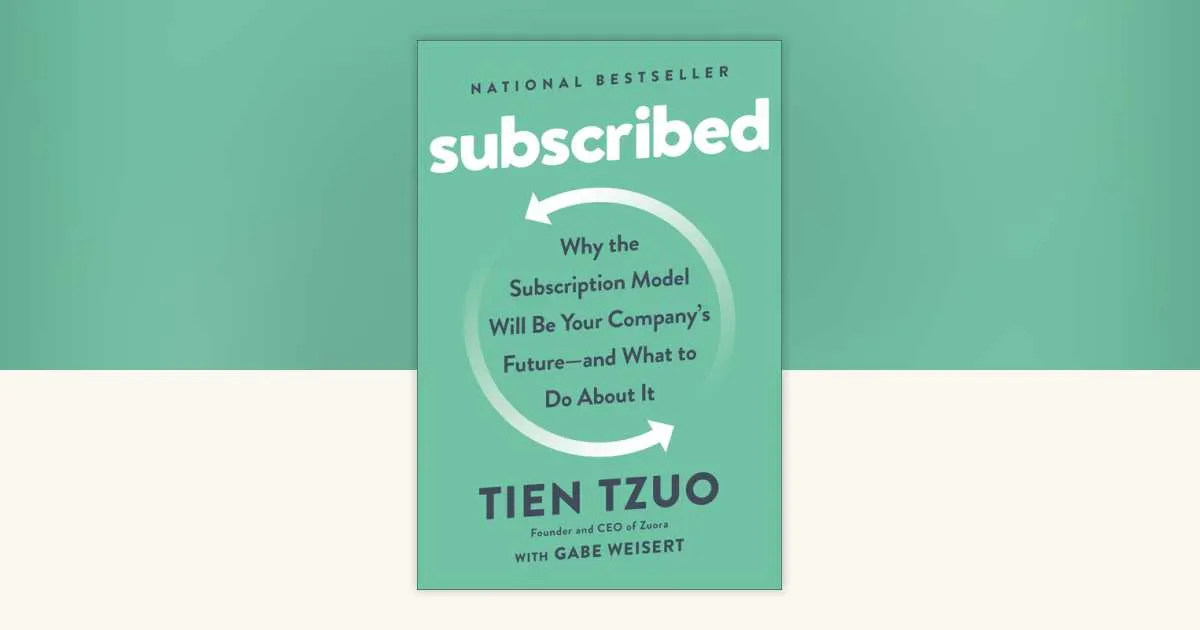
Tien Tzuo founded Zuora and writes the canonical text on the subscription economy. The book explains why support, in a recurring-revenue model, is revenue intelligence rather than a cost. Every renewal depends on the cumulative experience of every ticket between the last renewal and the next one.
That's the conceptual ground under the entire "support as a revenue engine" thesis. Read this when you need the recurring-revenue framing for a strategy doc or a board update.
Best for: support leaders who need to explain why support deserves a seat at the revenue table.
19. The Customer of the Future by Blake Morgan
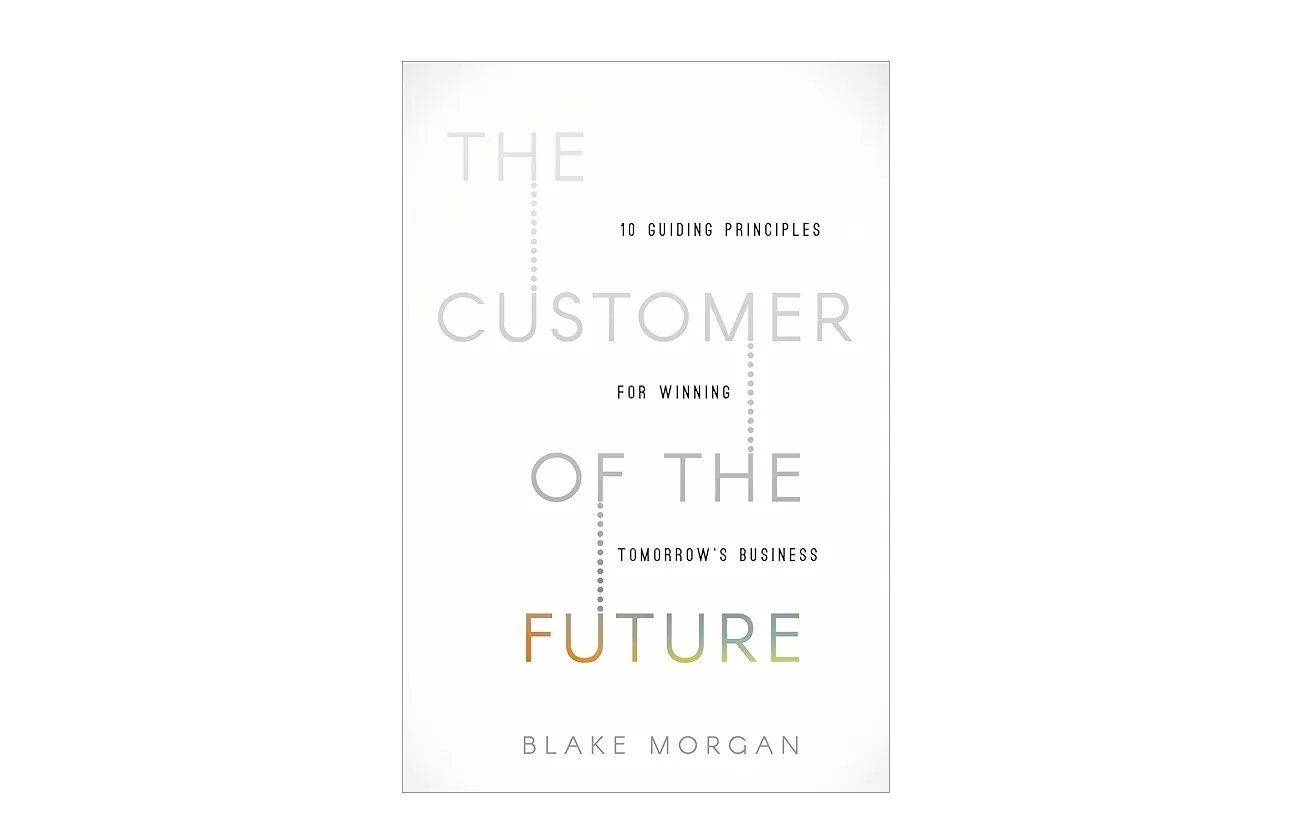
Blake Morgan's book covers emerging data analytics, AI in customer experience, and the automation of service workflows. The author's strength is making complex evolutions in business feel approachable and immediate.
The 10 guiding principles in the book aren't earth-shattering on their own, but together they form a useful checklist for whether your support function is set up to win the next five years or the last five.
Best for: managers and leaders sketching out what their support function needs to look like in 2027 and beyond.
20. Customer Experience 3.0 by John A. Goodman
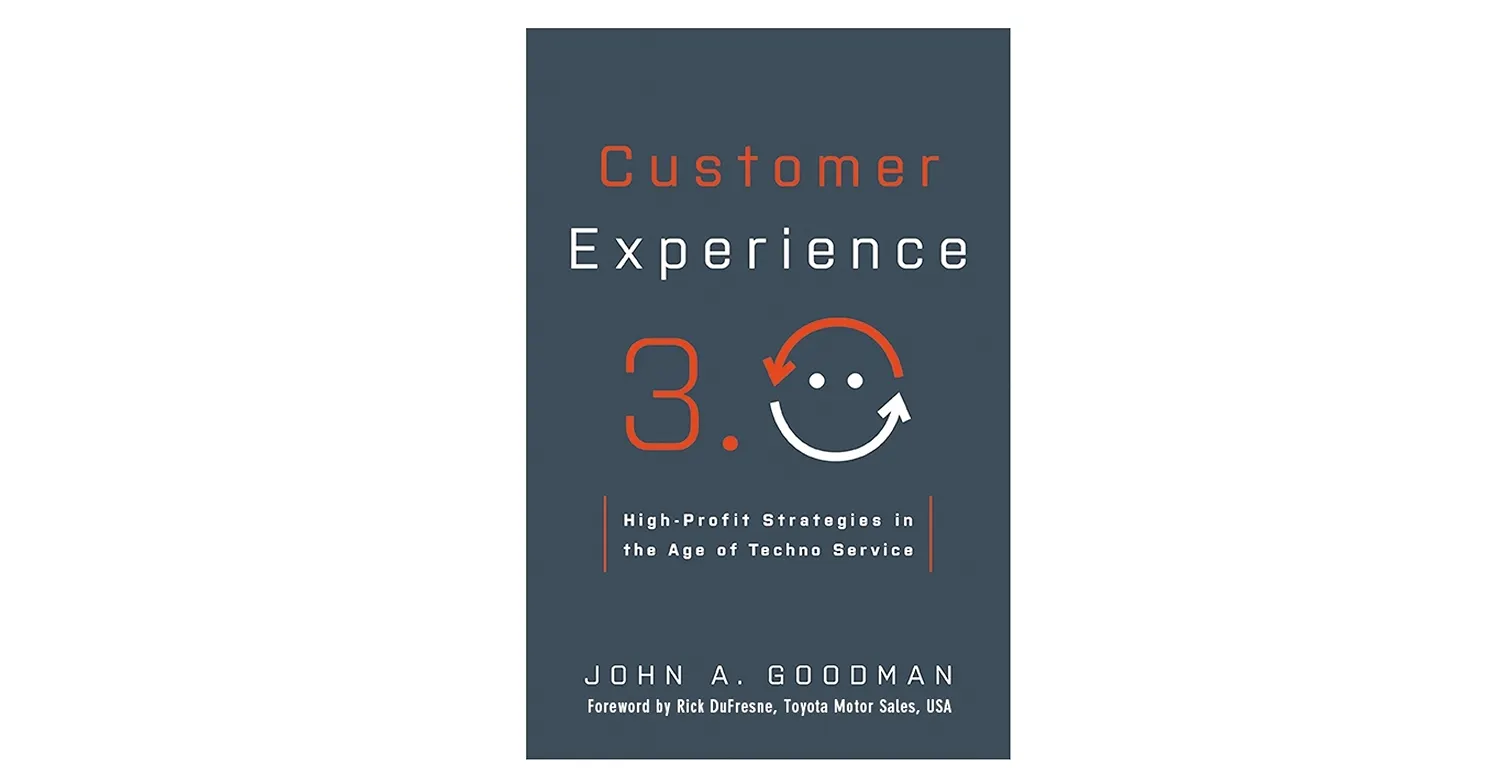
John Goodman's argument is that customer experience fails not because of bad intentions, but because People, Process, and Technology are out of alignment. The book lays out how to measure the financial impact of CX improvements and how to set customer expectations correctly before the interaction even happens.
That alignment problem is exactly what modern AI-augmented support platforms solve. With an omnichannel inbox that brings live chat, email, and Slack into one AI-powered view, Featurebase is the People-Process-Technology surface Goodman is calling for, twenty years after he started arguing for it. Salesforce projects that by 2027, AI will resolve 50% of service cases, up from 30% in 2025, which makes Goodman's alignment thesis more urgent, not less.
Best for: managers and CX leaders designing training programs or measurement frameworks for the AI era.
The 20 books at a glance
| # | Book | Author | Role | Read this when... |
|---|---|---|---|---|
| 1 | Unreasonable Hospitality | Will Guidara | Frontline | You want to be magical 5% of the time |
| 2 | Be Our Guest | Theodore Kinni (Disney) | Frontline | You want consistent service systems |
| 3 | Hug Your Haters | Jay Baer | Frontline | Public complaints hit your CEO's inbox |
| 4 | You're Not Listening | Kate Murphy | Frontline | You want to actually hear customers |
| 5 | The Service Culture Handbook | Jeff Toister | Team lead | You're onboarding a new hire |
| 6 | The Effortless Experience | Dixon, Toman, DeLisi | Team lead | You've never read a service book |
| 7 | The Best Service is No Service | Price, Jaffe | Team lead | Ticket volume is climbing fast |
| 8 | The Power of Moments | Chip & Dan Heath | Team lead | You're redesigning onboarding |
| 9 | The Customer Service Revolution | John DiJulius | Manager | You want to invest in your team |
| 10 | The Customer Rules | Lee Cockerell | Manager | You want 39 daily team prompts |
| 11 | Customer Satisfaction is Worthless | Jeffrey Gitomer | Manager | CSAT is high, revenue is flat |
| 12 | What Customers Hate | Nicholas Webb | Manager | You need a friction-removal playbook |
| 13 | Chief Customer Officer 2.0 | Jeanne Bliss | Executive | You're prepping for a board deck |
| 14 | Delivering Happiness | Tony Hsieh | Executive | You're building culture from scratch |
| 15 | Customer Success | Mehta, Steinman, Murphy | Executive | You own a piece of renewals |
| 16 | The Nordstrom Way | Robert Spector | Executive | You want empowerment at scale |
| 17 | Customer-Led Growth | David Jackson | Modern era | You can't explain support's value |
| 18 | Subscribed | Tien Tzuo | Modern era | You need the recurring-revenue framing |
| 19 | The Customer of the Future | Blake Morgan | Modern era | You're planning 3 years out |
| 20 | Customer Experience 3.0 | John A. Goodman | Modern era | You're designing CX measurement |
How to turn one book into a better support process
Don’t try to apply 20 books at once. Pick the problem your team is dealing with right now, then choose the book that matches it.
- If customers keep asking the same questions, read The Best Service is No Service and audit your top 20 recurring tickets. Turn the obvious ones into help center articles, saved replies, or AI-resolved conversations.
- If customers are frustrated even when agents are responsive, read The Effortless Experience and look for the hidden work you’re making them do: repeated explanations, channel switching, unclear next steps, or slow handoffs.
- If your team sounds inconsistent, read The Service Culture Handbook or The Customer Rules and turn one principle into a weekly coaching habit.
However, customer service looks very different today than it did when many of these books were first published. Customers expect instant answers, self-service options, seamless handoffs between channels, and support that feels personalized at scale.
That’s why the challenge is no longer just understanding good service principles, it’s adapting them to a digital-first world. Platforms like Featurebase help teams do that by bringing support, self-service, AI assistance, and customer feedback together, making it easier to deliver the kind of experience these books advocate for.
The book gives you the lens. Your support process is where the lesson either sticks or disappears.
Conclusion
Reading about great service is the easy part. The teams that consistently outperform their competition are the ones that took one idea from one book and changed something real about how they work.
Featurebase is a modern AI-powered customer support platform that helps teams run on the principles these books argue for. With an omnichannel inbox, the Fibi AI agent, an AI-powered help center, and a built-in feedback portal, Featurebase is where the lessons in this list become a working support operation.
It comes with a Free plan, and the onboarding takes a few minutes, so there's no downside to trying it. 👇
Automate your support with the fastest AI-enhanced Inbox today
FAQs
If you only have time for one, read Unreasonable Hospitality by Will Guidara. It's the most universally recommended book on the list and works for any role, from frontline agent to executive. If you want a more data-driven start, read The Effortless Experience instead, which gives you the academic foundation under every modern support metric.
The 5 C's are a self-grading checklist for any customer interaction:
- Customer: every decision starts with their goal, not your process.
- Communication: clear, prompt, human, on every channel.
- Consistency: the same answer in chat, email, and phone, or you've got policy drift.
- Choice: self-serve, escalate, or switch channels without losing context.
- Care: tone and empathy outrank speed when the two conflict.
The most-skipped one is Consistency. Different answers in chat versus email is the single biggest source of customer frustration on modern support teams.
The 7 C's expand the 5 C's with two operational virtues, competence and credibility, and add closure to make sure every ticket ends with a clear next step:
- Customer focus: centre everything on their goal.
- Communication: clear, timely, jargon-free.
- Competence: know the product and the policy.
- Courtesy: politeness costs nothing and signals respect.
- Consistency: same answer, every channel.
- Credibility: do what you said you'd do when you said you'd do it.
- Closure: every ticket ends with a clear next step, or it isn't really closed.
Frontline trainers use the 7 C's as a grading rubric for recorded calls and chat transcripts.
The 10/5/3 rule comes from hospitality. At 10 feet, make eye contact. At 5 feet, smile and greet. Within 3 seconds of getting a customer's attention, offer specific help.
Adapted for digital support, the rule becomes: acknowledge a new ticket within 10 seconds (auto-reply or read receipt), respond within 5 minutes during business hours, and resolve in 3 ticket exchanges or fewer. It's the simplest service drill in print.
Customer service books focus on reactive issue resolution: handling complaints, lowering effort, deflecting unnecessary contacts, training agents to consistently meet expectations.
Customer success books focus on proactive partnership: helping customers realise value, expanding accounts, reducing churn, structuring CSM teams.
In small teams of 2 to 10 people, the same human often owns both surfaces, so splitting the reading lists is artificial. Treat both genres as one library and read across them based on the problem you're solving, not based on which job title is on the back cover. Featurebase is built for that overlap, with support, help center, and feedback collection in a single platform.
Yes, all 20 titles are available on Audible or an equivalent audiobook platform. Delivering Happiness, Unreasonable Hospitality, and The Effortless Experience are particularly worth in audio format, because each author either narrates or co-narrates their own work and the delivery carries the argument well.