Blog Customer ServiceDigital Customer Engagement: A Practical Guide
Digital Customer Engagement: A Practical Guide
Digital customer engagement is how you connect with customers across every online channel. Here's what it means, why it matters, and how to do it well.


✨ Automate your support with the fastest AI-enhanced Inbox today →
Your customers are spread across a dozen digital channels - live chat, email, social media, your app - and they judge your business on every one of them. Get engagement right and you build loyalty and revenue. Get it wrong, and they leave, often after a single bad experience.
Digital customer engagement is how you meet customers on those channels and turn one-off interactions into lasting relationships.
In this guide, I'll cover what digital customer engagement is, why it matters, the channels that do the heavy lifting, and how to build a strategy that actually works. 👇
Key takeaways:
- Digital customer engagement covers every interaction you have with customers through digital channels, from reactive support to proactive outreach and feedback.
- It's broader than digital customer service: service resolves issues, engagement builds the whole relationship.
- The biggest wins come from personalization, a connected omnichannel experience, proactive support, and self-service.
- Measure it with metrics that map to your goals, like CSAT, NPS, engagement rate, and churn - not vanity numbers.
- Featurebase✨ brings support, feedback, a help center, and product updates into one platform, so you can engage customers across channels without juggling 5 separate tools.
- Start small: pick the few channels your customers actually use, then personalize and improve from there.
What is digital customer engagement?
Digital customer engagement is the sum of all the interactions a business has with its customers through digital channels over the course of their relationship. That includes live chat, email, social media, in-app messages, chatbots, self-service help centers, and feedback tools.
It's continuous, not a one-off. A single purchase is a transaction. Engagement is everything around it: the welcome message, the quick answer when something breaks, the product update that shows you listened, and the survey that asks what to build next.
Good digital engagement has 3 things in common:
- It's personalized: interactions are tailored to who the customer is and what they've done, not generic blasts sent to everyone at once.
- It's multichannel: customers can reach you where they already are, whether that's your app, their inbox, or a social feed.
- It's two-way: you're not just pushing messages out, you're listening and responding, then acting on what you hear.
Digital customer engagement vs digital customer service
These two get mixed up, but they aren't the same thing:
- Digital customer service is reactive: a customer has a question or a problem, and you resolve it with digital customer service tools.
- Digital customer engagement is the whole relationship: it includes service, but also proactive outreach, onboarding, personalized recommendations, and collecting feedback.
Put simply, customer service is one important part of engagement, not a replacement for it.
Why digital customer engagement matters
Customers expect a lot now, and they'll walk if you miss. According to Salesforce research, 73% of customers expect companies to understand their unique needs and expectations. Meeting that bar is hard without deliberate digital engagement.
The cost of getting it wrong is steep. Zendesk's 2025 CX Trends report found that 63% of consumers would switch to a competitor after just one bad experience, a figure that jumped 9% year over year.
When you get it right, the upside compounds:
- Stronger loyalty and retention: engaged customers stick around, buy again, and are slower to churn.
- Higher lifetime value: consistent, relevant interactions lead to more repeat purchases and upsells over time.
- More advocacy: happy customers refer others and leave positive reviews, which lowers your acquisition costs.
- Better product decisions: every interaction is a signal you can use to improve what you build and how you sell it.
The main digital customer engagement channels
You don't need to be everywhere. You need to be on the channels your customers actually use. These are the ones that do most of the heavy lifting:
- Live chat: real-time conversations on your website or in your app. It's the fastest way to help someone without making them wait on hold or dig through email.
- Email: still the workhorse for onboarding sequences, follow-ups, and personalized campaigns based on what a customer has done.
- Social media: where customers ask questions, vent, and talk about you in public. Responding quickly here is as much about reputation as it is about support.
- Chatbots and AI agents: handle common questions instantly and around the clock, then hand off to a human when things get complicated.
- In-app messaging: notifications, tips, and prompts delivered inside your product, right when they're relevant.
- Self-service and help centers: a searchable knowledge base lets customers solve their own problems, which most of them would rather do anyway.
The goal isn't to bolt on every channel. It's to connect the ones you use so a customer never has to repeat themselves when they move between them.
How to build a digital customer engagement strategy
A good strategy is less about tools and more about knowing who you're talking to and what you want to happen. Here's a simple 5-step framework:
- Set clear goals: decide what you're actually trying to achieve, whether that's higher retention, faster response times, or more feature adoption. Vague goals lead to scattered effort.
- Understand your customers: use surveys, interviews, and behavioral data to learn what your customers need, where they spend time, and how they prefer to communicate.
- Map the customer journey: identify every touchpoint from first visit to renewal, and find the moments where people drop off or get stuck.
- Pick the right channels: focus on the few channels your customers already use rather than spreading yourself thin across all of them.
- Close the loop: engagement is two-way, so collect feedback, act on it, and tell customers what changed. That last step is what turns a transaction into a relationship.
Nail these 5, and the specific tactics become much easier to choose.
Digital customer engagement best practices
Once the strategy is in place, a handful of tactics do most of the work:
- Personalize every interaction: use what you know about a customer, like their history, plan, and behavior, to make messages feel relevant instead of generic.
- Connect your channels: aim for an omnichannel experience where context carries across chat, email, and social, so customers never start from scratch.
- Be proactive, not just reactive: reach out before problems escalate with onboarding nudges, status updates, and regular check-ins.
- Invest in self-service: a strong help center and a good chatbot let customers solve problems on their own, which frees your team up for the hard stuff.
- Act on feedback and close the loop: collecting feedback only builds trust if customers see something change as a result.
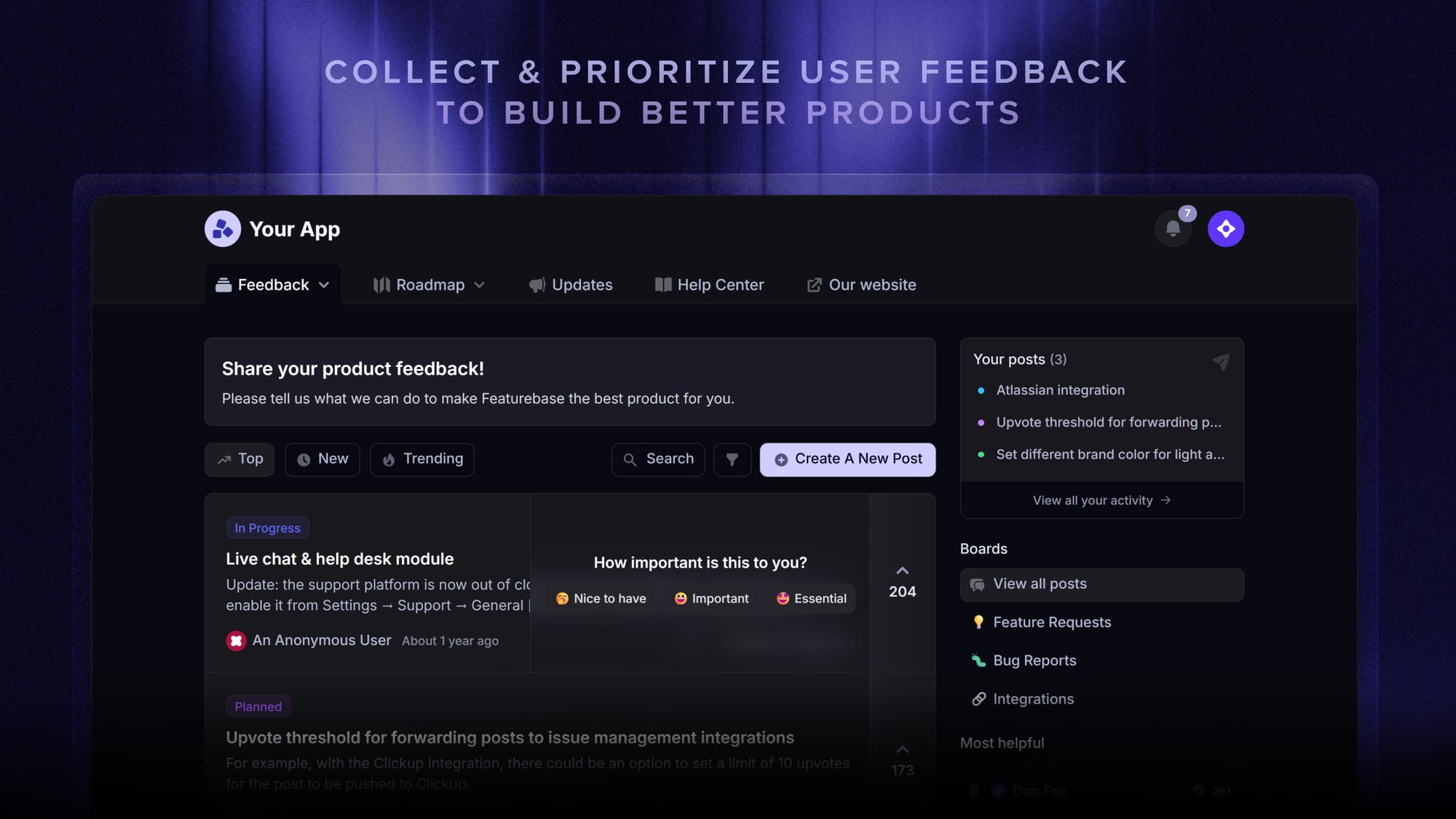
That last point is where a lot of teams fall short. Collecting feedback is easy, but following through is what customers actually remember. This is where a tool like Featurebase helps: you can gather feature requests and bug reports in one place, let users vote on what matters most, and then close the loop with a public roadmap and changelog updates that show people you listened.
How to measure digital customer engagement
You can't improve what you don't track. The metrics that actually tell you something:
- Customer satisfaction (CSAT): how happy customers are with a specific interaction, usually from a quick post-conversation survey.
- Net Promoter Score (NPS): how likely customers are to recommend you, which is a good read on overall sentiment.
- Customer engagement rate: how often customers interact with your content, product, or communications.
- Churn rate: the percentage of customers who leave over a given period, the clearest signal that engagement is slipping.
- Response and resolution times: how fast you reply and fix issues, which directly shapes how customers feel about you.
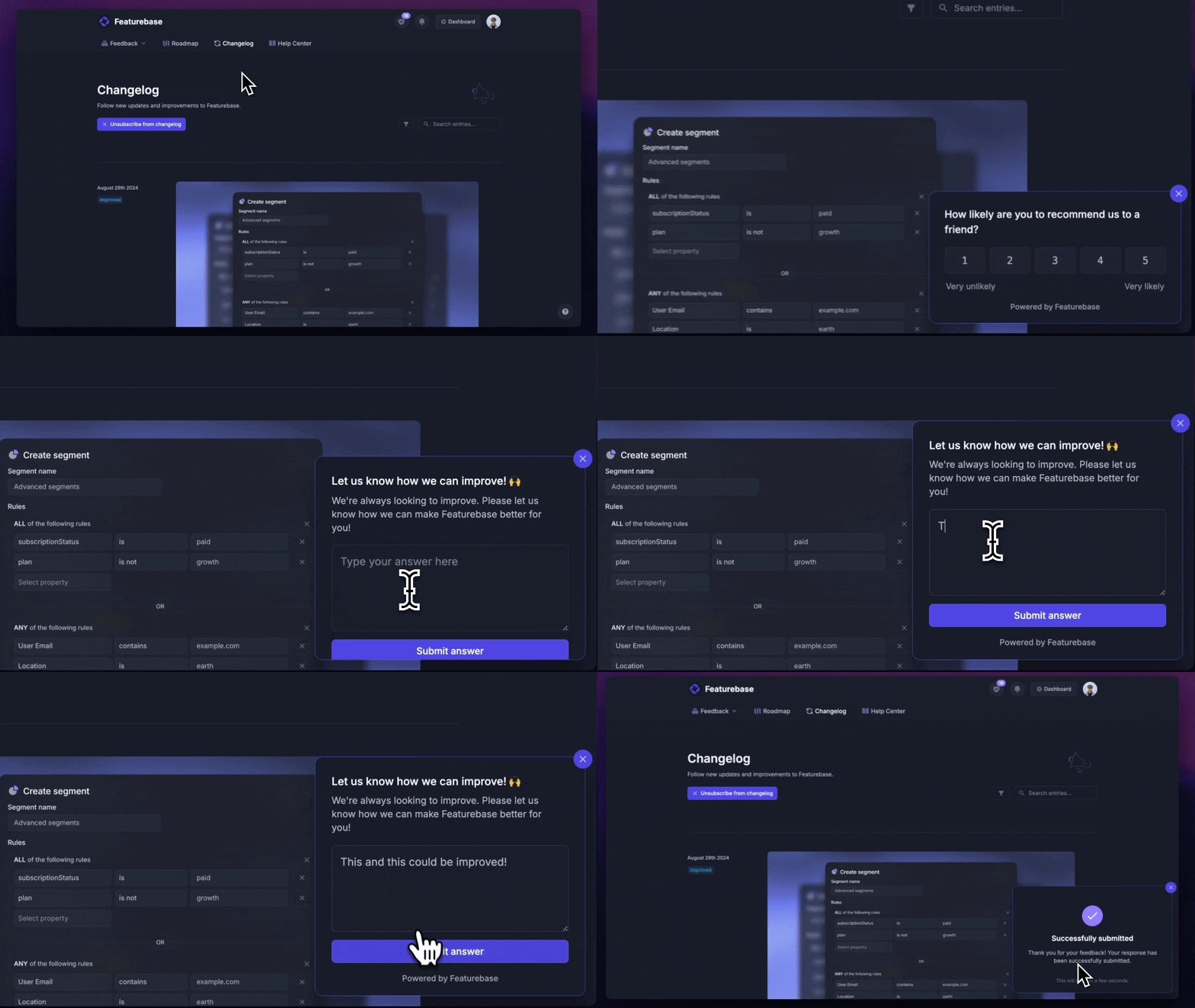
Pick a few metrics that map to your goals rather than tracking everything. A well-designed survey sent at the right moment often tells you more than a dashboard full of vanity numbers.
Conclusion
Digital customer engagement isn't a single tool or channel. It's the habit of showing up for customers wherever they are, listening to what they tell you, and acting on it. Do that consistently and loyalty, retention, and revenue tend to follow.
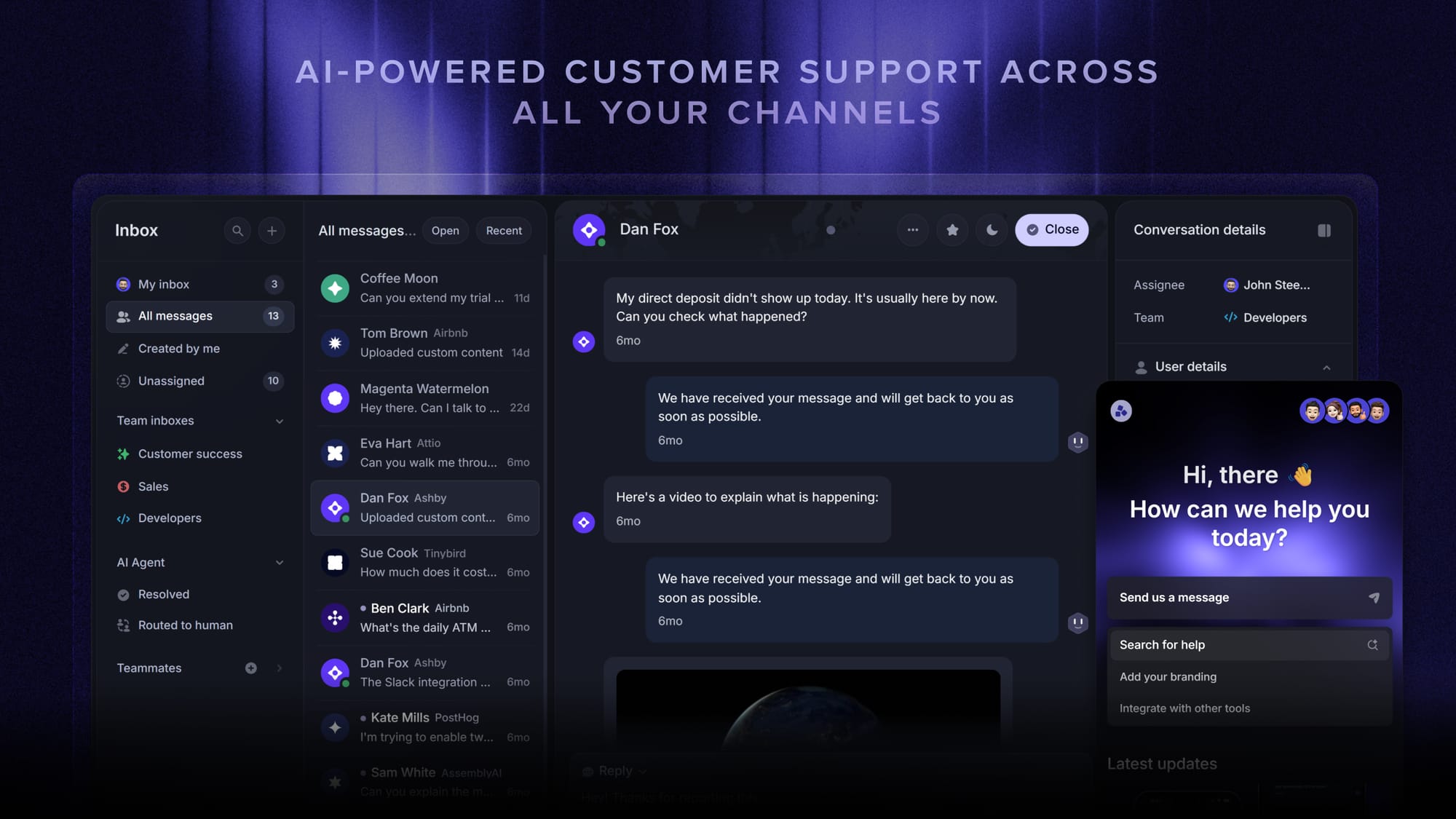
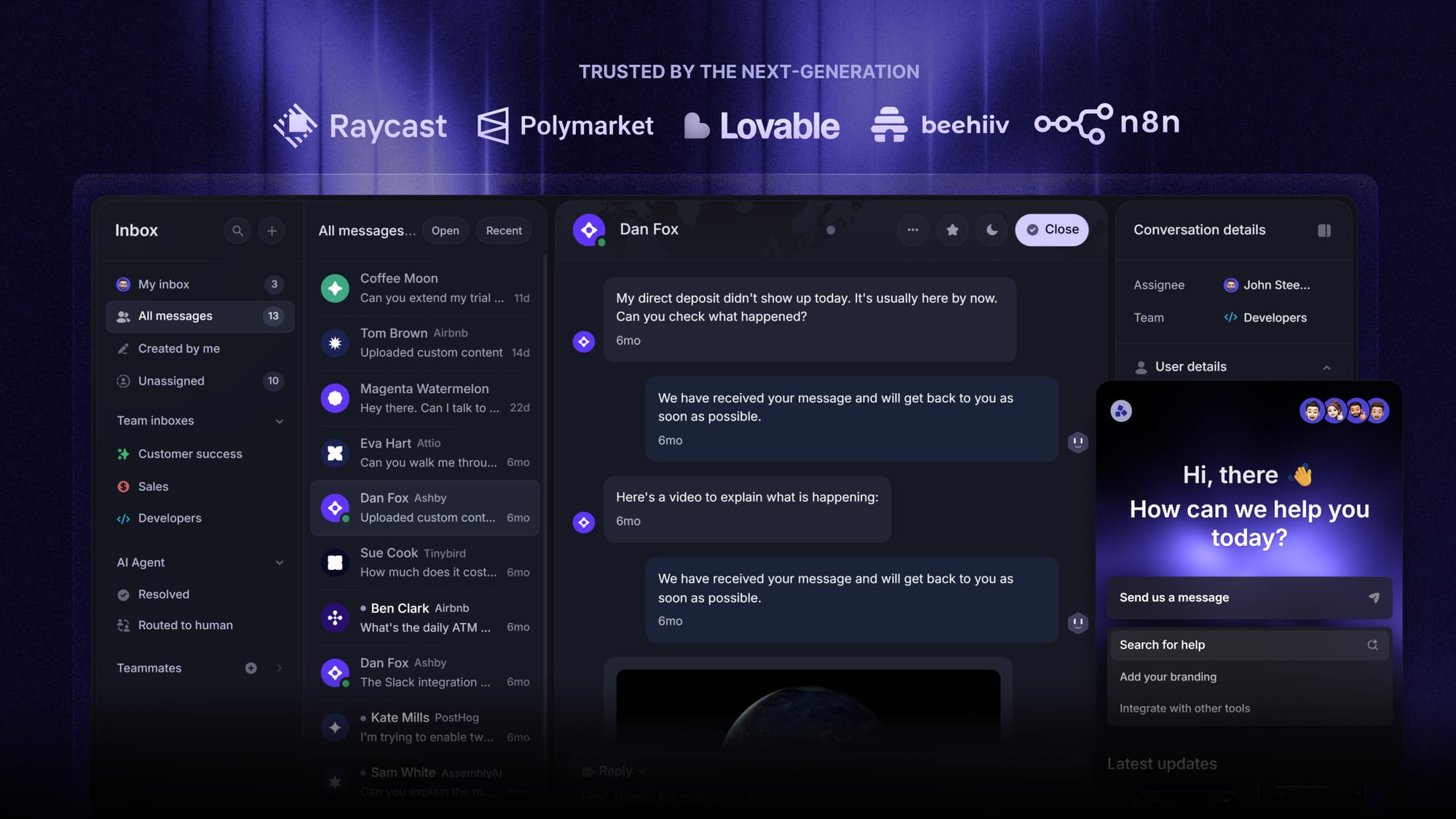
Featurebase brings your customer-facing tools into one platform. You can run support over live chat, email, and Slack from a single inbox, deflect common questions with an AI-powered help center, collect and prioritize feedback, and announce product updates - so every part of the customer relationship lives in one place.
It comes with a Free plan, paid plans start at $29/seat, and onboarding takes minutes, so there's no downside to trying it. 👇
✨ Automate your support with the fastest AI-enhanced Inbox today →
FAQs
What is the difference between digital customer engagement and digital customer service?
Digital customer service is reactive - it's about resolving a specific question or problem over a digital channel. Digital customer engagement is the whole relationship, which includes service but also proactive outreach, onboarding, personalized messaging, and feedback. In short, service is one part of engagement, not the same thing.
What is a digital customer engagement platform?
A digital customer engagement platform is software that helps you interact with customers across online channels and keep the context connected in one place. It usually combines things like live chat, a help center, feedback collection, and analytics so your team isn't juggling separate tools. Featurebase is one example, bringing support, feedback, a knowledge base, and product updates together in a single platform.
What is the difference between multichannel and omnichannel engagement?
Multichannel means you offer several channels, like email, chat, and social, but each one operates on its own. Omnichannel connects those channels so a conversation and its context carry over no matter where the customer picks it up. Omnichannel is harder to set up, but it's what customers now expect.
What are the 4 P's of customer engagement?
The 4 P's are Personalization, Proactiveness, Persistence, and Performance. They're a simple way to remember the core ingredients: tailor interactions to the individual, reach out before problems happen, stay consistent over time, and measure results so you can keep improving.
How is digital customer engagement different from digital marketing?
Digital marketing is mostly about attracting new customers and promoting products. Digital customer engagement is about building an ongoing relationship with the customers you already have, through support, personalization, and two-way communication. They overlap, but marketing brings people in while engagement keeps them.
How can small businesses improve digital customer engagement on a budget?
Start with the few channels your customers actually use instead of trying to cover everything at once. Personalize where you can with the data you already have, lean on self-service and a simple help center to cut down repetitive questions, and use free or affordable tools to get going. Small, consistent improvements matter far more than a big budget.