Blog Customer FeedbackRetail Customer Engagement: Strategies That Drive Loyalty
Retail Customer Engagement: Strategies That Drive Loyalty
Retail customer engagement is how brands build lasting shopper relationships across every channel. Here are 9 strategies to boost loyalty, retention, and revenue.

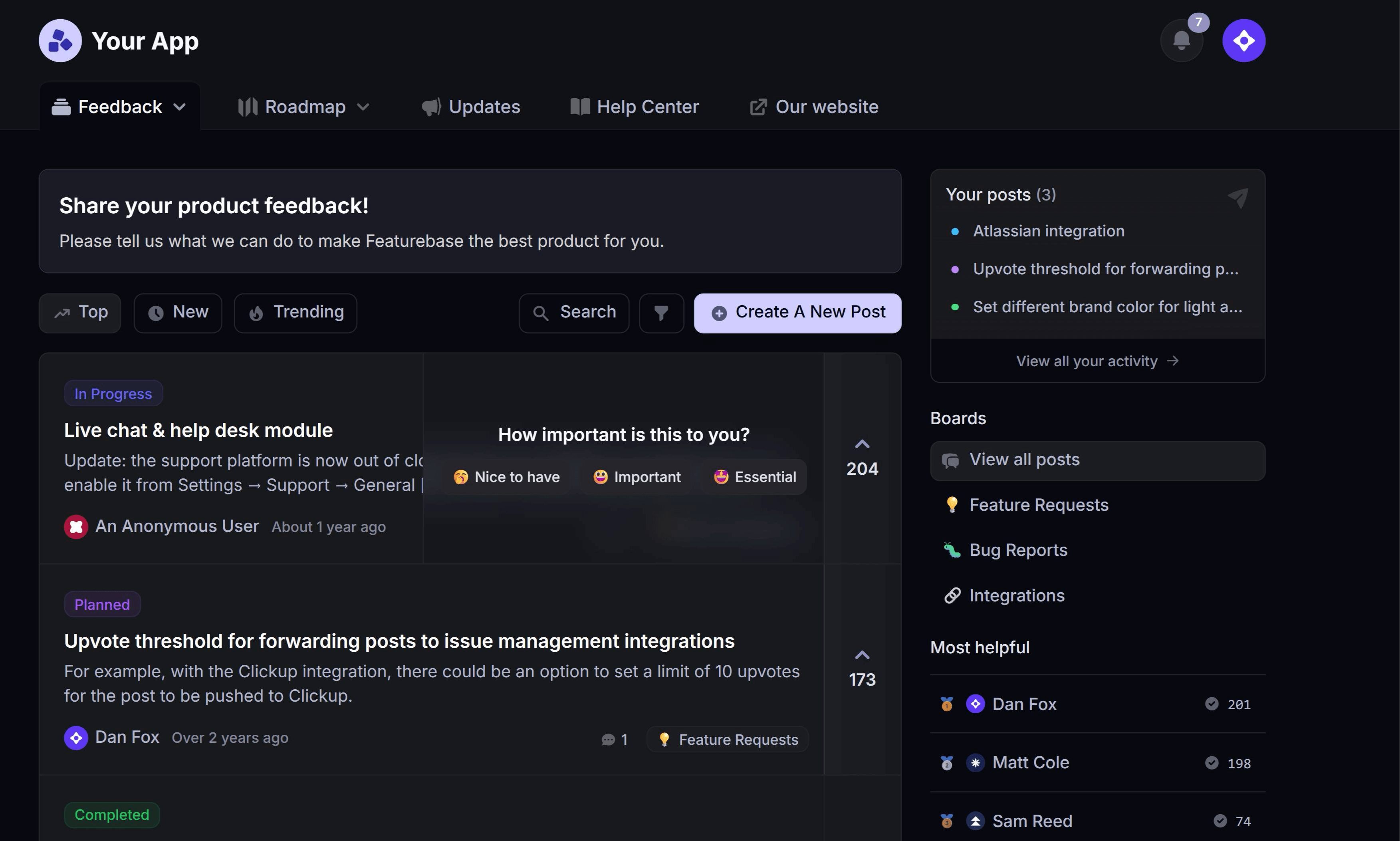

✨ Start collecting & managing feedback with Featurebase for free →
A great product used to be enough to win a shopper. It isn't anymore. Customers can buy almost anything from almost anyone, so what keeps them coming back is how connected they feel to your brand across every visit, message, and click.
That connection is what retail customer engagement is all about, and the retailers growing fastest in 2026 treat it as a two-way relationship rather than a stream of promotions.
In this guide, I'll break down what retail customer engagement really means, why it matters, and 9 strategies you can use to build shopper loyalty that lasts. 👇
Key takeaways:
- Retail customer engagement is every interaction a brand has with shoppers across physical and digital channels, before, during, and after a purchase.
- Engaged customers visit more often, spend more, and refer others, which makes engagement one of the cheapest ways to grow.
- Personalization, omnichannel consistency, and loyalty programs are the highest-leverage strategies for most retailers.
- Listening to shoppers and acting on their feedback turns one-way messaging into a real relationship.
- Featurebase✨ helps retail and ecommerce brands collect shopper feedback, run NPS and CSAT surveys, and close the loop on their actions.
- The retailers who measure engagement and keep improving are the ones who compound loyalty over time.
What is retail customer engagement?
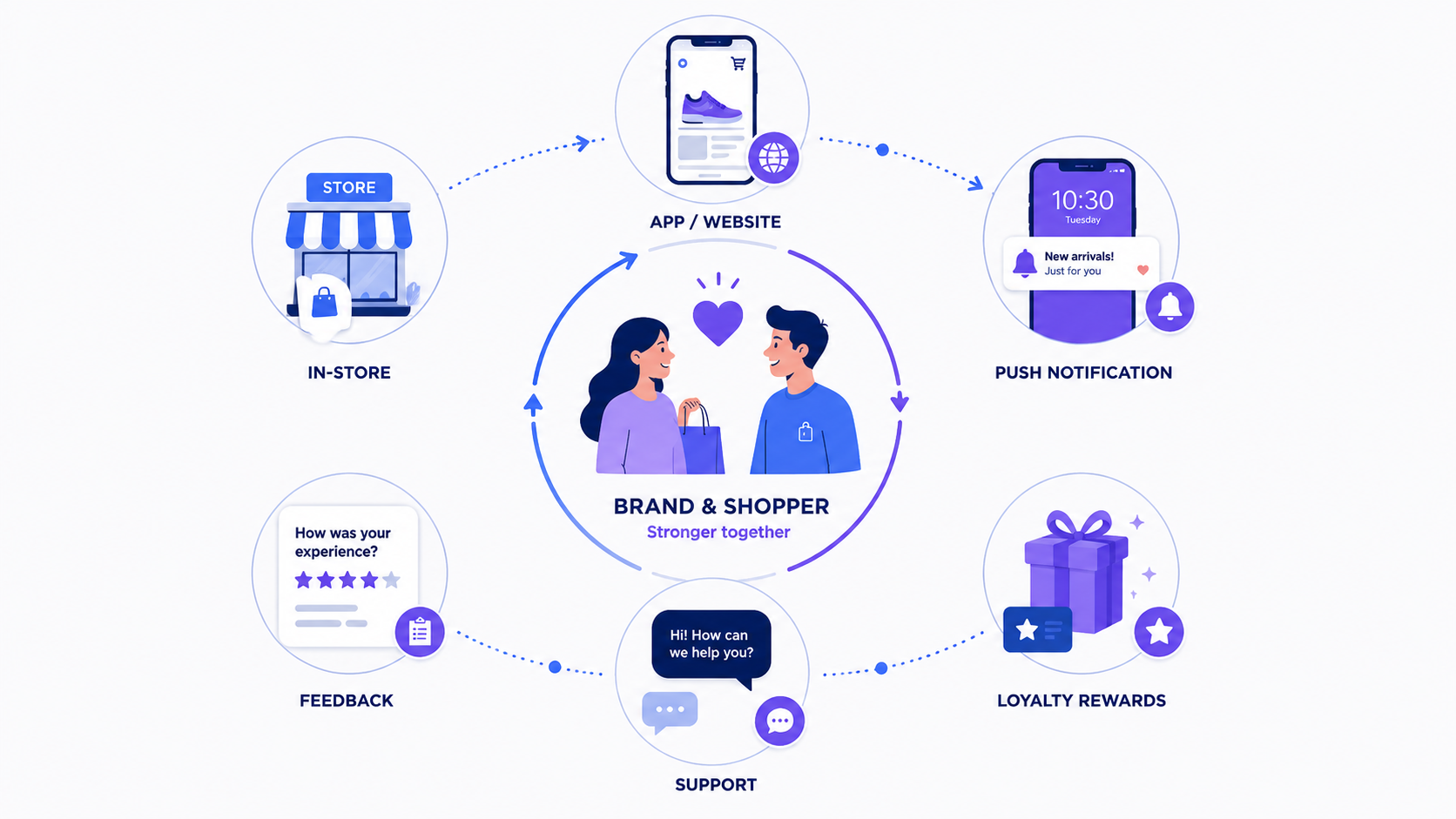
Retail customer engagement is the sum of every interaction a brand has with its shoppers across physical and digital channels, and how well those interactions build an ongoing relationship. It spans the full journey, before, during, and after a purchase, and includes everything from an in-store greeting to a push notification, a loyalty reward, a support chat, or a follow-up survey.
It's easy to confuse engagement with a few neighboring terms, so it helps to separate them:
- Customer engagement: the ongoing, two-way relationship a shopper has with your brand across every touchpoint.
- Customer experience: the overall impression a shopper forms from that relationship, from first click to post-purchase.
- Customer service: one part of engagement, specifically the help a shopper gets when they have a question or a problem.
The important shift is that engagement is proactive. Instead of waiting for shoppers to come to you, strong engagement means showing up with something relevant at the moments that actually matter to them.
Why retail customer engagement matters
Engaged shoppers buy more often, spend more, and tell their friends. The reverse is just as true: when the experience feels generic, customers leave. According to Salesforce, 80% of customers say the experience a company provides is as important as its products and services.
Retention is where engagement pays off most. Companies at the top of their industry's satisfaction rankings grow revenue roughly 2.5 times as fast as their peers, Harvard Business Review reports. Because keeping an existing customer costs far less than winning a new one, every point of engagement you build compounds over time.
The benefits stack up across the business:
- More repeat purchases: engaged shoppers return more often and build bigger baskets over time.
- Stronger loyalty: customers who feel seen are far less likely to defect to a competitor.
- Better insight: engaged shoppers tell you what's working and what isn't, which sharpens every future decision.
- More referrals: happy, connected customers bring their friends, which lowers your acquisition costs.
9 strategies to drive retail customer engagement
These strategies work across in-store, online, and mobile. Start with the ones that fit where your shoppers already spend time, then expand.
Personalize every interaction
Personalized service is the highest-leverage move in retail engagement, and shoppers now expect it. Twilio found that 66% of consumers will stop using a brand entirely if their experience isn't personalized.
Going beyond a first name is what makes the difference. Segment shoppers by how they browse and buy, then use that to recommend relevant products, acknowledge milestones like birthdays, and send offers that match their actual interests.
Even small touches count. Remembering a favorite item or welcoming a returning shopper by name signals that you're paying attention, and that builds trust far faster than another generic promotion.
Go truly omnichannel and phygital
Shoppers no longer move in one channel. They browse on their phone, buy on the web, and pick up in store, and they expect a consistent omnichannel experience everywhere. When prices, promotions, and messaging line up across channels, shopping feels effortless. When they don't, shoppers get confused and leave.
"Phygital" retail blends the physical and digital worlds into one journey. Practical examples include:
- Buy online, pick up in store: shoppers order on their own time and collect in person, often adding more to the basket when they arrive.
- In-store QR codes: link shelf displays to reviews, how-to videos, or online-only deals.
- Endless aisle kiosks: let shoppers order out-of-stock items in store and ship them home.
Build a loyalty program worth joining
Loyalty programs give shoppers a concrete reason to come back, and referrals turn your best customers into a growth channel. The key is to make the program easy to understand and easy to use. Show progress toward the next reward, keep sign-up friction low, and let members access perks from wherever they shop, including a mobile wallet.
Rewards work best when they feel earned and relevant. Points on every purchase, birthday perks, early access to sales, and tiered benefits all give shoppers a reason to choose you over a competitor selling the same thing.
Use AI to make engagement timely and relevant
AI helps you engage at scale without sounding like a robot. AI-powered chatbots answer common questions around the clock, guide shoppers through a purchase, and take routine work off your team. Beyond support, AI can recommend products based on past behavior, predict the best time to reach each shopper, and analyze feedback to surface what customers actually feel.
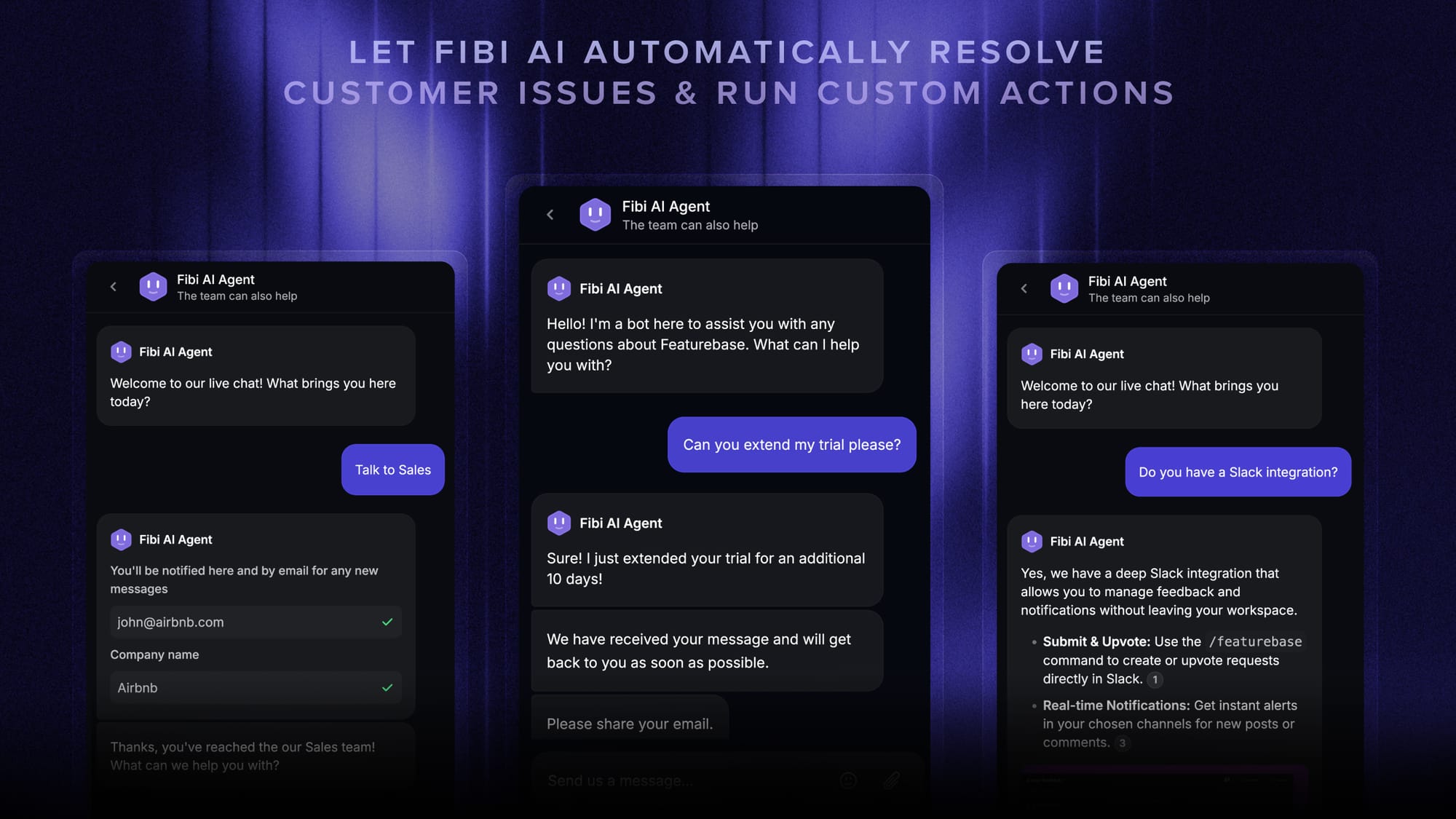
Used well, AI turns a flood of customer data into timely, personal messages instead of another batch-and-blast campaign.
For example, retail and CPG analytics tools can help you better understand what you have in stock and where, so you can optimize your processes and sell more without investing more money.
Engage at high-intent moments
Some moments in the shopper journey carry far more intent than others, and a relevant, well-timed message at those points can make a measurable difference:
- Abandoned cart: a follow-up that reflects exactly what the shopper was looking at can recover the sale before interest fades.
- Back-in-stock alerts: a fast notification when a wishlisted item returns turns frustration into a purchase.
- Loyalty redemption reminders: a nudge before points expire keeps your program active rather than idle.
- Win-back: behavioral signals tell you when a shopper is drifting, long before they fully disengage.
Collect and act on customer feedback
The most overlooked engagement lever is simply asking shoppers what they want, then showing them you listened. Surveys like NPS and CSAT, feedback widgets, and reviews all give you a direct line into what customers value and what frustrates them. Acting on that input, and telling shoppers when you do, turns one-way messaging into a genuine two-way relationship.
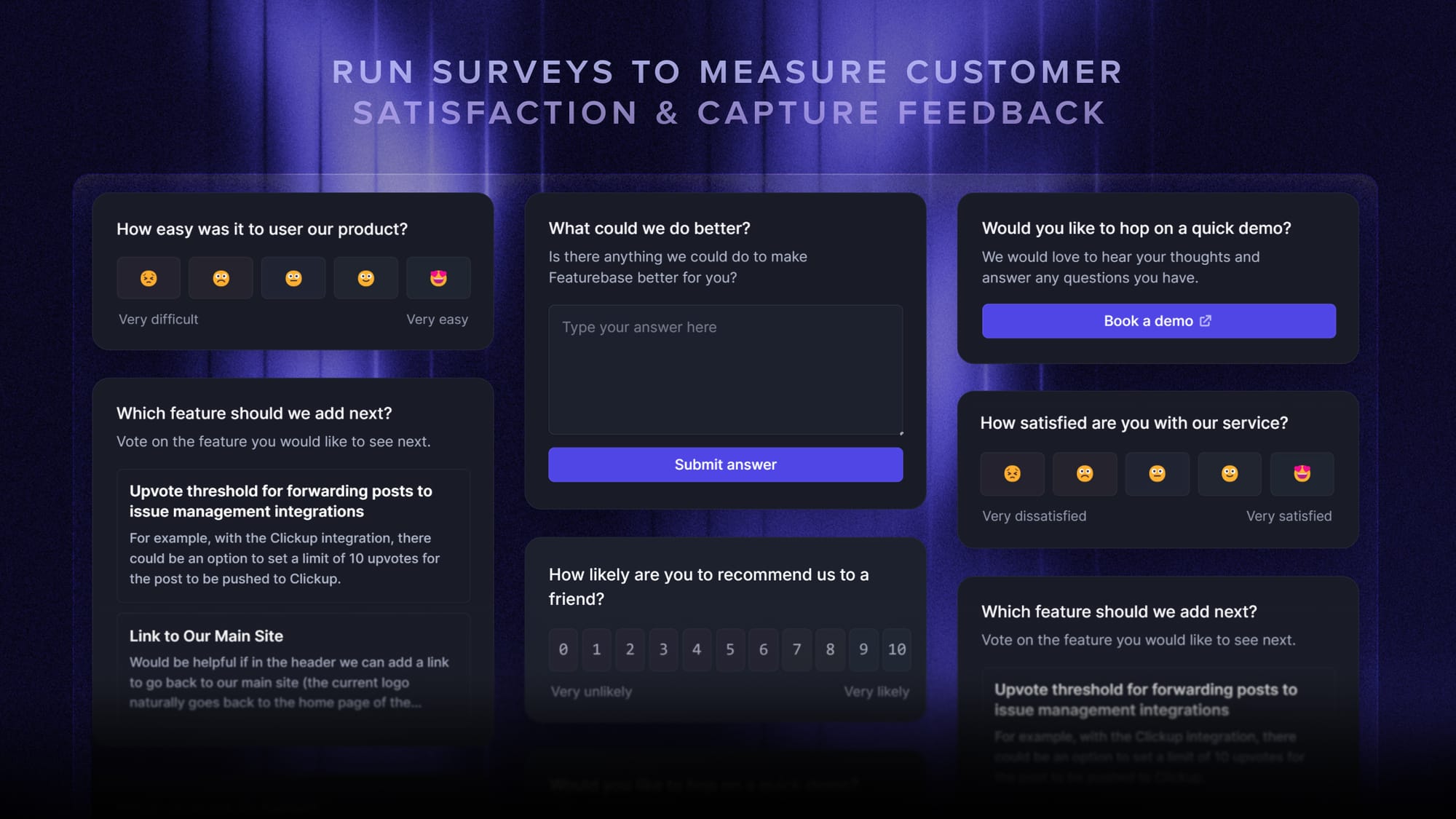
Tools like Featurebase let retail and ecommerce brands gather shopper ideas and satisfaction signals in one place, then automatically notify customers when a requested change ships, closing the loop that keeps people engaged.
Create in-store and community experiences
Give shoppers a reason to visit that they can't get online. Interactive screens, in-store demos, events, and immersive displays make a visit feel worth the trip. Community matters too: sharing real customer photos and reviews, encouraging shoppers to tag you on social, and celebrating your best customers all build a sense of belonging that keeps people coming back.
Support customers on their preferred channels
Support is engagement, and in ecommerce customer service it's often the whole relationship. Shoppers want help on the channel they already use, whether that's live chat, social media, email, phone, or an in-store associate. Fast, consistent answers across all of them signal that you care, which is often the difference between a sale and a lost customer.
Don't overlook returns and exchanges either. A simple, no-hassle returns experience reassures shoppers before they buy and gives you another chance to make things right when something goes wrong.
Measure engagement and improve continuously
You can't improve what you don't track. Watch the metrics that connect engagement to real outcomes, then use them to double down on what works and cut what doesn't:
- Net promoter score (NPS): how likely shoppers are to recommend you, a strong signal of loyalty.
- Customer satisfaction (CSAT): how happy shoppers are after a specific interaction.
- Customer lifetime value (CLV): how much a shopper is worth over the whole relationship.
- Retention and repeat purchase rate: whether engaged shoppers are actually coming back.
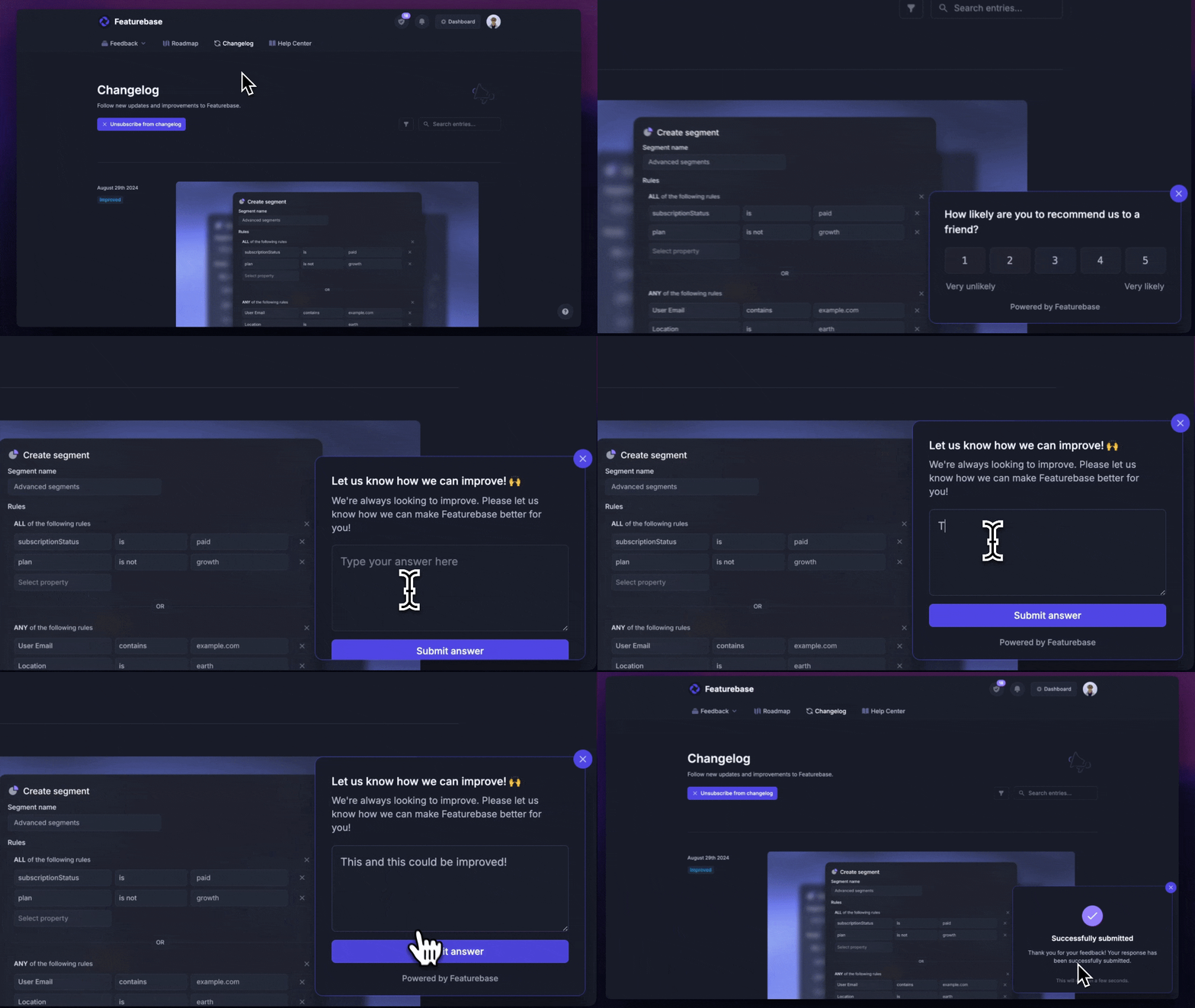
Treat these as a feedback loop. Test new ideas, watch how the numbers move, and refine your approach over time.
Building your retail customer engagement strategy
Individual tactics work best inside a plan. A simple framework keeps your efforts focused rather than scattered:
- Understand your audience: analyze shopping behavior and build a clear picture of who your customers are and what they need.
- Map the customer journey: pinpoint the key touchpoints and pain points where shoppers currently engage with your brand.
- Choose the right channels and tools: pick the platforms your shoppers already prefer and connect them so the experience stays consistent.
- Execute and measure: launch, track the metrics above, and keep refining based on what the data tells you.
The retailers who treat engagement as an ongoing discipline, rather than a one-off campaign, are the ones who build loyalty that lasts.
Turn shopper feedback into lasting engagement with Featurebase
Most of the strategies above get easier when you have one place to hear what shoppers actually want. That's where Featurebase comes in.
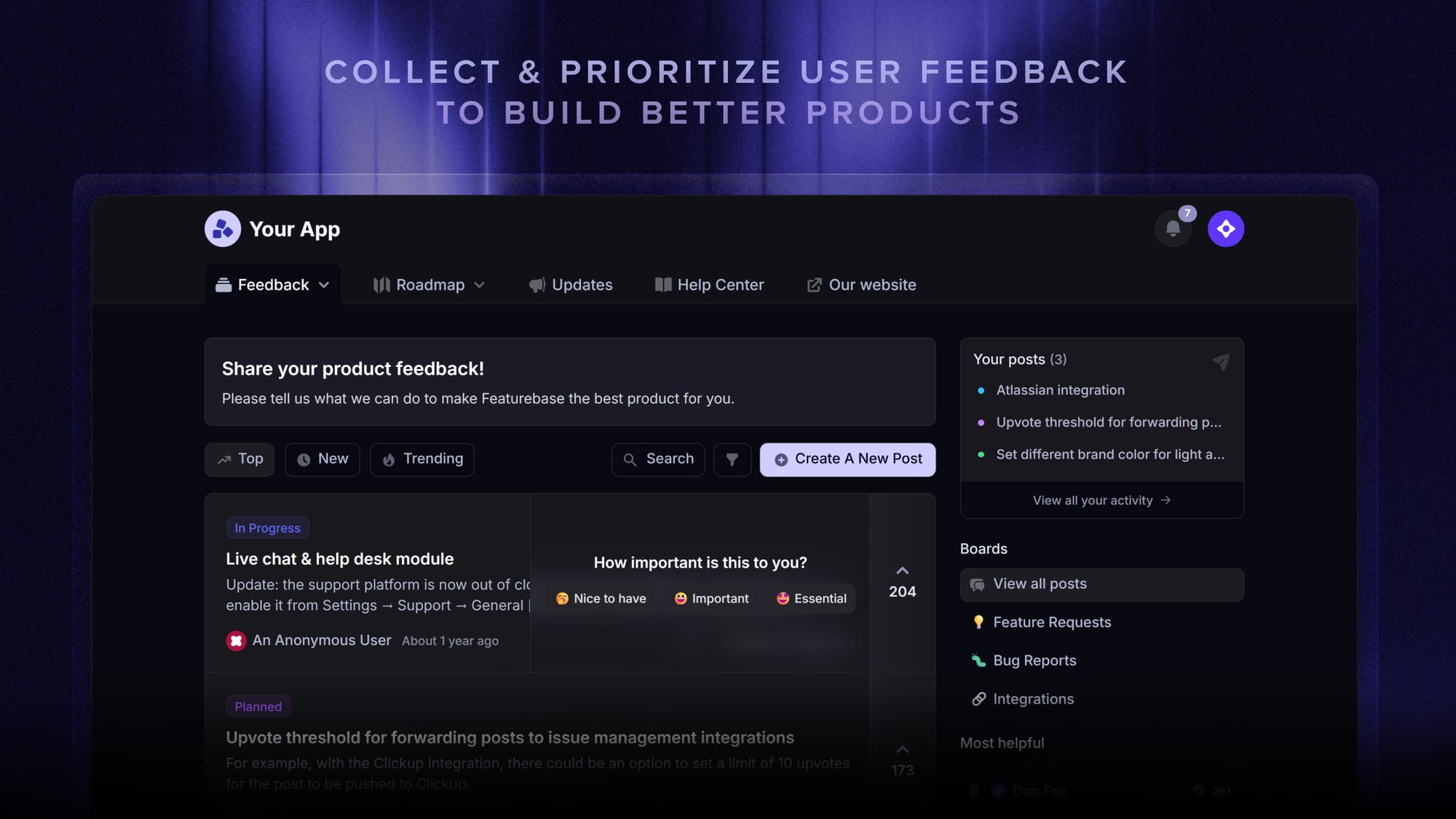
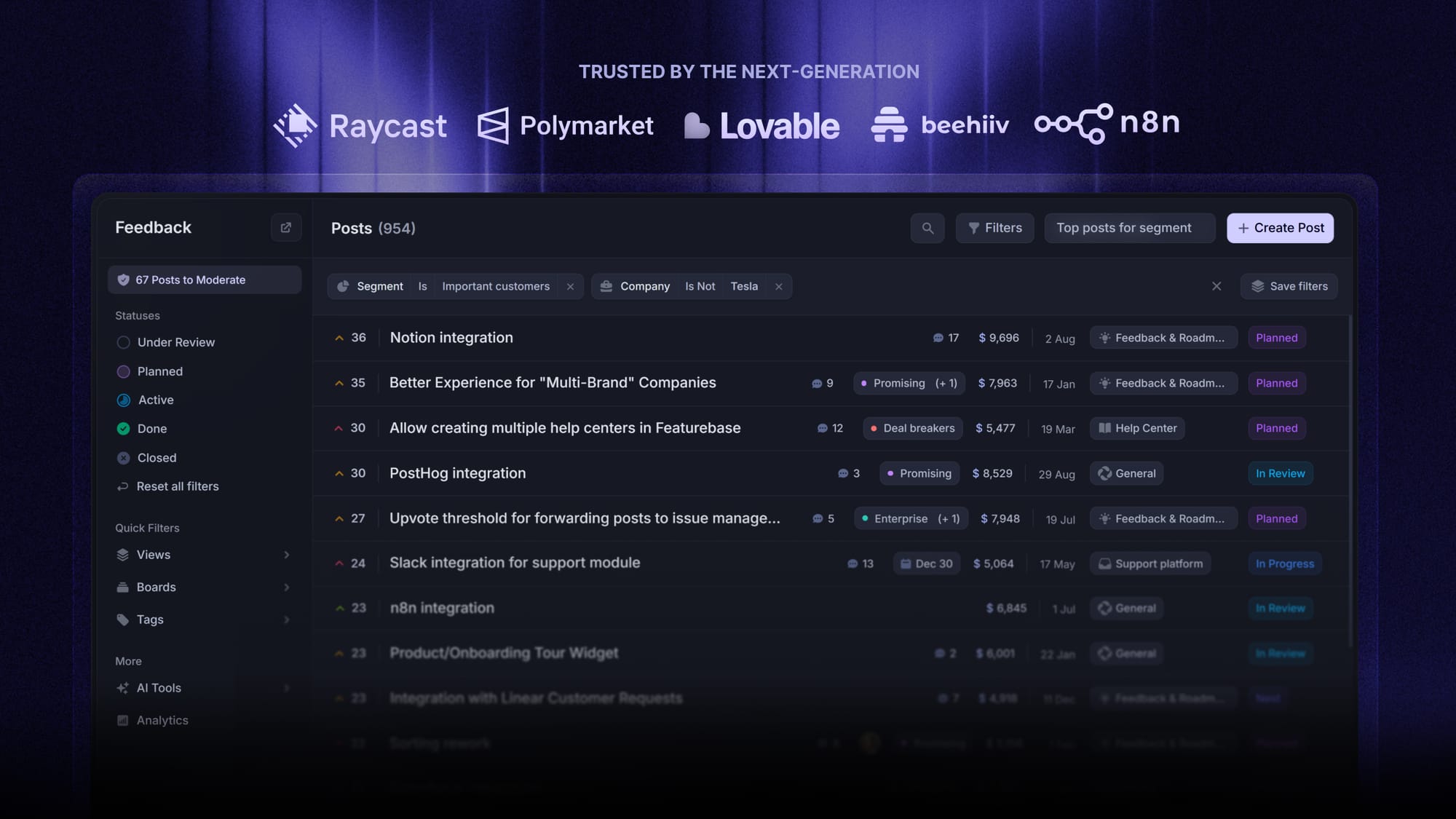
Featurebase is a modern feedback & support platform that helps product teams collect feedback, prioritize features, build roadmaps, and announce product updates, all in one place. It's loved by thousands of product teams from companies like Lovable, Raycast, and n8n. 💫
Top features:
- Feedback forum – Public feedback forum where users can submit ideas and vote on features helping you know what customers want
- In-app widgets – Embed feedback, changelog, and help center widgets directly in your product
- Prioritize by revenue – Link feedback with customer revenue, company size, and much more to better understand the impact of ideas
- AI feedback categorization – Automatically group large volumes of feedback into product areas, projects, or themes with AI
- Automated email updates – Automatically notify users when their requested features are implemented
- Roadmaps – Create internal & public product roadmaps to keep users informed and build engagement
- Product updates – Publish release notes with a changelog page, in-app widget, and emails
- Surveys (NPS, CSAT, etc) – Create targeted surveys to ask users anything and measure customer satisfaction
- Automatic AI translations – Automatically translate all feedback and comments to your customers native languages
- Integrations – Connects with Slack, Linear, Jira, HubSpot, and more
Pricing: Free plan available with unlimited feedback collection. Paid plans start at $29/seat/mo.
Instead of having 4+ different tools, Featurebase enables you to replace all your customer-facing tools by bringing your feedback collection, product updates, support, and help center together in one place to help you build products your users love.

Get the best feedback tool
Centralize feedback, identify product opportunities, and build the right features
Conclusion
Retail customer engagement isn't a single campaign or channel. It's the ongoing relationship you build with shoppers across every touchpoint, and it's what separates the brands people return to from the ones they forget. Personalize your interactions, stay consistent across channels, reward loyalty, and, above all, listen to what your customers tell you.
Featurebase makes that last part simple. It brings shopper feedback, NPS and CSAT surveys, product updates, and a public roadmap into one place, so you can capture what customers want and show them you acted on it. 💫
There's a free plan to get started, and onboarding is fast, so there's no downside to trying it. 👇
✨ Start collecting & managing feedback with Featurebase for free →
FAQs
What is the difference between customer engagement and customer service?
Customer service is the help a shopper gets when they reach out with a question or an issue, and it's usually reactive. Customer engagement is broader and proactive: it covers every ongoing interaction a brand has with a shopper, from marketing and loyalty to support. Customer service is one important part of engagement, not the whole picture.
How can AI improve retail customer engagement?
AI helps retailers engage more shoppers without losing the personal touch. AI chatbots provide instant, around-the-clock answers and guide shoppers through purchases, while machine learning powers product recommendations and predicts the best time to reach each customer. AI can also analyze large volumes of feedback to surface trends and sentiment you'd otherwise miss.
How do you measure retail customer engagement?
The most useful metrics connect engagement to business outcomes. Net promoter score (NPS) and customer satisfaction (CSAT) show how shoppers feel, while retention rate, repeat purchase rate, and customer lifetime value (CLV) show whether engagement is translating into real behavior. Tracking these together tells you which efforts are working and where to improve.
How often should retailers message their customers?
There's no universal number, but relevance matters far more than frequency. Many consumers are comfortable with a few brand interactions a month, as long as each one feels useful rather than repetitive. The safest approach is to let shopper behavior and stated preferences guide timing, and to watch opt-out rates as a warning sign of fatigue.
How does collecting customer feedback improve retail engagement?
Asking shoppers what they want and acting on it turns a one-way broadcast into a two-way relationship, which is exactly what keeps customers loyal. Feedback also gives you the insight to fix friction and prioritize what actually matters to shoppers. A tool like Featurebase lets you run NPS and CSAT surveys, collect ideas in one place, and automatically tell customers when you've acted on their requests.
What is phygital retail?
Phygital retail blends physical and digital shopping into one connected experience. It lets customers move smoothly between channels, for example browsing online, buying in store, or scanning an in-store QR code for extra product detail. The goal is to give shoppers the convenience of digital and the tangibility of a store visit without any friction between them.