Blog Customer FeedbackCustomer Success Journey: Stages and How to Map It
Customer Success Journey: Stages and How to Map It
Learn what the customer success journey is, the stages it moves through, and a 6-step process to map it so more of your customers reach real outcomes.

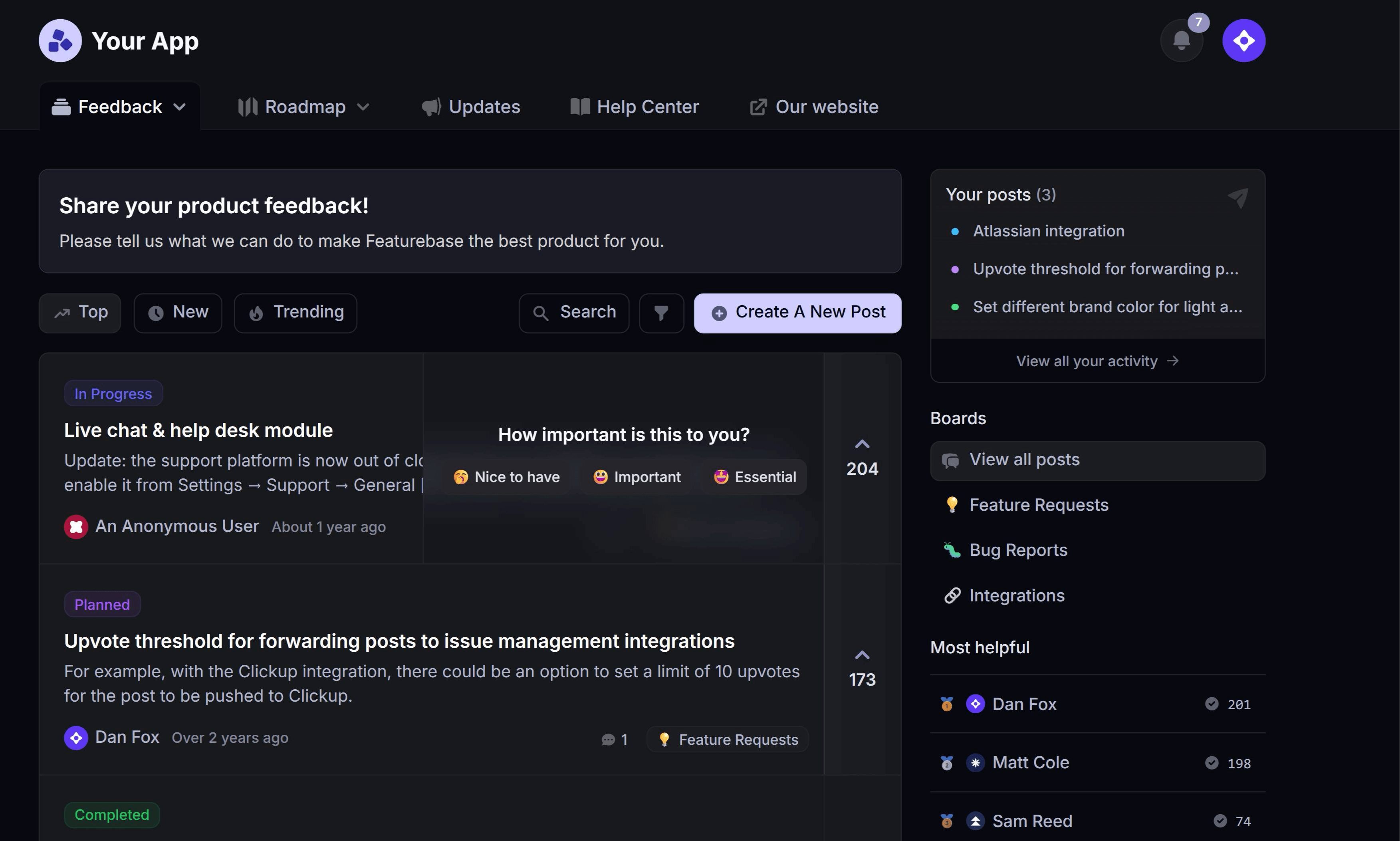

Closing the deal is the easy part. The hard part is everything after: getting the customer set up, helping them see value, and keeping them around long enough to renew and grow.
Too many teams leave that path to chance. The result is slow onboarding, quiet churn, and expansion that never happens.
That's what the customer success journey fixes. In this guide, I'll break down what it is, the stages it moves through, and a simple 6-step process to map your own. 👇
Key takeaways:
- The customer success journey is the post-sale path a customer takes to reach the outcomes they bought your product for, from onboarding through to advocacy.
- It's different from the buyer journey, which ends at purchase. The customer success journey starts there.
- Most journeys move through 6 stages: purchase and onboarding, adoption, value realization, retention and renewal, expansion, and advocacy.
- Mapping the journey means defining what success looks like, laying out the stages and touchpoints, marking milestones, tying metrics to each stage, and refining as you go.
- Collecting feedback at every stage keeps your map honest. Featurebase✨ lets you gather feedback, run NPS and CSAT surveys, and close the loop with product updates, all in one place.
- A journey map is a living document, not a one-time exercise. Revisit it as your product and customers change.
What is a customer success journey?
The customer success journey is the full path a customer takes after buying your product to reach the outcome they were after. It covers onboarding, everyday use, renewal, and everything in between.
A customer success journey map is the visual version of that path. It lays out each stage, the touchpoints where customers interact with you, the milestones that signal progress, and who on your team owns each moment.
It's easy to confuse this with a couple of similar terms, so here's how they differ:
- The buyer journey ends at the sale. It tracks how a prospect goes from unaware to purchasing.
- The customer success journey picks up where the buyer journey stops. It's focused on outcomes and retention, not acquisition.
- The customer lifecycle is the high-level relationship view (awareness to loyalty), while the success journey zooms in on the touchpoints and actions that get a customer to value.
The point of mapping it is simple: when you can see the whole path, you can spot where customers get stuck, fix it before they churn, and help more of them reach the finish line.
Why the customer success journey matters
Retention is where the money is. According to Forrester, renewals and expansion from existing customers make up about 61% of overall revenue in B2B. If you're only optimizing the pre-sale funnel, you're ignoring the majority of your growth.
It's also cheaper to keep customers than to win new ones. Harvard Business Review notes that acquiring a new customer is anywhere from 5 to 25 times more expensive than retaining an existing one, depending on your industry.
And the payoff compounds. Forrester found that customer-obsessed organizations grow revenue 28% faster and retain customers at 43% higher rates than companies that aren't.
A mapped journey turns those numbers into something you can act on. It gives you a shared view of the customer experience so marketing, sales, product, and support all know their role, and it surfaces the friction points that quietly push customers toward the exit.
The stages of the customer success journey
The stages aren't set in stone, and yours will depend on your product and business model. But most customer success journeys move through 6 core stages:
- Purchase and onboarding: The customer signs up and gets set up. This first experience sets the tone, so the goal is to guide them through setup and their first wins as smoothly as possible.
- Adoption: The customer starts using your product regularly and folds it into their workflow. If they use it once and never come back, they aren't being successful, so this stage is about driving consistent usage and feature adoption.
- Value realization: The customer hits the outcome they bought your product for, whether that's time saved, revenue gained, or a process fixed. This is the moment your product proves its worth.
- Retention and renewal: The customer decides whether to keep going or walk away. A well-run journey makes renewal the obvious next step rather than a decision they have to agonize over, which is why customer retention lives or dies at this stage.
- Expansion: The customer's needs grow, and they take on more seats, higher tiers, or new products. The trick is spotting genuine expansion fits rather than pushing upsells on everyone.
- Advocacy: The happiest customers become your best marketing, referring peers, leaving reviews, and sharing case studies. You've earned it by helping them succeed.
One stage worth calling out is adoption, because it's where most quiet churn starts. Customers who don't build a habit in the first few weeks rarely stick around. Announcing new features and improvements is one of the best ways to pull them back in. With a tool like Featurebase, you can publish a changelog and push in-app update widgets that resurface value and nudge people to try features they've missed.
How to map your customer success journey (6 steps)
You don't need fancy software to start. A spreadsheet or a whiteboard works fine. What matters is following a repeatable process. Here's the 6-step version.
1. Define what success means to your customer
Everything starts here. If you don't know what your customer is trying to achieve, you can't map a path to it.
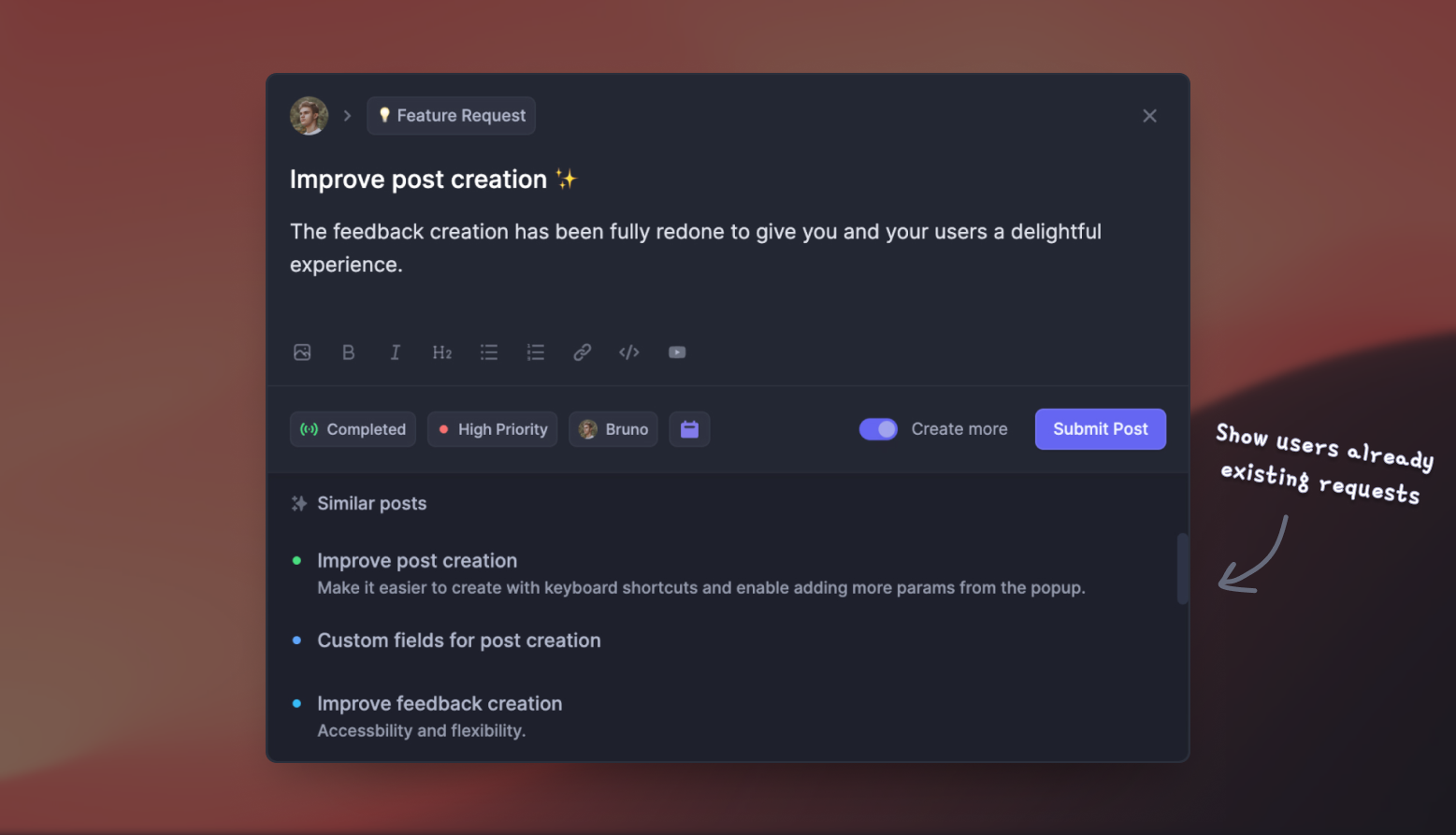
The best way to find out is to ask them directly. For B2B products, success often ties back to their bottom line, but don't assume. Collect feedback from customers, and work backward from their definition of success to design the steps that get them there.
2. Break the journey into stages
Use the 6 stages above as a starting point, then customize them to fit your product. A tool with a heavy setup process might split onboarding into implementation and activation. A self-serve product might collapse a few stages together.
Keep it simple. A map with 700 tiny steps is a map nobody uses.
3. Map the touchpoints at each stage
A touchpoint is any place a customer interacts with your company: your website, onboarding emails, support conversations, your knowledge base, in-app messages, renewal notices, and more.
List every touchpoint you can think of, then match each one to a stage. This shows you where you're guiding customers well and where they're left on their own.
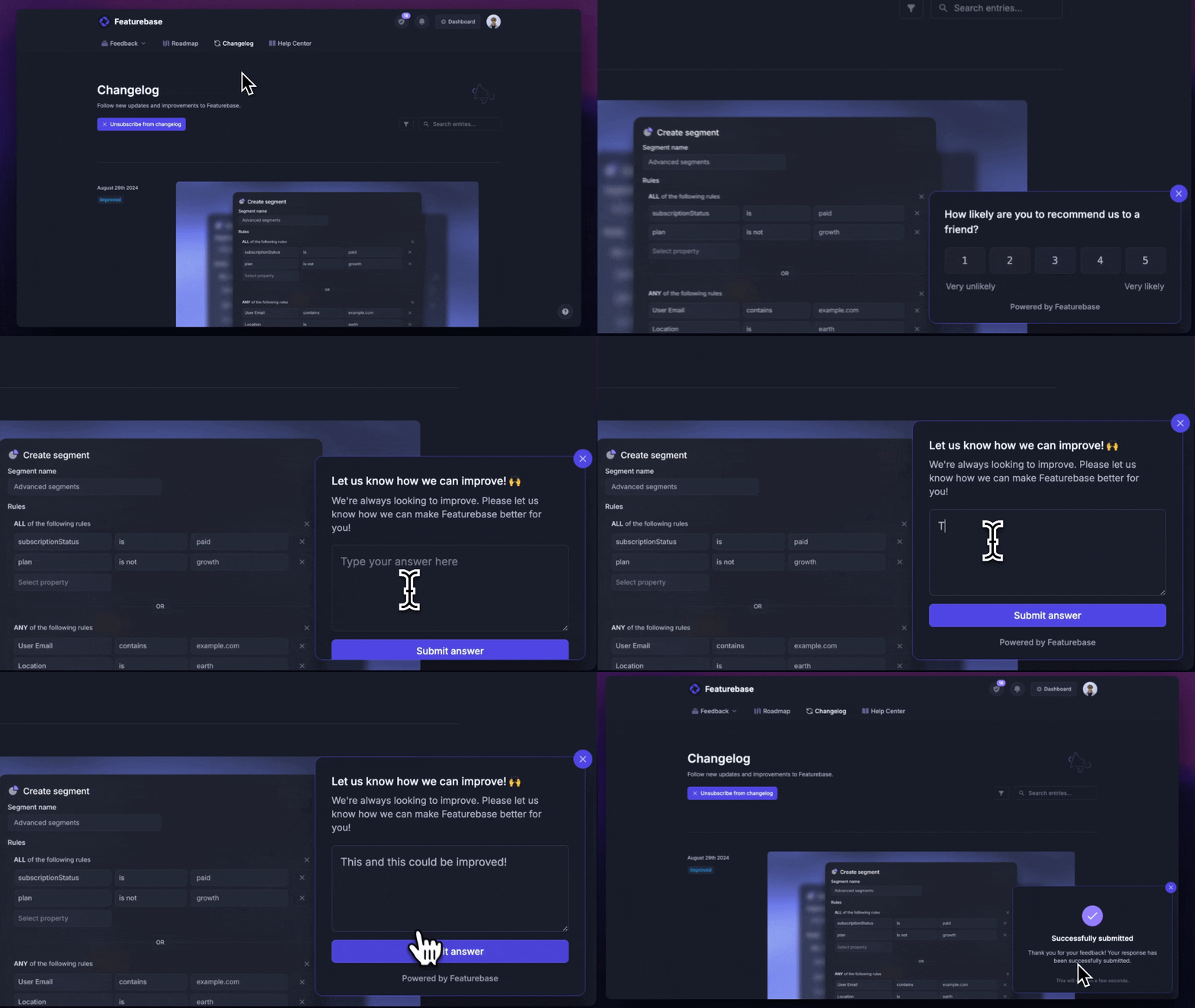
This is also where feedback becomes your best data source. Dropping a survey or feedback widget at key touchpoints tells you what customers actually experience, not what you assume they do. Featurebase lets you run targeted NPS and CSAT surveys and embed feedback widgets right in your product, so you can validate the map against real customer input at each stage.
4. Highlight the key milestones
Not every touchpoint matters equally. Milestones are the moments that signal real progress, like a customer inviting their team, completing setup, or hitting 80% feature adoption.
ClientSuccess calls these "moments of truth." Mark them on your map so your team knows which signals to watch for and which ones mean a customer is on track.
5. Tie metrics to each stage
You can't improve what you don't measure. Attach a metric or two to each stage so you can tell whether customers are actually moving forward.
Common picks include:
- Onboarding: time to first value, setup completion rate
- Adoption: active usage, depth of feature adoption
- Retention: churn rate, net revenue retention, customer health score
- Advocacy: referrals, reviews, NPS
Focus on the few metrics that drive decisions rather than tracking everything.
6. Monitor, refine, and repeat
Your first map won't be perfect, and that's fine. Once it's live, watch how customers actually move through it and look for gaps between the map and reality.
Follow up with new customers to check whether their experience matches what you drew. Then update the map. Treat it as a living document that evolves as your product and customers do.
Best practices for a strong customer success journey
A few principles separate a map that drives action from one that gathers dust:
- Take an outside-in view: Map the journey from the customer's perspective, not your internal processes. Start at their first impression and follow their experience, not your org chart.
- Define the handoffs: The messiest moments happen when a customer moves between teams, like sales to onboarding. Document who owns each handoff and what information travels with it.
- Make ownership clear: The journey spans marketing, sales, product, and support, but someone needs to lead it. Customer success is usually best placed to own the whole thing.
- Collect feedback throughout: Don't wait for an annual survey. Build a customer feedback loop that gathers input at each stage, so you catch problems while you can still fix them.
- Keep it alive: Revisit your map on a regular cadence (quarterly is a good default) and update it whenever your product, pricing, or customer segments shift.
Where feedback fits into the journey
A customer success journey is only as good as the customer insight behind it. If you're mapping the journey from assumptions instead of what customers actually tell you, you're guessing, and the map drifts further from reality with every stage.
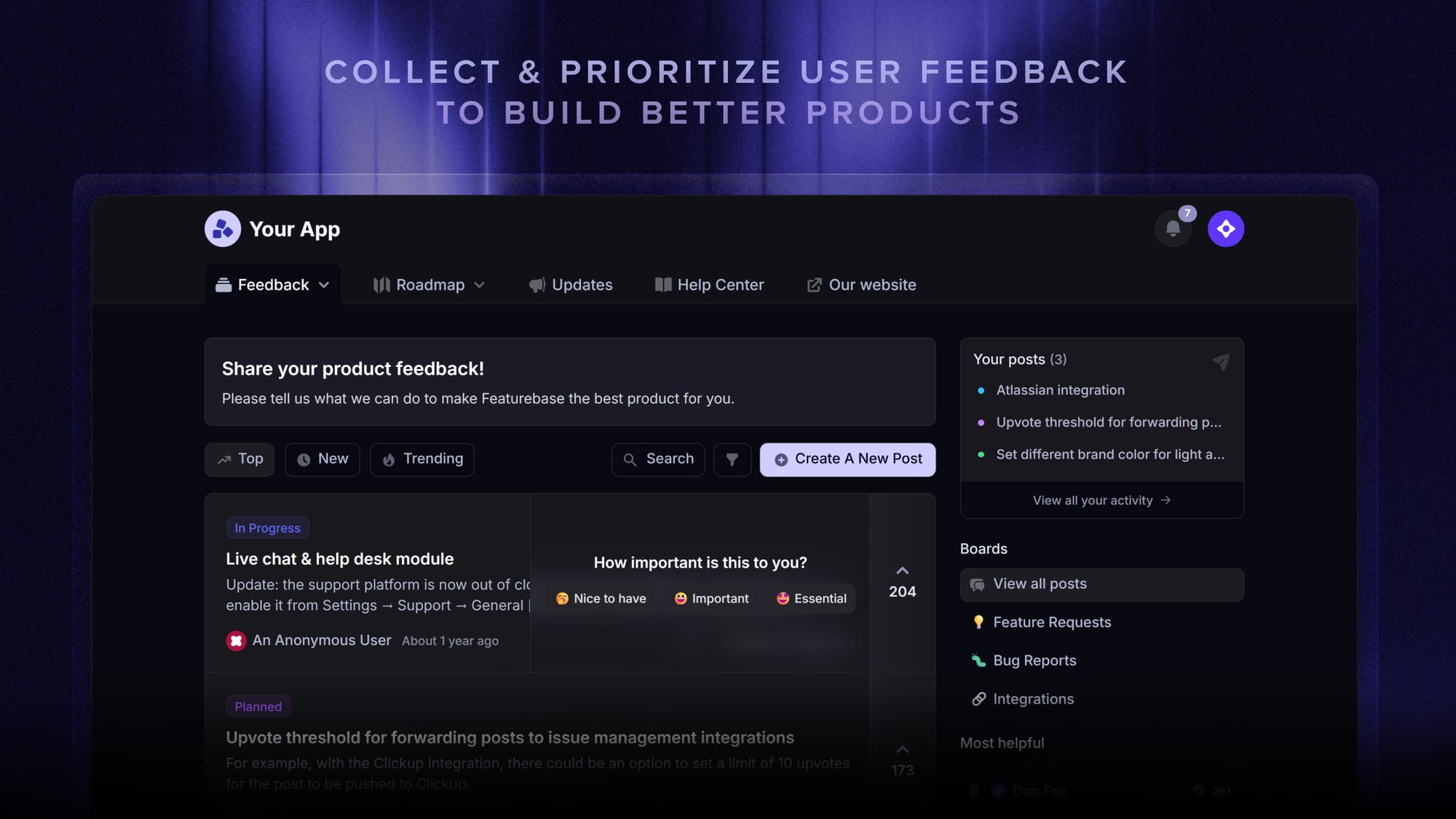
That's the case for building feedback into the map itself rather than treating it as an annual afterthought. A short survey after onboarding tells you whether setup landed. An NPS or CSAT check during adoption flags friction before it becomes churn. A public feedback forum and roadmap give customers a reason to stay engaged through renewal and into advocacy.
This is the part Featurebase handles: collecting feedback through surveys, in-app widgets, and a public forum, then tying it to customer revenue so you can act on what matters most at each stage. There's a free plan with unlimited feedback if you want to see how it fits your own journey map.

Get the best customer success tool
Centralize feedback, identify product opportunities, and build the right features
Conclusion
The customer success journey is the path your customers take from signing up to succeeding, and mapping it is how you make that path deliberate instead of accidental. Define what success means, lay out the stages and touchpoints, tie metrics to each one, and keep refining.
Featurebase is a modern and powerful feedback tool. It helps you collect feedback with a voting forum, surveys, and embeddable widgets, then connect it to customer revenue and data so you can build what matters most at every stage of the journey.
It comes with a Free plan that includes unlimited feedback, and the onboarding is quick with no credit card required, so there's no downside to trying it. 👇
✨ Start collecting & managing feedback with Featurebase for free →
FAQs
What's the difference between a customer journey and a customer success journey?
The customer journey (or buyer journey) tracks how someone goes from first hearing about you to making a purchase. The customer success journey picks up after the sale and follows the customer through onboarding, adoption, renewal, and advocacy. In short, one is about winning the customer and the other is about helping them succeed once they're yours.
How many stages should a customer success journey have?
There's no fixed number. Most companies use somewhere between 5 and 6 stages, commonly onboarding, adoption, value realization, retention, expansion, and advocacy. The right count depends on your product and business model, so customize the stages to match how your customers actually move rather than forcing a template.
Who should own the customer success journey?
The journey touches marketing, sales, product, and support, so it's genuinely cross-functional. That said, the customer success team is usually best placed to lead it, since they have the clearest view of the post-sale experience. The key is making ownership explicit so no stage or handoff falls through the cracks.
How often should you update your customer success journey map?
Treat it as a living document and review it on a regular cadence, with quarterly being a good default. You should also update it whenever something material changes, like a new product line, a pricing shift, or a new customer segment. A map that reflects last year's product won't help this year's customers.
What metrics measure success across the customer success journey?
Tie metrics to each stage rather than tracking one number for everything. Common picks are time to first value and setup completion for onboarding, active usage and feature adoption for the adoption stage, churn rate and net revenue retention for retention, and referrals and NPS for advocacy. Focus on the few metrics that actually drive decisions.
What tools do you need to build a customer success journey?
At a minimum, you need something to visualize the map (a spreadsheet, whiteboard, or diagramming tool works) and a way to collect customer feedback so the map reflects reality. Featurebase covers the feedback side, letting you run NPS and CSAT surveys, gather feedback through in-app widgets and a public forum, and close the loop with product updates as customers move through each stage.