Blog Product ManagementWhat is Feature Adoption and How to Increase it in 2026?
What is Feature Adoption and How to Increase it in 2026?
Learn what feature adoption is, how to measure it with key metrics, and practical ways to make sure users actually discover and use the features you build.

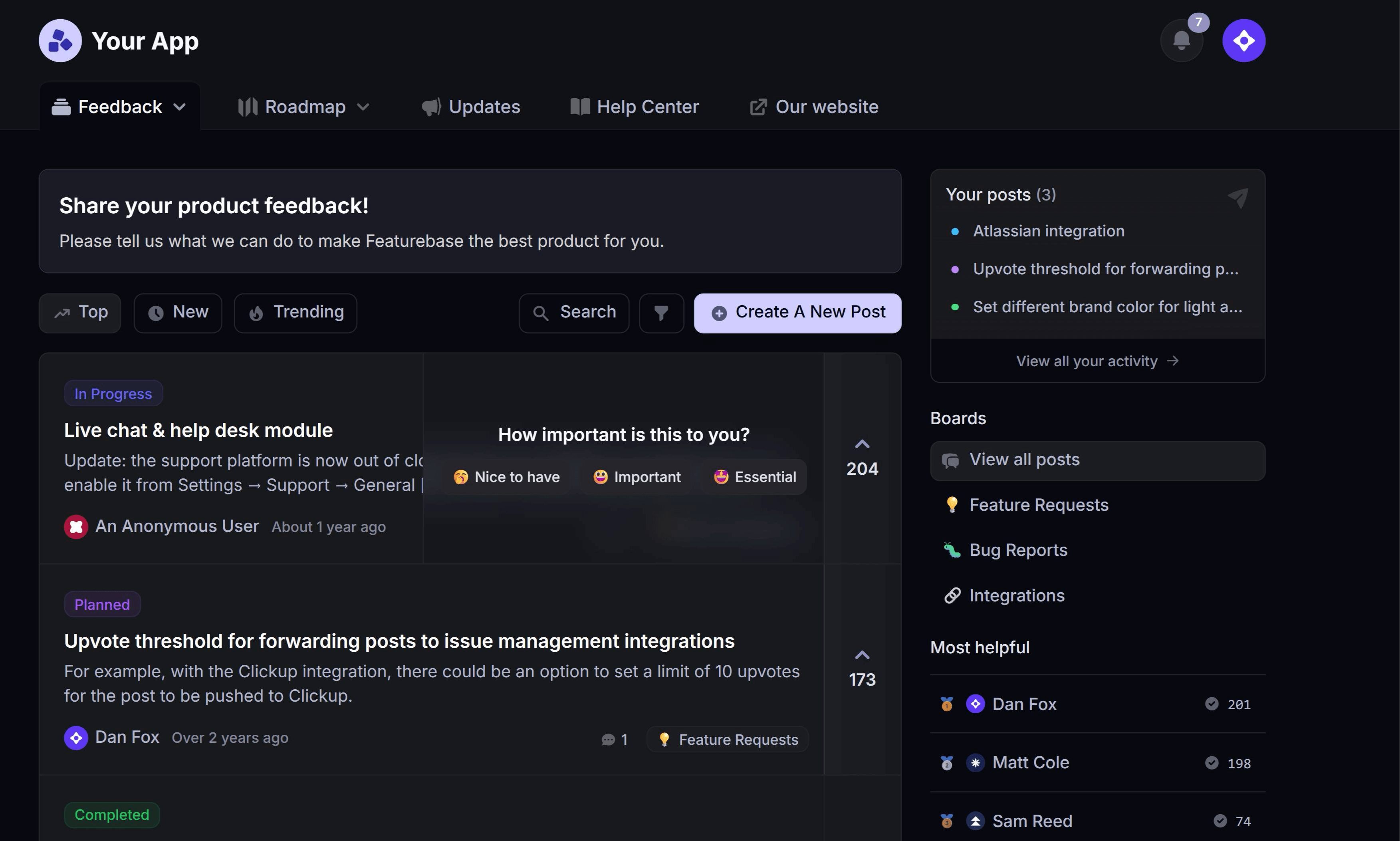

If a tree falls in the forest and no one hears it, did it make a sound? Same logic applies to your product. You can spend months building a killer feature, but if nobody uses it, it might as well not exist.
The truth is, most teams struggle with getting users to actually adopt new features. Poor visibility, unclear value, and clunky onboarding flows quietly kill even the best releases.
But it doesn't have to be that way. In this guide, I'll walk you through what feature adoption is, how to measure it, and practical ways to make sure people actually discover and use the features you build. 👇
What is feature adoption?
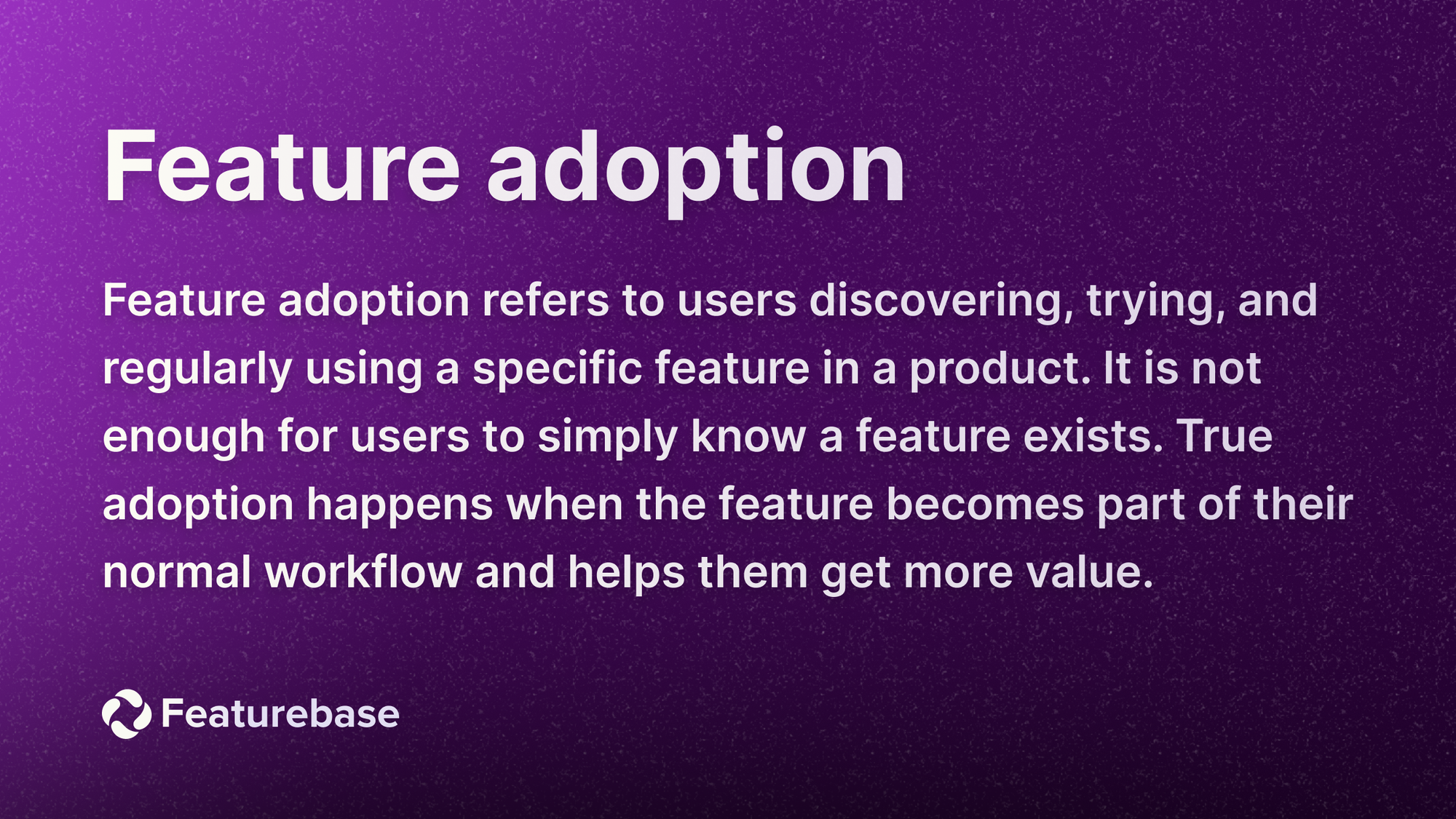
Feature adoption is the process of users discovering, trying, and consistently using a specific feature in your product. It's not enough for them to know about a feature. They should actively use it and make it part of their regular workflow.
It typically involves three stages:
- Discovery - The user becomes aware that the feature exists.
- Activation - The user tries the feature for the first time.
- Retention - The user continues to use the feature regularly.
Why does feature adoption matter?
If you've spent months building a new feature, you don't want that time to go to waste. But feature adoption is about more than just getting a good return on development effort:
- It drives deeper product engagement. The more users interact with your features, the more invested they become in your product. Each new feature they adopt creates another reason to stay.
- It increases customer satisfaction. When you show existing users how a new feature solves their specific pain point, satisfaction goes up across user segments. And with that, lifetime value follows.
- It reduces churn by proving value. When users know you're actively improving the product, it reinforces the value of their subscription. It builds trust that your product will keep getting better.
- It opens upsell and expansion opportunities. You can market specific features as paid add-ons and create natural upgrade paths for customers who want more.
- It helps product teams validate what's working. When you track feature adoption metrics, you can quickly see which features resonate with users and which ones need a rethink. This feedback loop helps you decide what to build (or not build) next.
How to measure feature adoption: key metrics
To track feature adoption effectively, you should monitor a few key metrics. Here's what they are and how to use them.
1. Feature adoption rate
The feature adoption rate tells you how many users actually start using a feature after getting access to it. It's one of the most important metrics for understanding whether users are discovering and trying new functionality. A low adoption rate usually points to poor visibility, unclear value, or friction during onboarding.
Formula: Feature adoption rate = (Number of users who used the feature / Number of eligible users) x 100
2. Time to first use
This metric tracks how long it takes a user to try a feature after signing up or getting access. Long delays often mean the feature isn't easy to find, the value isn't obvious, or there are too many steps in the way.
Formula: Time to first use = Date/time of first feature use - Date/time of signup or eligibility
If this number is high, it's a clear signal to improve your onboarding flows or product tours.
3. Feature engagement (depth of use)
Feature engagement goes beyond first use. It shows how actively and how often users return to a feature, giving you a better sense of whether it's actually useful.
There's no single formula here since it depends on context. You might track:
- Number of times the feature is used per user per week
- Average session duration involving the feature
- Number of specific actions performed within the feature
If users try a feature once and never return, this metric will flag it early.
4. Retention of feature users
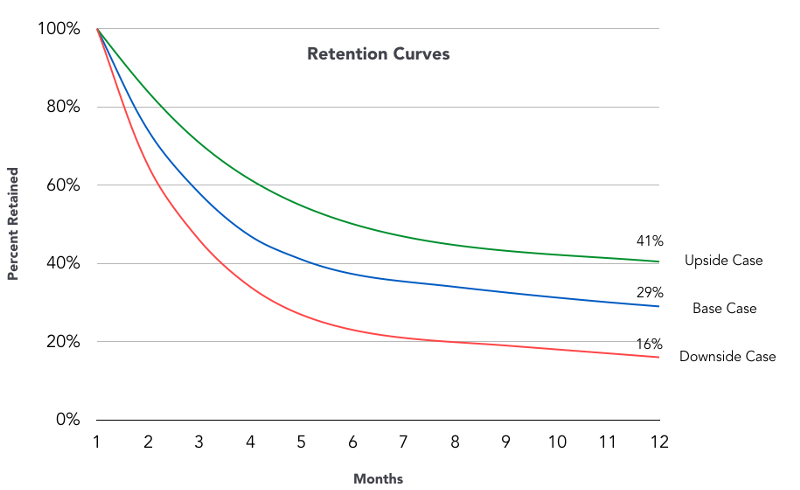
This metric tracks whether users who try a feature continue using it over time. It helps you understand if the feature is just a novelty or if it becomes part of their regular behavior.
You can track this over specific intervals like 7, 14, or 30 days. High drop-off after first use often signals that the feature didn't deliver on expectations.
Formula: Feature retention rate = (Users who used the feature again after X days / Users who used it at least once) x 100
5. Feature-specific NPS or CSAT scores
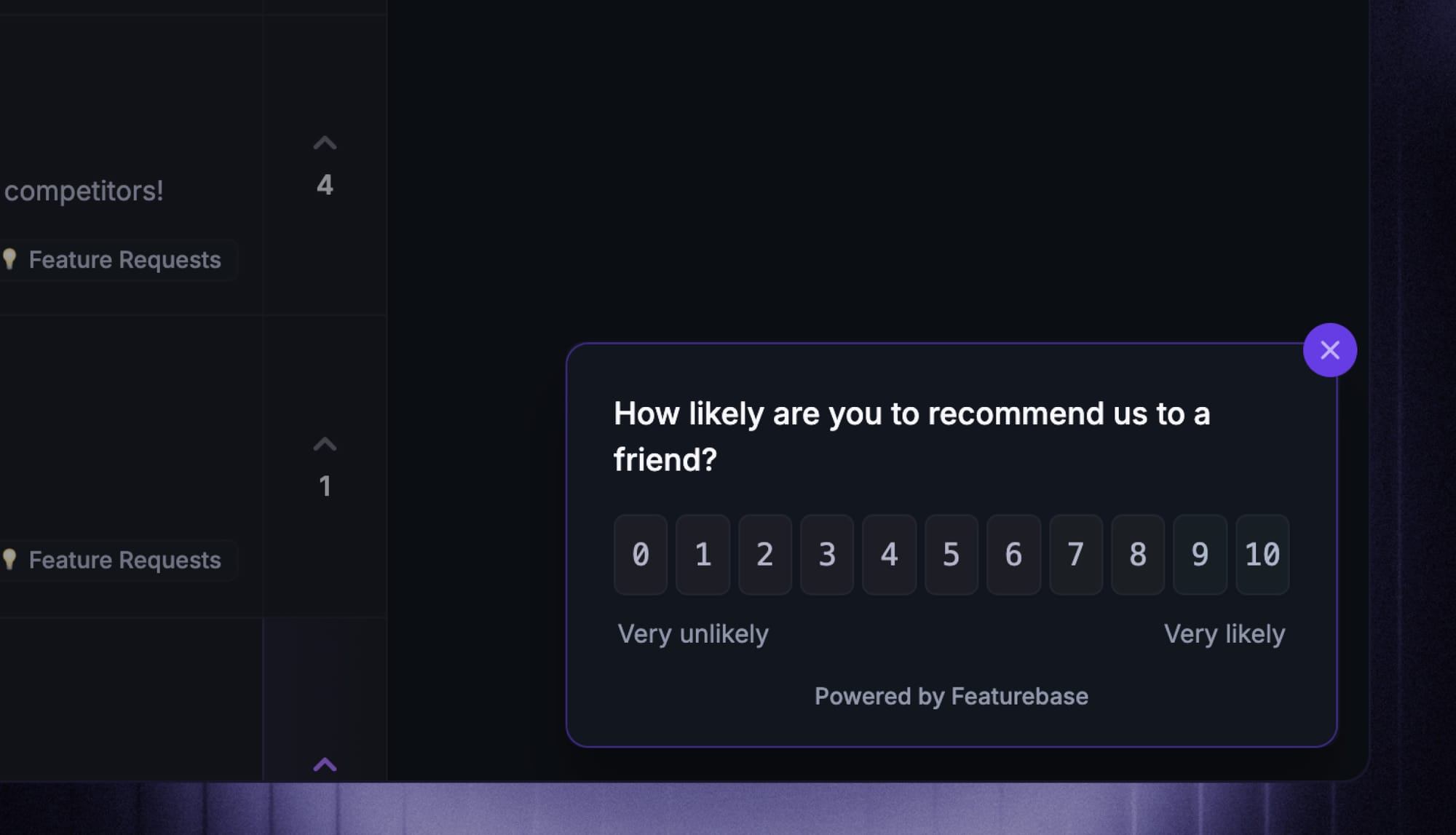
NPS and CSAT capture how users feel about a feature after trying it. They don't just measure usage. They reflect satisfaction and perceived value.
You can collect this through pop-up surveys, thumbs up/down prompts, or targeted NPS questions tied to the feature experience.
Example question: "How satisfied are you with the new reporting feature?"
CSAT formula: CSAT = (Number of positive responses / Total responses) x 100
These insights help you prioritize which features need improvement and which deserve more promotion.
6. Funnel completion rate (for multi-step features)
This metric is useful for features that require users to complete multiple steps, like setting up an integration or building a report. It shows where users drop off and which steps cause friction.
Formula: Funnel completion rate = (Users who completed the flow / Users who started it) x 100
Use this to pinpoint exactly where users get stuck and what needs simplifying.
7. Impact on core business metrics
This isn't a single metric but rather a category that connects feature usage to broader outcomes like retention, upgrades, or support volume.
For example, users who engage with your automation tools might retain longer or submit fewer support tickets. Tracking this shows which features have the most impact on your bottom line.
Formula: Upgrade rate of feature users = (Upgrades from feature users / Total feature users) x 100
How to increase feature adoption: practical tips
The specific steps you take will vary based on your product, its features, and your user base. But here are some practical methods that work across the board.
Highlight new features in the app
Just launched something new? Don't just tell the world about it. Make sure the people who matter are informed. Some effective ways to announce new features and drive engagement include:
- Publishing a changelog
- Adding in-app notifications to the relevant audience
- Sending a newsletter highlighting the latest releases (and showcasing existing features too)
- Publishing a blog post explaining how the feature works
- Recording a short video walking users through the feature
- Getting testimonials from users who already tried it out
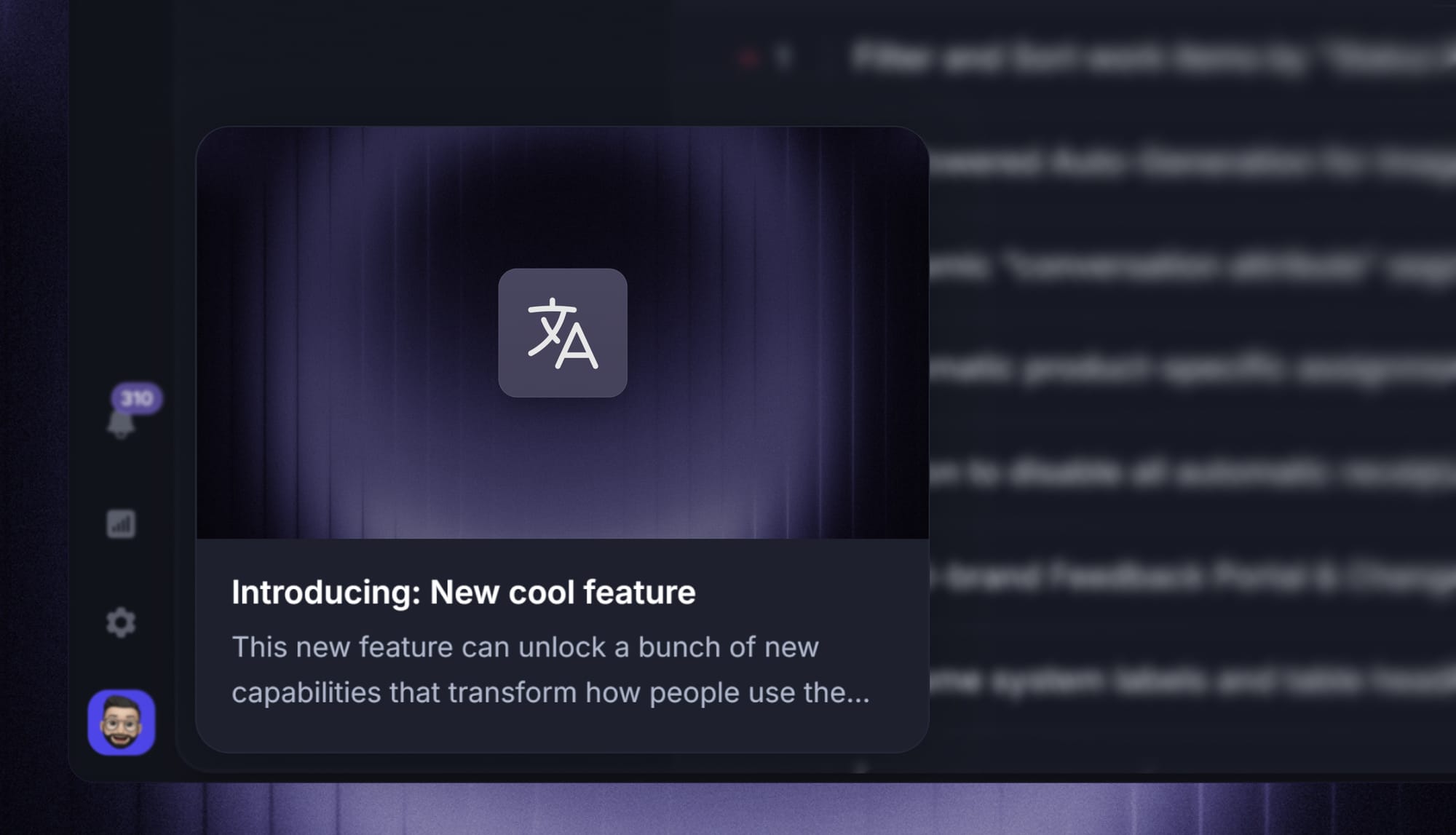
This can be a mostly automated process. Tools like Featurebase let you notify users about feature releases through changelogs with just a few clicks. If you've collected user feedback in the form of feature requests, you can even notify everyone who requested a specific feature through email, driving adoption further.
Create guided walkthroughs
The key to higher feature adoption rates is showing users how a feature helps them solve their pain points. You can do this in a few ways:
- Guide users through the feature in-app, taking them step by step through how it works.
- Record a video showing the process from start to finish.
- Create knowledge base articles about the feature and update them as improvements ship.
Use lifecycle emails
Use product analytics to understand user behavior and figure out who's using a feature and who isn't. If users are logging sessions but haven't tried a feature yet, send them a gentle reminder.
Ideally, you should segment your users by their unique pain points. For example, sales teams would specifically benefit from a new CRM integration. Send targeted emails to that group explaining how the integration saves time and effort.
Use in-app checklists during onboarding
Besides being satisfying to complete, checklists reduce human error. You can use them to gamify the feature adoption experience and remind users that they haven't fully explored a new feature until they've ticked everything off.
Measure and iterate per feature
Create a feature adoption report showing unused features and big hits. Choose and track key metrics so you can refine your approach over time.
To audit onboarding flows across regions, product teams may use tools like a VPN Chrome extension to check whether localized prompts, translated walkthroughs, and region-specific feature announcements appear correctly.
For example, if time to first use is too long, explore other ways to let users know about the release. If engagement drops off after first use, look at the feature's UX.
Collect feedback early
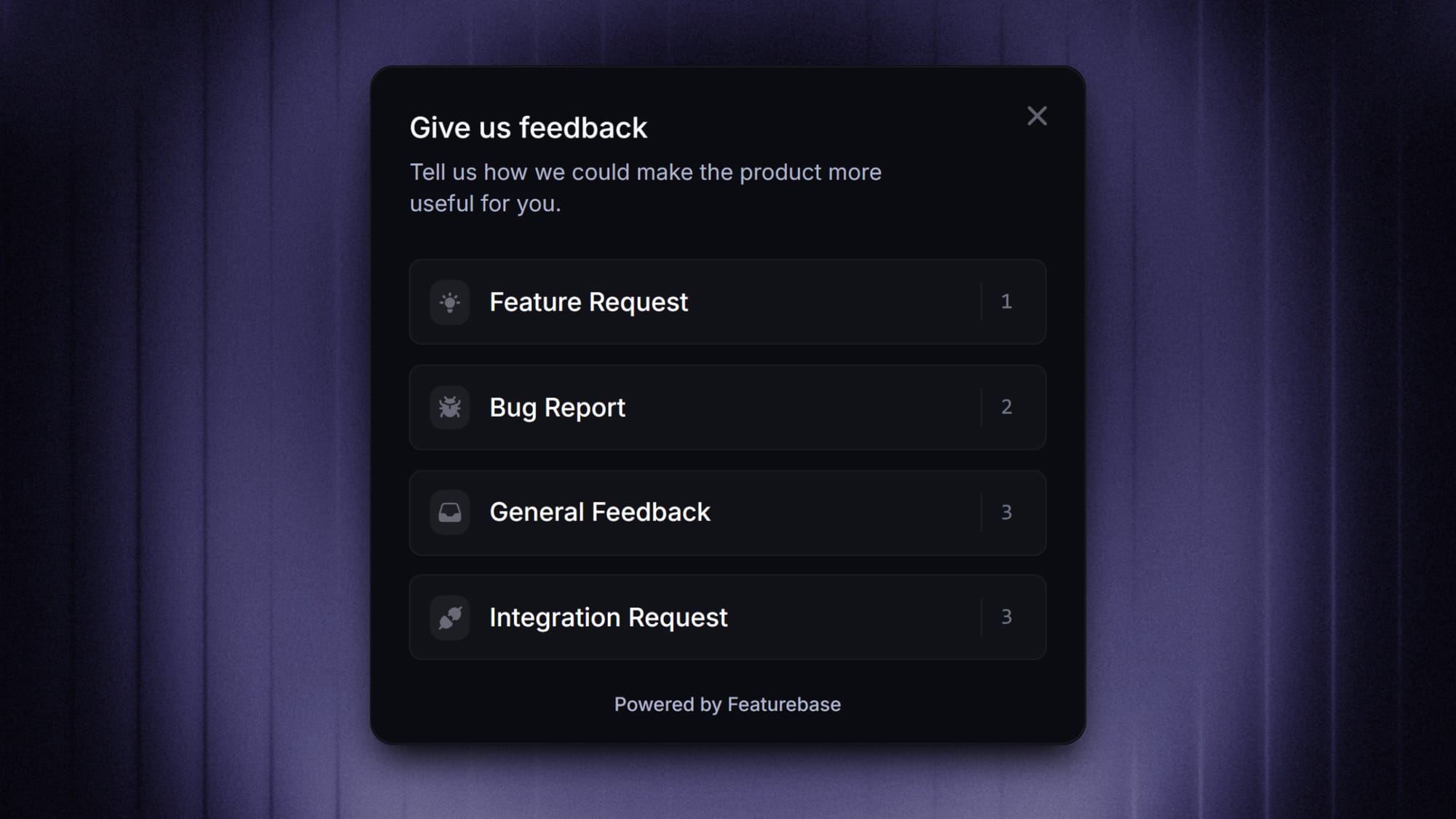
Track user behavior to see how many active users actually interact with new features. No matter how successful a feature seems, ask users about their experience.
As feedback rolls in, you'll learn what to build next and how to better announce future releases.
Use changelogs and release notes
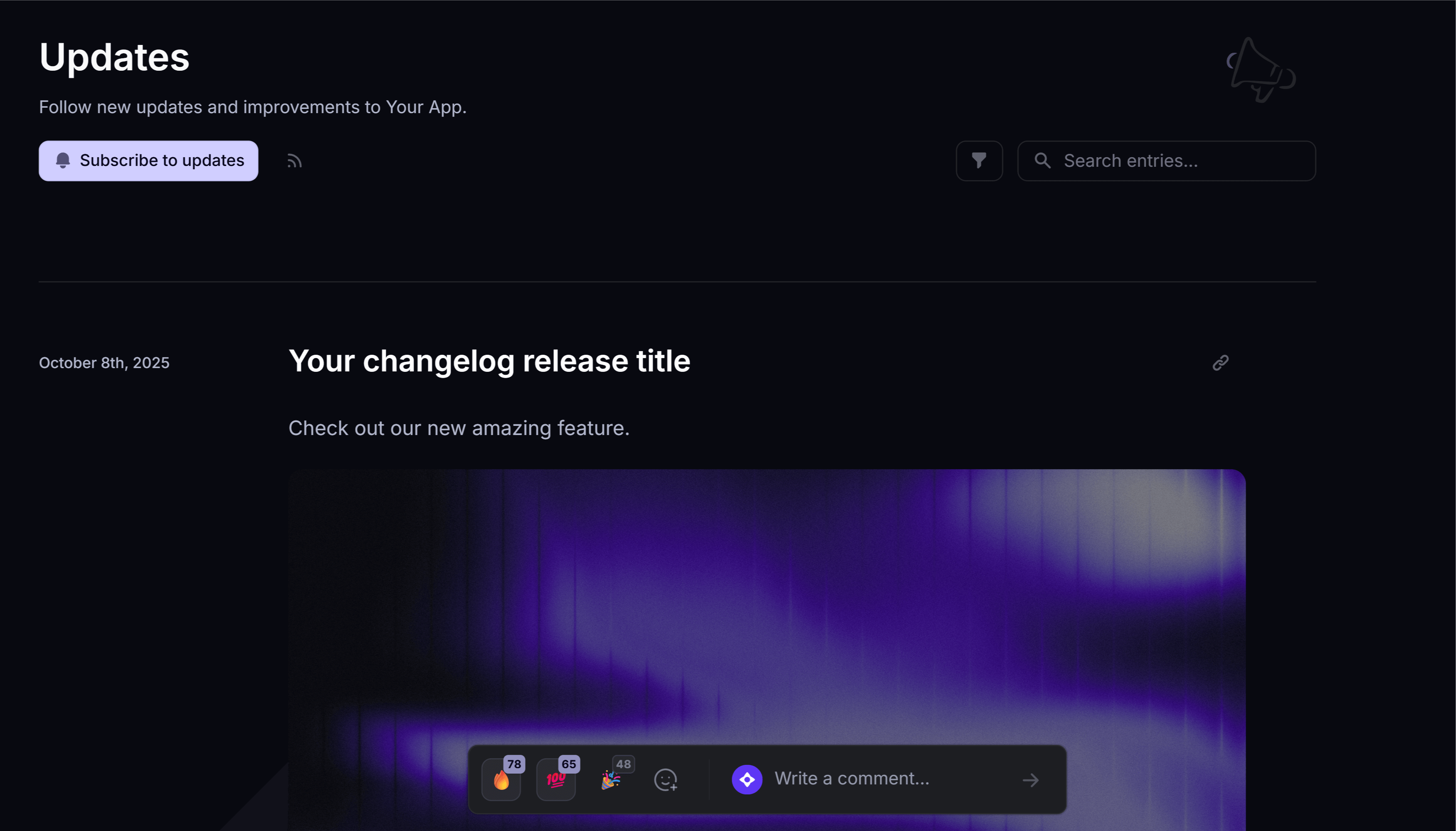
Changelogs are one of the final steps in the feature adoption funnel, and for some audiences, they're essential information hubs. Adoption starts earlier, with your feature release strategy. They let users see what you've released most recently and stay in the loop on product improvements.
Align features with real outcomes
Let's say you launched a new CRM integration and want to announce it. Why would your users care? Instead of selling the integration, explain what it does for the user.
For example: The CRM integration lets you instantly pull data from an email tool and auto-populate fields. It takes two clicks to connect and doesn't cost anything extra. The result? More accurate data, less manual work, and no need for third-party services like Zapier.
Show the user what's in it for them.
For example, when users encounter issues like a QR code not working, it’s a clear signal that friction in the experience needs to be addressed quickly to maintain trust and usability, something teams can proactively avoid by using reliable tools like Trueqrcode to ensure seamless access to key resources.
Top tools to increase feature adoption in 2025
The best way to increase and measure feature adoption is by using dedicated tools. They can help you communicate releases, build adoption funnels, and track how users interact with your product.
Featurebase ✨
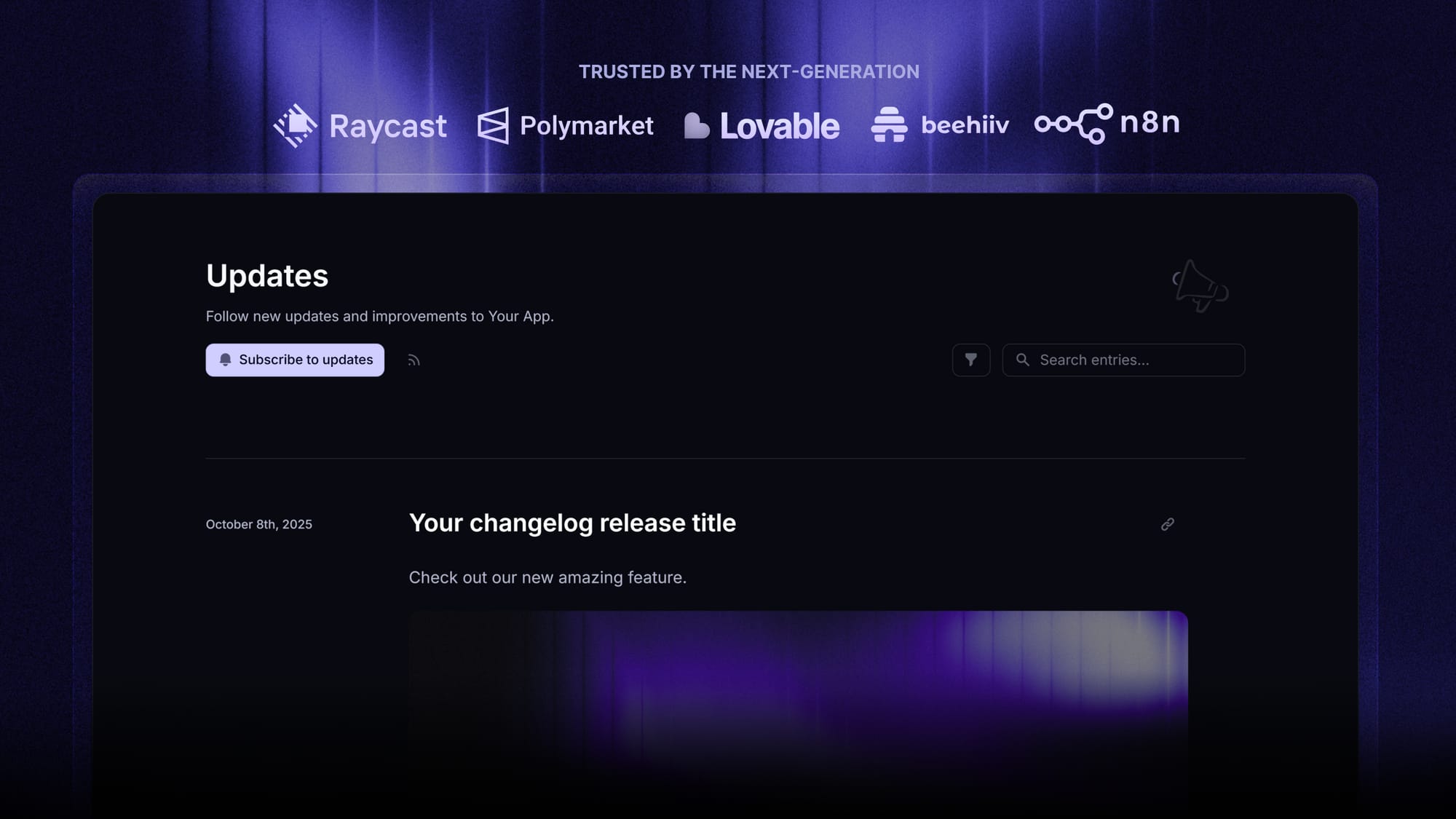
Featurebase is a modern feedback and product announcement platform that helps teams increase feature adoption by connecting product updates directly with user input. It's loved by thousands of product and marketing teams from companies like Lovable, Raycast, and n8n. 💫
Top features:
- Product updates - Announce product updates and increase feature adoption with in-app popups, notification emails, and a dedicated updates page
- Feedback collection - Centralize feedback with integrations, widgets, AI, and a public feedback forum. Let users vote on ideas and focus on the most impactful features
- Surveys (NPS, CSAT, etc.) - Create targeted surveys to ask users anything and measure customer satisfaction
- Help center - Provide self-serve support with an AI-powered knowledge base for instant, multilingual answers
- Workflows & automations - Automate repetitive tasks like routing conversations, collecting customer data, and more
Plus, it integrates with many popular tools you likely already use, like Linear, Jira, Slack, and more.
Pricing: Featurebase comes with a Free plan, with paid plans starting at $29/seat/month. The onboarding is super fast, so there's no downside to trying it. 👇

Start announcing updates with Featurebase for free
Beautiful release notes that drive adoption - effortlessly, with no code
Pendo
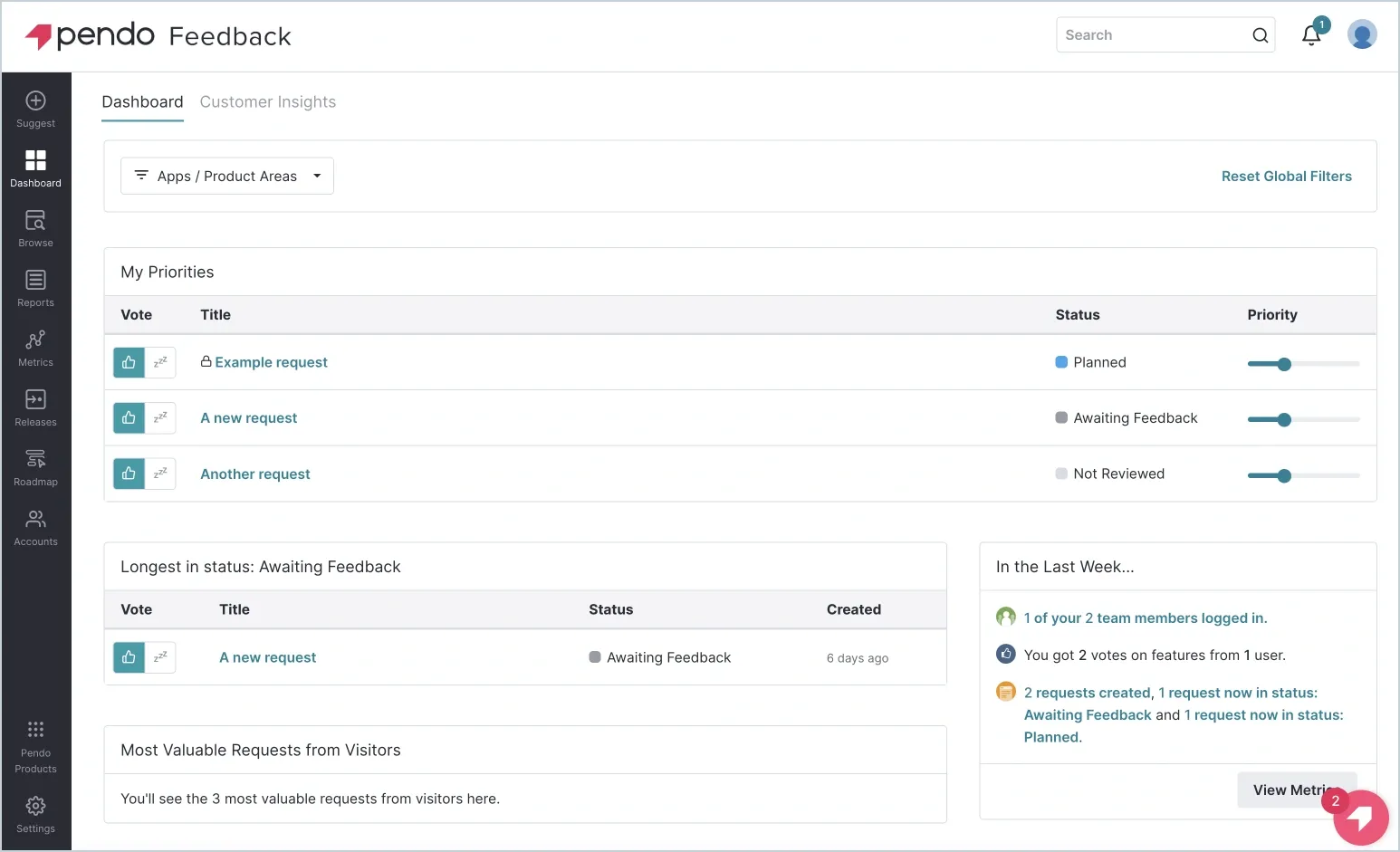
Pendo combines product analytics with in-app messaging, making it a strong option for companies that want to measure and drive feature usage in one place. You can use click tracking and user paths to find underused features, then set up tooltips, guides, and onboarding flows to boost adoption.
Key features that support feature adoption:
- Behavior-based in-app guides that trigger based on feature usage
- Feature usage tracking with no-code tagging
- Segmentation tools to target messages to specific cohorts
- Surveys and feedback collection tied to product interactions
- Goal tracking to measure adoption over time
Pendo is especially useful for product teams that want to move quickly from insight to action with targeted guidance.
Appcues
Appcues helps product teams improve onboarding, guide users through complex workflows, and highlight features in context. It offers a drag-and-drop builder for walkthroughs, modals, banners, and checklists that can all be triggered based on user behavior.
Top adoption-driving features:
- Interactive product tours that guide users through new features
- Checklists to nudge users toward completing key tasks
- Targeted in-app messages for feature announcements or reminders
- Segmentation based on behavior or user attributes
- A/B testing to optimize which methods drive the most engagement
Appcues gives teams a way to increase discoverability and understanding of features without relying on devs to build onboarding flows from scratch.
Userpilot
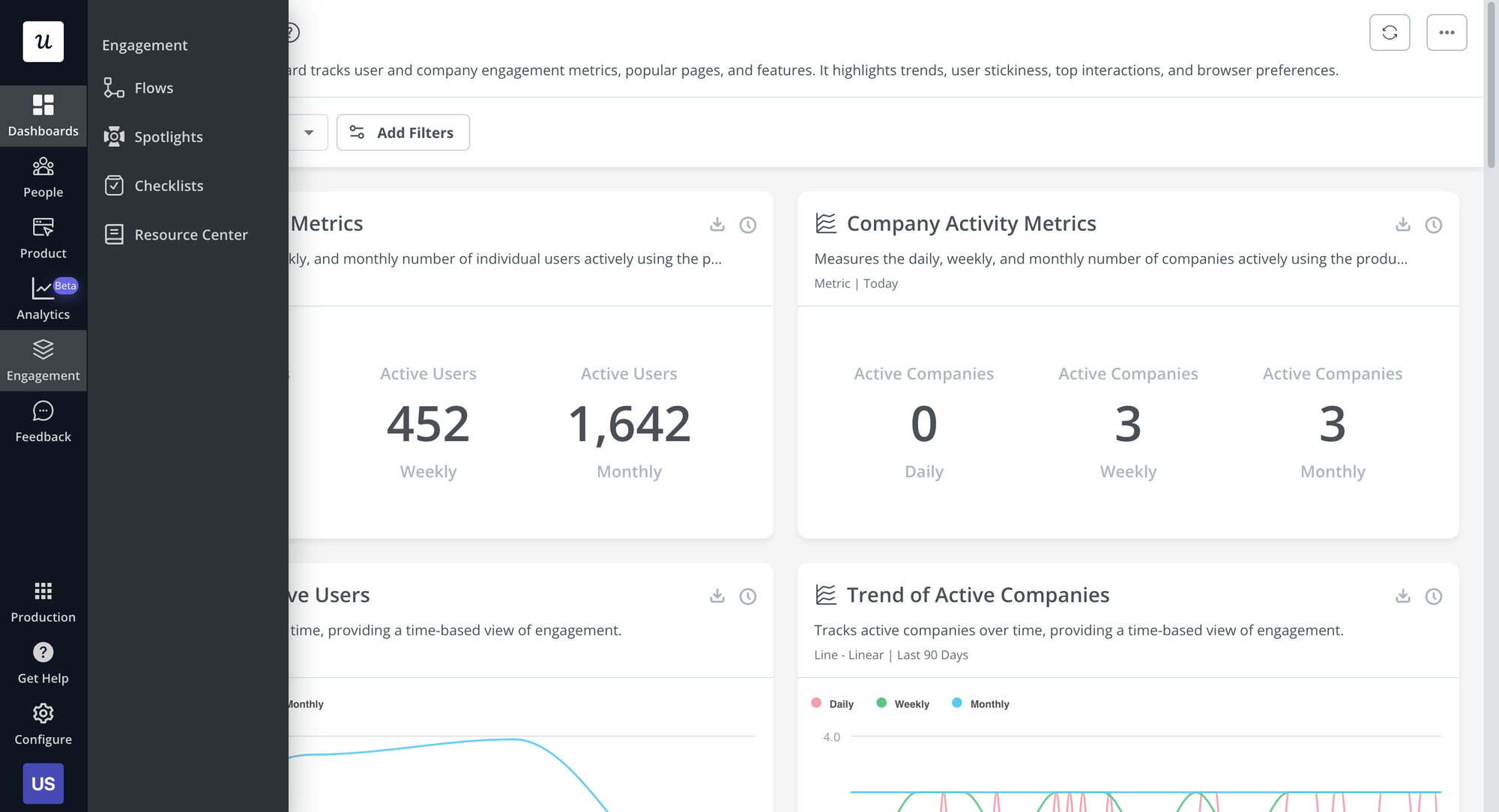
Userpilot focuses on helping SaaS companies deliver personalized experiences that boost feature usage across the customer journey. You can build tooltips, onboarding flows, checklists, and NPS surveys that appear at exactly the right moment based on user behavior or milestones.
Key feature adoption tools:
- No-code product tours and hotspots to highlight new or complex features
- Onboarding checklists that encourage feature-related task completion
- In-app announcements tied to product updates
- Goal tracking and analytics to see which features users adopt
- User segmentation to target messaging by plan, activity, or lifecycle stage
Userpilot is a solid choice for teams that want to increase feature adoption without overwhelming users, keeping the experience contextual and non-intrusive.
Wrapping up
A good feature adoption strategy comes down to two things: communicating your releases effectively and collecting user feedback to keep improving. When you combine both, you create a flywheel where each release performs better than the last.
Featurebase is a modern announcement and feedback platform that helps you increase feature adoption by connecting product updates directly with user input. You can announce new features through email, changelogs, and in-app popups, then collect and manage feedback to understand what to build next.
It comes with a Free plan, and the onboarding is super quick, so there's no downside to trying it. 👇
✨ Start announcing updates & drive engagement with Featurebase for free →