Blog Customer Feedback8 Most Important Customer Success Roles and Responsibilities
8 Most Important Customer Success Roles and Responsibilities
Have you heard of customer success teams but aren't quite sure what they do? You’re not alone! This often-overlooked department could be the key to keeping your customers happy and loyal. Find out why and how!

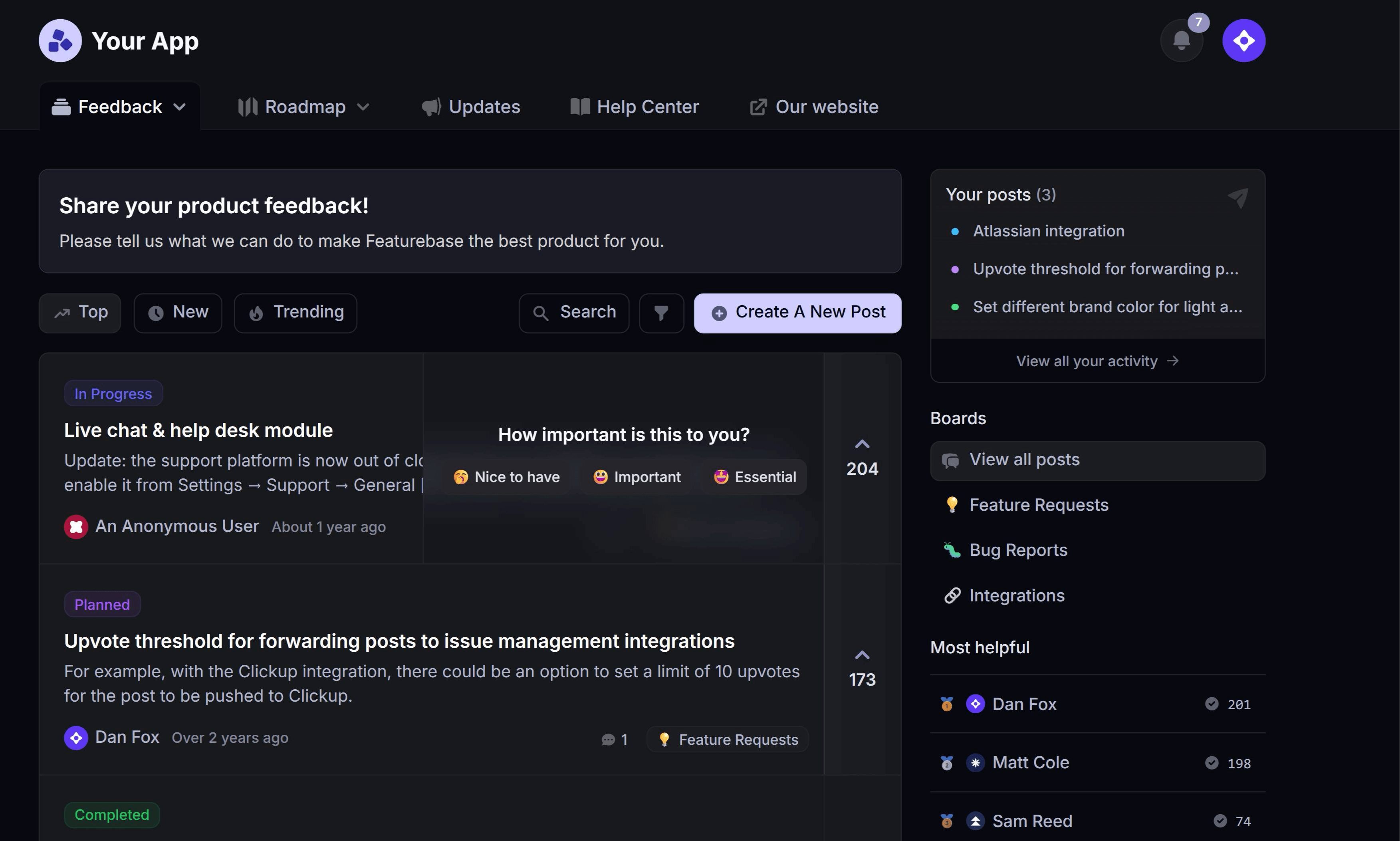
✨ Start providing support & driving customer success with Featurebase for free →
The term "customer support" is fairly common in everyday language use. But ask the people around you for "customer success" and they may not know what this department is and what people do there. And even though it may seem new, customer success as a term has been around for almost 30 years.
Every one of these roles leans on a core set of customer service skills, from active listening to product knowledge, regardless of seniority.
Today, we'll show you what the customer success department does, the most important roles in a customer success team, and why you might consider building this department for your business.
What does the customer success department do?
The customer success department in a company ensures that whatever product or service the customer purchases, they should achieve their desired outcomes.
For example, if someone bought software for invoice tracking, they should ensure that this customer successfully integrates the software into their workflow, adds invoices, tracks them, and ensures that they are paid.
In other words, customer success teams should make sure that when a customer pays for a product or service, they get their worth out of it.
The main responsibilities of customer success roles include:
- Onboarding: making sure customers know how to find their way around your product or service immediately after purchasing
- Customer education: showing customers best practices for using your product or service, ultimately driving customer loyalty
- Improving customer retention: ensuring that customers achieve their goals and stay with your brand for the long term
- Upselling and cross-selling to existing customers: ensuring new revenue growth by offering related products or services to existing and new customers, supported by continuous enablement and practice through real-world simulations using AI sales roleplay tools.
- Relationship building by improving customer satisfaction: getting in touch with the customer base and improving customer experience, one call or email at a time
- Performance tracking: making sure each customer achieves relevant metrics for product adoption
- Collecting customer feedback: running surveys, questionnaires, polls, interviews, and more to gather feedback from customers, then reporting back once the feedback is implemented

Effective customer success can create brand advocates and generate valuable word of mouth. For instance, our customer shared this post just minutes after onboarding—we hadn't even asked for it.
Customer success vs. customer support
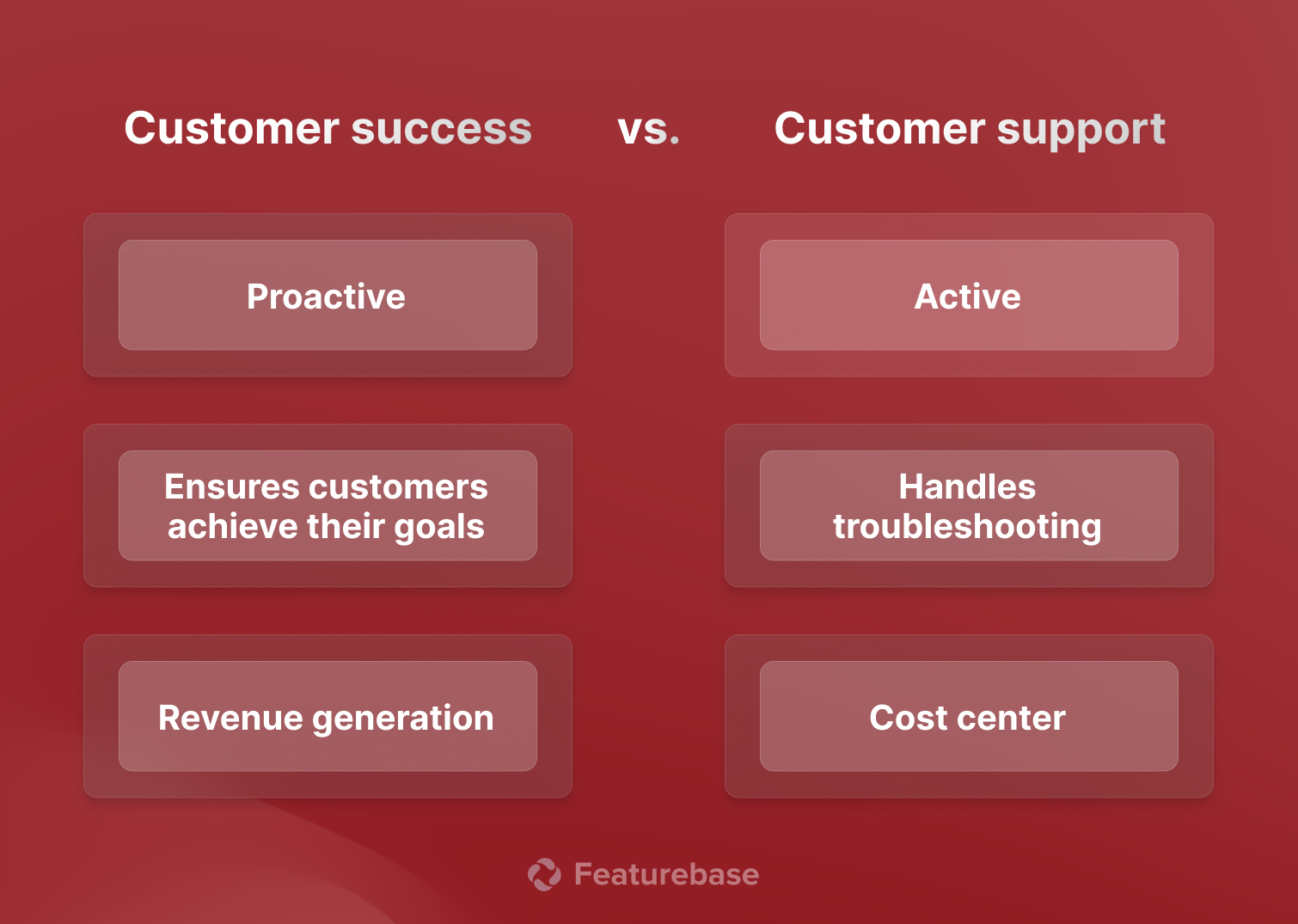
There are three key differences between customer support and customer success teams:
- Goal: customer success is proactive and success-oriented, while customer support is reactive and oriented to solving problems
- Approach: customer success builds strategic, ongoing relationships, while customer support is transactional and tactical
- Timing: customer success is proactive, while customer support is reactive
With that out of the way, let's define roles that should be present in most customer success teams. 👇
The 8 most important customer success roles you should know about
Wondering which customer success role to hire for first? Or whether you need more customer success managers or a chief customer officer? And many of these responsibilities sit inside a dedicated support operations team, which typically includes an operations manager, systems analyst, trainer, and QA lead.
Here are all the customer success roles you should know about.
1. Customer Success Manager (CSM)
Customer success managers are the first point of contact after the purchase is finalized. The customer success manager role is the first one most companies hire as it spans different duties.
This person checks what the customer knows and doesn't know about the product and fills those gaps. They guide the onboarding of new customers, provide ongoing support, and build relationships.
2. Customer Success Director/VP
They can also be called a Chief Customer Officer. This customer success role is in charge of the entire team.
Their goal is to make sure that the performance of the entire customer success team aligns with the overarching company goals, mission, and vision. They manage the team, keep track of customer success metrics like NPS, and come up with and monitor the performance of customer success initiatives.
3. Onboarding Specialist
In a smaller team, customer success managers do everything. But if you have the budget and need for more customer success roles, a dedicated onboarding specialist is a great addition to the team.
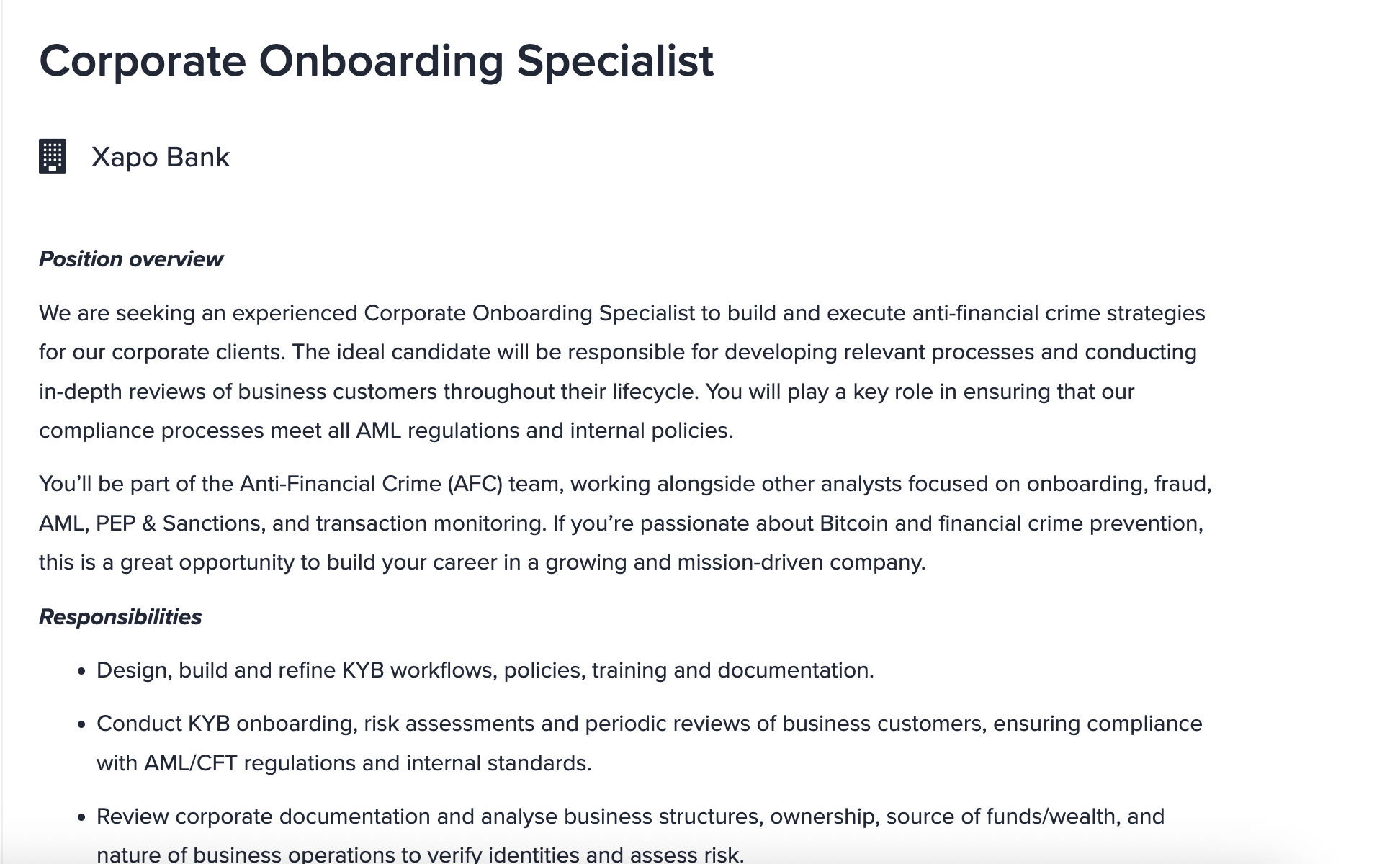
This person helps new customers get started with a product or service, improving customer satisfaction and product adoption from day one. They give appropriate training to each customer and set the product up for each customer, ultimately driving customer retention.
4. Customer Success Operations Manager
In a larger customer success team, the operations manager takes care of all the tools, processes, and data used by the department.
They optimize processes, make sure customer data is handled in a safe and efficient way, and manage the CRM app. Ultimately, they ensure that each member of the customer success team has what they need to thrive in their role.
5. Renewal Specialist
In businesses with a monthly or annual recurring contract model, a renewal specialist makes sure that customers renew their contract for a new period.
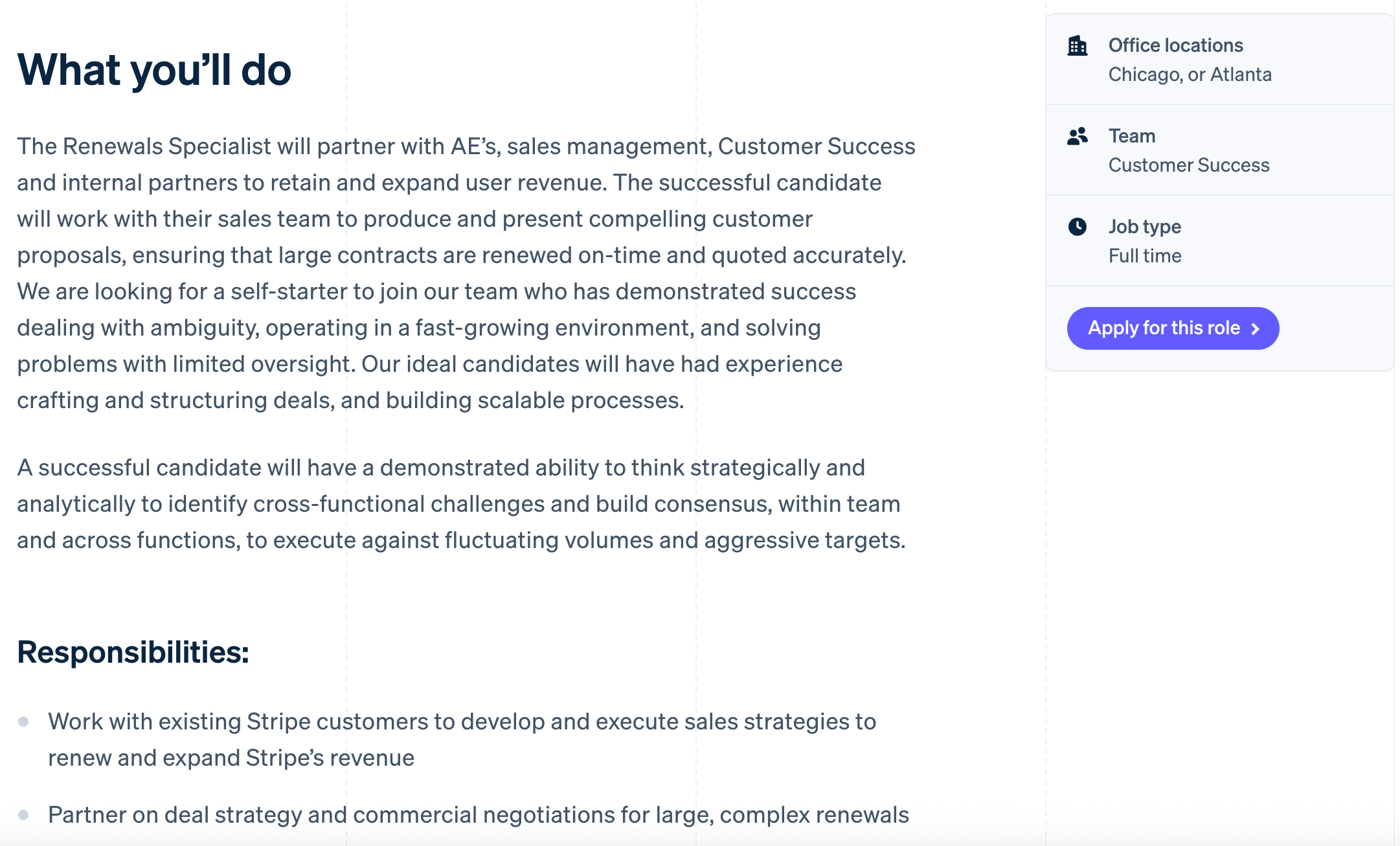
They manage the renewal process, negotiate the terms of the renewal, and work closely with customer success managers to ensure there are no roadblocks to renewal.
6. Customer Support Representative
Many professionals explore customer support jobs in remote settings, as these roles are well-suited for distributed teams and global companies.
They provide reactive support and help customers resolve problems they may run into while using the product. They respond to customer inquiries, troubleshoot issues, and, if complex problems arise, escalate them to the appropriate team(s). For example, healthcare outsourcing companies that have experienced people to take care of your clients.
7. Product Specialist/Consultant
The product specialist is the technical expert who knows the ins and outs of using the product the company is selling. When a customer success manager or onboarding specialist has a complex question from the customer, the product specialist steps in.
They provide in-depth answers to technical questions, assist with technical implementation, and offer consultative support. In teams without this role, the senior customer success manager handles this part of the job.
8. Customer Success Analyst
The analyst takes a look at the customer data and analyzes it to identify opportunities, trends, and risks. They ensure that the team makes data-driven decisions, increasing customer retention and giving way for new customer success initiatives.
They analyze data, report on customer success health metrics, and provide suggestions for improvement, e.g., in the customer journey or relationship management.
The most important customer success skills
Wondering what to look for when hiring for a customer success manager position? These are the most important skills that anyone in this department should have.
- Communication skills: being able to communicate effectively, clearly, and with empathy, while showing industry knowledge
- Empathy: understanding customers' pain points and relating to their problems
- Problem solving: a mindset for getting down to the root of the problem, to ensure customers achieve their goals
- Product knowledge: deep technical expertise of the product or service they are trying to sell/help with
- Data analysis: the ability to look into and analyze key customer success metrics and determine which action to take next
- Time management: client success managers should ensure that issues are resolved promptly to achieve top customer experience
- Strategic thinking: the ability to create and develop strategies that align with overarching business goals
- Negotiation skills: knowing how to talk a customer into staying or signing up for an additional year of service
- Resilience: navigating customer complaints with ease while persuading them into staying with a business
- Customer-centric mindset: being focused on helping customers and increasing their overall satisfaction

Most customer success managers have all of these skills, but if your potential hire does not, don't worry. Most customer success manager skills can be taught through experience.
Beyond experience, many modern customer success teams now use AI-powered coaching and conversation intelligence tools to accelerate skill development.
Platforms like Kendo AI allow customer-facing teams to practice renewal and expansion conversations through realistic AI roleplay simulations and analyze real calls for structured feedback. This kind of hands-on practice helps improve communication, negotiation, and resilience in high-stakes customer interactions.
Coach Marlee, an AI coach, provides personalized coaching and development support to help individuals strengthen skills such as communication, problem-solving, strategic thinking, and empathy.
How to get started with a customer success career path
The great news is that most customer success jobs don't require specific education. Besides relevant experience and the use of certain customer success software, there is nothing stopping you from joining a CS team.
Here are some practical steps for getting into various customer success roles:
1. Understand what customer success actually means
Customer success is not the same as customer support. It’s proactive, not reactive. The focus is on helping customers get ongoing value from a product or service, which leads to renewals, expansions, and advocacy. Most roles revolve around:
- Onboarding new customers
- Driving product adoption
- Preventing churn
- Growing customer accounts
2. Build relevant skills
You don’t need a specific degree, but you do need strong soft and technical skills. Most of them in a customer success function translate well from other roles and can make your resume stand out when applying for customer success positions. In other words, if you've been maintaining customer relationships and listening to customer needs in other roles, you may already be equipped to be a part of a customer success team.
- Communication: Clear, empathetic, and effective verbal and written skills
- Problem-solving: Ability to identify challenges and work with customers and internal teams to resolve them
- Relationship management: Building trust and rapport with customers over time
- Product knowledge: Understanding how your company’s product works, often at a fairly detailed level
- Tools: Familiarity with CRMs (like Salesforce deployments, HubSpot, or Gainsight), support tools (like Zendesk or Intercom), and possibly analytics dashboards
3. Gain experience from related roles
If you're not in customer success yet, these roles often serve as good stepping stones:
- Customer support team member or technical support
- Account management
- Sales development (SDR/BDR)
- Onboarding or training roles
- Project management or implementation
- Maintaining customer health scores
In these roles, try to take on tasks that align with customer success goals, like improving retention or product adoption.
4. Start with entry-level CS roles
Look for titles like:
- Customer Success Associate
- Onboarding Specialist
- Client Services Coordinator
- Customer Experience Representative
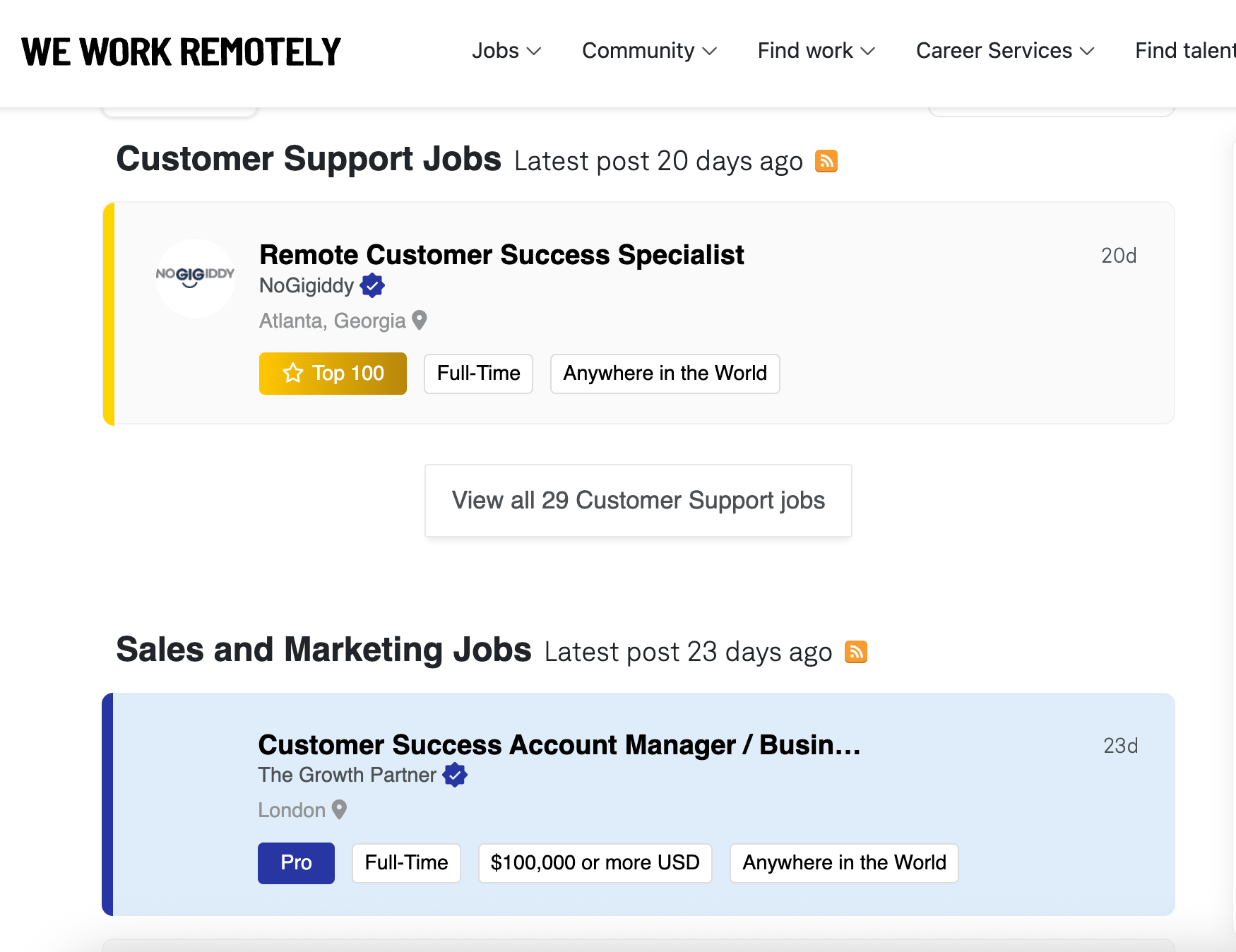
Tailor your resume to highlight relevant experience. For example, if you worked in support, mention how you improved customer satisfaction or reduced response times to achieve a seamless customer experience. Using a resume builder can help to create a custom resume within minutes that fits with each individual role you apply for.
There are now plenty of remote customer success jobs, so don't be afraid to venture out and apply globally.
A practical tip: reach out to recruiting agencies that specialize in SaaS and tech hiring they often work with tools like Jarvi to actively track and match candidates to open CS roles, meaning you could get surfaced to employers without competing in a public job posting.
5. Position yourself well
Whether it's an entry-level position or a senior one, you have to play to your strengths. Many times, creating the right kind of application will be enough to build a positive relationship with recruiters and HR specialists.
- Create a LinkedIn profile that shows customer-focused impact
- Join communities like Gain Grow Retain, CS Insider, or Catalyst’s Slack community
- Take courses or certifications (optional, but helpful). Look into free or affordable ones from SuccessHACKER, HubSpot Academy, or Catalyst.
6. Practice the interview basics
You could work in customer success in different industries and companies, but the bulk of the job responsibility stays the same. This is great news for you because you can prepare for interviews even without the technical know-how.
CS interviews often include scenario questions like:
- “How would you handle an angry customer threatening to cancel?”
- “How do you measure success in a customer account?”
Have clear, concise stories prepared that show empathy, problem-solving, and initiative.
It also helps to rehearse against a fuller list of customer service interview questions so nothing catches you off guard on the day.
Wrapping up
Customer success is crucial for any company that wants to focus on retention and customer satisfaction instead of simply acquiring new customers. No matter the industry, this department provides invaluable customer assistance and contributes to a business's revenue and overall health.
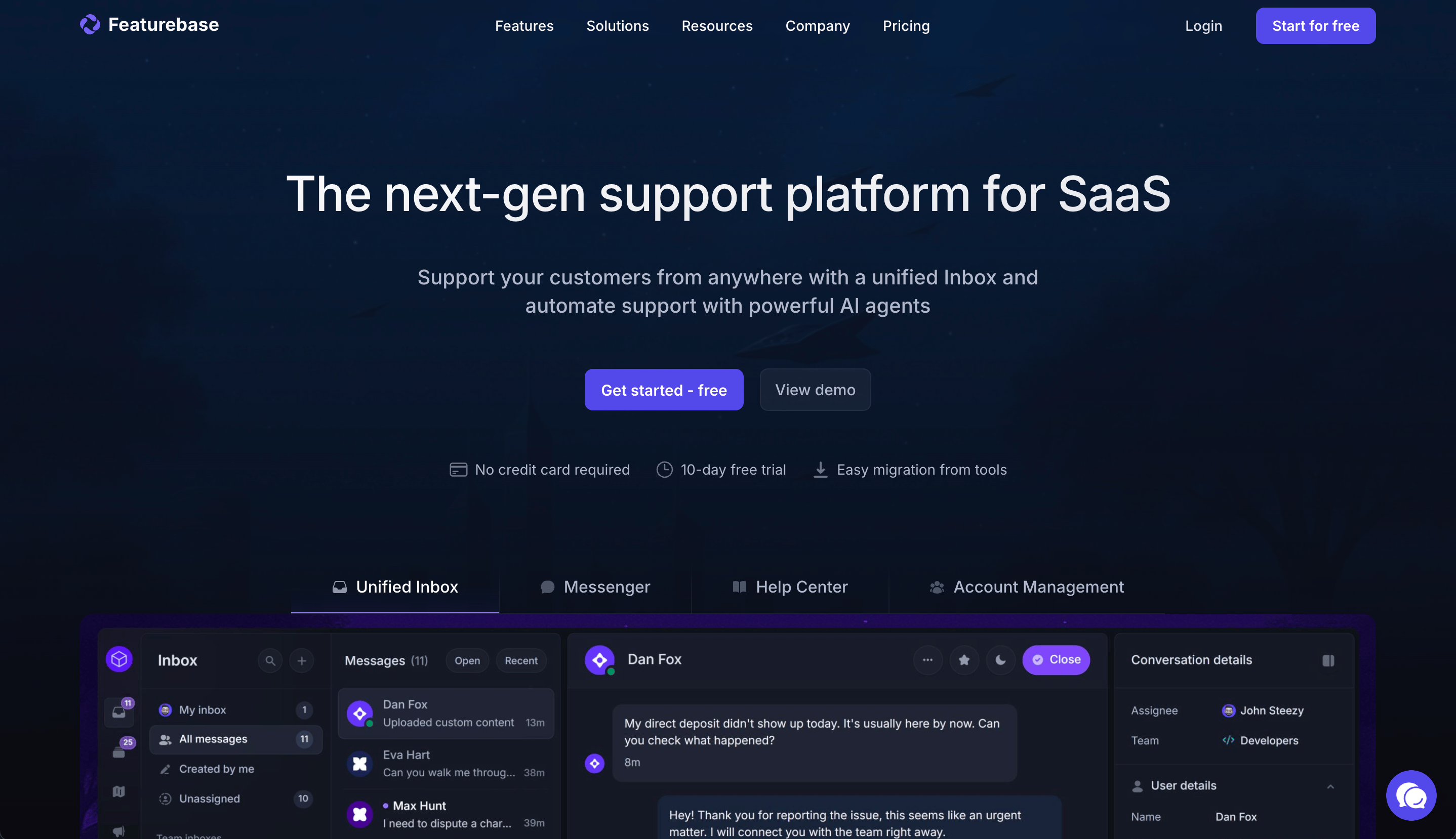
Featurebase is a modern support & feedback platform. It helps you replace 5+ tools by letting you support customers, collect feedback, announce product updates, and build a Help Center – all in one place. It has helped thousands of companies like Lovable, Polymarket, and Elementor reach the next level by building products users love.
What's best is that it comes with a Free plan, and the onboarding is super simple, so there's no downside to trying it out! 👇
✨ Start providing support & driving customer success with Featurebase for free →
Frequently asked questions
What is the role of a Customer Success Manager (CSM)?
A Customer Success Manager ensures that customers achieve their desired outcomes while using a company's product or service. They work proactively to foster strong relationships, guide onboarding, monitor usage, and address potential issues to enhance customer satisfaction and retention.
How does customer success differ from customer support and account management?
Customer success is proactive, focusing on helping customers achieve their goals and derive value from a product. In contrast, customer support is reactive, addressing specific issues as they arise. Account management often centers on sales and contract renewals, whereas customer success emphasizes long-term customer engagement and success.
What are common customer success jobs?
Typical roles include Customer Success Manager, Customer Success Specialist, Onboarding Manager, Renewal Manager, and Customer Success Operations Manager. Each position plays a part in ensuring customers have a positive experience and achieve their objectives with the product or service. Not sure where to apply? Visit a few job boards to see which business functions appear most frequently.
Why is customer success important for businesses?
Effective customer success strategies lead to increased customer satisfaction, reduced churn rates, and higher lifetime value. By ensuring customers achieve their goals, businesses can foster loyalty, encourage repeat business, and benefit from positive word-of-mouth referrals.
What skills are essential for a career in customer success?
Key skills for customer success professionals include strong communication, empathy, problem-solving, and a customer-centric mindset. In other words, mostly soft skills are needed to build long-term relationships. Familiarity with customer relationship management (CRM) tools and data analysis can also be beneficial in understanding customer behaviors and needs.