Blog Customer ServiceCustomer Complaints: 12 Examples and How to Handle Them
Customer Complaints: 12 Examples and How to Handle Them
Customer complaints are inevitable. Here are 12 real customer complaint examples, how to handle each one, and how to turn recurring complaints into fixes that stick.


✨ Automate your support with the fastest AI-enhanced Inbox today →
Every business gets customer complaints. What separates the good ones is what they do next, because most unhappy customers never say a word. They just leave.
In fact, 32% of customers say they will walk away from a brand they love after just one bad experience.
This guide walks through 12 real customer complaint examples, how to handle each one, and how to turn recurring complaints into improvements. 👇
Key takeaways:
- Customer complaints are negative feedback about your product, service, or support experience, and every business gets them.
- Most common complaints cluster around a few themes: slow responses, product quality, unhelpful service, and poor communication.
- A strong complaint response follows a simple pattern: acknowledge, empathize, solve, and follow up.
- Recurring complaints are a goldmine. Tracking them shows you exactly what to fix before more customers churn.
- Featurebase✨ lets you handle complaints across live chat, email, and Slack, and turn recurring ones into a prioritized feedback board, all in one place.
What are customer complaints?
A customer complaint is any expression of dissatisfaction with your product, service, or support experience. It can arrive privately through an email, a support ticket, or a survey, or publicly through a review site or social media.
Complaints feel like setbacks, but they are really free diagnostics. Each one points to a gap between what a customer expected and what they got. Ignore them and you lose customers quietly. Act on them and you get a clear roadmap for what to improve.
The stakes are high. With nearly a third of customers willing to walk away from a brand they love after a single bad experience, one unhandled complaint can be the difference between a loyal customer and a lost one.
The main types of customer complaints
Before the examples, it helps to know the 3 broad buckets most complaints fall into. Sorting a complaint into one of these tells you who needs to be involved in the fix:
- Product-related: The product is defective, low quality, missing a feature, or does not match what was advertised. These often need your product or engineering team.
- Service or people-related: A rude agent, a long hold, or an unhelpful interaction. These are about how your team treats customers and are usually fixed through training and staffing.
- Process-related: Confusing policies, repeated information requests, or clunky checkout and delivery flows. These are friction points baked into how your business runs.
Most complaints are a mix, but naming the primary type keeps your response focused and gets it to the right people faster.
12 customer complaint examples (and how to handle them)
Below are 12 of the most common customer complaints, each with a realistic example and a practical way to respond.
1. Long wait times and slow responses
"I've been on hold for 40 minutes just to ask about one charge." Slow responses are the single most common complaint, and expectations keep rising. When people reach out, they are often already frustrated, so every extra minute makes it worse.
How to handle it: Look at when your volume spikes and staff those windows properly. Add callback options and autoresponders that set a clear expectation for when someone will reply, and lean on self-service so simple questions never reach the queue.
2. A defective or poor-quality product
"This arrived cracked and it won't turn on." When a product fails or does not match what was promised, the customer feels let down and out of pocket.
How to handle it: Acknowledge the problem, then tell the customer exactly how you will fix it and by when. Offer a replacement, repair, or refund, and send a prepaid return label so the burden is on you, not them. Log the defect so your product team can spot a pattern.
3. Rude or unhelpful staff
"The person I spoke to made me feel like I was wasting their time." A single bad interaction with an agent can undo years of goodwill.
How to handle it: Let the customer know you take it seriously and have someone other than the original agent respond. Review the interaction internally as a coaching opportunity rather than a punishment, and reassure the customer it will not happen again.
4. Having to repeat the same information
"I've explained this three times to three different people." Being bounced around and re-explaining an issue is one of the fastest ways to turn a small problem into an angry one.
How to handle it: Give agents a shared view of the full conversation history so context follows the customer. When someone takes over a case, open by summarizing the issue and confirming it, so the customer knows they were heard.
5. Billing errors and unexpected charges
"I was charged twice and no one warned me about the renewal." Money complaints carry extra emotional weight, and vague answers make them worse.
How to handle it: Investigate quickly, explain the charge in plain language, and correct any genuine error without making the customer fight for it. If a policy is behind the charge, share the relevant part transparently instead of hiding behind fine print.
6. Late, wrong, or damaged deliveries
"The tracking says delivered, but nothing arrived." Delivery issues spike during busy seasons and are often outside your direct control, which makes them tricky.
How to handle it: Track the package yourself before asking the customer to do anything. If it is genuinely lost or wrong, arrange a replacement and a return, and offer a small goodwill gesture for the inconvenience. Keep the customer updated rather than going silent.
7. An item is out of stock
"I finally decided to buy and now it's gone." Out-of-stock complaints are time-sensitive, and the frustration grows the longer an item is unavailable.
How to handle it: Share whatever information you have. If you know a restock date, give it. Offer to add the customer to a waitlist and notify them automatically, and suggest a comparable in-stock alternative. Never promise a return date you cannot hit.
8. No way to reach a human
"I just want to talk to a person, not a menu." Poorly designed phone trees and chatbots that loop endlessly leave customers feeling trapped.
How to handle it: Make the path to a live agent obvious and short. Automated systems should resolve simple issues and hand off cleanly to a human the moment they cannot, with the full context passed along so the customer does not start over.
9. Not enough self-service options
"I searched your site for an hour and found nothing." Around 7 in 10 customers try to solve a problem themselves before contacting support, and hitting a dead end is genuinely frustrating.
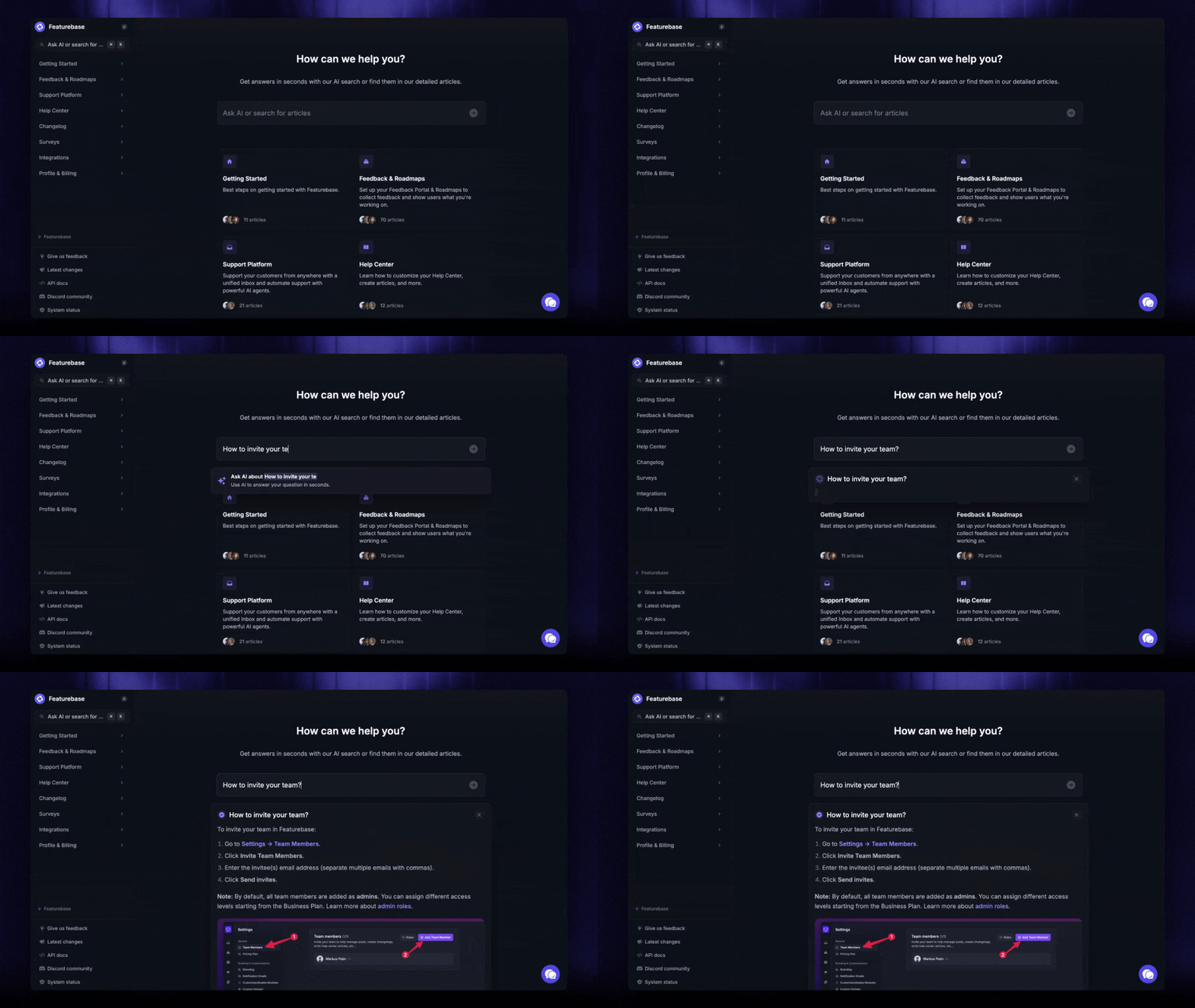
How to handle it: Build and maintain a searchable knowledge base that answers your most common questions. When an article does not exist yet, create a quick guide for that customer, then turn it into a permanent help article so the next person finds it instantly.
10. Inconsistent answers across channels
"Your website, your chat, and your email all told me something different." When your site, store, and support reps are not aligned, customers feel misled even when no one meant to mislead them.
How to handle it: Give the correct answer straight from the source, and flag the inconsistency internally so it gets fixed everywhere. A single source of truth for policies and pricing prevents the same contradiction from repeating.
11. A missing feature or unmet expectation
"It does almost everything I need, except the one thing I bought it for." Feature requests dressed up as complaints are actually a great sign. They mean the customer is invested enough to tell you what would keep them.
How to handle it: Thank them, and be honest about whether it is on your radar. Share a workaround if one exists, and log the request so it counts toward prioritization. Closing the loop later, when you ship it, turns a complaint into loyalty.
12. A bad experience aired publicly on social media
"Posting here since no one answered my emails." Public complaints are visible to everyone, so they carry reputational risk and demand a fast, calm response.
How to handle it: Respond quickly and politely in the open to show you are listening, then move the details to a private channel to resolve them. Once it is sorted, the customer will often update or remove the post on their own.
Best practices for handling any customer complaint
The examples differ, but a reliable response follows the same 4 steps no matter the complaint:
- Acknowledge: Confirm you understand the issue and, where you fell short, own it. People want to feel heard before they hear a solution.
- Empathize: Show you get why they are frustrated. A little warmth de-escalates far more than a scripted apology.
- Solve: Offer a concrete fix, or the closest thing you can do, with clear timelines you will actually meet.
- Follow up: Check back to confirm the issue is truly resolved. This is the step most teams skip, and the one customers remember.
Lead with honesty throughout. Sugarcoating or over-promising only drags the interaction out and erodes trust.
How to turn recurring complaints into product improvements
Handling a complaint well saves one customer. Spotting a pattern across complaints saves hundreds. Complaints are rarely one-offs, so the real win is tracking them, grouping them by theme, and feeding the biggest ones back to the teams who can fix the root cause. Done consistently, that is how you build a customer feedback loop instead of firefighting the same issues forever.
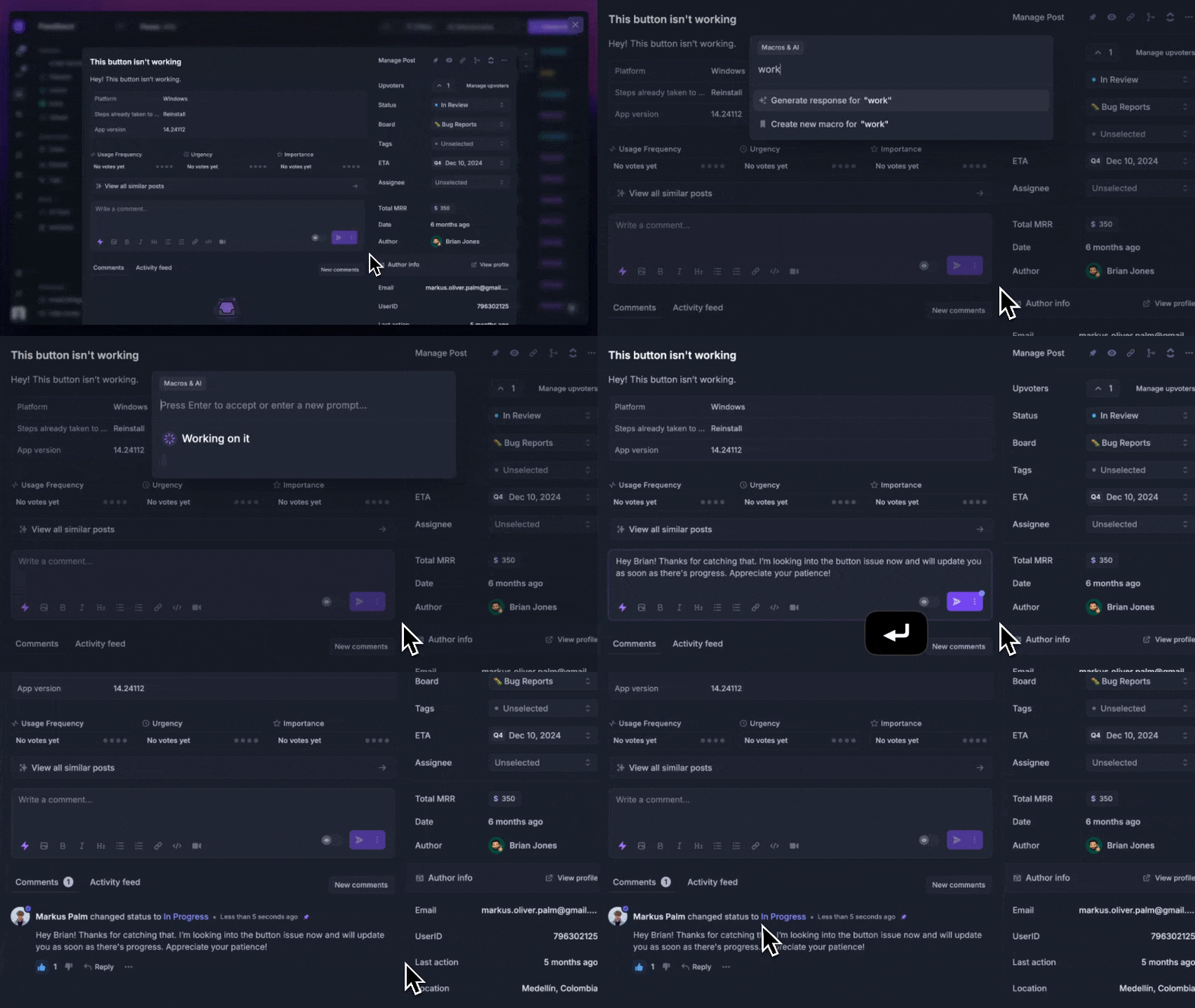
This is where treating complaints as feedback pays off. With Featurebase, you can collect recurring complaints and feature requests on a central board, and let AI categorization group large volumes of feedback into themes automatically, so the issues worth fixing rise to the top instead of getting lost in the inbox.
Handle and learn from complaints with Featurebase
Most teams juggle a separate help desk, feedback tool, and knowledge base to manage complaints. Featurebase brings them together, so responding to a complaint and learning from it happen in the same place. 👇
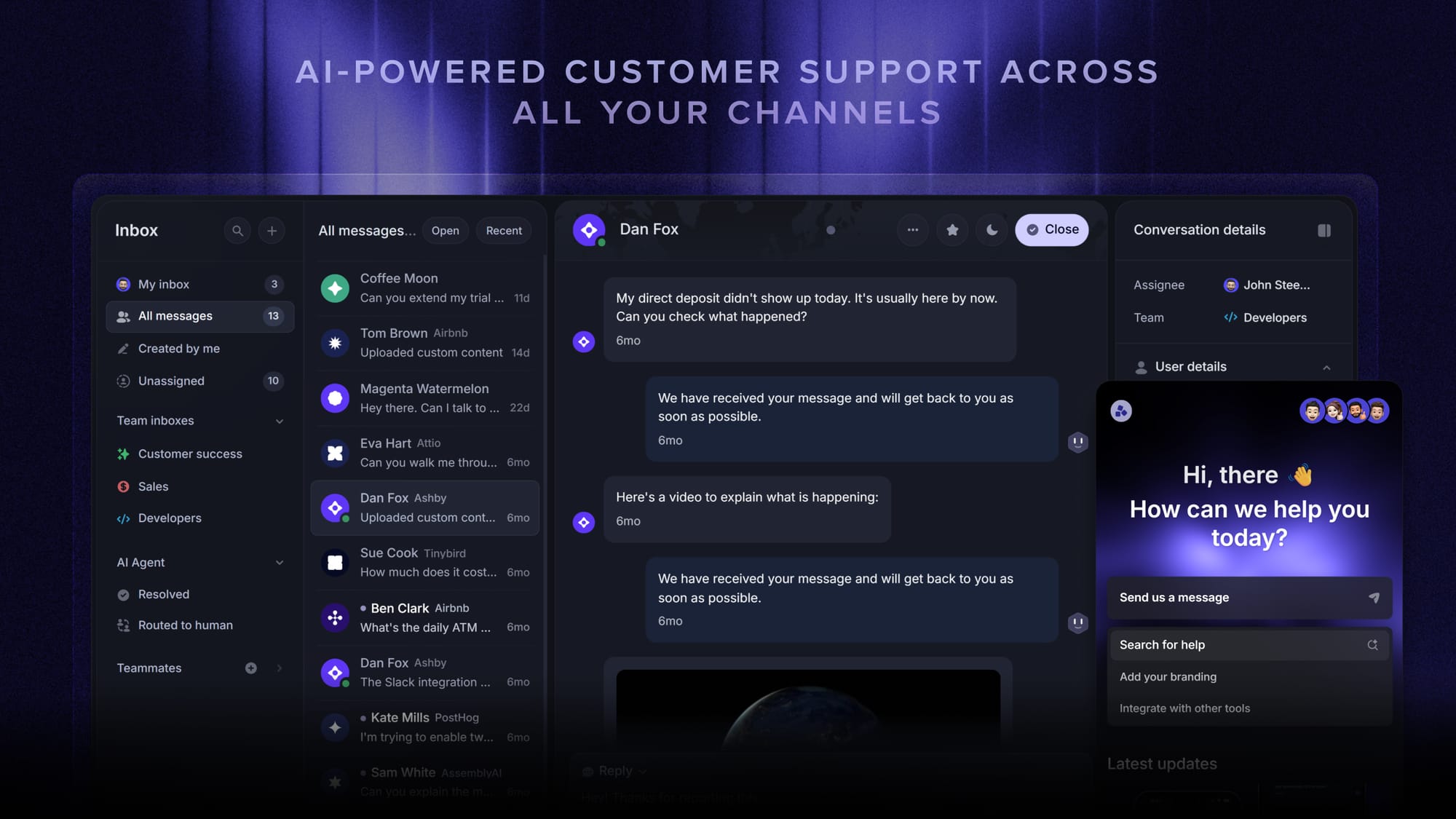
Featurebase is a modern AI customer support platform for product-led SaaS. It combines AI-powered support, help center, and feedback management into a single platform for startups that want all their customer-facing tools in one place. Featurebase is loved by thousands of support teams from companies like Lovable, Raycast, and n8n. 💫
Top features:
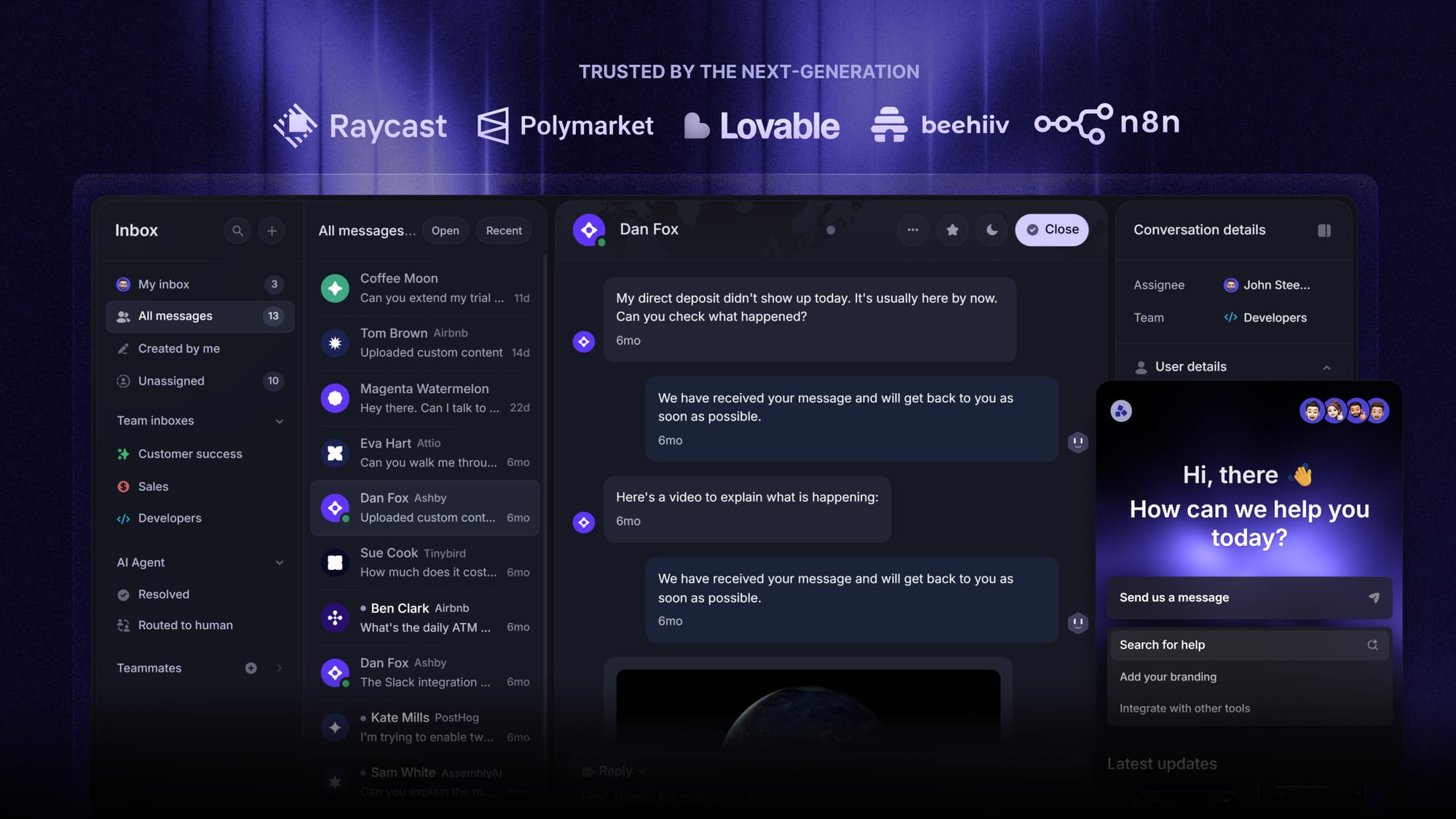
- Omnichannel inbox – Manage live chat, email, and Slack conversations from one AI-powered view
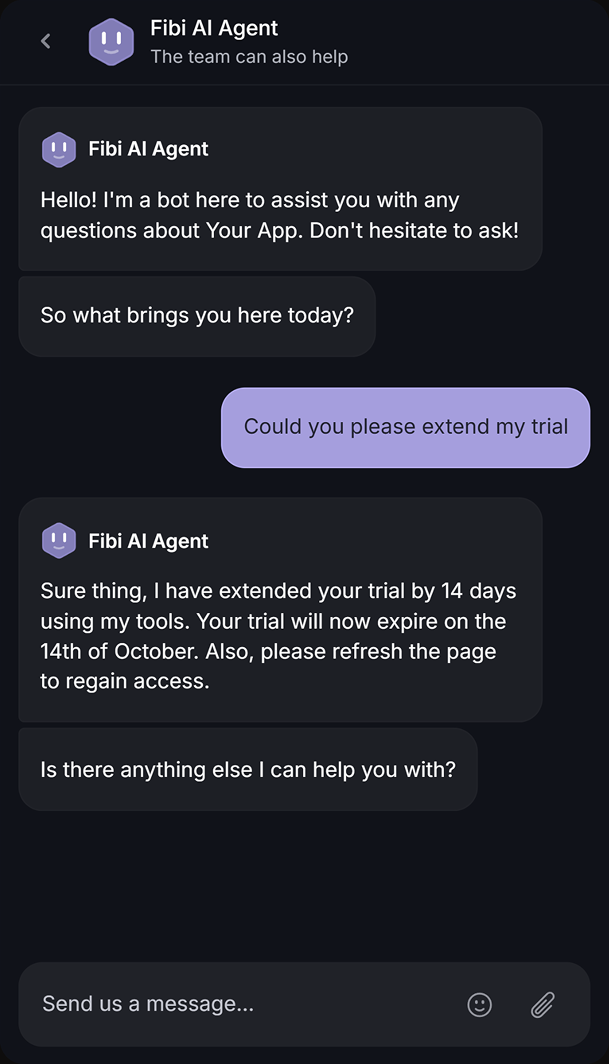
- Fibi AI Agent - Resolve customer issues on autopilot and run custom actions like trial extensions and refunds
- Help center with AI search – Provide instant, multilingual self-serve answers so fewer complaints reach your team
- Workflows & automations – Auto-assign tickets, route conversations, collect customer data, and more
- AI Copilot – Help your agents answer customers faster with AI Copilot that uses your internal knowledge
- Multi-brand support – Manage multiple Help Centers and Live chats from a single workspace
- Automatic AI translations – Automatically translate all messages and help articles into your customers' native language
- Service Level Agreements – Track SLAs to make sure your team responds to customers on time, every time
- Feedback & roadmap tools – Collect feature requests and close the loop with updates
- Product updates – Publish release notes with a changelog page, in-app widget, and emails
- Integrations – Connects with Slack, Linear, Jira, HubSpot, and more
Pricing: Free plan available with unlimited conversations. Paid plans start at $29/seat/month with $0.49 per AI resolution.
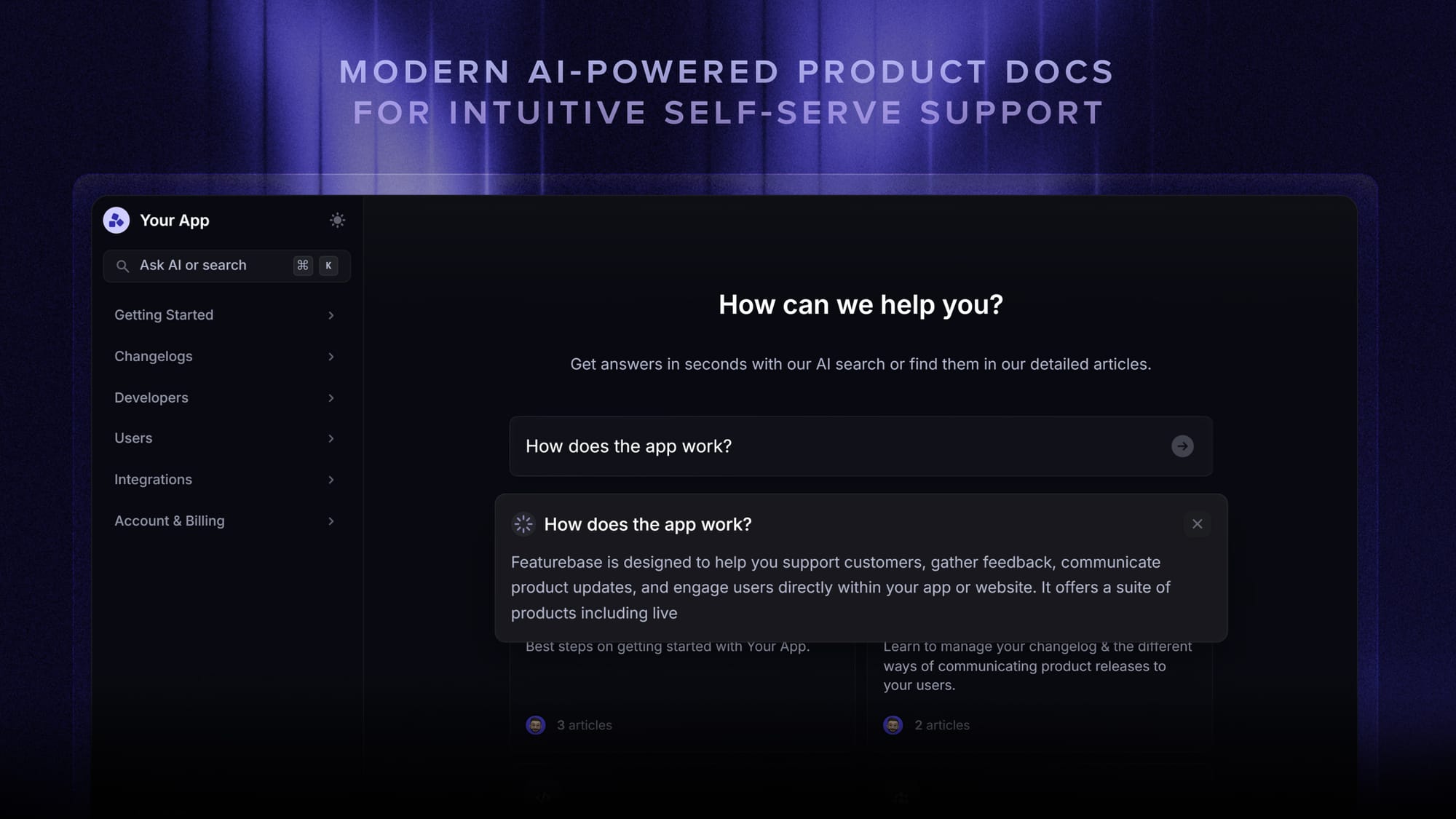
Featurebase covers all the basic support features that legacy platforms do, but with a much more modern approach. There is a free plan and onboarding is fast, so there is no downside to trying it. 👇
✨ Automate your support with the fastest AI-enhanced Inbox today →
FAQs
What is an example of a customer complaint?
A common example is a customer waiting on hold for a long time and then being told the agent cannot help, or being charged an unexpected fee with no warning. Most complaints boil down to a gap between what the customer expected and what they actually experienced.
What are the most common customer complaints?
The most frequent complaints are long wait times and slow responses, defective or poor-quality products, rude or unhelpful staff, having to repeat information, billing errors, and delivery problems. Across industries, slow responses and product quality tend to top the list.
Why do customers complain?
Customers complain when their expectations are not met, whether that is a product that underdelivers, a process that creates friction, or a support experience that leaves them feeling ignored. A complaint is usually a sign the customer still wants a resolution rather than a silent exit.
What are the three main types of customer complaints?
Most complaints are product-related (defects, quality, missing features), service or people-related (rude or unhelpful interactions), or process-related (confusing policies, repeated requests, clunky flows). Naming the type helps route the complaint to the team that can actually fix it.
How can businesses reduce customer complaints?
Reduce complaints by removing the friction that causes them: faster response times, a searchable knowledge base for self-service, and clear communication about timelines and policies. Tracking recurring complaints also matters, and tools like Featurebase let you group feedback by theme so you can fix root causes before they generate more tickets.
What is the best way to respond to an angry customer complaint?
Acknowledge the issue and take responsibility where you fell short, empathize with the frustration, and move quickly to a concrete solution with a clear timeline. Staying calm and honest matters more than being clever, and following up afterward turns a rough moment into a loyal customer.