Blog Customer FeedbackWhat Is Customer Obsession? Meaning and Examples
What Is Customer Obsession? Meaning and Examples
Customer obsession means building your entire company around anticipating and exceeding customer needs. Here's what it really means, why it works, and how to build it.

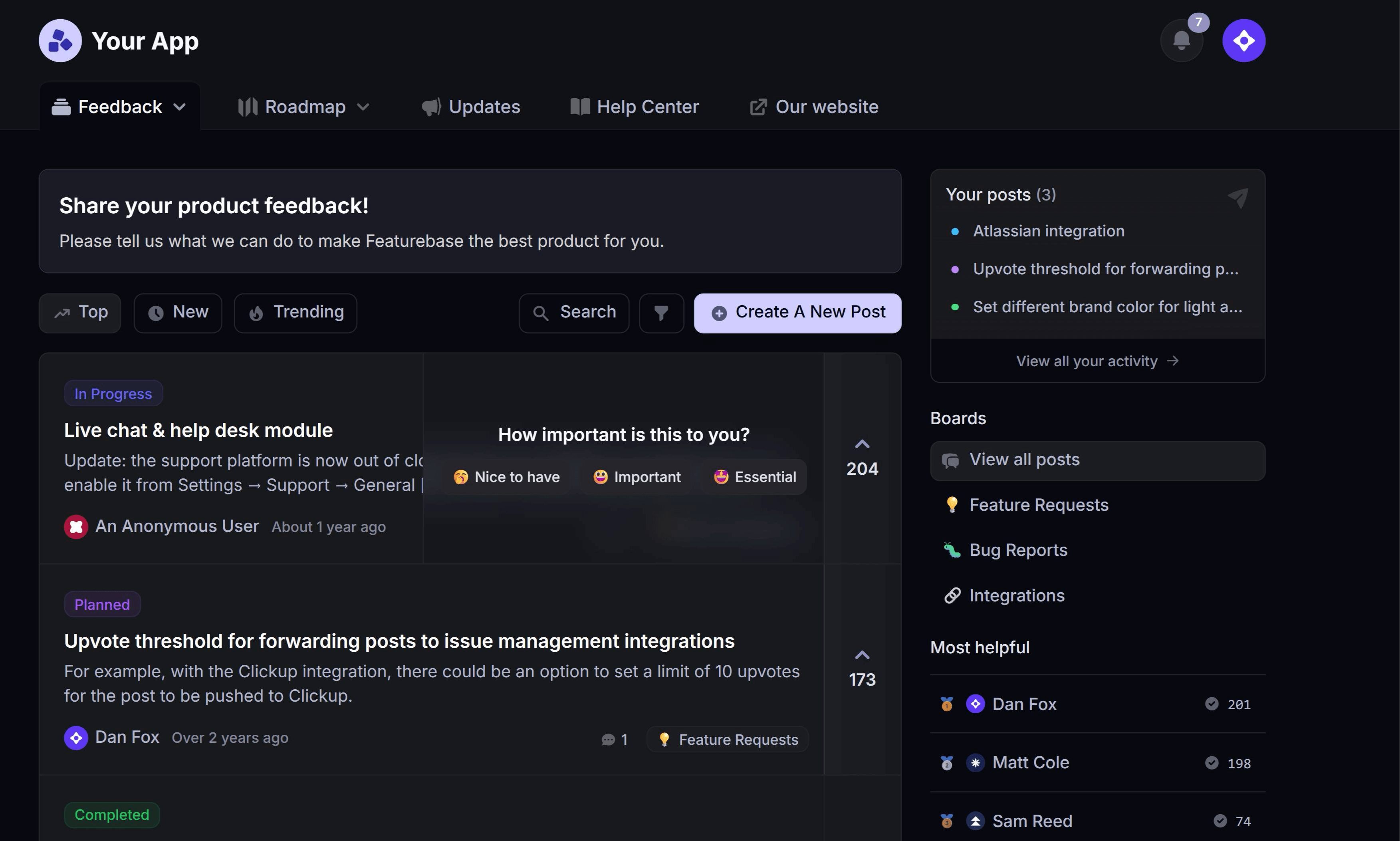

Almost every company says it cares about its customers. Yet Forrester found that only 3% are genuinely customer-obsessed.
That gap, between saying you value customers and actually building your company around them, is exactly where the growth hides. Customer-obsessed companies grow faster, keep customers longer, and turn buyers into fans.
In this guide, I'll break down what customer obsession really means, why it pays off, the brands that live it, and how to build it into your own culture. 👇
Key takeaways
- Customer obsession means putting the customer at the center of every decision, from leadership and strategy to product and operations, not just customer service.
- It goes a step beyond customer-centricity: instead of only meeting customer needs, you anticipate and exceed them.
- It pays off. Forrester links customer obsession to 41% faster revenue growth and 51% better customer retention.
- Real examples like Amazon, Zappos, and USAA show it's a companywide habit, not a slogan.
- The engine behind it is a tight feedback loop: collect what customers want, prioritize it, act, and close the loop.
- Featurebase✨ helps you collect, prioritize, and act on customer feedback in one place, so your whole team stays close to what users actually want.
What is customer obsession?
Customer obsession is a business mindset that puts the customer's needs, desires, and satisfaction at the center of every decision a company makes.
It isn't a single team's job or a support script. It shapes how leaders lead, what products get built, how success is measured, and how the whole company behaves. Jeff Bezos, who popularized the term at Amazon, framed it simply: start with the customer and work backward.
A truly customer-obsessed company doesn't just react to what customers ask for. It works to anticipate customer needs before they're even voiced, then consistently exceeds them.
Customer obsession vs. customer-centricity
These two terms get used interchangeably, but they aren't the same thing:
- Customer-centricity: delivering a good experience and meeting customer needs. The customer is a priority.
- Customer obsession: anticipating needs in advance, exceeding expectations, and building the entire business around the customer, not just the customer-facing parts of it.
The difference is intensity and depth. Customer-centricity makes the customer a priority. Customer obsession makes the customer the starting point for everything.
Why customer obsession matters
Being customer-obsessed isn't a feel-good exercise. It shows up on the bottom line.
Forrester's research found that customer-obsessed companies report 41% faster revenue growth and 51% better customer retention than companies that aren't. And since only 3% of companies actually reach that level, the bar to stand out is surprisingly low.
The reason it works comes down to loyalty. Great experiences drive repeat purchases and referrals, and loyal customers are far cheaper to keep than new ones are to win. Bain research popularized in Harvard Business Review shows that a 5% increase in retention can lift profits by 25% to 95%.
Customer obsession also makes you more resilient. When you're constantly listening to the voice of the customer, you spot shifts early and adapt before competitors do.
What customer obsession looks like
The easiest way to understand customer obsession is to look at companies that actually live it. A few classics:
- Amazon: built one-click checkout, Prime, and fast delivery by starting with customer convenience and working backward. As Bezos put it, "We're not competitor obsessed, we're customer obsessed."
- Zappos: made "deliver WOW through service" its number-one value. Reps are empowered to go far off-script to make customers happy, and one support call famously ran over 10 hours.
- USAA: runs new hires through mock "boot camps" so they genuinely empathize with the military families they serve, which is why its satisfaction scores sit well above the industry average.
Notice the pattern. None of these are one-off marketing stunts. Customer obsession is baked into hiring, training, product decisions, and daily behavior. It scales because it's cultural, not because of a single hero moment.
How to build a customer-obsessed culture
You don't become customer-obsessed with a poster in the break room. It takes deliberate systems. Here's a practical way to start.
1. Research your customers deeply. Go beyond demographics. Understand their goals, pain points, and what "success" actually means to them. Talk to them directly and often, and train every team to think like problem-solvers, not order-takers.
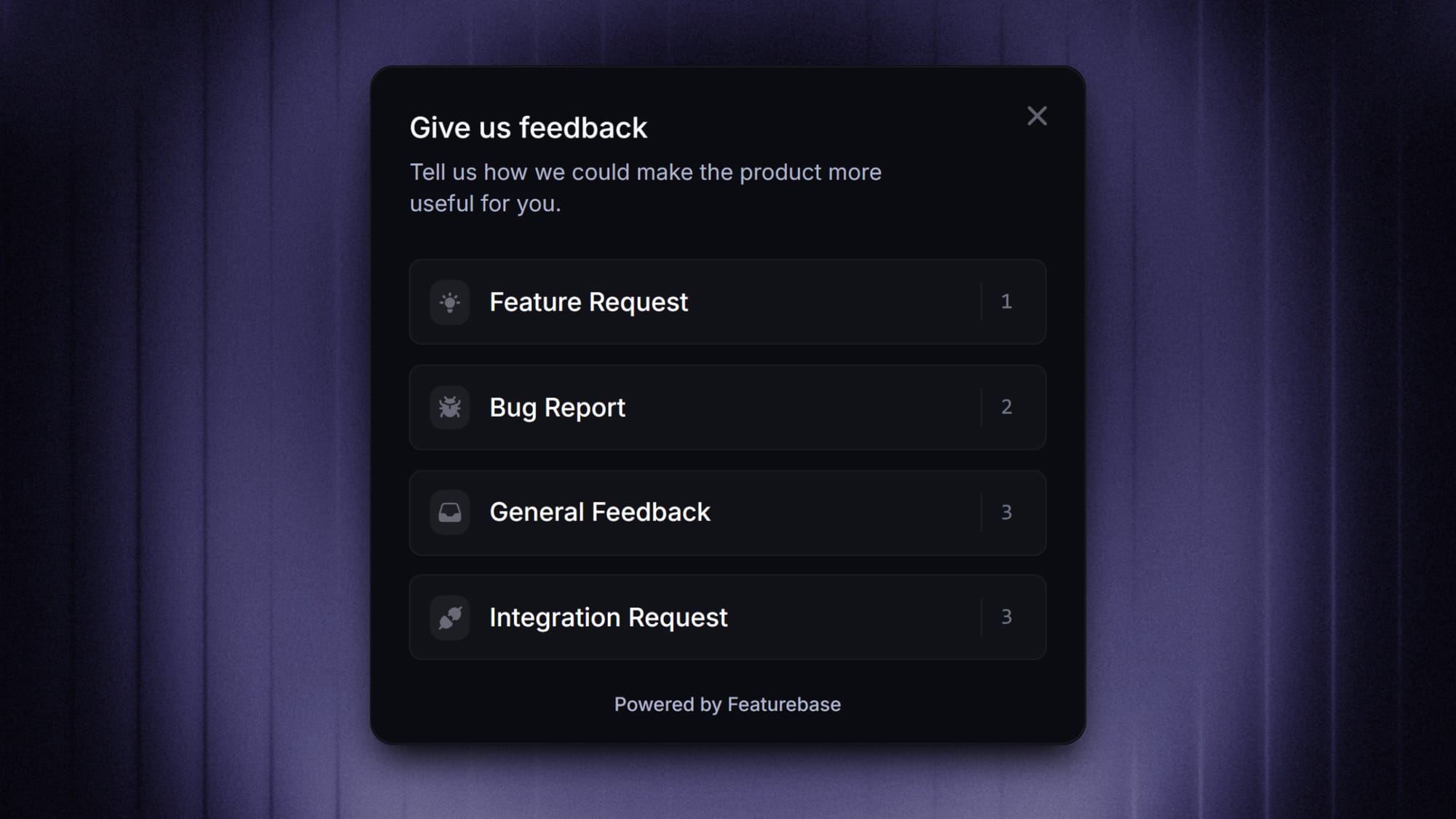
2. Collect feedback in one place. Customer insight is useless when it's scattered across support tickets, sales calls, and spreadsheets. Centralize it so patterns become obvious. This is where a dedicated way to collect customer feedback earns its keep, with every request, bug report, and idea landing in one system.
3. Prioritize by impact, not volume. Not every request deserves a build. Tie feedback to revenue, customer size, and strategic goals so you spend effort where it matters most. Featurebase lets you link product feedback to customer revenue and data, so the loudest request doesn't automatically beat the most valuable one.
4. Act, then close the loop. The fastest way to kill customer obsession is to ask for feedback and go silent. When you ship something a customer asked for, tell them. Closing the customer feedback loop turns a one-time request into lasting loyalty.
5. Make it everyone's job. Get leadership modeling it, reward employees who go the extra mile, and put customer stories in front of teams that never talk to customers. Customer obsession sticks only when it's reinforced everywhere, all the time.

Turn feedback into products your users love
Centralize feedback, identify product opportunities, and build the right features
Conclusion
Customer obsession isn't about slogans or a great support team. It's a companywide commitment to anticipating what customers need and building everything, from product to strategy to culture, around delivering it. Get it right and you earn faster growth, higher retention, and customers who advocate for you.
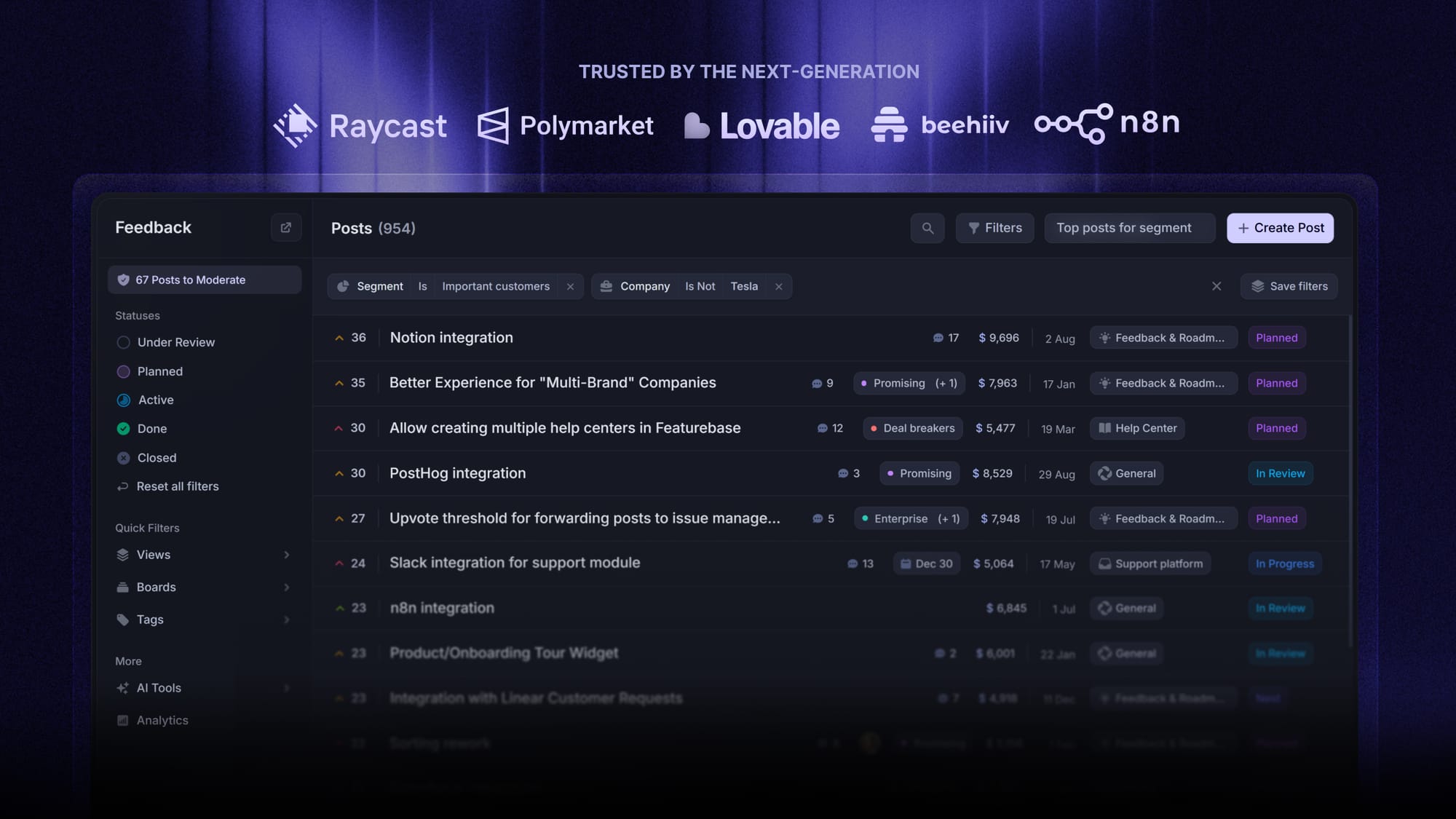
Featurebase is a modern & powerful feedback tool. It helps you collect feedback with a feature voting forum, surveys, embeddable widgets, and integrations. You can then analyze all of that feedback in one place by connecting it to your customers' revenue and data to make better product decisions.
It comes with affordable pricing and a Free plan allowing unlimited feedback. The onboarding is incredibly quick and doesn't require a credit card, so there's no downside to trying it. 👇
✨ Start collecting & managing feedback with Featurebase for free →
FAQs
Who coined the term "customer obsession"?
Jeff Bezos popularized customer obsession at Amazon, where it's the first of the company's leadership principles. The idea is to start with the customer and work backward, rather than reacting to competitors. Analyst firm Forrester later turned it into a formal business framework and research program.
Is customer obsession the same as good customer service?
No. Good customer service is one touchpoint, how you handle customers when they reach out. Customer obsession is companywide, shaping product, pricing, strategy, and culture around the customer, even in teams that never speak to one directly. Great service is a symptom of customer obsession, not the whole thing.
How do you show customer obsession in a job interview?
Use a specific story with a clear result, ideally in STAR format (situation, task, action, result). Pick a moment where you went out of your way to understand and solve a customer's real problem, even when it wasn't the easy option. Interviewers, especially at Amazon, want evidence you started from the customer's needs, not just that you say you care.
How do you measure customer obsession?
There's no single metric, so most teams track a mix: Net Promoter Score (NPS) for loyalty, Customer Satisfaction Score (CSAT) for individual interactions, Customer Lifetime Value (CLV), and retention or churn rate. Comparing NPS vs. CSAT helps you see both long-term advocacy and in-the-moment happiness. Watch the trend over time rather than fixating on one number.
Can a company be too customer-obsessed?
Yes, if it means saying yes to every request or ignoring business viability. Customer obsession balances customer needs with what the business can sustainably deliver. The goal is to anticipate and exceed needs profitably, not to bankrupt yourself chasing every demand.
What tools help you become more customer-obsessed?
The core categories are feedback collection, customer research, and analytics tools that keep the customer's voice in front of your team. Featurebase brings feedback collection, surveys, roadmaps, and product updates into one place, so you can gather what customers want, prioritize it by impact, and close the loop when you ship. That single source of truth is what keeps the whole company aligned around real customer needs.