Blog Customer ServiceAda.CX Pricing 2026: How Much Does It Really Cost?
Ada.CX Pricing 2026: How Much Does It Really Cost?
Ada CX pricing is a mystery box: “starting” ~$30k/yr, ~$1–$3.50 per resolution, and enterprise deals magically become $100k–$300k+/yr.

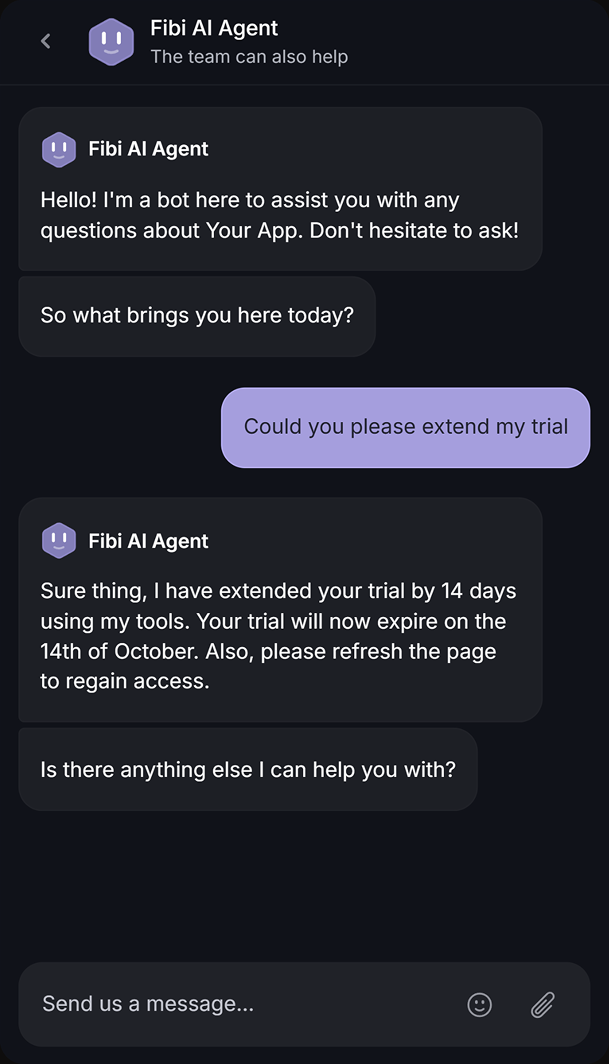
✨ Psst... Looking for a more powerful & affordable alternative to Ada CX? Check out Featurebase →
Thinking about using Ada CX for AI-powered customer support, but not sure what it’ll actually cost? You’re not alone.
Ada is an enterprise AI support platform, designed as an AI help desk that automates support and enhances customer experience - but its pricing is not transparent.
And because Ada pricing is often tied to AI-resolved interactions (plus enterprise contracts), your spend can climb fast as monthly ticket volume grows.
In this guide, I’ll break down Ada pricing in 2026 - what it’s usually based on, the numbers that show up in the wild, the hidden costs, and when you should consider alternatives. 👇
Key takeaways
- Ada CX does not publish transparent pricing; it’s quote-based.
- Public signals suggest a starting point around $30,000/year for some plans (via listings), but real contracts can be much higher.
- Some reported pricing models include $1–$3.50 per AI resolution, based on resolved conversations, which can get expensive at scale.
- Ada CX is built for enterprise, high-volume support with omnichannel deployments and deep integrations across multiple channels.
- Implementation is often a project, not a quick setup.
- If you want predictable spend and faster rollout, there are more transparent alternatives (including Featurebase).
What is Ada.CX?
Ada CX is an enterprise AI platform that deploys AI agents across channels and automates customer support, helping teams deliver faster responses and a consistent customer experience.
The workflow is straightforward in theory:
- Create an AI agent
- Connect it to your knowledge hub and systems
- Deploy across channels to handle customer conversations (web chat, in-app, email, voice, social)
- Track resolution, CSAT, and failure cases
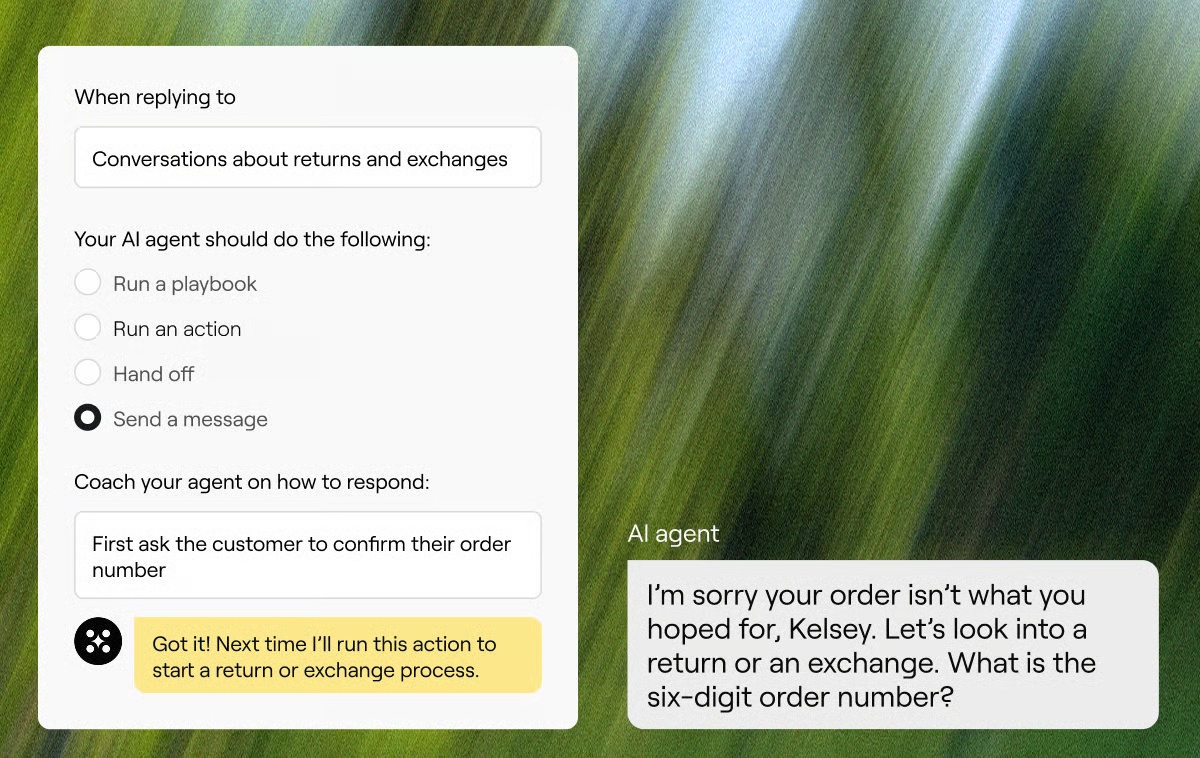
- Coach the AI over time
The practical difference (vs. smaller AI tools) is how well Ada CX handles multi-step workflows and how deeply it integrates with systems like Zendesk, Salesforce, and Shopify.
One thing I see come up a lot: even with strong LLMs, the quality depends on the data you connect and the existing knowledge sources you give it access to. If the AI agents can’t access the right systems or your knowledge is messy, customers can get stuck in the dreaded “endless loop” - repeating answers without actually completing the final step for complex customer issues.
Ada CX pricing 2026
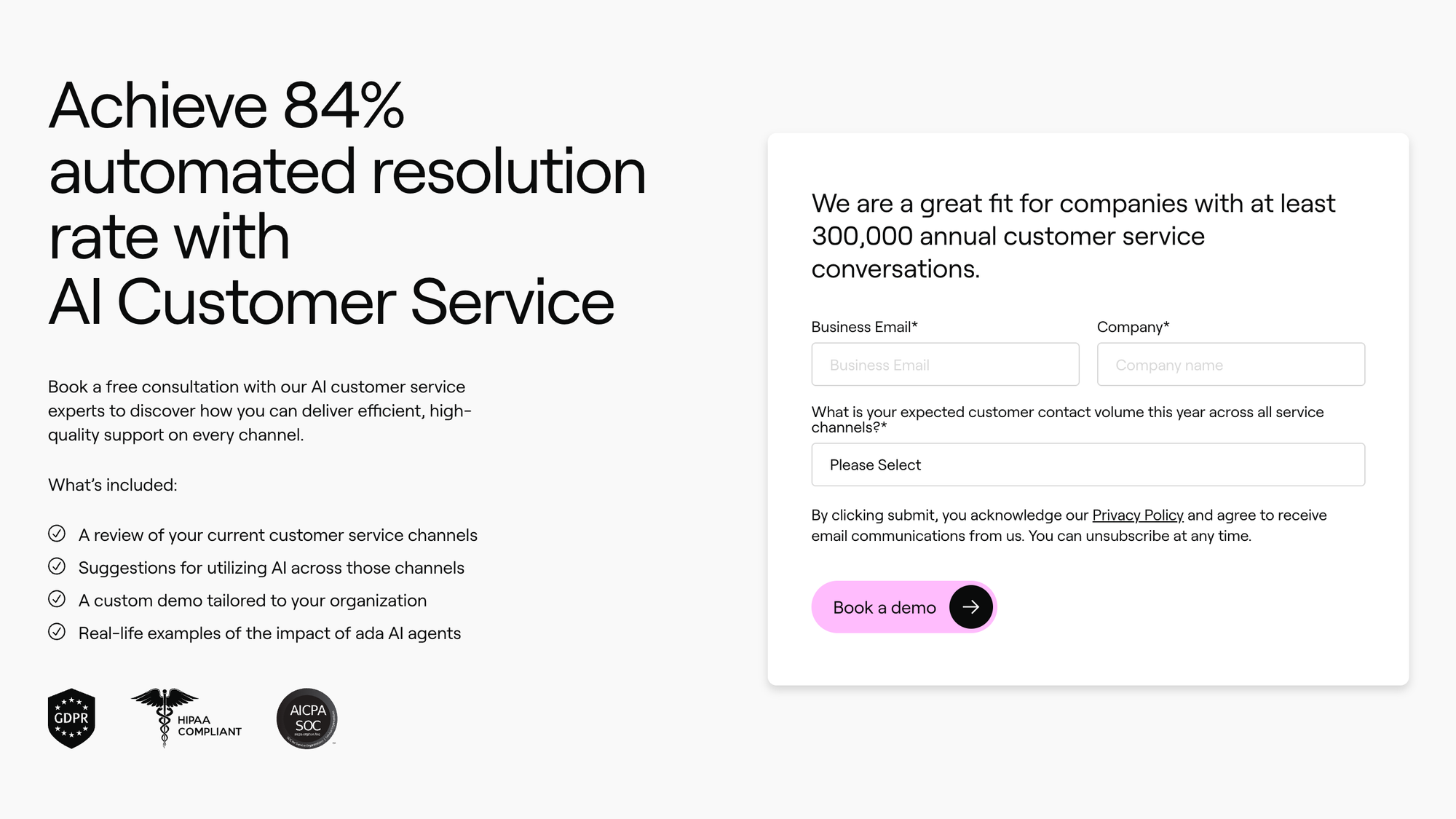
Ada does not list pricing publicly. You’ll typically have to:
- Book a demo
- Discuss volume + channels + integrations
- Get a custom quote (often with annual terms)
That means you’re not buying a simple “$X per seat” tool. You’re buying an enterprise automation program for many businesses and large companies that want AI-powered customer experience improvements.
What Ada pricing is usually based on
From how enterprise AI customer support platforms like Ada are commonly packaged, and what users report their quote typically depends on:
- Ticket/conversation volume (monthly)
- AI-resolved interactions (how many issues the AI “successfully resolves”)
- Channels (web chat vs. email/voice/messaging)
- Integrations (Zendesk/Salesforce/Shopify + custom APIs)
- Security & compliance requirements
- Onboarding/implementation (services, success management, training)
In practice, the more “real work” you want the AI agents to do (identity verification, order updates, refunds, troubleshooting), the more setup, services, and integration you’ll need, and the more customer interactions and messaging conversations you’ll be handling through the platform.
Reported Ada cost estimates
Because Ada is quote-based, we have to rely on publicly referenced listings and user-reported contracts to estimate pricing.
One concrete pricing anchor is the Salesforce AppExchange listing, which shows Ada starting at $30,000 USD/company/year (default plan). It also notes that Ada uses a consumption-based model with economies of scale, which can make cost forecasting harder as volume grows.
Here’s what consistently shows up:
| Pricing signal | Reported amount | What it likely represents | What to watch for |
|---|---|---|---|
| Starting price (vendor listings) | ~$30,000/year | Entry-level enterprise contract | Likely annual commitment with minimum usage |
| Usage-based pricing | ~$1–$3.50 per AI resolution | Cost per “resolved” interaction | Clarify what counts as a resolution |
| High-volume enterprise contracts | $100k–$300k+/year | Large-scale deployments (100k+ tickets/month) | Costs scale quickly with growth and peak volume |
These numbers don’t mean every company pays six figures. But they show where Ada CX is positioned: firmly in enterprise territory, serving businesses with many customers and support tickets.
The most important thing to clarify during sales conversations is how they define a resolved interaction - because that single metric can dramatically impact your total annual Ada cost.

Get the best affordable Ada.cx alternative
Automatically resolve 70% of customer requests & cut down manual support loads
Ada CX key features & AI capabilities (and why they impact price)
Ada’s pricing is easier to understand when you look at what you’re actually paying for: AI agents, orchestration tools, and the services required to make the platform work reliably for customers.
1. Omnichannel AI
Ada can run AI agents across website chat, mobile apps, email, voice, and social messaging, demonstrating its omnichannel capabilities.
That’s valuable if the same customers contact support through different channels and you want to maintain context across customer interactions.
More channels usually mean more configuration, more systems, and more risk - so enterprise contracts tend to reflect that for companies rolling out omnichannel support.
2. Reasoning engine + Playbooks
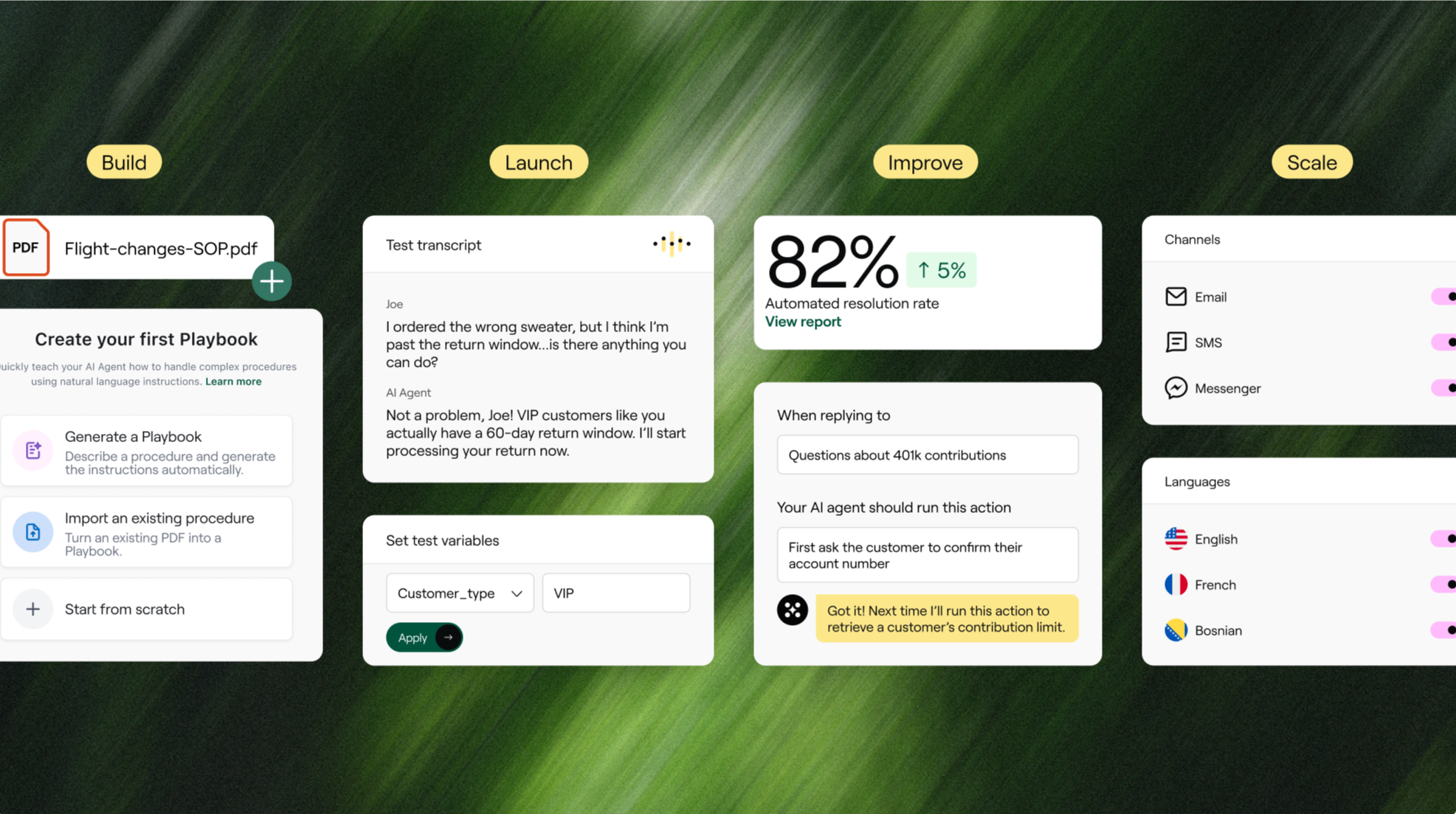
Ada’s “reasoning engine” combines Playbooks with natural language processing and is meant to handle structured, multi-step workflows (not just FAQs), and complex customer queries efficiently.
This is the difference between:
- “Here’s our return policy.”
- “Verify the customer, pull the order, check status, and update them.”
Playbooks work best when connected to reliable systems, clean data, and well-maintained existing knowledge sources. If those inputs are weak, teams end up spending more time building guardrails and escalation logic for customer issues.
3. Measurement + coaching loops
Ada is designed to be coached over time.
That’s a strength (continuous improvement), but it also means you should expect ongoing effort from your support team:
- Reviewing transcripts
- Fixing failure cases
- Updating knowledge and workflows
This continuous improvement Ada loop is how many businesses improve performance over time and deliver more personalized support to customers.
4. Integrations + extensibility
Ada connects to tools like Zendesk, Salesforce, and Shopify, and supports APIs for custom tasks.
The deeper the integration, the more value you get, but the more likely implementation becomes a project (and part of the Ada cost), often involving extra services and internal team time.
5. Enterprise security + access control
For many enterprise buyers, security and compliance are a core reason Ada gets shortlisted.
But procurement/security reviews are rarely “free” in effort or time. If data protection is a priority for your company, ask what documentation the sales team provides during sales calls.
Ada's unseen pricing table (what you can expect)
Since Ada doesn’t publish tiers, here’s a realistic “what you’re buying” view based on how teams describe it.
| Pricing component | How it’s commonly priced | What it includes | What to watch for |
|---|---|---|---|
| Platform license | Annual contract (quote-based) | Core AI automation platform, admin tools, analytics | Multi-year terms, minimum commitments |
| Resolved interactions | $/resolution (reported ~$1–$3.50) | AI handling + “successful” resolution measurement | Definitions matter: what counts as a “resolution”? |
| Channels | Included or add-on (quote-based) | Website chat, in-app, email, voice, messaging | Multi-channel adds complexity + spend |
| Integrations | Included or scoped | Zendesk/Salesforce/Shopify + APIs | Custom work can increase time + services fees |
| Onboarding/services | Sometimes separate | Implementation, training, success mgmt | Ask what’s included vs. billable services |
Get the best affordable Ada.cx alternative
Automatically resolve 70% of customer requests & cut down manual support loads
Hidden costs & limitations
Ada can be great at scale, but pricing surprises usually come from these areas:
“Resolved interaction” definitions
If your quote is tied to resolutions, ask exactly what counts as:
- A resolved interaction
- A deflected ticket
- A handoff
- A repeated conversation
- A follow-up on the same issue
If one customer needs 3 back-and-forth messages, is that 1 resolution or 3 billable events? This is where costs can balloon, especially across messaging conversations and chat threads.
Peak volume months
If you’re e-commerce or seasonal, you need to model worst-case conversations.
Resolution-based pricing feels fine until Black Friday hits, when customer volume spikes across chat and messaging.
Implementation effort
Ada isn’t usually plug-and-play.
You may need:
- Dedicated owners on your team
- Knowledge cleanup
- Workflow design (Playbooks)
- Integration work
- Ongoing coaching
Even if Ada doesn’t bill separately for this, your team pays for it in time. And if you’re automating repetitive tasks across multiple channels, you’ll likely need ongoing services or internal resources to keep workflows and data updated.
This shows up in public user feedback, too. For example, one Reddit commenter said:
“Used to work for a company paying ~300k+ for ADA, it’s expensive [edited for language]. I would stick with Zendesk messaging and answer bot. There are also cheaper AI options if you’re adamant, but I would always ask for a month trial just to test things out.”
— Reddit user feedback
AI quality depends on your data
This is the big one.
If knowledge is outdated, scattered, or lacks system access, AI agents can become less helpful, and customers may get stuck in loops instead of receiving answers that improve the customer experience.
Here’s a recent example of the tradeoffs straight from an enterprise user:
“What do you dislike about Ada?
Pricing is a big one, and due to the nature of our product, security updates from Ada would be nice. For things like Playbooks, I've found that once a user is engaged in a playbook process they're sometimes 'stuck' in it. It would be nice if users were less stuck when engaging in a playbook process.”
— G2 user feedback
Real-world pricing examples
Here are a few simple scenarios to make the pricing model feel real.
Example 1: mid-market SaaS (moderate volume)
- 15,000 customer conversations/month
- You want web chat + helpdesk integration
- Some structured workflows (billing, login, basic troubleshooting)
If pricing is resolution-based and your AI agents resolve 30–50% of issues, you can land in a wide range depending on how “resolution” is counted across conversations and support tickets.
Reality: Expect tens of thousands per year once you factor in enterprise terms and the rollout effort.
Example 2: high-volume support (enterprise)
- 150,000 tickets/month
- Omnichannel + deep integrations + security requirements
- Strong automation targets to reduce costs
At this volume, resolution-based pricing can quickly push total contract size into six figures, and sometimes beyond, especially if customers are reaching out across chat, messaging, and other channels.
Reality: Ada CX can make sense if it enhances support to human agents, but you need tight forecasting and clear definitions in sales conversations.
Other things to keep in mind
Does Ada CX have a free plan or trial?
Not in the way most SMB tools do.
You’ll usually see:
- Demo-first access
- Limited pilots
- Enterprise sales process
If you want to test quickly without procurement, this can be frustrating. Most companies have to talk to a sales team first, and that often means multiple sales calls.
Is Ada CX a full help desk?
No. Ada is primarily an AI help desk and bot, meaning it automates interactions rather than serving as a full traditional helpdesk.
Most teams still need:
- A helpdesk (Zendesk, Salesforce Service Cloud, etc.)
- Human agents
- A knowledge base (that stays clean)
So Ada is often an additional platform line item, on top of your existing stack, to support customers and handle customer interactions.
How long does setup take?
It varies, but many teams describe rollout as a full project involving tools, integrations, and services.
If you need results next week, Ada CX is usually not the fastest option for most businesses.
Enhance customer experience with AI-powered alternatives to Ada CX
If you want AI support but don’t want enterprise lock-ins or unpredictable costs, here are solid alternatives with better performance than Ada:
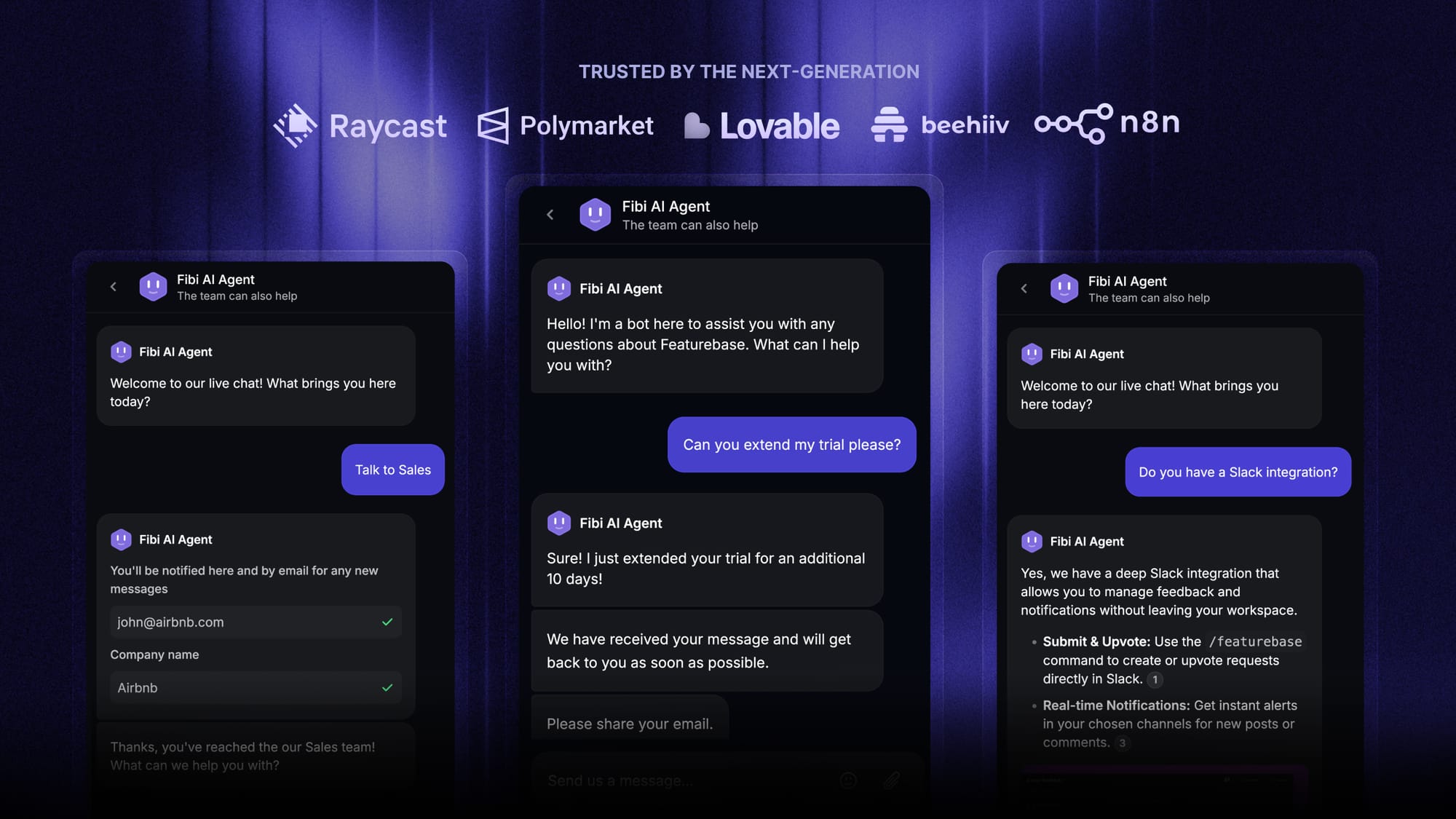
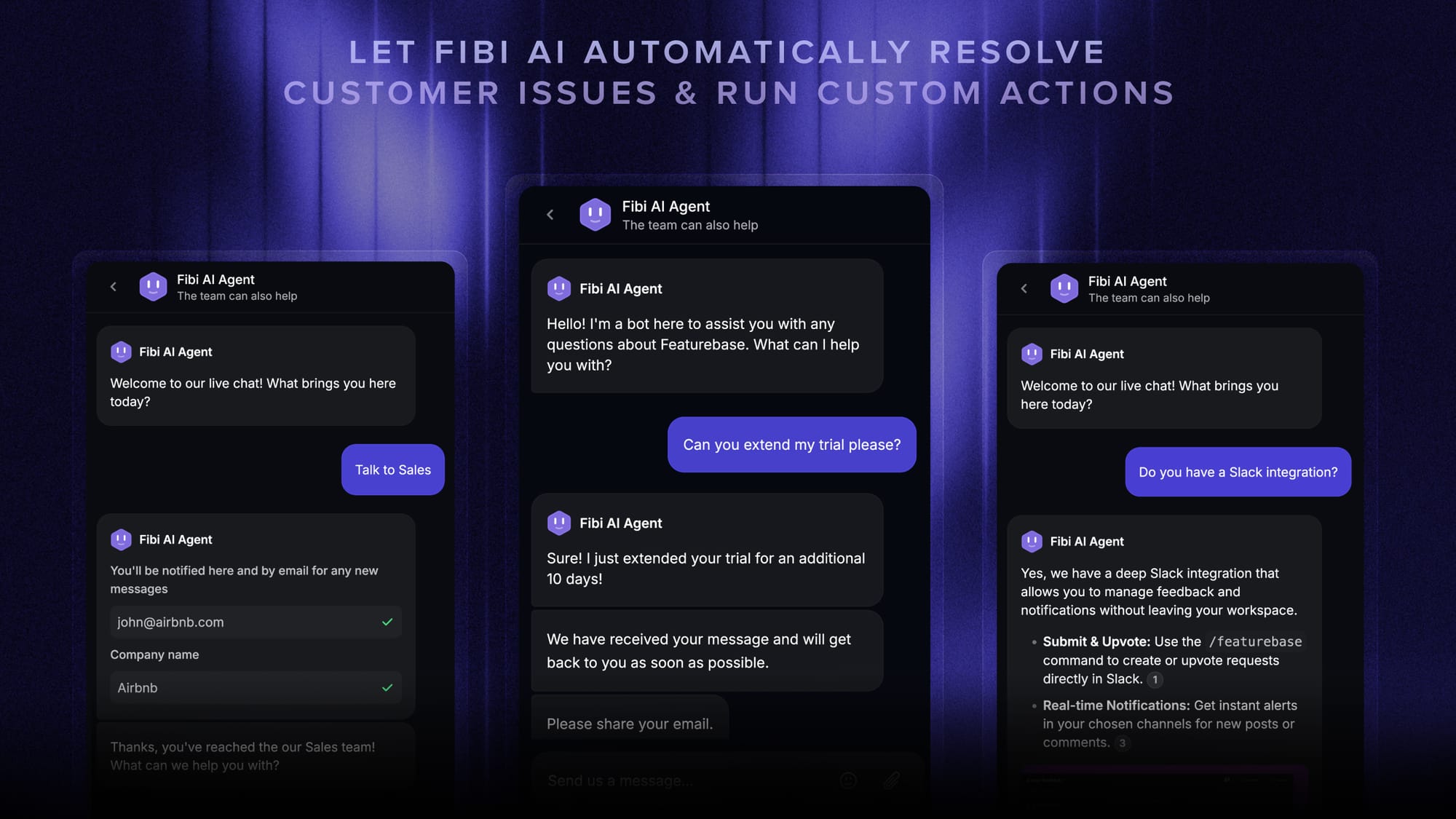
- ✨ Featurebase – Best modern alternative with key capabilities such as AI, chat, Fibi AI agent, email, automations, and help center (plus product feedback + roadmaps).
- Zendesk – Best if you need enterprise ticketing + analytics (and you’re already in their ecosystem).
- Intercom – Best for AI messaging + product communication, but pricing scales quickly as conversations grow.
- Help Scout – Best for simple, email-first support teams.
- Freshdesk – Best for teams wanting a full helpdesk with omnichannel support and automation tools.
So, is Ada CX's pricing worth it?
Ada CX is built for enterprise-scale automation: omnichannel coverage, advanced reasoning with Playbooks, deep integrations, and security. If you’re handling massive volumes and can dedicate resources to implementation and coaching, the ROI can be real.
But for many teams, the combination of opaque pricing, usage-based costs, and complex setup makes it hard to justify, especially if you’re trying to move fast or forecast spend.
Featurebase (👋 that’s us) is a modern Ada alternative with an AI-powered support inbox, chat widget, help center, and automations, plus native feedback management and product updates. It's loved by thousands of companies like Lovable, Polymarket, and Raycast.
It’s priced transparently (including $0.29 per AI resolution) and includes a Free plan, so you can start without risk.
✨ Automate your support with transparent pricing today →