Blog Customer ServiceWhat Is Inbound Sales? Process, Strategy & Tips
What Is Inbound Sales? Process, Strategy & Tips
Inbound sales means selling to buyers who come to you. Here's what it is, how it differs from outbound, the 4-stage process, and how to do it well.


✨ Automate your support with the fastest AI-enhanced Inbox today →
Most buyers do their homework long before they ever want to talk to a salesperson. They read, compare, and ask around on their own, and a cold pitch in the middle of that just feels like an interruption.
Yet plenty of teams still spend their energy chasing strangers, while the warm leads who actually raise a hand get a slow reply or no reply at all.
Inbound sales flips that around. In this guide I'll break down what inbound sales is, how it differs from outbound, the process behind it, and how to run it well. 👇
Key takeaways
- Inbound sales is a buyer-led approach where you sell to people who already found you and showed interest, instead of cold-pitching strangers.
- It's the opposite of outbound sales: inbound leads come to you warm, while outbound reps reach out to cold prospects.
- Most inbound teams follow a 4-stage process - Identify, Connect, Explore, and Advise - built around the buyer's journey.
- Speed matters more than almost anything else. The faster you respond to an inbound lead, the far higher your odds of winning them.
- A good inbound strategy blends content, fast responses, and lead qualification so reps spend time on the right conversations.
- Featurebase✨ helps you capture and respond to inbound interest with live chat, an AI agent, and lead-qualification workflows in one place.
What is inbound sales?
Inbound sales is a sales approach where you focus on buyers who have already shown interest in your product, rather than reaching out to cold prospects who have never heard of you.
Instead of chasing people, you attract them with helpful content, SEO, referrals, and word of mouth. Then, when they get in touch, book a demo, or start a chat, your job is to guide them toward the right decision.
The shift is real, not just a buzzword. According to Gartner, 61% of B2B buyers prefer an overall rep-free buying experience and want to research on their own before they talk to anyone. Inbound sales meets those buyers where they already are instead of fighting that behavior.
That also changes what a rep does day to day. An inbound sales representative spends less time dialing cold lists and more time helping active buyers who are already partway to a decision.
Here's what that looks like in practice. Say someone reads one of your blog posts, follows you for a few weeks, then starts a live chat asking whether your tool integrates with their CRM. They found you, they're interested, and they came to you with a real question. That's a textbook inbound lead, and your job is simply to help them get to a yes.
It helps to know exactly who you're dealing with at each step, because not everyone who lands on your site is a lead:
- A visitor is anonymous. They're browsing your site or reading your content but haven't started a conversation or logged in.
- A lead is a visitor who has engaged, whether by starting a chat, requesting a demo, or sharing an email. This is where inbound sales actually begins.
- A customer is someone who has signed up or bought. Your job is to move people from visitor to lead to customer by being useful at each stage.

Resolve 70% of customer requests with AI
Automatically resolve customer issues & cut down support loads for your team
Inbound vs. outbound sales: what's the difference?
The simplest way to understand inbound sales is to compare it with its opposite. The core difference between inbound and outbound sales comes down to one thing: who starts the conversation.
- Inbound sales: the buyer comes to you after finding your content, product, or brand, so the lead is already warm.
- Outbound sales: the rep reaches out first to someone who hasn't shown any interest yet, so the lead starts cold.
Here's how inbound and outbound sales compare across the details that matter:
| Inbound sales | Outbound sales | |
|---|---|---|
| Who starts it | The buyer reaches out to you | The rep reaches out to the buyer |
| Lead temperature | Warm, already interested | Cold, no prior interest |
| Main channels | Live chat, content, SEO, referrals, demo requests | Cold calls, cold email, paid ads |
| Pace | Slower to build, compounds over time | Faster to start, resets each cycle |
| The rep's job | Help and guide an active buyer | Create interest from scratch |
Neither one is "better" in every case. Outbound gets you in front of people fast and gives you control over who you target. Inbound takes longer to build because it depends on content and reputation, but the leads convert better and cost less over time. Most modern teams run both, using inbound marketing and sales to fill the top of the funnel and outbound to reach specific accounts.
The inbound sales process: 4 stages
Most inbound teams follow a 4-stage process popularized by HubSpot. It maps neatly onto the buyer's journey - awareness, consideration, and decision - so you meet people with the right help at each step.
The inbound sales process has 4 stages:
- Identify: spot the people who are already showing buying signals, like visiting your pricing page, downloading a resource, or starting a chat. These active buyers are your inbound sales leads, and they're the ones worth your attention.
- Connect: reach out to those leads with a helpful, personal first message rather than a generic pitch. Speed is everything here, since a warm lead cools off fast if nobody responds.
- Explore: dig into their goals, challenges, and context to figure out whether you're actually a good fit. This is where you qualify, ask questions, and listen more than you talk.
- Advise: recommend a tailored solution based on what you learned, and make it easy for them to say yes. You're guiding a decision, not forcing one.
The whole point is that each stage is built around the buyer, not your quota. You're helping someone who already wants help, which is exactly why inbound tends to feel less pushy and convert better.
How to build an inbound sales strategy
A solid inbound sales strategy isn't complicated, but it does take a few pieces working together. Here's what to focus on.
- Attract the right people: publish content, guides, and SEO pages that answer the questions your ideal buyers are already searching. This is the "inbound" engine that fills your pipeline without cold outreach.
- Respond fast: the moment someone raises a hand, get back to them. Slow responses are the single biggest way to waste good inbound leads, and we'll look at the numbers on that below.
- Qualify before you invest time: not every inbound lead is a fit. Ask a few questions early - company size, role, goal - so your reps spend their hours on the prospects most likely to buy.
- Lead with help, not a hard sell: answer questions honestly, point people to the right resource, and be useful even when the answer is "we're not the right fit." Trust is what makes inbound work.
- Nurture the "not yet" crowd: plenty of inbound leads aren't ready to buy today. Stay in touch with helpful content and check-ins so you're the obvious choice when they are.
Get these right and inbound compounds. The content keeps working, referrals build on themselves, and your team gets a steady flow of warm conversations instead of a cold-call grind.
Inbound sales metrics that matter
You can't improve what you don't measure. A handful of metrics worth tracking tell you whether your inbound engine is actually working:
- Speed to lead (response time): how long it takes to respond after someone reaches out. This is the metric to obsess over. Harvard Business Review found that firms contacting an inbound lead within an hour were nearly 7 times likelier to have a meaningful conversation with a decision-maker than those who waited even an hour longer, and 60 times likelier than those who waited a day or more.
- Lead-to-customer conversion rate: the share of inbound leads that become paying customers. Inbound usually converts higher than cold outbound because the interest is already there.
- Qualification rate: how many of your inbound leads are a genuine fit. If this is low, your content is attracting the wrong audience.
- Win rate: the percentage of qualified opportunities you close. This tells you whether your Explore and Advise stages are doing their job.
Track these over time rather than obsessing over any single week. The trend is what tells you whether your inbound sales strategy is getting stronger.
Meeting inbound buyers where they reach out
Inbound sales only works if someone actually responds when a buyer shows up, and a lot of that first contact happens before a human ever joins the conversation - on live chat, in your help docs, or through an AI agent.
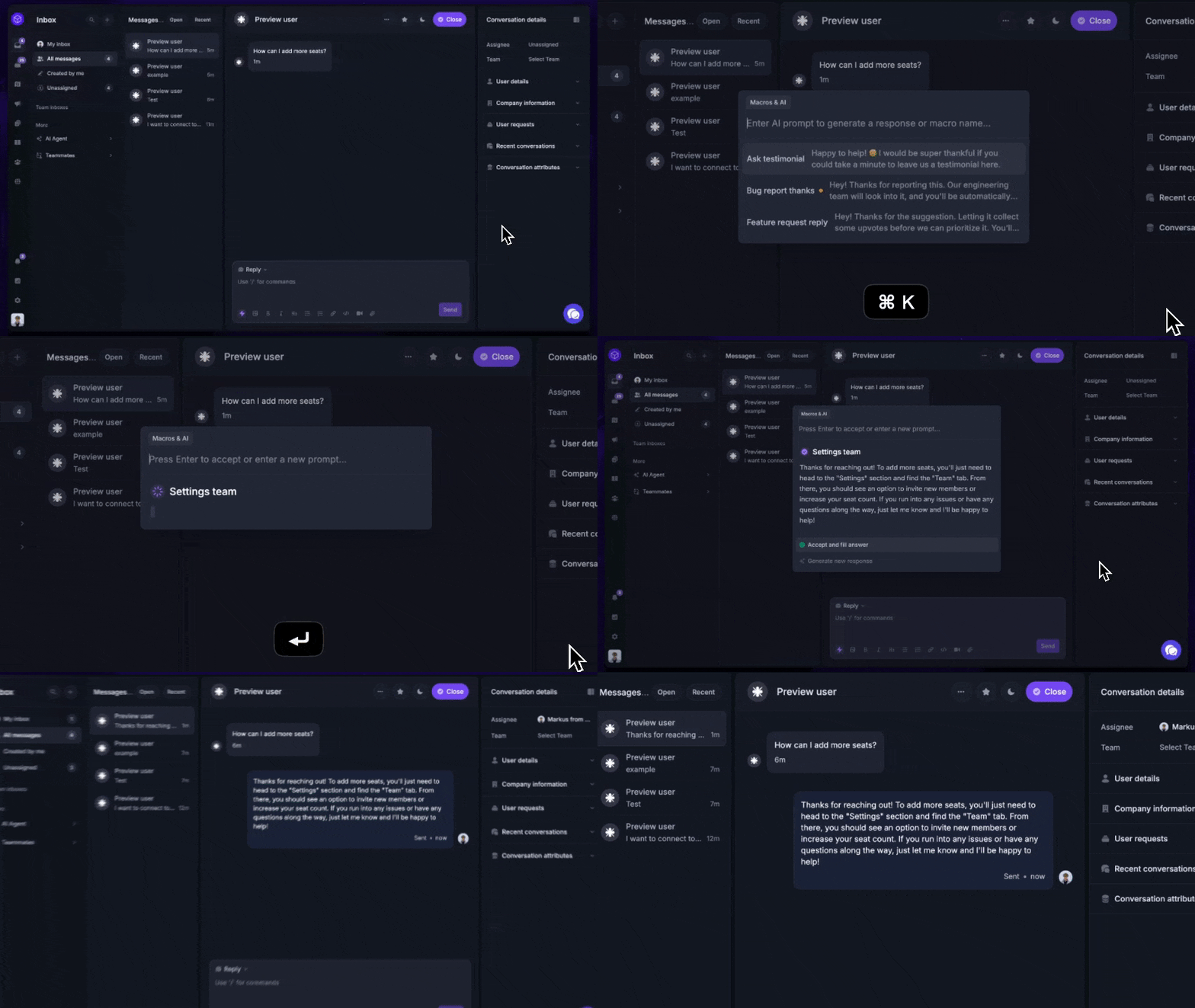
That's the part Featurebase is built to handle. It's a modern AI-powered support platform for product-led SaaS, and its Messenger live chat lets visitors start a conversation from any page. The moment they do, they become a lead you can follow up with by email.
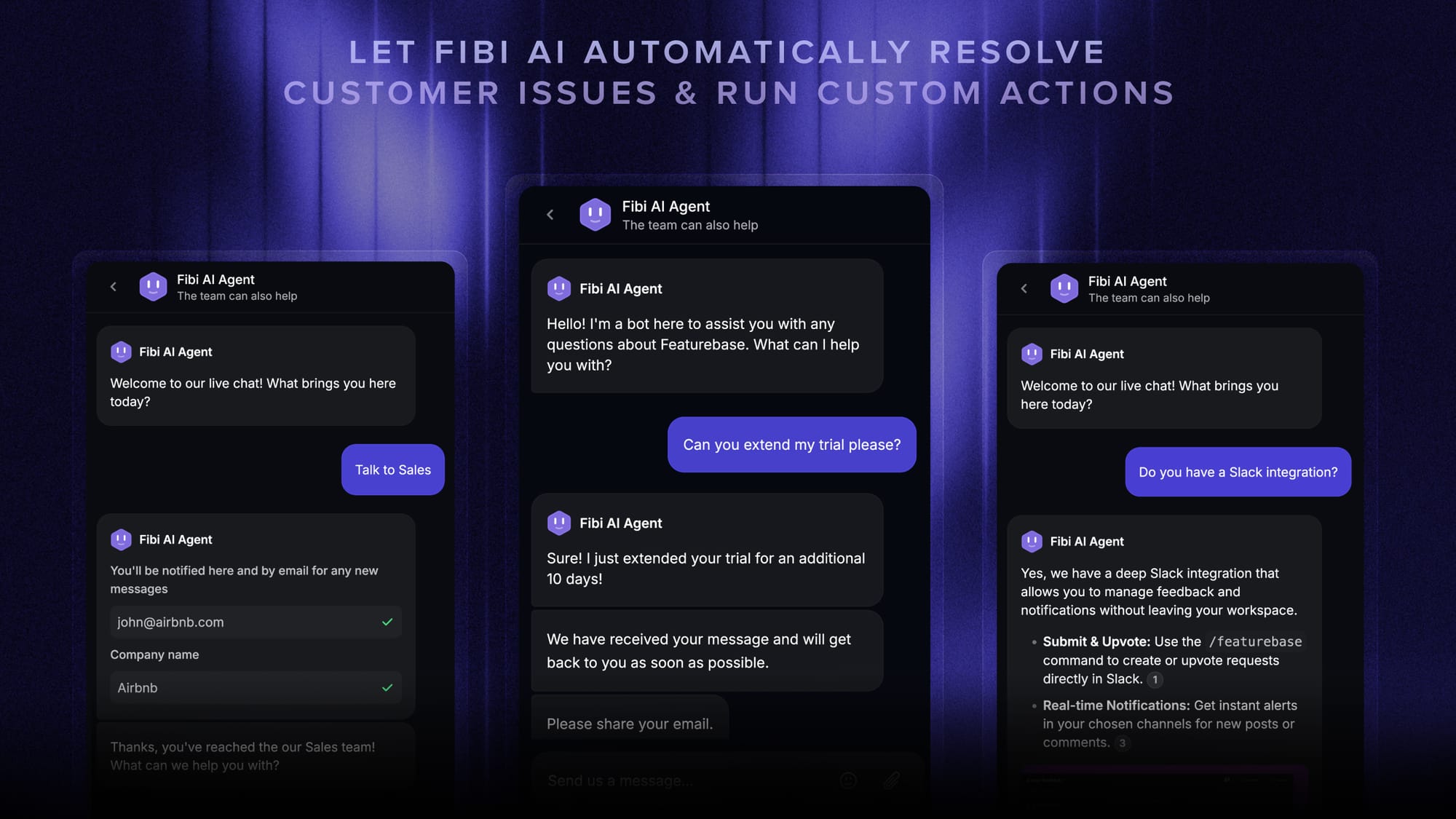
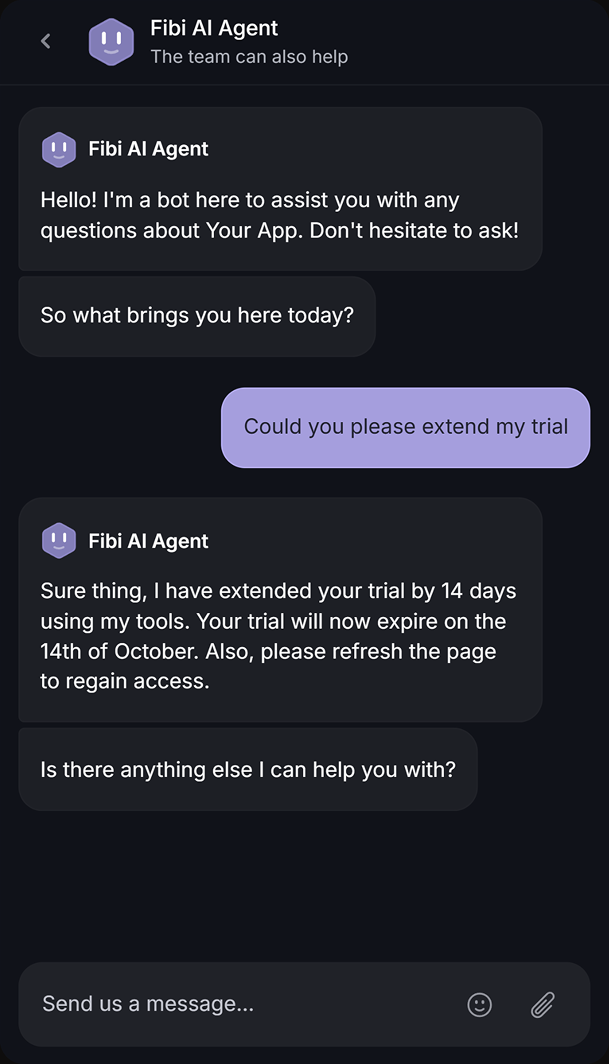
Its Fibi AI Agent answers product and pricing questions instantly, around the clock, with full context from your help center, changelog, and roadmap. So a prospect browsing at 2am gets an accurate answer in the moment instead of a "someone will get back to you." When a conversation is worth a human, lead-qualification workflows capture details like company size and route the hot leads to the right person automatically.
You can also proactively message high-intent visitors on your pricing or signup pages, and give buyers a self-serve help center to research on their own - which, as we saw, is exactly how most of them prefer to buy.
Conclusion
Inbound sales isn't a trick or a growth hack. It's meeting buyers the way they already want to buy: letting them come to you when they're ready, then helping them fast and honestly. Get your response time and your qualification right, and inbound turns into a steady, lower-cost pipeline that compounds over time.
Featurebase is a modern AI-powered support platform that helps you capture and respond to inbound interest in one place. It combines live chat, an AI agent that answers prospect questions instantly, lead-qualification workflows, and a self-serve help center, so the buyers who reach out get a quick, helpful answer instead of a slow one.
It comes with a Free plan and the onboarding takes minutes, so there's no downside to trying it. 👇
✨ Turn inbound interest into conversations with Featurebase for free →
FAQs
Is cold calling part of inbound sales?
No. Cold calling means reaching out to people who haven't shown any interest, which makes it an outbound tactic. Inbound sales starts only after someone engages with you first, like starting a chat, requesting a demo, or downloading a resource. A rep might still call an inbound lead, but that call is a follow-up to interest the buyer already showed.
How long does inbound sales take to work?
Inbound is a longer play than outbound because it's built on content, SEO, and reputation that take time to compound, even with support from white label seo services. Most teams see a meaningful flow of inbound leads within a few months, not days. The upside is that once it's working, it keeps producing leads without the constant effort a cold-outreach motion demands.
What is a good inbound sales conversion rate?
It varies a lot by industry, price point, and lead source, so treat any single benchmark with caution. That said, inbound leads generally convert better than cold outbound ones because the interest is already there. Rather than chasing an industry average, track your own conversion rate over time and work to improve it.
How do you handle inbound leads who aren't ready to buy?
Don't push them. Keep them warm with genuinely useful content, occasional check-ins, and answers to their questions, so you stay top of mind without being annoying. Many "not yet" leads convert later once their timing, budget, or priorities change, and the team that stayed helpful is the one they come back to.
Why do inbound leads go cold before follow-up?
Almost always because the response was too slow. A buyer who reaches out is interested in that moment, and that interest fades quickly once they move on to something else or a competitor answers first. Fast, consistent follow-up - ideally within minutes - is the single most effective way to stop warm leads from going cold.
What's the best AI agent for inbound sales?
The best AI agent for inbound sales is one that answers a prospect's product and pricing questions instantly and accurately, at any hour, using real knowledge about your product. Look for an agent that pulls context from your help center and product data so its answers are correct, and that can hand off to a human when a conversation gets complex. Featurebase offers this through its Fibi AI Agent, which answers inbound questions 24/7 with full context from your help center, changelog, and roadmap.