Blog Customer FeedbackCustomer Lifecycle Management: 5 Stages and Strategy
Customer Lifecycle Management: 5 Stages and Strategy
Customer lifecycle management helps teams improve every stage from awareness to advocacy. Learn the 5 stages, strategy, metrics, and common mistakes.


✨ Start collecting & managing feedback with Featurebase for free →
Customer lifecycle management breaks when each team optimizes its own stage and nobody owns the handoffs. Leads hear one promise, new customers get another experience, and long-term users only receive attention when renewal is at risk.
In this guide, I'll show you how to map the 5 stages, assign actions and metrics to each one, and connect support, feedback, and product updates into a system that turns more new users into long-term advocates. 👇
Key takeaways
- Customer lifecycle management coordinates how marketing, sales, product, support, and customer success guide people from first awareness to loyalty.
- The 5 practical stages are awareness, consideration, conversion, retention, and loyalty. Customers can move backward, skip stages, or revisit them.
- A useful lifecycle map assigns an outcome, owner, touchpoints, customer signals, and metrics to every stage.
- Behavioral data tells you what customers do. Direct feedback explains why they do it. You need both to make good lifecycle decisions.
- Featurebase✨ brings feedback, surveys, roadmaps, product updates, and support into one customer-facing platform.
- Measure progress with a mix of leading signals, such as activation and adoption, and outcome metrics, such as retention and customer lifetime value.
What is customer lifecycle management?
Customer lifecycle management (CLM) is the process of guiding and improving the complete relationship between a customer and a business. It covers the period from first discovery through purchase, adoption, retention, and advocacy.
CLM turns that relationship into something a company can operate. Teams define what customers need at each stage, identify the signals that show progress or risk, and coordinate the next action across departments.
The goal is not to push every customer through a rigid funnel. It is to make the next useful experience clear, whether that means answering a question, helping someone reach value faster, resolving a problem, or asking for feedback.
Why customer lifecycle management matters
Customer lifecycle management exposes the gaps that appear when teams own separate parts of the customer experience. Marketing may optimize lead volume, sales may optimize closed deals, and support may optimize resolution time while nobody measures whether customers consistently reach value.
Those gaps have a direct cost. In PwC's 2025 Customer Experience Survey, 52% of 5,511 consumers said they had stopped using or buying from a brand because of a bad experience with its products or services.
A shared lifecycle model helps a company:
- Reduce friction between teams: Each handoff has an owner, required context, and clear success condition.
- Find risk earlier: Declining engagement, repeated support issues, and negative feedback can trigger action before a customer churns.
- Personalize useful moments: Messaging and support can reflect a customer's stage, behavior, and goals instead of relying on broad campaigns.
- Improve retention and expansion: Teams can reinforce adoption, surface relevant use cases, and solve problems throughout the relationship.
- Prioritize product work: Feedback can be connected to customer segments, revenue, lifecycle stage, and recurring friction.
CLM also gives leaders a common language. Instead of debating isolated campaign, sales, product, or support metrics, teams can discuss whether customers are progressing and receiving consistent value.
Customer lifecycle vs customer journey vs CRM
These concepts describe different views of the same relationship:
- Customer lifecycle: The broad stages a person or account moves through during its relationship with a company.
- Customer journey: The specific touchpoints, tasks, questions, and emotions a customer experiences while trying to achieve a goal.
- Customer relationship management: The processes and software used to record contacts, interactions, opportunities, and account information.
A lifecycle is the operating framework. A journey map zooms into a particular experience, such as buying, onboarding, or resolving a support issue. A CRM stores relationship data and helps teams manage interactions, but it does not create a complete lifecycle strategy on its own.
Use all 3 together. Define the lifecycle first, map the journeys that matter inside it, and connect the relevant customer data so teams can act with context.
The 5 customer lifecycle stages
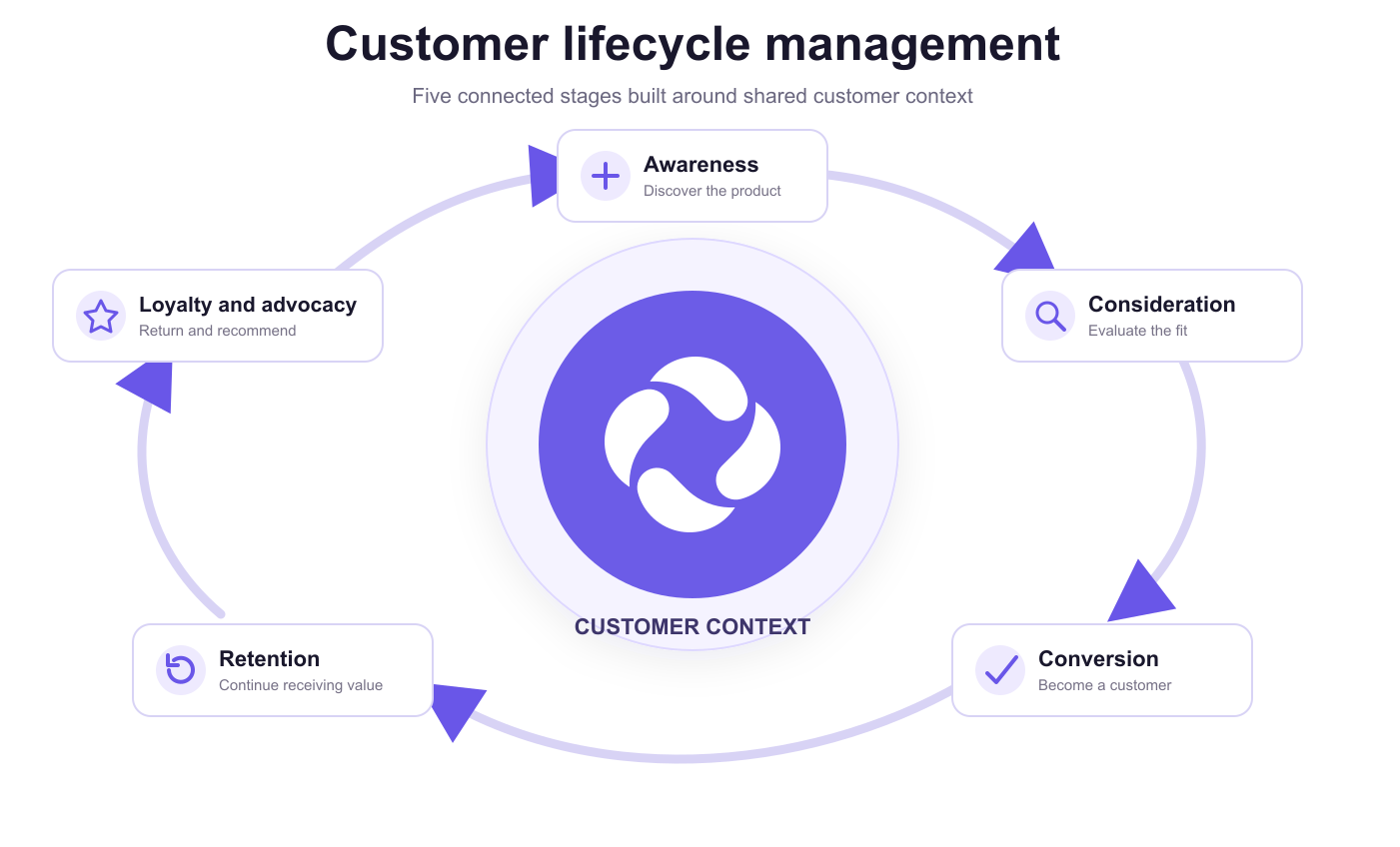
The most useful customer lifecycle has 5 stages: awareness, consideration, conversion, retention, and loyalty. The names vary between businesses, but each stage should describe a meaningful change in the customer's relationship with your company.
Customers do not always move through these stages in order. A retained customer can return to consideration when evaluating an upgrade, while a loyal advocate can become a churn risk after a poor support experience.
1. Awareness
Awareness begins when a potential customer recognizes a problem and discovers your company as a possible solution. Your job is to make the problem, audience, and value of your product easy to understand.
Useful touchpoints include educational content, recommendations, communities, social posts, review sites, and word of mouth. Track qualified website visits, branded search, relevant content engagement, and the share of new visitors who match your ideal customer profile.
2. Consideration
Consideration starts when a potential customer actively evaluates whether your product fits their needs. They compare alternatives, read documentation, ask questions, inspect pricing, and look for evidence that the product works for a company like theirs.
Reduce uncertainty rather than increasing message volume. Give buyers clear pricing, relevant use cases, accessible product information, fast answers, and a realistic view of implementation. Strong signals include return visits, demo requests, pricing-page engagement, product-qualified leads, and substantive sales or support conversations.
3. Conversion
Conversion is the point where a prospect becomes a customer, but payment alone is a weak definition of success. The stage should include the first value-producing action, such as completing setup, inviting a teammate, importing data, or finishing a core workflow.
Treat purchase and customer onboarding as one connected experience. Preserve the context collected before the sale, remove avoidable setup friction, and define an activation event that reflects real value. Measure conversion rate, time to value, onboarding completion, activation, and early support demand.
4. Retention
Customer retention depends on whether people continue receiving enough value to justify staying. Teams should monitor adoption, customer health, unresolved friction, support patterns, and changes in stakeholder engagement.
The best retention work starts before renewal. Use education, proactive support, product guidance, and timely feedback requests to understand where customers are struggling. Cohort retention, product adoption, customer satisfaction, support effort, renewal rate, and customer churn rate reveal different parts of the picture.
5. Loyalty and advocacy
Loyal customers repeatedly choose the product and are willing to recommend it, expand their use, or contribute to the community. Advocacy is an outcome of sustained value and trust, not a campaign that can be switched on at the end.
Ask for reviews, referrals, case studies, or community participation after a customer has achieved something worth sharing. Qualtrics XM Institute found that 69% of consumers were likely to purchase more after recent interactions in its 2024 study of 23,730 consumers across 23 countries.
How to build a customer lifecycle management strategy
A useful CLM strategy connects customer outcomes to team actions. Start with one important segment and one lifecycle path, then expand after the model produces reliable decisions.
Define customer segments and outcomes
Segment customers when they need meaningfully different experiences. A self-service startup account and a complex enterprise account may use the same product, but their buying process, onboarding, support expectations, and success criteria differ.
For each segment, define the outcome that proves progress at every stage. Make it observable. "Understands the product" is vague, while "connects a data source and completes the first report" gives product, success, and support teams something they can measure.
Map touchpoints and team handoffs
List the moments that materially affect progress, not every email or page view. Include the customer's question, the channel, the responsible team, the context that must carry forward, and the condition that triggers the next action.
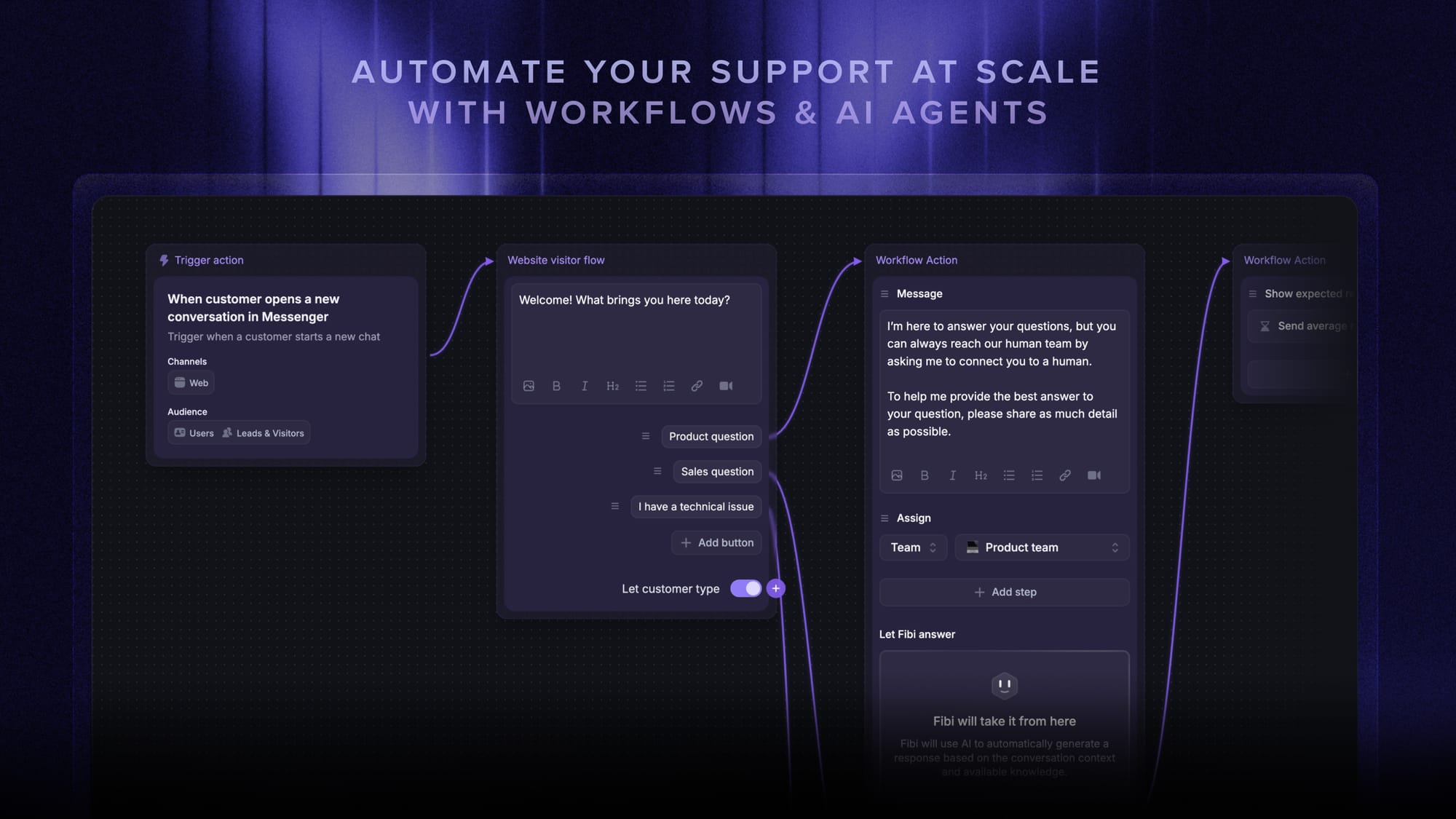
Pay close attention to handoffs between marketing and sales, sales and onboarding, onboarding and customer success, and automated support and human agents. A handoff is incomplete if the receiving team has to ask the customer to repeat information already provided.
Combine behavioral data with customer feedback
Behavioral data shows what happened. Feedback explains the customer's intent, expectations, and reasons. Combining them prevents teams from treating every inactive user, abandoned workflow, or low satisfaction score as the same problem. A documented customer feedback strategy keeps collection tied to decisions instead of isolated research.
Use 3 types of evidence:
- Behavioral signals: Feature usage, activation events, session frequency, account growth, and drop-off points.
- Operational signals: Support topics, resolution time, onboarding progress, renewal status, and failed workflows.
- Customer feedback: Survey responses, feature requests, interview notes, conversation themes, and cancellation reasons.
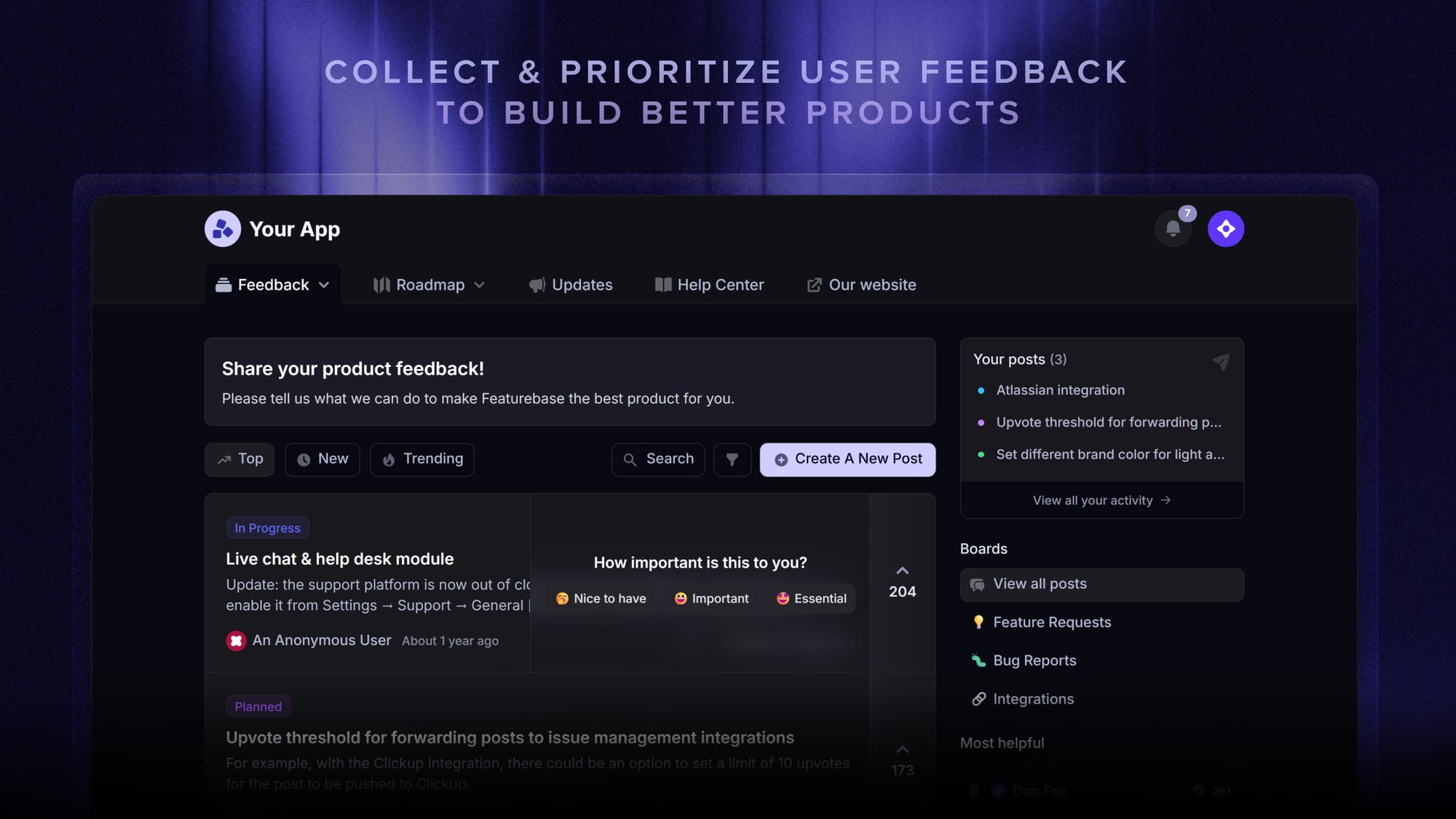
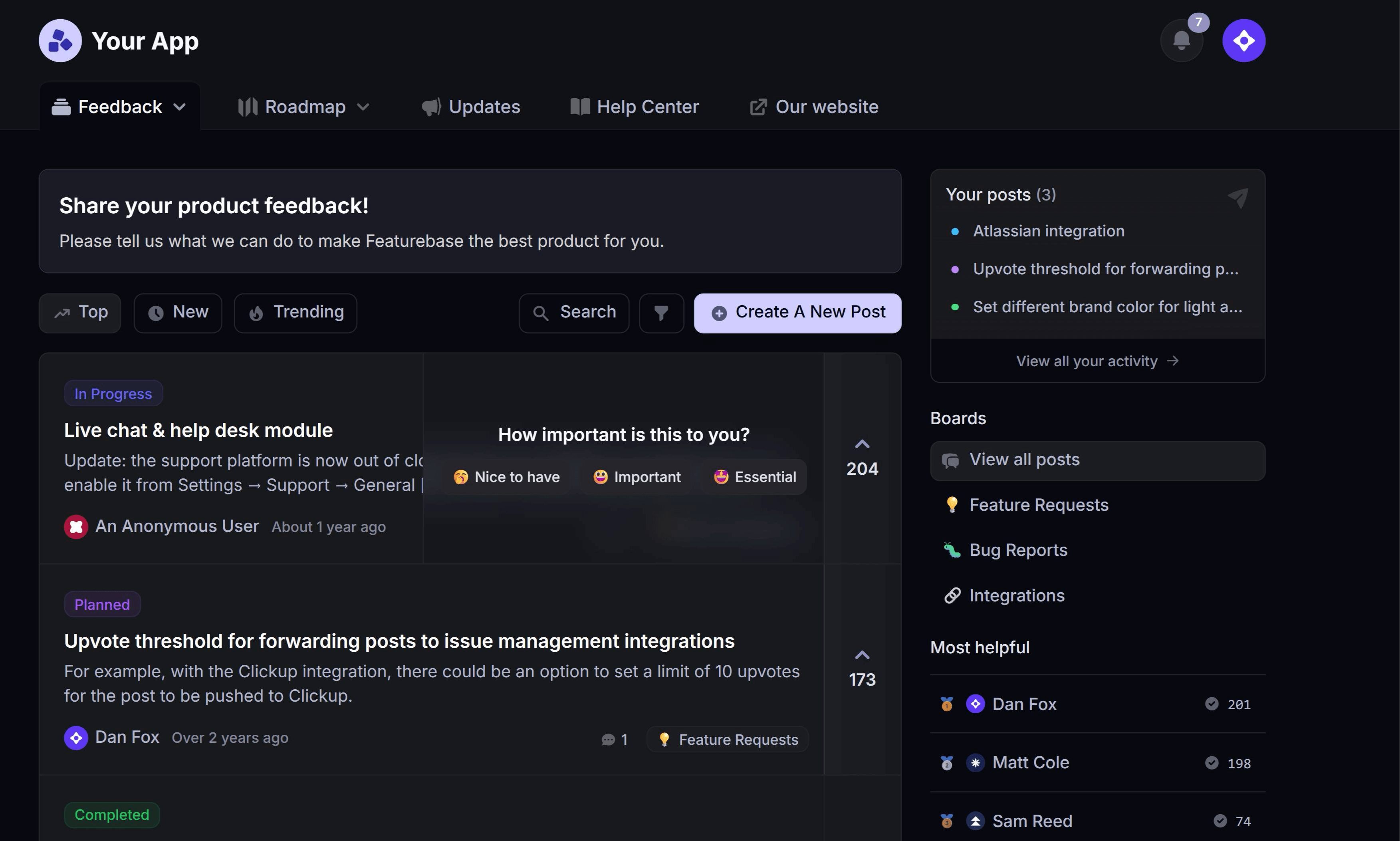
With Featurebase feedback collection, product teams can centralize ideas from a portal, widgets, and integrations, then connect requests to customer context. Targeted in-app surveys also let teams ask a focused question close to the moment being measured.
Personalize engagement by stage
Personalization should make the next step more relevant, not prove how much data you have. Use customer goals, consented behavior, product usage, and previous conversations to choose the right message, channel, and timing.
The value exchange matters. Salesforce's State of the AI Connected Customer found that 73% of customers felt brands treated them as unique individuals in 2024, yet 71% were increasingly protective of their personal information. Collect only the data you can use responsibly and make the benefit visible to the customer.
Close the loop after every meaningful signal
A lifecycle stalls when customers share feedback but never see what happened next. Define a response for the signals that matter, such as a blocked onboarding step, recurring support issue, feature request, poor survey score, or cancellation reason.
Closing the loop does not always mean building a requested feature. It means acknowledging the signal, explaining the decision or next step, and updating the customer when something changes. Product updates delivered through email, a public changelog, and in-app widgets can reconnect shipped improvements with the people who asked for them.
Customer lifecycle metrics to track
Track a small set of metrics that reveal progress, friction, and business outcomes. A dashboard with dozens of unrelated numbers hides the lifecycle instead of clarifying it.
| Stage | Leading signal | Outcome metric | Question it answers |
|---|---|---|---|
| Awareness | Qualified content engagement | Ideal-customer traffic | Are the right people discovering us? |
| Consideration | High-intent product activity | Lead-to-opportunity rate | Are buyers finding enough evidence to continue? |
| Conversion | Activation progress | Conversion rate and time to value | Are new customers reaching meaningful value? |
| Retention | Adoption and health trends | Retention, renewal, and churn | Are customers continuing to get value? |
| Loyalty | Referrals and expansion intent | Customer lifetime value and net revenue retention | Are strong relationships producing durable growth? |
Pair outcome metrics with diagnostic evidence. Churn rate tells you that customers left, while cancellation feedback, product usage, account changes, and support history help explain why. Track net revenue retention alongside logo retention when expansion and contraction materially affect account value.
Review metrics by segment and cohort. A healthy average can hide a poor onboarding experience for new accounts, weak adoption among a specific plan, or rising risk in high-value customers.
Common customer lifecycle management mistakes
Most CLM programs fail because the operating model is unclear, not because the lifecycle diagram is wrong.
- Treating the lifecycle as linear: Customers pause, return, expand, downgrade, and revisit earlier decisions. Design triggers around behavior instead of assuming everyone advances on schedule.
- Optimizing departments instead of outcomes: More leads, faster ticket closure, or more releases do not guarantee that customers reach value. Connect team metrics to lifecycle progress.
- Tracking only lagging indicators: Revenue and churn confirm what already happened. Add leading customer success metrics such as activation depth, adoption changes, unresolved friction, and stakeholder disengagement.
- Collecting feedback without acting on it: Requests and survey scores lose value when they sit in separate tools or produce no visible follow-up. Assign ownership and a response rule to important signals.
- Automating moments that require judgment: Automation works well for routing, reminders, simple answers, and status updates. Keep a fast human path for complex, emotional, or high-stakes situations.
- Using too much customer data: More data does not automatically create better personalization. Collect what supports a defined customer outcome and protect the trust that makes the relationship possible.
How Featurebase supports the customer lifecycle
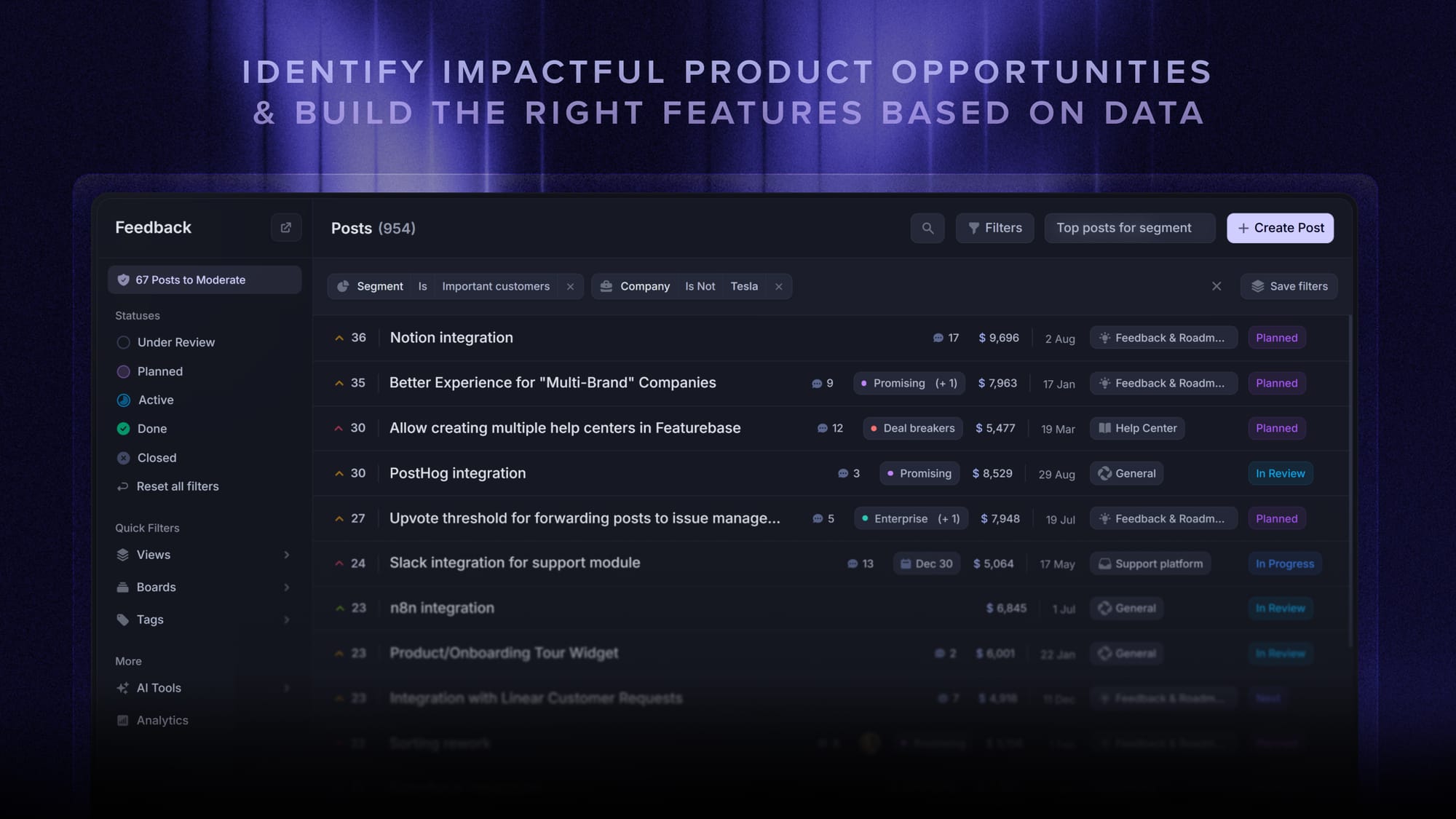
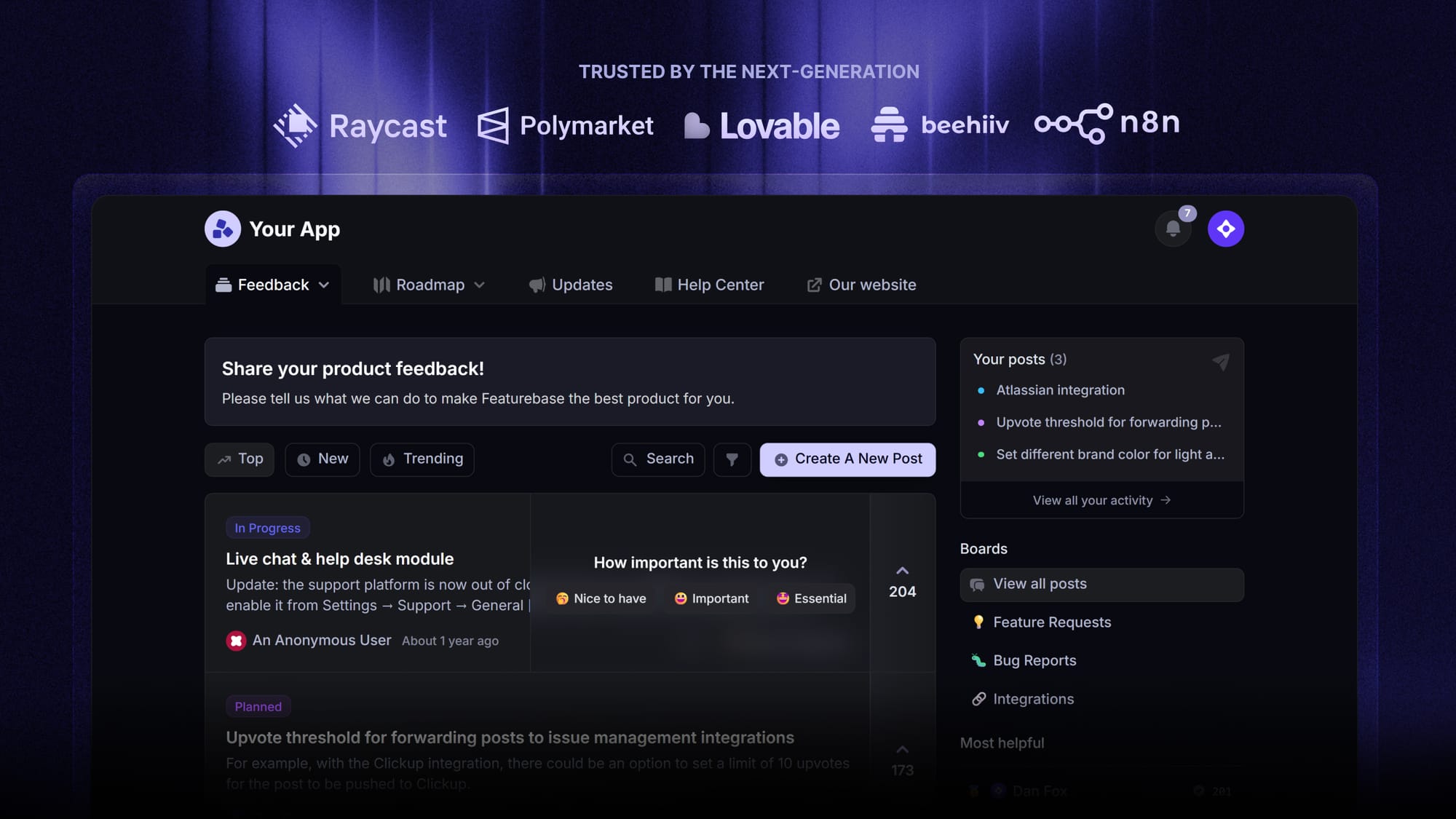
Featurebase is a modern feedback & support platform that helps product teams collect feedback, prioritize features, build roadmaps, and announce product updates – all in one place. It’s loved by thousands of product teams from companies like Lovable, Raycast, and n8n. 💫
Top features:
- Feedback forum – Public feedback forum where users can submit ideas and vote on features helping you know what customers want
- In-app widgets – Embed feedback, changelog, and help center widgets directly in your product
- Prioritize by revenue – Link feedback with customer revenue, company size, and much more to better understand the impact of ideas
- AI feedback categorization - Automatically group large volumes of feedback into product areas, projects, or themes with AI.
- Automated email updates – Automatically notify users when their requested features are implemented
- Roadmaps – Create internal & public product roadmaps to keep users informed and build engagement
- Product updates – Publish release notes with a changelog page, in-app widget, and emails
- Surveys (NPS, CSAT, etc) – Create targeted surveys to ask users anything and measure customer satisfaction.
- Automatic AI translations – Automatically translate all feedback and comments to your customers / teammates native languages
- Integrations – Connects with Slack, Linear, Jira, HubSpot, and more
Pricing: Free plan available with unlimited feedback collection. Paid plans start at $29/seat/mo.
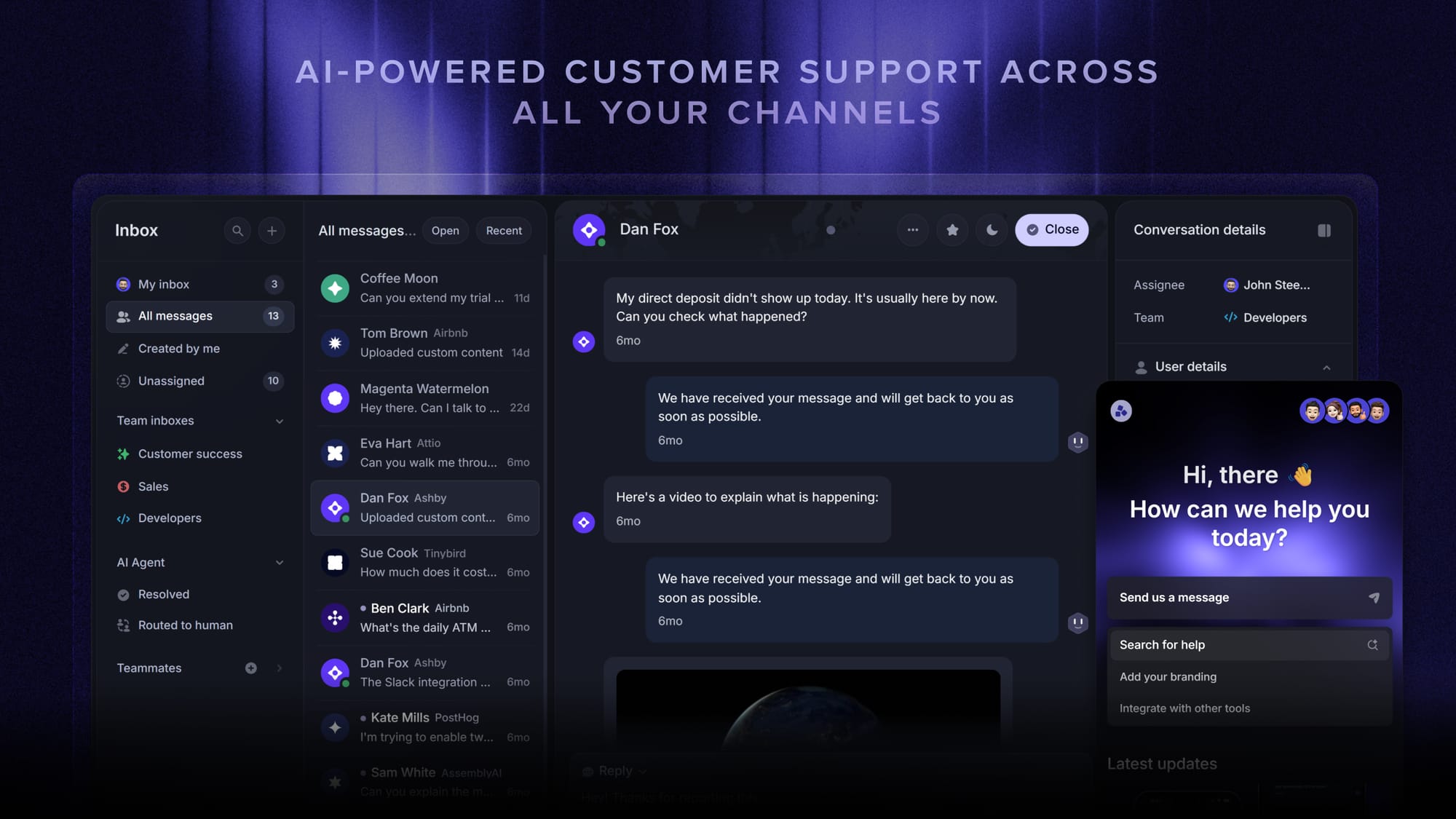
Instead of having 4+ different tools, Featurebase enables you to replace all your customer-facing tools by bringing your feedback collection, product updates, support, and help center together in one place to help you build products your users love.

Turn feedback into products your users love
Centralize feedback, identify product opportunities, and build the right features
Conclusion
Customer lifecycle management works when every stage has a clear customer outcome, owner, signal, and next action. Start with one important segment, map the handoffs that create the most friction, and use customer behavior plus direct feedback to improve the system over time.
Featurebase is a modern & powerful feedback tool. It helps you collect feedback with a feature voting forum, surveys, embeddable widgets, and integrations. You can then analyze that feedback in one place by connecting it to customer revenue and data to make better product decisions throughout the lifecycle.
It comes with a Free plan allowing unlimited feedback. The onboarding is incredibly quick and doesn't require a credit card, so there's no downside to trying it. 👇
✨ Start collecting & managing feedback with Featurebase for free →
FAQs
What is the difference between customer lifecycle management and CRM?
Customer lifecycle management is the strategy for improving the full relationship from awareness to advocacy. CRM is the system and process used to store customer records, manage opportunities, and coordinate interactions. A CRM can support CLM, but teams still need lifecycle stages, owners, success criteria, and actions.
What is the difference between a customer lifecycle and a customer journey?
A customer lifecycle describes the broad stages of a relationship with a business. A customer journey maps the detailed steps, touchpoints, questions, and emotions involved in completing a specific goal. One lifecycle can contain many journeys, including evaluation, onboarding, support, renewal, and expansion.
What should customer lifecycle management software include?
CLM software should unify relevant customer context, segmentation, communication, automation, feedback, and reporting. It should also support clear team handoffs and connect signals to actions. Featurebase covers the customer-facing part of this system with feedback, surveys, roadmaps, product updates, and support in one platform.
Who owns customer lifecycle management?
One senior leader should be accountable for the lifecycle model, but ownership of individual stages is cross-functional. Marketing, sales, product, support, customer success, and operations each control different touchpoints. The accountable leader keeps definitions, handoffs, and shared metrics consistent.
How often should you update a customer lifecycle map?
Review the lifecycle map at least quarterly and after a meaningful change to the product, market, pricing, or customer segment. Update it sooner when data shows a broken handoff, rising churn, or a new customer behavior. The map should reflect how customers act now, not how the company was organized when it was created.
How does customer lifecycle management differ between B2B and B2C?
B2B lifecycles often involve longer buying cycles, multiple stakeholders, account-level health, contracts, and structured renewals. B2C lifecycles usually involve more individual customers, shorter decisions, higher interaction volume, and behavior-driven messaging. Both require clear stages, relevant customer signals, and consistent value across touchpoints.