Blog Customer ServicePersonalized Customer Service: Examples & How-To
Personalized Customer Service: Examples & How-To
Personalized customer service tailors every interaction to the individual. Here's what it actually means, real examples, and how to deliver it at scale.


✨ Automate your support with the fastest AI-enhanced Inbox today →
Customers can tell within seconds whether you actually know them or you're just reading from a script. Most of the time, it's the script.
The cost is quiet but real: lower trust, weaker loyalty, and customers who churn without ever telling you why. Personalized customer service fixes that by tailoring every interaction to the individual in front of you.
This guide covers what it actually means, real examples you can copy, and how to deliver it at scale. 👇
Key takeaways:
- Personalized customer service means tailoring each interaction to the individual, using their history, preferences, and context instead of generic, scripted responses.
- It's an expectation now, not a perk. 71% of consumers expect personalized interactions and 76% get frustrated when they don't get them.
- The payoff is concrete: higher satisfaction, stronger loyalty and retention, and more revenue.
- You deliver it by unifying customer data, using AI to scale, meeting customers on their channel of choice, and closing the feedback loop.
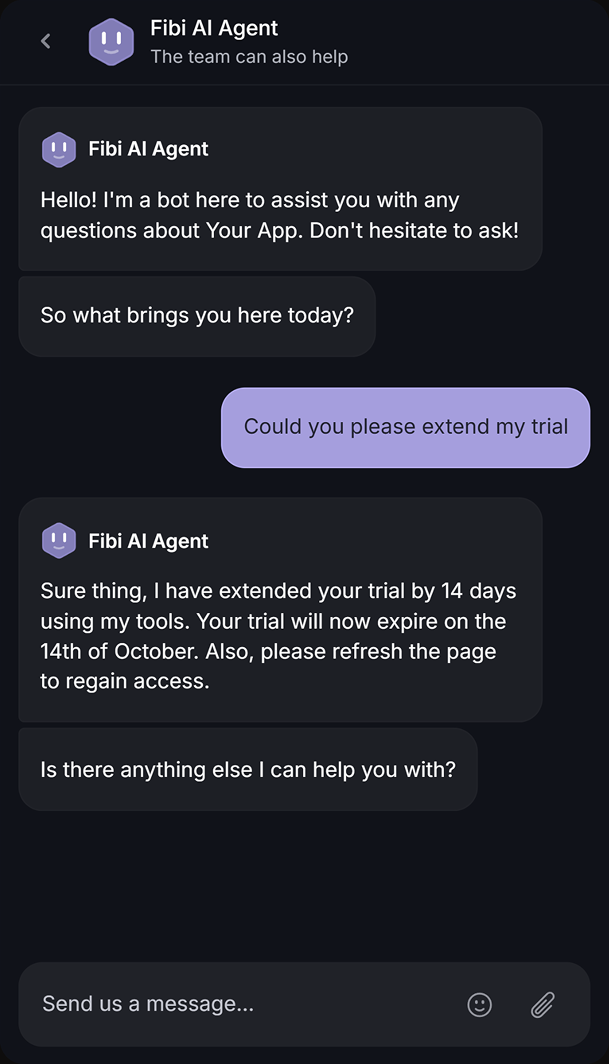
- Featurebase✨ brings your inbox, help center, and feedback tools into one platform, so agents always have the full context they need to personalize.
What is personalized customer service?
Personalized customer service is support tailored to the individual customer, based on who they are, what they've done before, and what they need right now. Instead of treating every ticket the same, you adapt the response to the person.
A quick example: a customer buys a French press from your store. A week later, they get an email offering a discount on a matching grinder, exactly the thing they'd need next. That's personalization at work.
It usually shows up in 3 layers:
- Identity: who the customer is, including their name, plan, language, and how they prefer to be contacted.
- History: what they've bought, asked about, or struggled with before, so they never have to repeat themselves.
- Context: what's happening in the moment, like the page they're on or the issue they just hit.
The opposite is the experience we all dread: explaining your problem three times to three different agents, getting a canned reply that ignores what you said, and feeling like a ticket number instead of a person.
Why personalized customer service matters
Personalization moved from "nice touch" to "baseline expectation" fast. According to McKinsey, 71% of consumers expect companies to deliver personalized interactions, and 76% get frustrated when that doesn't happen.
Meeting that expectation pays off in 3 ways:
- Higher satisfaction: when customers feel understood, resolutions feel faster and friendlier, which lifts CSAT and reduces repeat contacts.
- Stronger loyalty and retention: people stick with brands that remember them. Personalized service builds the trust that turns one-time buyers into long-term, loyal customers.
- More revenue: it's a growth lever, not just a cost center. McKinsey found that faster-growing companies drive 40% more of their revenue from personalization than slower-growing peers.
Put simply, generic support quietly leaks customers. Personalized support keeps them and grows their value over time.
7 examples of personalized customer service
The best way to understand personalization is to see it. Here are 7 concrete examples you can put to work right away.
- Use the customer's name: addressing someone by name in a chat, email, or call is the simplest signal that there's a human on the other end who sees them as an individual.
- Recommend based on purchase history: suggest the accessory, upgrade, or plan that actually fits what they've already bought, instead of a generic upsell.
- Follow up after a purchase or ticket: a short check-in after a resolution shows you care whether the fix actually worked, not just whether the ticket closed.
- Let customers reach you on their channel of choice: some people want live chat, others email, others Slack. Meeting them where they already are is personalization in itself.
- Pick up the conversation with full context: when an agent can see a customer's past orders and previous tickets, the customer never has to re-explain their story.
- Offer proactive support: spotting a likely problem and reaching out before the customer does, like flagging a failed payment, turns a future complaint into a moment of trust.
- Tailor self-service to the customer: surface the help article or answer that matches their product version and past issues, not a generic FAQ wall.
Notice that none of these require a huge budget. They require knowing your customer, which is mostly a data and tooling problem.
How to deliver personalized customer service at scale
Personalizing one conversation is easy. Doing it across thousands of customers without burning out your team is the real challenge. Here's how to make it repeatable.
Unify customer data and history
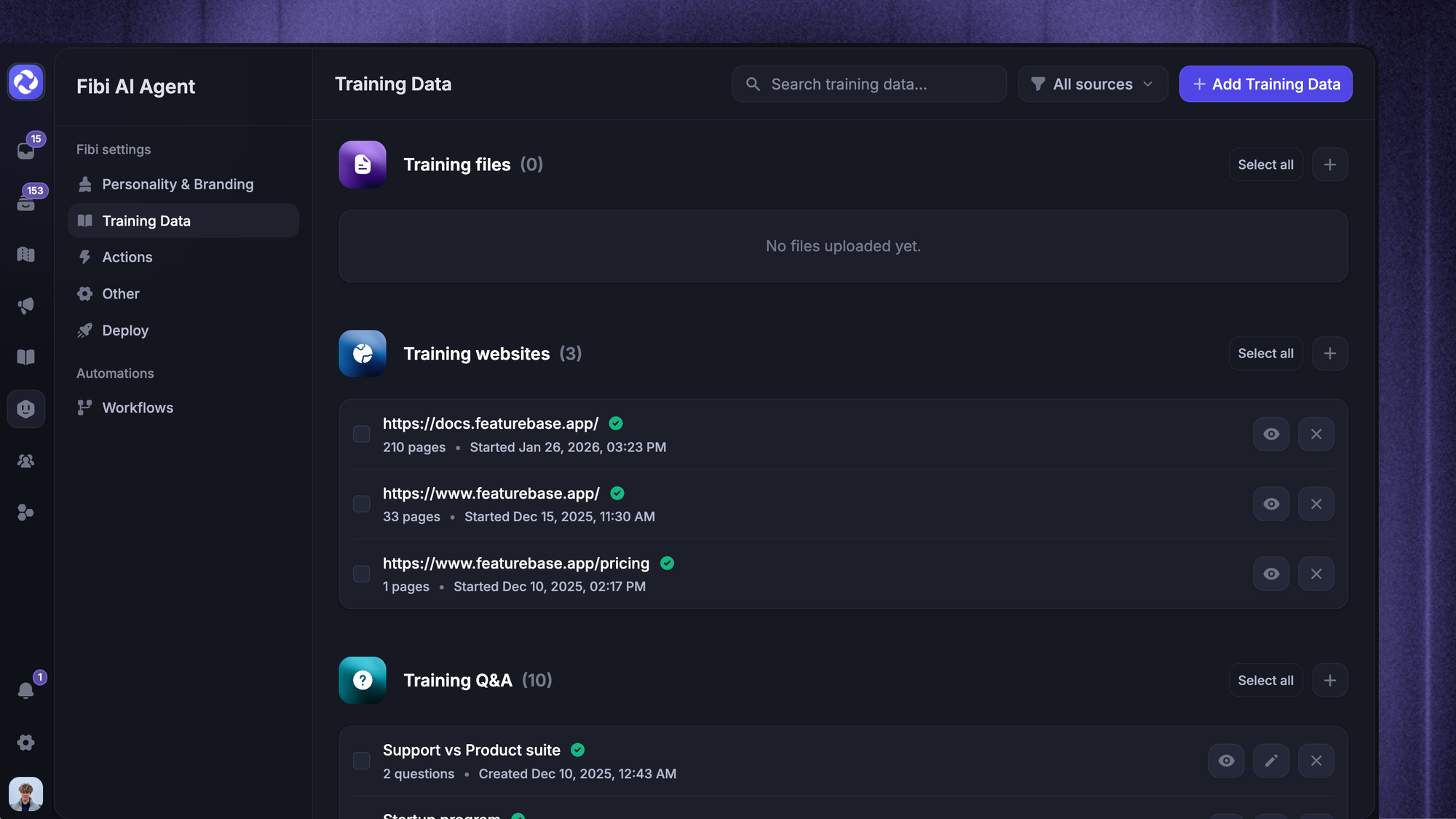
You can't personalize what you can't see. The foundation of personalized service is a single, shared view of each customer: their profile, past conversations, and purchase history, all in one place.
When that data lives in five disconnected tools, agents waste time hunting for context and customers end up repeating themselves. A unified setup fixes that. Featurebase, for example, gives agents an omnichannel inbox where chat, email, and Slack conversations sit in one view, and its Fibi AI Agent can pull a customer's history to resolve issues with full context instead of generic replies.
Use AI and automation
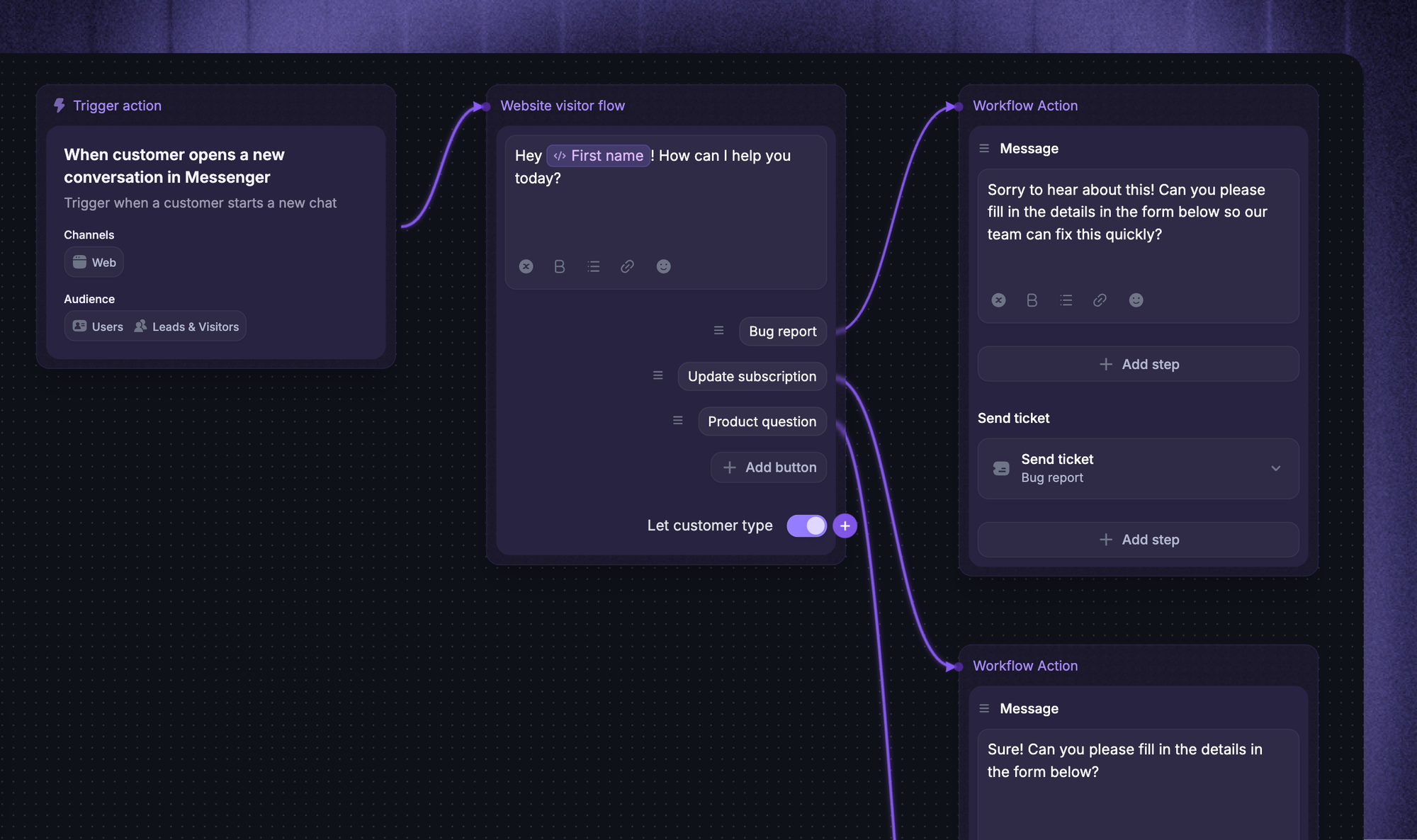
AI is what makes personalization possible at scale. It can analyze past interactions, surface the right answer, and tailor responses far faster than a human scrolling through records, which matters more every year. 61% of consumers now expect AI-driven interactions to feel tailored to them, per Zendesk's CX Trends research.
The trick is to use customer service automation for the repetitive, data-heavy work, like routing, summarizing history, and drafting context-aware replies, so your agents spend their time on the conversations that need a human touch.
Meet customers on every channel
Personalization breaks the moment a customer switches from chat to email and has to start over. A true omnichannel approach keeps the context flowing across every channel.
Pair that with strong customer self-service so people who'd rather solve it themselves can. An AI-powered help center that surfaces the right article based on a customer's product and history is personalization too, just without an agent in the loop.
Train agents to personalize
Tools set the stage, but great customer service skills bring it to life. Train agents to read context, drop the robotic script, and use plain, conversational language that fits the person they're talking to.
The goal is confidence: an agent who understands the customer's situation will tailor the conversation naturally, rather than reaching for a canned response.
Close the loop with feedback
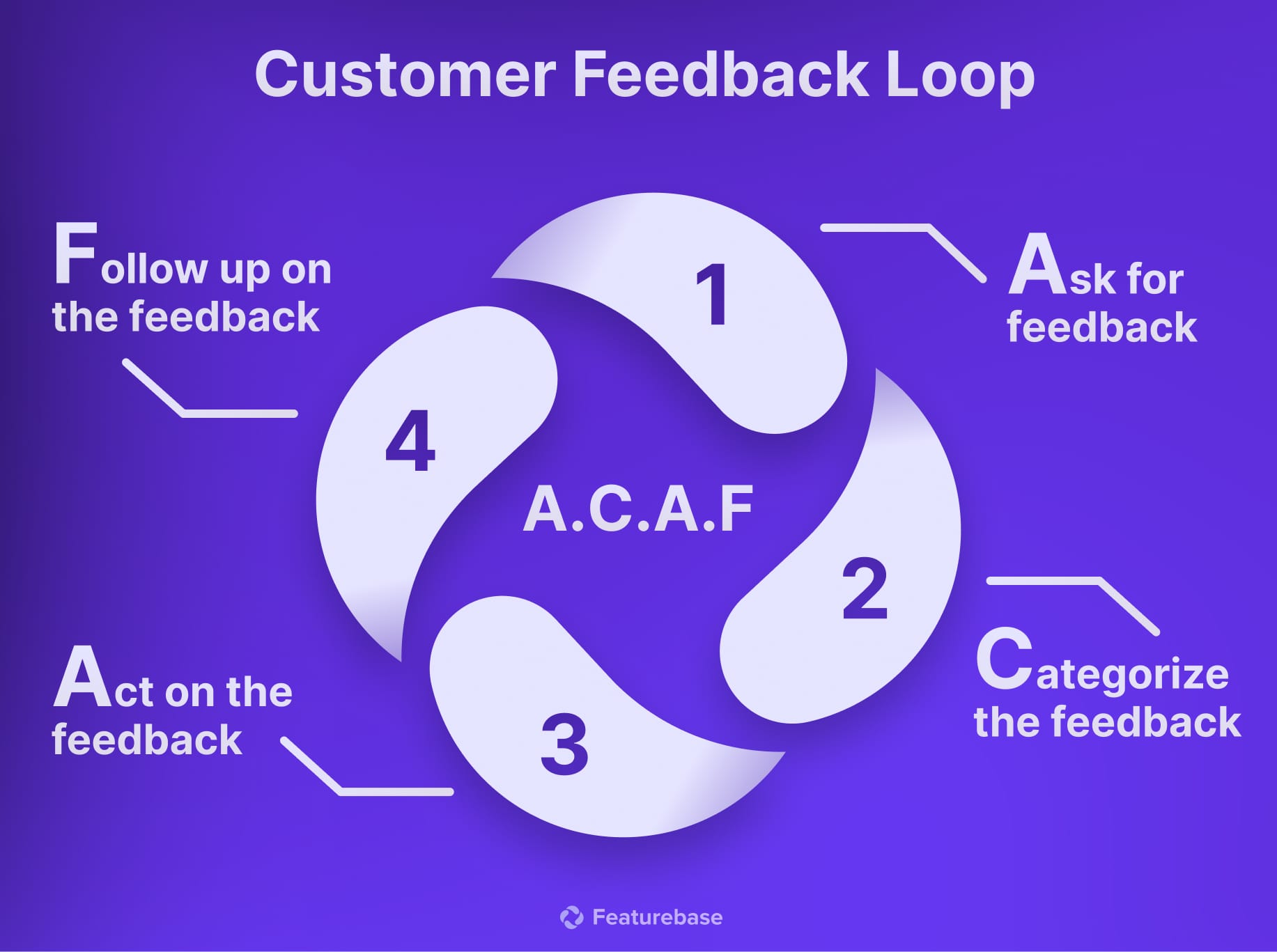
Personalization only improves if you listen. Ask customers what worked and what didn't, then act on it. A consistent customer feedback loop tells you exactly where your service feels impersonal, so you can fix the right things instead of guessing.
How to measure personalized customer service
If you want personalization to stick, track whether it's actually working. A handful of customer service metrics tell the story:
- CSAT (customer satisfaction score): a direct read on how happy customers are with a specific interaction, ideal for spotting where personalization lands or falls flat.
- CES (customer effort score): measures how hard it was to get a problem solved. Lower effort usually means context carried over and the customer didn't have to repeat themselves.
- NPS (net promoter score): gauges long-term loyalty and willingness to recommend, which personalization tends to lift over time.
- Retention and repeat rate: the bottom-line signal. If personalized service is working, more customers stay and come back.
Watch these before and after you change your approach, and you'll know whether your personalization efforts are paying off.
Common challenges (and how to avoid them)
Personalization is worth it, but it's not free of trade-offs. 3 challenges trip teams up most often:
- Data privacy: customers want personalization and they want their data respected. Be transparent about what you collect and why, and stay compliant with regulations like GDPR.
- Siloed tools: when customer data is scattered across disconnected systems, agents get a fragmented picture and personalization falls apart. Consolidating onto one platform is the usual fix.
- Consistency across channels: a customer should get the same personal experience whether they reach you by chat, email, or phone. That takes a shared view of the customer and clear standards across the team.
None of these are reasons to skip personalization. They're reasons to build it on the right foundation.
Where the right platform helps
Most personalization problems trace back to the same root cause: customer data and conversations scattered across too many disconnected tools. When that's the case, the fix is consolidation, and that's the gap Featurebase is built to close for product-led SaaS teams.
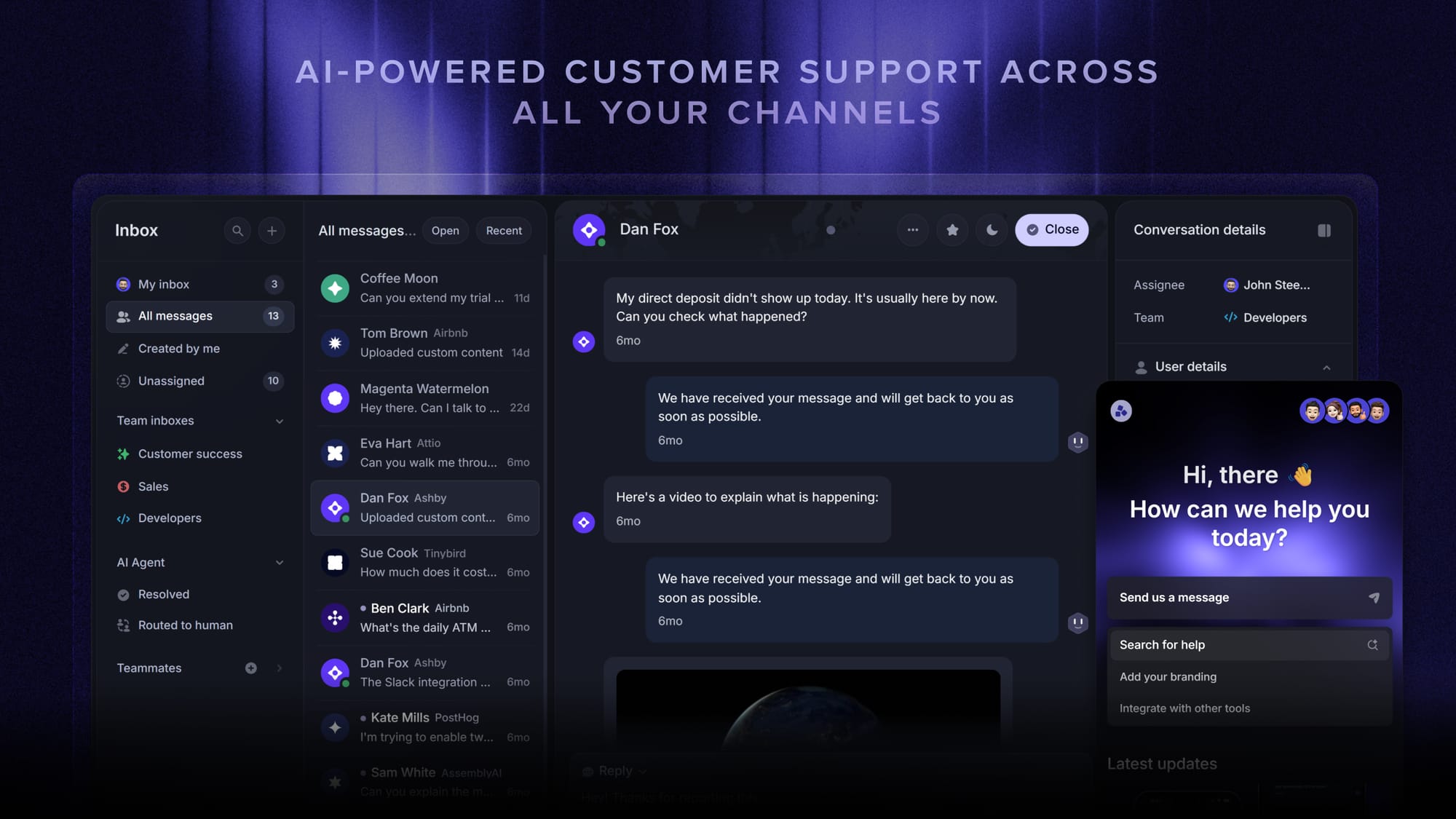
The parts that matter most for personalization are the ones that give agents context and help them act on it:
- An omnichannel inbox keeps live chat, email, and Slack in one view, so an agent always sees a customer's full history instead of a single isolated message.
- An AI agent and AI copilot draw on that history to resolve common issues automatically and suggest context-aware replies, which is how you personalize at scale without adding headcount.
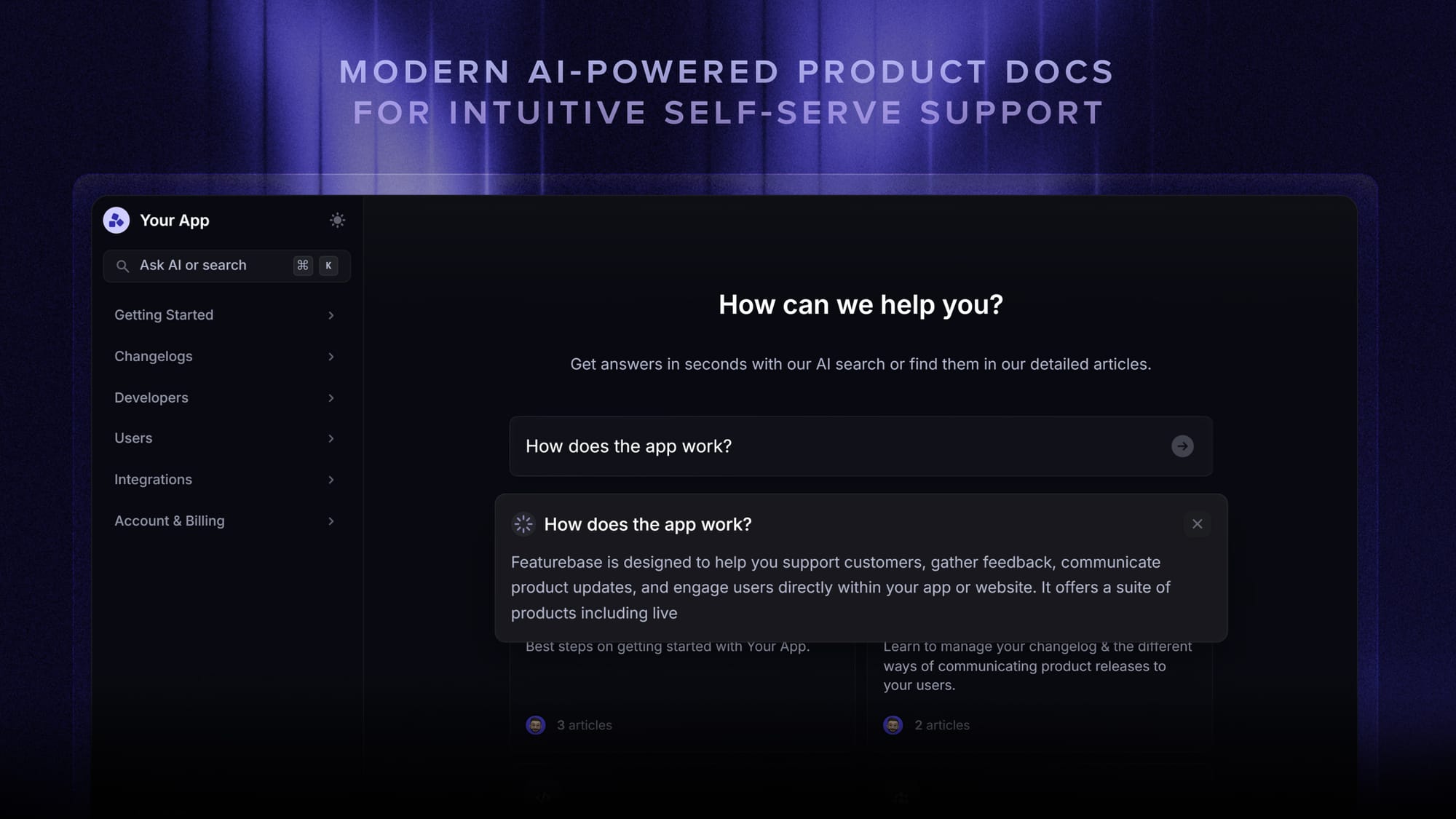
- A connected help center and feedback tools let customers self-serve with relevant answers and tell you where your service still feels impersonal.
It runs on a free plan with unlimited conversations, with paid plans starting at $29 per seat per month, so it's realistic to test against your current setup before committing.
Conclusion
Personalized customer service isn't about grand gestures. It's about consistently showing each customer that you know them and you're paying attention, which is exactly what turns satisfied customers into loyal ones.
Featurebase makes that the default. It brings your support inbox, AI agent, help center, and feedback tools into one place, so every agent has the full customer context to deliver personal, fast support without juggling five different tools.
It comes with a Free plan and unlimited conversations, and the onboarding is quick with no credit card required, so there's no downside to trying it. 👇
✨ Automate your support with the fastest AI-enhanced Inbox today →
FAQs
Is personalized customer service worth it?
Yes. Personalized service consistently lifts customer satisfaction, loyalty, and retention, and those gains flow straight to revenue. McKinsey found that faster-growing companies generate 40% more of their revenue from personalization than slower-growing ones. The upfront effort of unifying data and tooling pays back through customers who stay longer and spend more.
What's the difference between personalized customer service and personalized marketing?
Personalized marketing tailors your outreach, like emails, ads, and product recommendations, to win attention and drive purchases. Personalized customer service tailors the support interaction itself, using a customer's history and context to resolve their issue. They overlap on data, but one is about acquiring and selling while the other is about helping and retaining.
How do you personalize customer service at scale?
The key is infrastructure, not heroics. Unify customer data into a single shared view, use AI and automation to surface context and handle repetitive work, and keep that context consistent across every channel. With the right setup, agents get the full picture automatically, so personalization happens by default instead of requiring manual effort on each ticket.
How do you measure personalized customer service?
Track a mix of experience and outcome metrics. CSAT and CES show how individual interactions feel, NPS captures long-term loyalty, and retention or repeat-purchase rate reveals the business impact. Compare these before and after you change your approach to see whether personalization is actually moving the needle.
What are the most common challenges of personalized customer service?
The big three are data privacy, siloed tools, and inconsistency across channels. Customers expect personalization without misuse of their data, agents struggle when customer information is scattered across systems, and experiences fall apart when chat, email, and phone don't share the same context. Strong data practices and a unified platform solve most of them.
What tools do you need for personalized customer service?
At minimum, you need a way to see each customer's full history in one place, which usually means a unified support platform that combines an inbox, a help center, and customer data. Featurebase brings those together with an omnichannel inbox, an AI agent, and feedback tools, so agents always have the context to personalize without switching between disconnected apps.