Customer Success vs. Customer Experience Explained
Customer success vs. customer experience: what actually separates them, the metrics each one owns, and how the two work together to drive retention.


On this page
Start collecting & managing feedback with Featurebase for free
Customer success and customer experience get used like synonyms, but they aren't the same thing. Blur the two and you end up with fuzzy ownership, mismatched metrics, and teams tripping over each other.
The short version: customer experience is the whole journey someone has with your brand, and customer success is the post-sale function that helps them actually get value from your product.
Here's how each one works, where they differ, and how they fit together 👇
Key takeaways:
Customer experience (CX) is the sum of every interaction a customer has with your brand, from the first ad they see to their fifth renewal.
- Customer success (CS) is a proactive, post-sale function focused on helping customers reach their goals with your product.
- The cleanest mental model: customer success is one part of the wider customer experience, not a rival to it.
- The two differ most in scope, where they sit in the journey, the metrics they own, and which teams run them.
- CX and CS share one signal above all others: customer feedback. The teams that win connect the two.
- Featurebase✨ gives both teams one place to collect feedback, run NPS and CSAT surveys, and act on what customers actually say.
- You rarely have to pick one over the other. Most SaaS teams need both, just structured clearly.
What is customer experience (CX)?
Customer experience is the total impression a customer forms of your brand across every interaction, from the first ad to post-purchase support and every touchpoint in between.
It isn't a single moment or department. It's the running sum of how a customer thinks and feels about you at each stage: the marketing they see, the website they browse, the sales call, the onboarding, the support chat, and the renewal notice.
CX can be both reactive and proactive. You react to feedback and fix pain points, and you also design journeys to prevent friction before it happens. Most teams run structured voice-of-the-customer programs to keep a pulse on how customers feel.
Because CX is about perception, it's usually measured with satisfaction and loyalty metrics like:
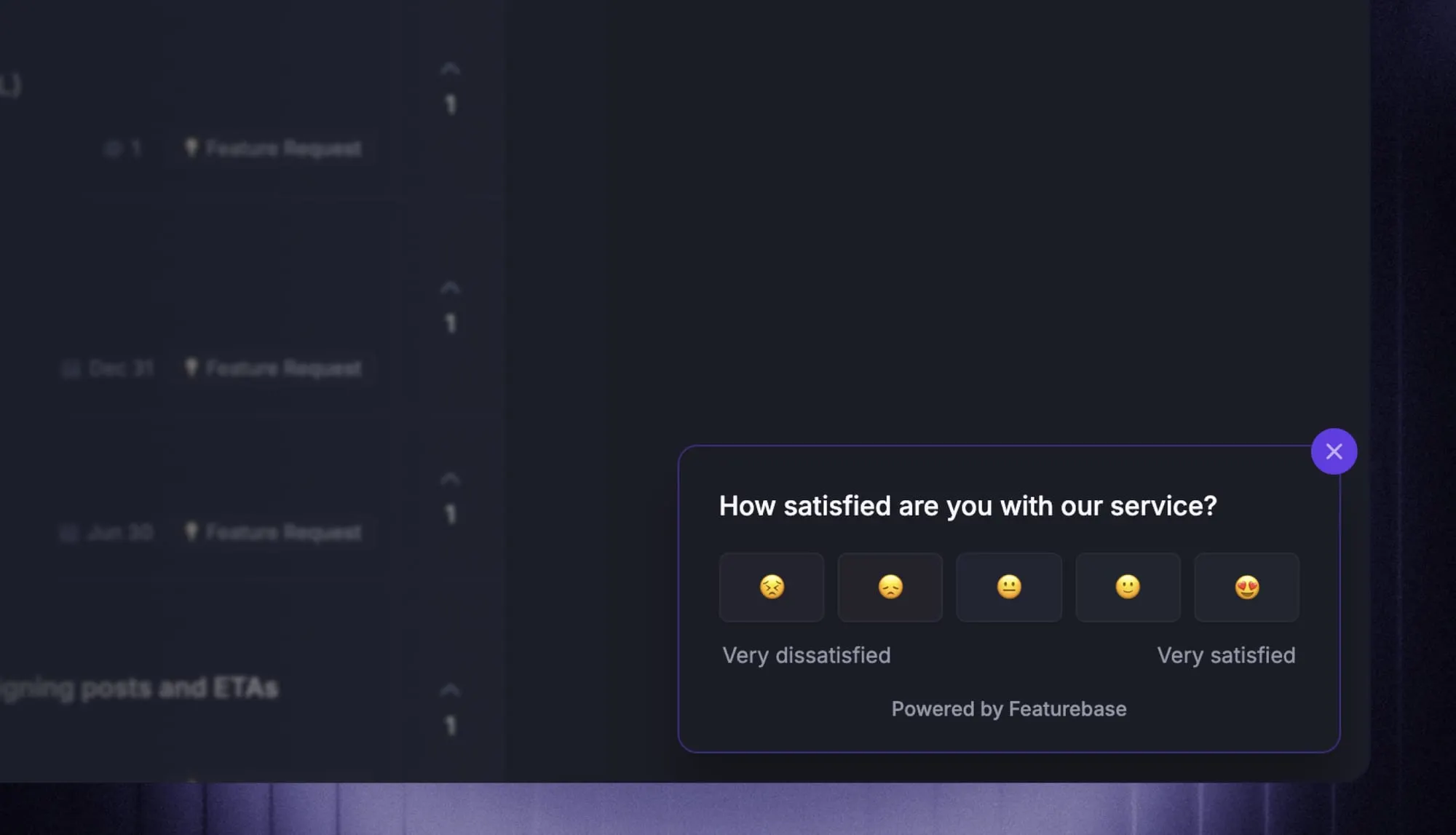
- CSAT (customer satisfaction score): how happy customers are with a specific interaction or the product overall.
- NPS (Net Promoter Score): how likely customers are to recommend you to someone else.
- CES (customer effort score): how easy you made it for customers to get what they needed.
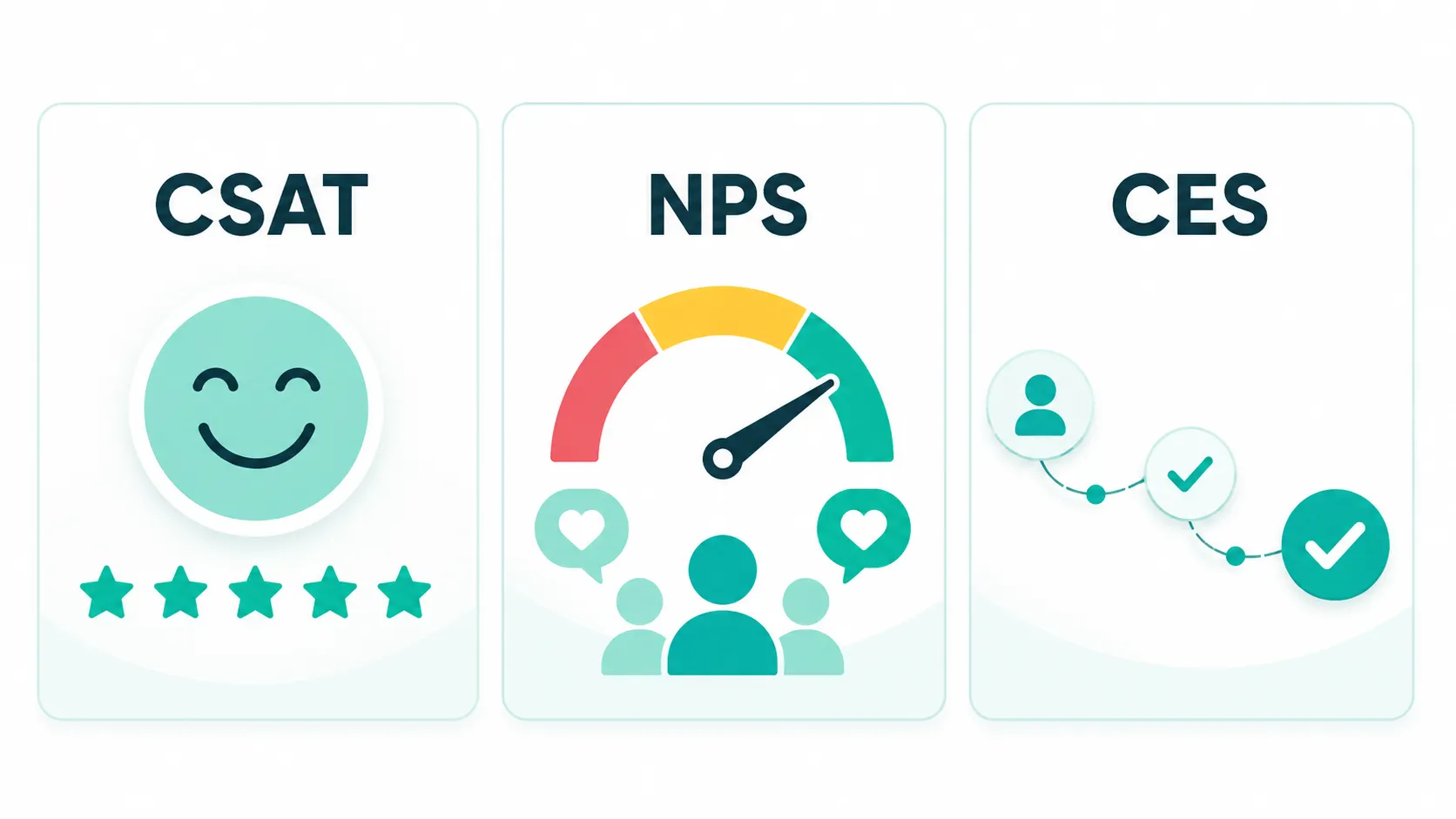
CX applies to almost any business with customers, but it matters most in competitive markets where a better experience is the main thing setting you apart.
Not sure which score to lean on? See our breakdown of NPS vs. CSAT and when to use each.
What is customer success (CS)?
Customer success is a proactive, post-sale function that helps customers reach their desired outcomes with your product. Where CX spans the whole journey, CS zooms in on everything that happens after someone buys.
The goal is simple: make sure customers get enough value that they stick around, renew, and expand. A customer success manager doesn't wait for a ticket. They watch usage, flag risks, and step in before a customer stalls or churns.
Most customer success work falls into 4 stages:
- Onboarding: getting a new customer set up and seeing value quickly.
- Adoption: making sure they use the features that matter for their goals.
- Retention: keeping them engaged so they renew instead of churning.
- Expansion: surfacing upsells and cross-sells when the timing is right.
Because success is about long-term value, it's measured with retention and revenue metrics like churn rate, customer lifetime value (CLV), retention rate, and product usage. You'll most often find dedicated CS teams at subscription businesses, especially B2B and SaaS, where survival depends on repeat purchases.
Customer success vs. customer experience: the key differences
Both functions want the same end result: happy customers who stay and spend more. The difference is in what they own and when they act.
| Aspect | Customer experience (CX) | Customer success (CS) |
|---|---|---|
| Focus | The whole perception of your brand across every interaction | Helping customers hit their goals with your product |
| Journey stage | End to end, from awareness to loyalty | Post-sale, from onboarding to renewal |
| Primary goal | A consistently positive, low-friction journey | Value realization, retention, and expansion |
| Key metrics | CSAT, NPS, CES, conversion rate | Churn, CLV, retention rate, product usage |
| Approach | Reactive and proactive | Almost entirely proactive |
| Best fit | Any customer-facing business | Subscription, B2B, and SaaS models |
The biggest takeaway from this table: scope. Customer experience is the umbrella, and customer success is one high-value function that lives under it. CX shapes how someone feels about you at every stage, while CS makes sure the post-sale stage actually delivers on what they were promised.
Timing is the other clean line. CX starts working before a customer even knows they're in a buying journey. CS only kicks in once the deal is closed.
How customer success and customer experience work together
Treating CX and CS as rivals is where teams go wrong. They reinforce each other, and the math for getting them right is hard to ignore.
Retention is the shared prize. Acquiring a new customer costs 5 to 25 times more than keeping an existing one, and a 5% increase in retention can lift profits by 25% or more. Good CX earns the trust that keeps customers around, and good CS turns that trust into renewals and expansion. You need both to move the number.
The connective tissue between them is customer feedback. CX teams gather signal across the whole journey, and CS teams act on it account by account. When that signal lives in separate spreadsheets, insight never becomes action. When it lives in one place, a survey response can trigger a CSM outreach the same day. This is the customer feedback loop that ties the two functions together and protects customer retention over time.
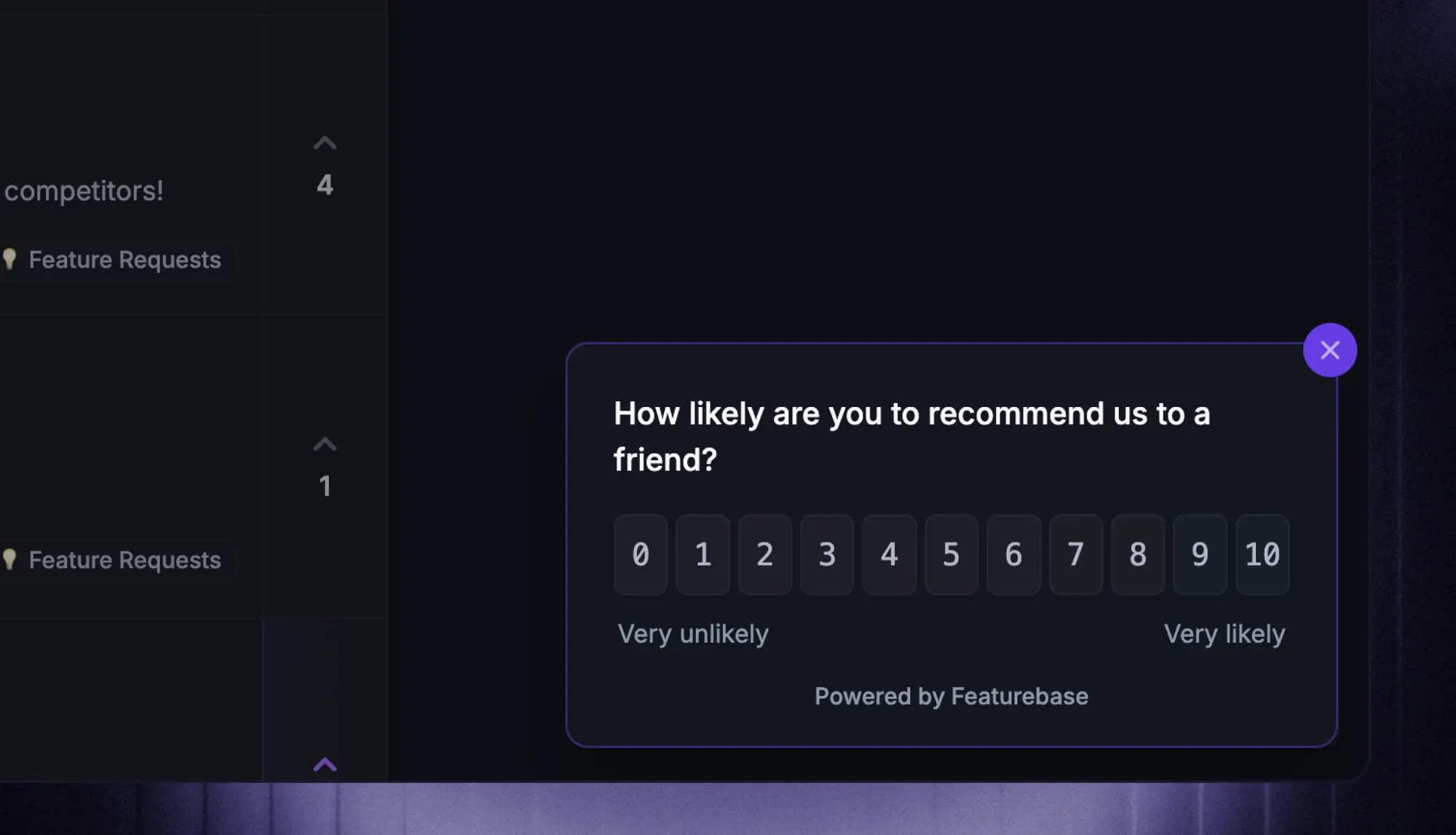
That shared loop is where a tool helps. With Featurebase you can collect feedback across channels and run targeted NPS and CSAT surveys, then route what customers say to the team that needs to act on it, so CX insight and CS follow-up stop living in different tools.
Conclusion
Customer success and customer experience aren't competing disciplines. Customer experience is the full journey, customer success is the post-sale function that makes that journey pay off, and the two share the same fuel: what your customers are actually telling you.
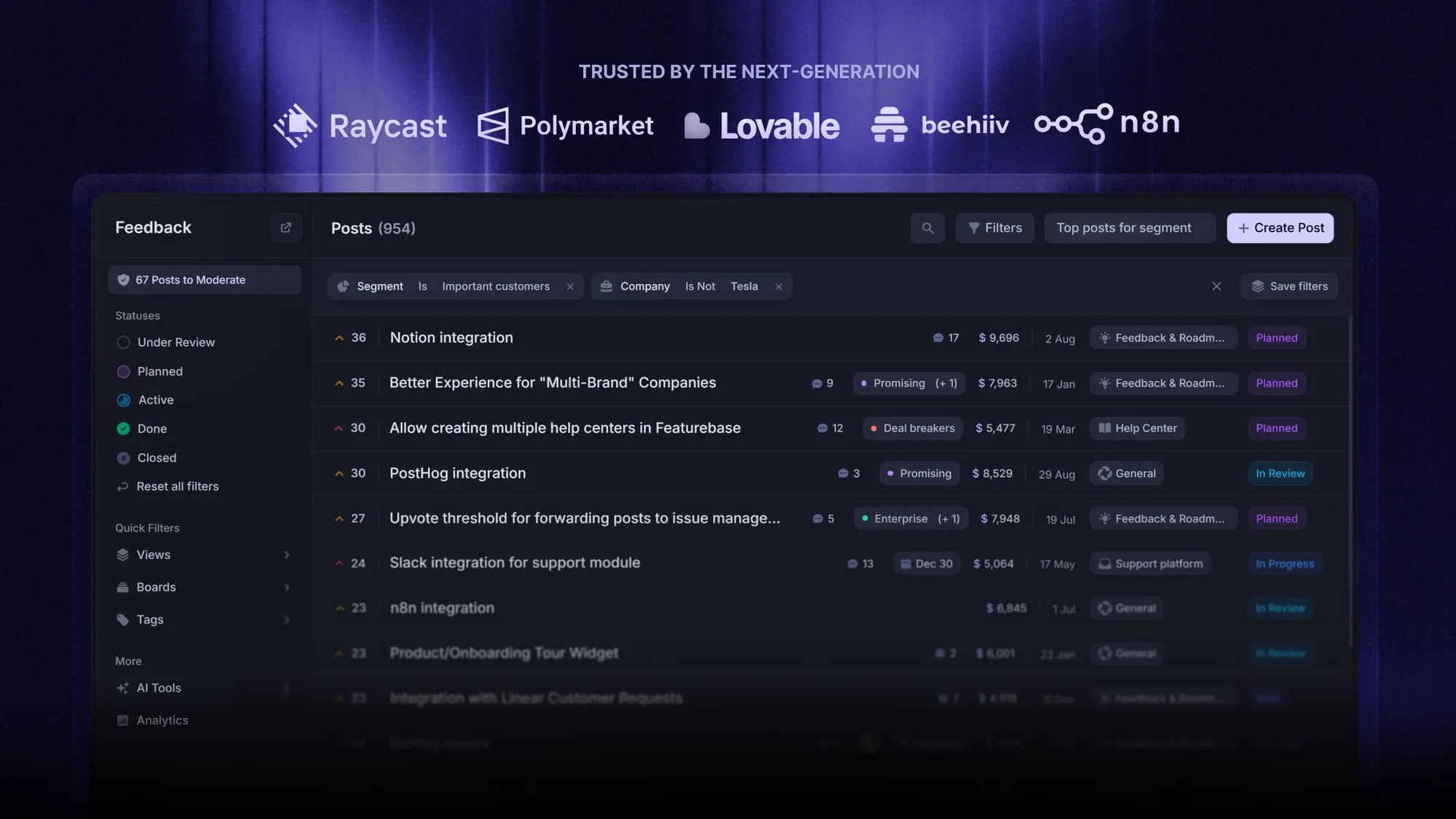
Featurebase is a modern & powerful feedback tool. It helps you collect feedback with a feature voting forum, surveys, embeddable widgets, and integrations. You can then analyze all of that feedback in one place by connecting it to your customers' revenue and data, so both your CX and CS teams act on the same insights.
It comes with affordable pricing and a Free plan allowing unlimited feedback. The onboarding is incredibly quick and doesn't require a credit card, so there's no downside to trying it. 👇
Start collecting & managing feedback with Featurebase for free
FAQs
Yes. Customer experience covers the entire customer journey, and customer success is one function within it that focuses on the post-sale stage. CS makes sure customers get value after they buy, which is a big contributor to the overall experience but not the whole thing.
No. Customer service is reactive, it resolves issues and answers questions when customers reach out. Customer success is proactive, it works ahead of problems to help customers reach their goals and renew. A helpful way to see the distinction is our breakdown of customer service and customer support, which sit even closer together than success and service.
The 4 pillars most teams work from are onboarding, adoption, retention, and expansion. Onboarding gets customers to first value, adoption drives real usage, retention keeps them renewing, and expansion grows the account through upsells and cross-sells. Together they map the post-sale lifecycle a CS team owns.
Customer experience comes first. CX starts shaping perception before someone is even aware they're in a buying journey, through ads, your website, and the sales process. Customer success only begins once the customer has purchased and needs help getting value.
Yes, and in most startups one team does. Early on, the same people often handle onboarding, support, and journey improvements. The key is to keep the two jobs clear: proactive, goal-focused work is customer success, and whole-journey perception is customer experience, even when the same person does both.
The most useful tools are the ones that centralize customer feedback so both teams work from the same signal. Featurebase does this by combining a feedback forum, NPS and CSAT surveys, and revenue-linked prioritization in one place, so CX insight and CS follow-up don't get stranded in separate systems.


