15 Top Voice of the Customer Tools for Feedback Collection
VoC tools help you capture feedback, improve your product, and boost satisfaction. In this post, we’ll explore the 13 best VoC tools.


On this page
Start capturing Voice of the Customer with Featurebase for Free
How do you stand out in a crowded market and deliver a product that truly meets the needs of your customers? You could spend thousands of dollars on research... or simply listen to what your customers have to say.
Capturing customer insights is often called the Voice of the Customer. Behind this poetic name is one of the most powerful ways to collect and understand customer sentiment, improve your product, and increase revenue.
Today, we will explain Voice of the Customer and how it can improve customer satisfaction and help you refine your product with valuable customer insights. 👇
In short, the best VOC tools in 2026:
- ✨ Featurebase: Best all-in-one VoC tool for collecting feedback, prioritizing ideas, and closing the loop across product and customer teams.
- ZonkaFeedback: Best for teams that want flexible, multi-channel VoC collection with simple survey setup and real-time alerts.
- UserVoice: Best for product teams focused on structured customer feedback and feature prioritization.
- Pendo: Best for capturing in-app customer feedback tied directly to product usage and behavior.
- InMoment: Best for enterprise VoC programs combining feedback analysis, journey mapping, and real-time alerts.
- Qualtrics XM: Best for large organizations needing deep analytics and omnichannel feedback capture at scale.
- Medallia: Best for enterprise brands managing high-volume VoC across digital, in-store, and call center touchpoints.
- SurveyMonkey: Best for easy customer feedback collection through surveys.
- AskNicely: Best for service and field teams tracking NPS and acting on real-time customer sentiment.
- Mopinion: Best for structured VoC collection across websites, email, and apps with advanced targeting.
- Prowly: Best for PR and comms teams looking to track media sentiment and journalist engagement as part of VoC.
- Rapidr: Best for SaaS teams that want to collect and prioritize customer feedback with public or internal boards.
- Sentisum: Best for turning unstructured support tickets and conversations into real-time VoC insights using AI.
- Enterpret: Best for customer feedback analysis conducted across support tickets, surveys and online reviews, which can be categorized using AI-powered features.
- ReachifyAI: Best for restaurant and hospitality businesses that need to collect feedback and interact with patrons seamlessly.
What is the Voice of the Customer?
Voice of the Customer (VoC) is the process of collecting and analyzing customer feedback to understand expectations, customer preferences, and needs. It helps businesses improve products and make them meet customer demands by creating a customer program that captures insights.
Voice of the Customer is unique because it involves collecting feedback through various channels, including feedback forms, satisfaction surveys, social media, customer interviews, review sites, and many others.
Why is VOC important?
Every company wants to build a product with a superior customer experience, high lifetime value, no churn, and a growing number of delighted customers. Voice of the Customer can help you do just that. Here are some of the key reasons why VOC matters for SaaS:
1. An improved customer experience
With Voice of the Customer tools, you can build products that customers use and love.
If you don't know what feature to build or what bug to fix, Voice of the Customer software helps you determine where your focus should be by building a dedicated customer program. You can gauge customer sentiment to solve problems with laser precision.
It's cheaper and simpler to execute compared to some other feedback collection methods such as focus groups or deep market research, and you can analyze results immediately.
2. Building customer-centric products
Building a product doesn't require much sophisticated effort in 2026. Just a few people can deliver a decent product. However, building a product people love and use daily requires collecting customer feedback and driving actionable insights from it.
This is where Voice of Customer tools come in. These tools focus on ongoing feedback collection rather than building something and letting it be. If you capture feedback every day, you can easily see changes in trends, behavior patterns and red flags that you may no longer have a product that solves real pain points.
3. Lower churn
When you hear your customers' needs early and address their concerns, there is a lower likelihood that they will churn and switch to another brand. When a business makes an effort to collect and analyze customer feedback, it can understand why customers leave and address those issues before they become threats.
You'll achieve higher customer retention and business growth because they'll recognize you're listening them and solving their pain points. In short, you get immediate root cause analysis of what drives people away from you to your competition.
4. Improved decision-making
Don't know which features or bugs to build or fix next?
Voice of the Customer tools help you make important decisions more quickly. By analyzing customer feedback, you'll understand what matters for customer satisfaction, what you should build or fix, and what can wait. You can tap into customer needs and gauge the customer experience to find where to go next.
With features such as speech analytics, prioritization matrixes and survey feedback dashboards, you get quantitative and qualitative insights. You no longer have to build features and roadmaps based on a hunch. Every product decision is based on real data.
5. Competitive advantage
One of the most powerful ways to stand out in a crowded market is to gather customer insights. It's often the least expensive way to improve customer relationship management along with tools such as the best WhatsApp CRM solutions and discover what is missing in the customer journey, improving your product.
For example, simple survey data can reveal actionable insights about the missing features that could improve customer satisfaction to the point where customers don't flock to competitors.
Some industries, especially those targeting digital-native audiences, are now leveraging platforms like TikTok not just for marketing but also as a source of real-time customer sentiment. A Tik Tok ads agency can help brands tap into this stream of user-generated feedback, from comments, trends, and engagement patterns, to inform product and messaging decisions in tandem with VoC tools.
6. Brand loyalty
Customers who feel you are listening to them stick around with your business. With a customer platform for collecting feedback, you can get valuable insights about your customers. In turn, they'll show you loyalty, and you'll see an increase in customer lifetime value.
Top VOC tools to collect customer feedback in 2025
From customer satisfaction surveys to advanced sentiment analysis and customer experience management tools, you can take plenty of routes to capture the customer's voice. These are some of the best voice of the customer tools you can try in 2025 to build the best version of your product.
1. Featurebase ✨
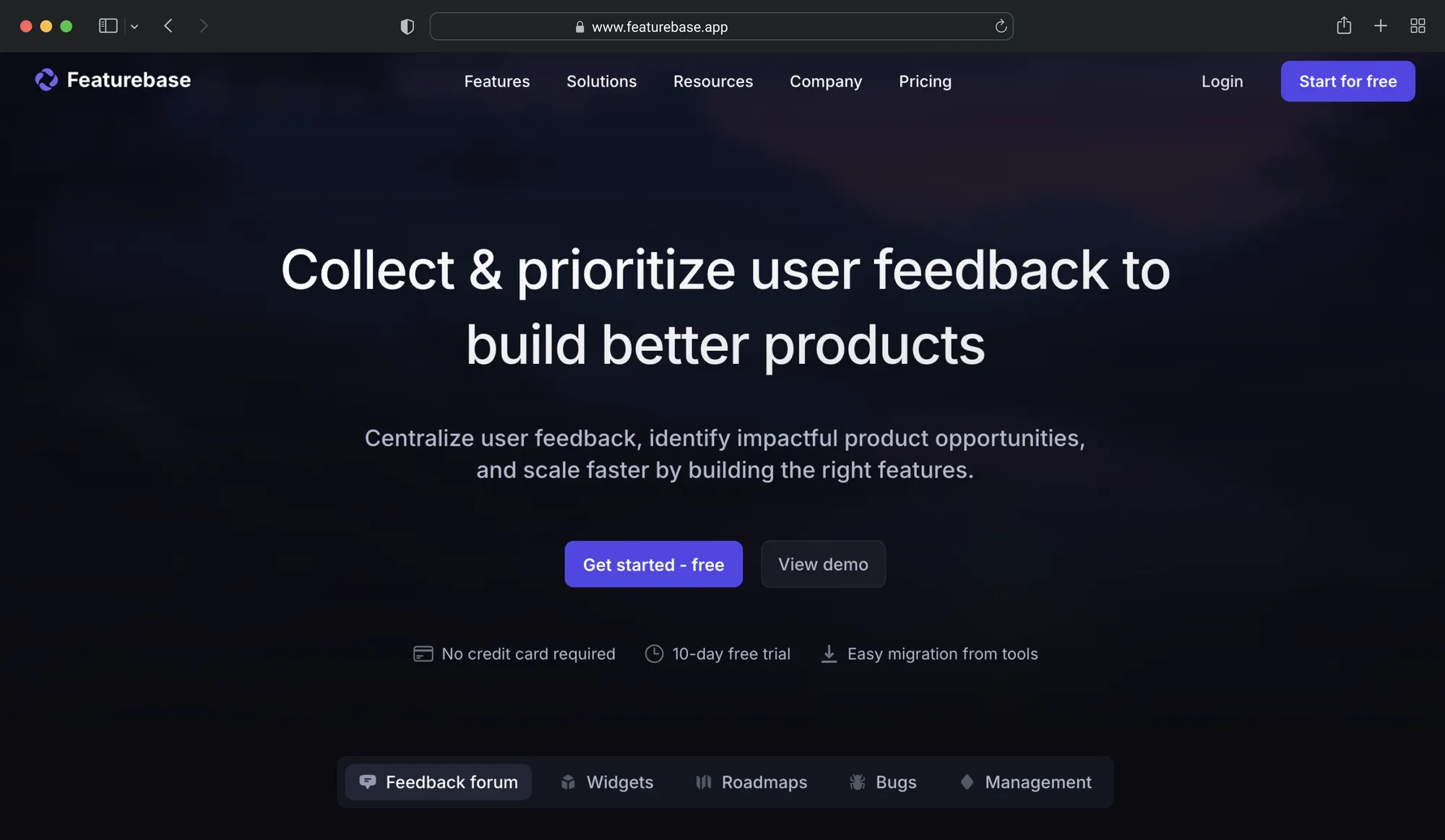
Featurebase is a modern support & feedback platform that helps you capture the voice of the customer across channels with integrations, embeddable wigets, and a customer feedback forum. It’s loved by thousands of product, marketing, and support teams from companies like Lovable.dev, Elementor, and Beehiiv.
Top features
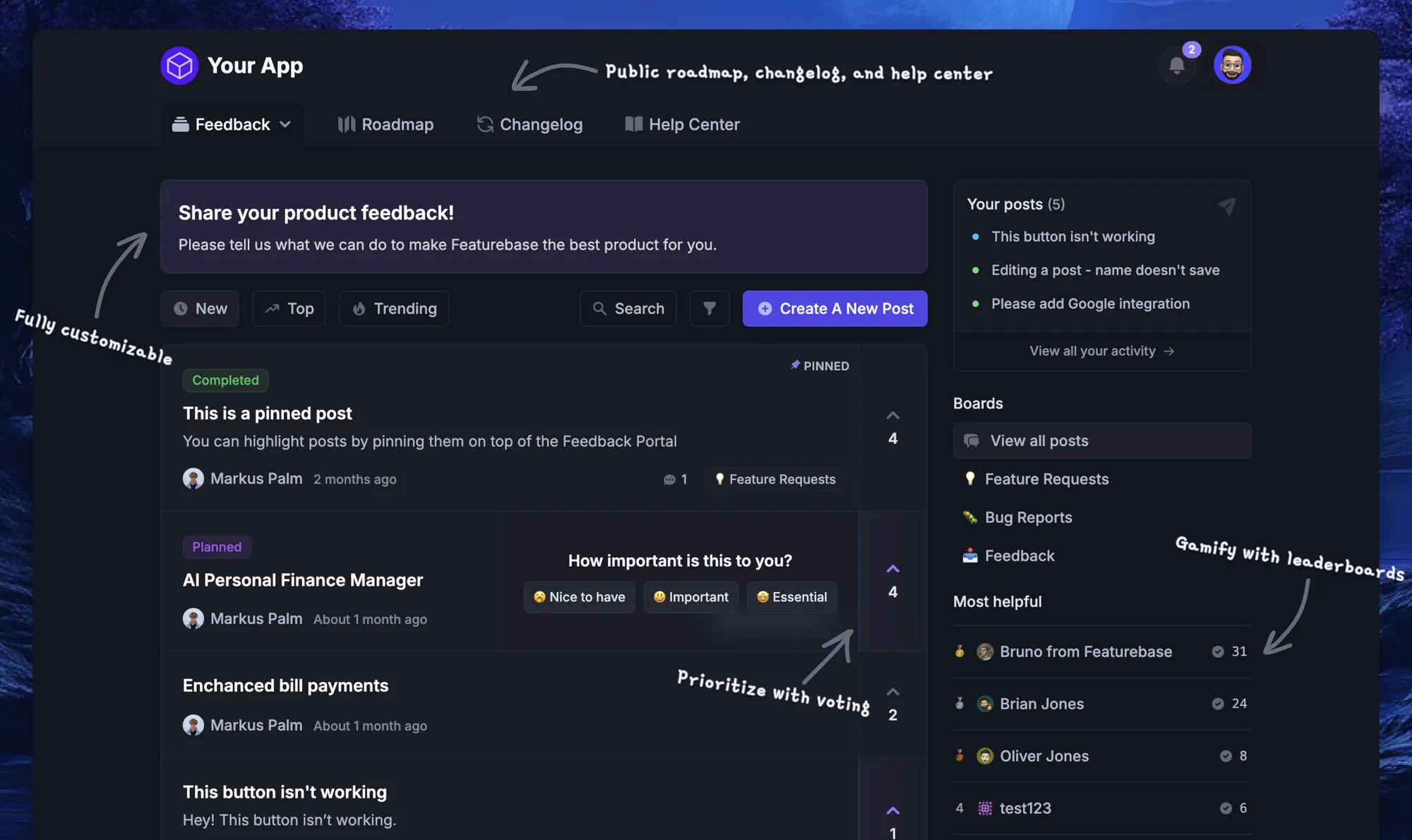
- Feedback forum – Public feedback forum where users can submit ideas and vote on features, helping you know what customers want
- Prioritize based on customer revenue – Connect feedback with customer data like revenue, company size, and much more to better understand the impact of ideas
- Embedded feedback widgets – Collect ideas, bug reports, and suggestions directly from your website or webapp with an interactive feedback widget
- Net Promoter Score and satisfaction surveys: Run quick sentiment surveys directly within your product or via email.
- Automated email updates – Automatically notify users when their requested features are implemented
- Voting and commenting – Let users upvote and discuss feedback, helping you prioritize based on real demand
- User segmentation – Connect feedback with customer data like revenue and company size to group important customers and prioritize feedback by revenue
- Integrations – Slack, Linear, Intercom, Jira, Hubspot, Zendesk, Clickup, and many others
- Plus, help center, live chat, product roadmaps, release notes, and customer surveys – all in one place
Pricing: Featurebase is among the most affordable options on this list, with prices starting from just $29 per user per month. Plus, it comes with a Free plan, and the onboarding is super simple, so there's no downside to trying it out! 👇
Start collecting & managing customer feedback with Featurebase for Free
2. ZonkaFeedback
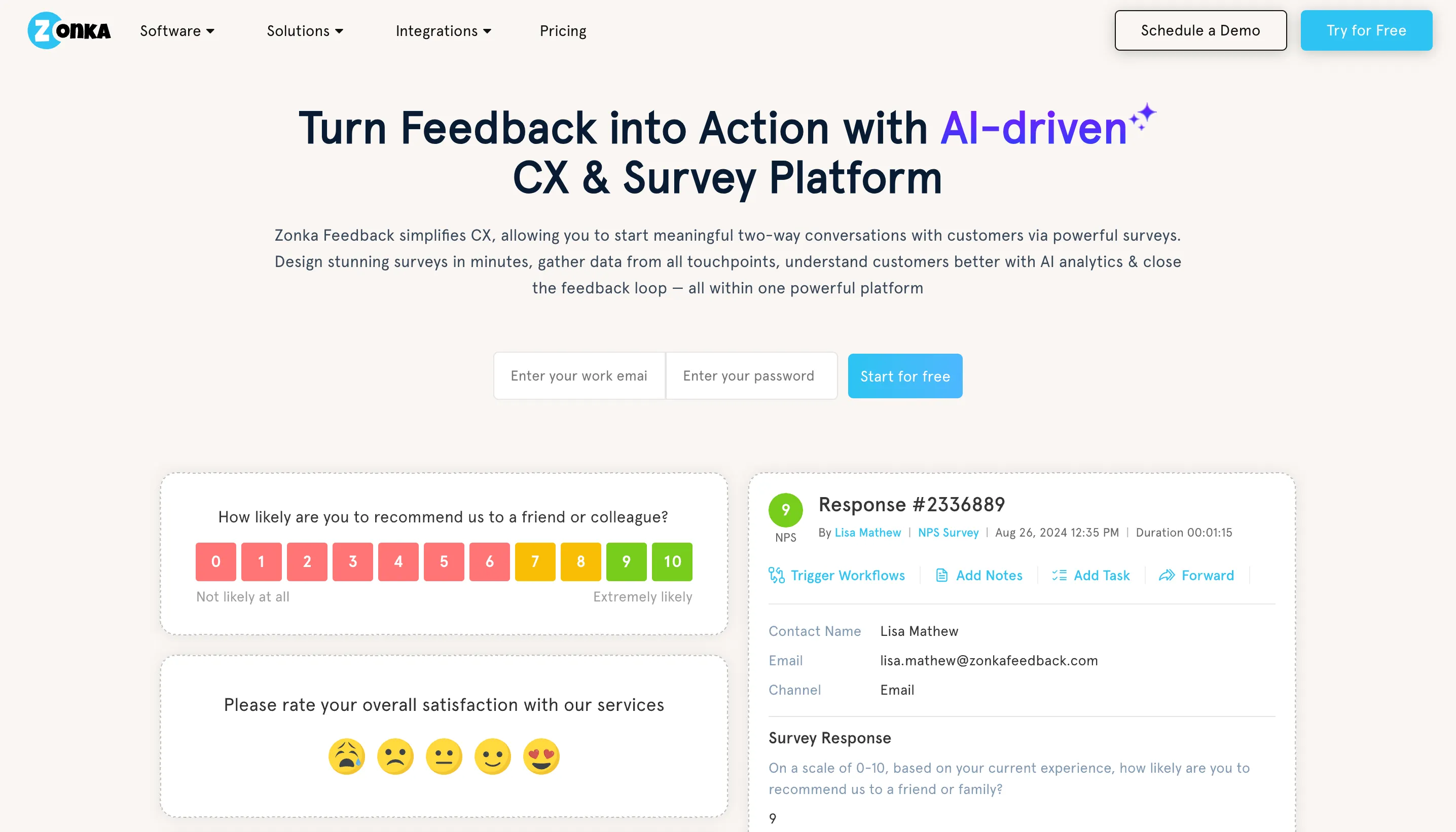
Zonka Feedback is a flexible VoC and survey platform designed to capture customer sentiment through microsurveys, forms, and embedded widgets. It’s a great fit for teams that want multi-channel feedback tools without complex setup.
Top features
- NPS, CSAT, and customer effort score (CES) surveys: Launch best-practice survey types via website, email, or kiosk.
- Custom forms and logic: Build personalized surveys with conditional branching.
- Real-time response alerts: Get notified when customers leave negative or urgent feedback.
- Dashboard and filtering tools: Analyze customer feedback data by location, sentiment, or channel.
- Offline and mobile-ready: Collect VoC data even without a live internet connection.
Pros and cons
✅ Easy to use across web, mobile, and email
✅ Good for structured customer programs at small to mid-scale
✅ Affordable with flexible deployment options
❌ Advanced analytics are limited without integrations
❌ UI is more functional than modern
❌ Not ideal for managing large volumes of unstructured feedback
Pricing: If you're just starting out, the free plan allows you to get up to 50 monthly responses. Paid plans start at $49 per month, unlocking 250 responses and up to three users.
3. UserVoice
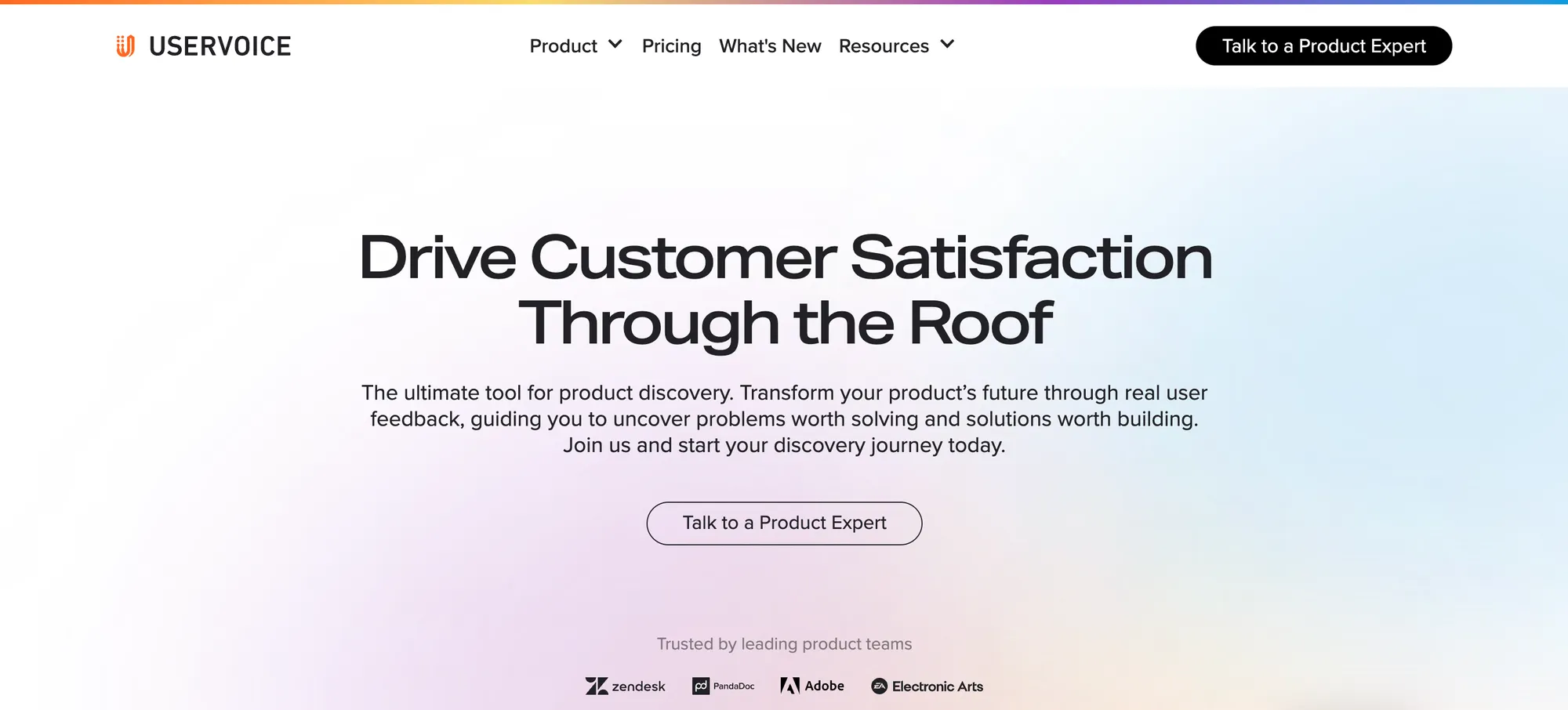
UserVoice is a customer feedback platform built to help product teams capture, prioritize, and act on the voice of the customer through structured feature requests. It’s ideal for SaaS and B2B companies that want to focus on product feedback as a key VoC input.
Top features
- Public feedback portal: Collect and display customer ideas in a transparent, organized space.
- Upvoting and prioritization: Let users support ideas and help surface what matters most.
- Feedback analytics: Track trends and user demand to guide roadmap decisions.
- CRM and helpdesk integrations: Pull in feedback from Salesforce, Zendesk, and other tools.
- Changelog and update announcements: Keep users informed about the status of their feedback.
Pros and cons
✅ Excellent for collecting product-focused VoC
✅ Helps close the loop through visible updates
✅ Scalable for large customer bases
❌ Less suited for general customer experience or sentiment feedback
❌ Limited real-time survey or multi-channel feedback options
❌ Higher pricing than some competitors
Pricing: Prices start at $699 per month, with additional costs for enhanced features like customer data connections and feedback collection. For example, collecting feedback starts at $899, and connecting customer data to ideas is $1,350 per month.
4. Pendo
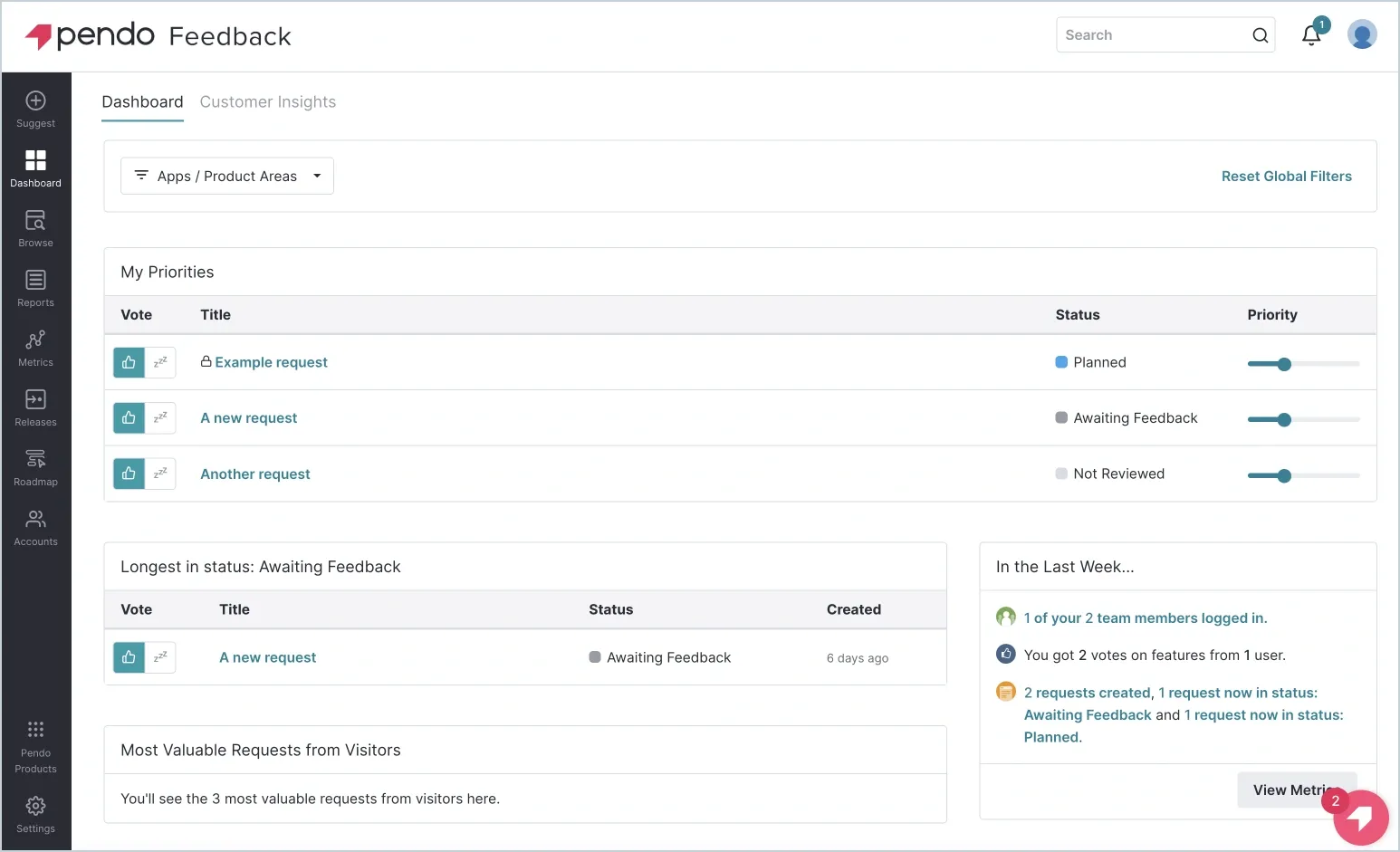
Pendo is a product experience platform that blends usage analytics with in-app feedback tools to capture customer voice during actual product use. It’s ideal for SaaS companies that want to combine VoC data collection with user behavior to guide product development.
Top features
- In-app polls and feedback widgets: Collect real-time insights from users in context.
- NPS tracking: Automate surveys and monitor sentiment within the product.
- Segmentation and targeting: Show surveys based on user behavior, role, or stage.
- Feedback to roadmap visibility: Link user feedback to planning and feature development.
- Analytics integration: Combine qualitative feedback with product usage data.
Pros and cons
✅ Great for product-led VoC insights
✅ Built-in analytics makes feedback more actionable
✅ No-code setup for surveys and announcements
❌ Not designed for multi-channel VoC programs
❌ Expensive for smaller teams
❌ Lacks deep reporting unless integrated with external tools
Pricing: Pendo offers a free plan with limited features, including NPS surveys, a roadmap, and up to 500 monthly users. Pendo's prices are not disclosed, but users report costs ranging from $30,000 to $100,000 per year, depending on the plan.
Check out more affordable Pendo alternatives →
5. InMoment
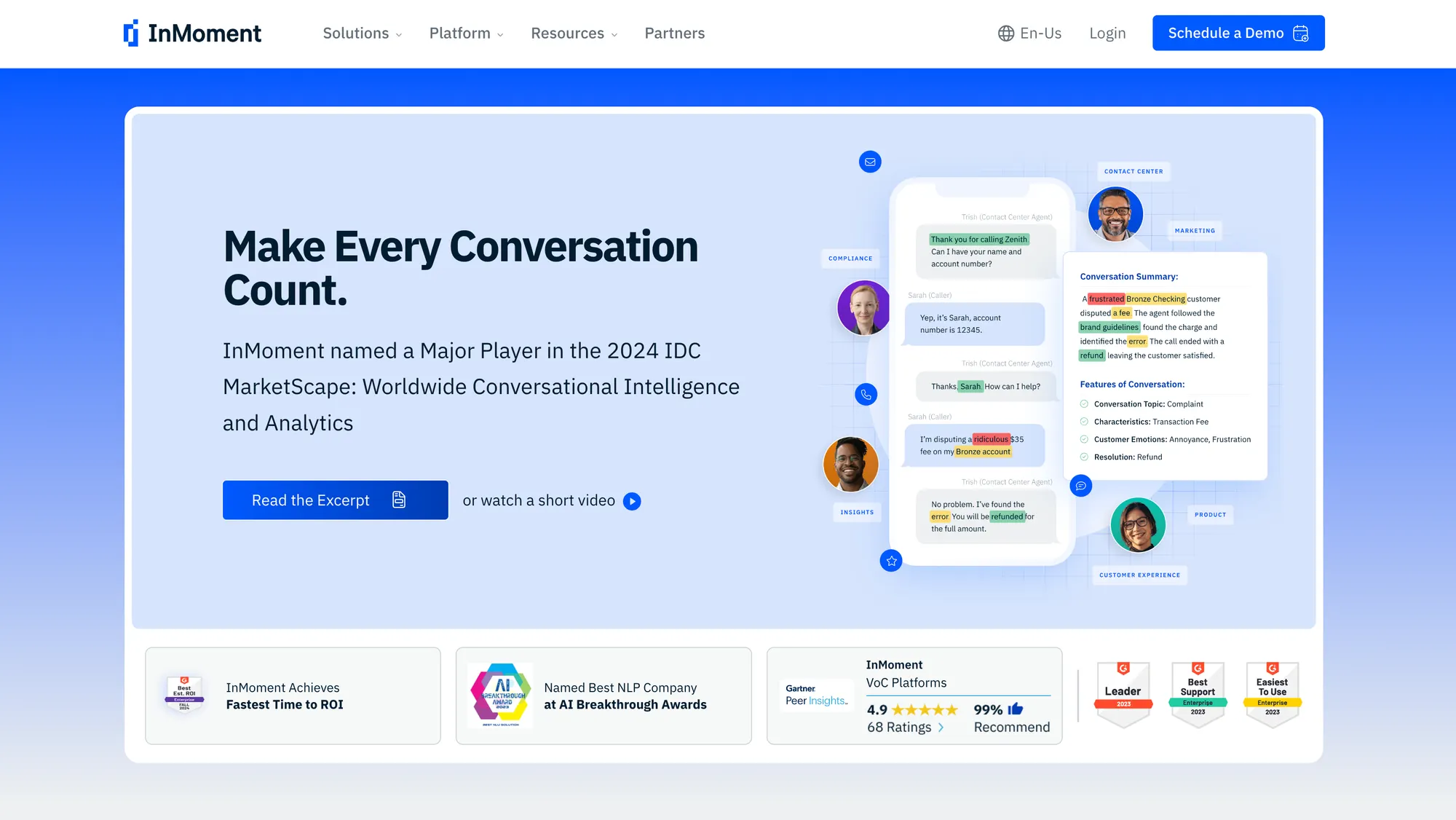
InMoment is a VoC and customer experience platform designed to help brands collect feedback, uncover insights, and drive action through AI-powered analysis. It’s a strong option for teams that want to unify customer feedback from multiple sources into one view.
Top features
- Experience surveys and intercepts: Gather customer feedback across digital and physical customer touchpoints.
- Voice of the customer (predictive) analytics: Use AI to uncover sentiment, themes, and urgency in open feedback.
- Integrated case management: Route issues to the right teams and monitor resolution.
- Customer journey mapping tools: Visualize how feedback aligns with different journey stages.
- Real-time dashboards: Filter and drill into VoC insights by location, channel, or customer segment.
Pros and cons
✅ Designed specifically for deep VoC programs and analytics
✅ Great for multi-location or multi-brand businesses
✅ Includes tools to act on feedback in real time, across customer interactions
❌ Enterprise-focused with custom pricing
❌ Steep learning curve for new users
❌ Requires integration support to connect with other systems
Pricing: InMoment does not have publicly available pricing, so you'll have to contact them to determine how much this feedback management platform costs.
6. Qualtrics XM
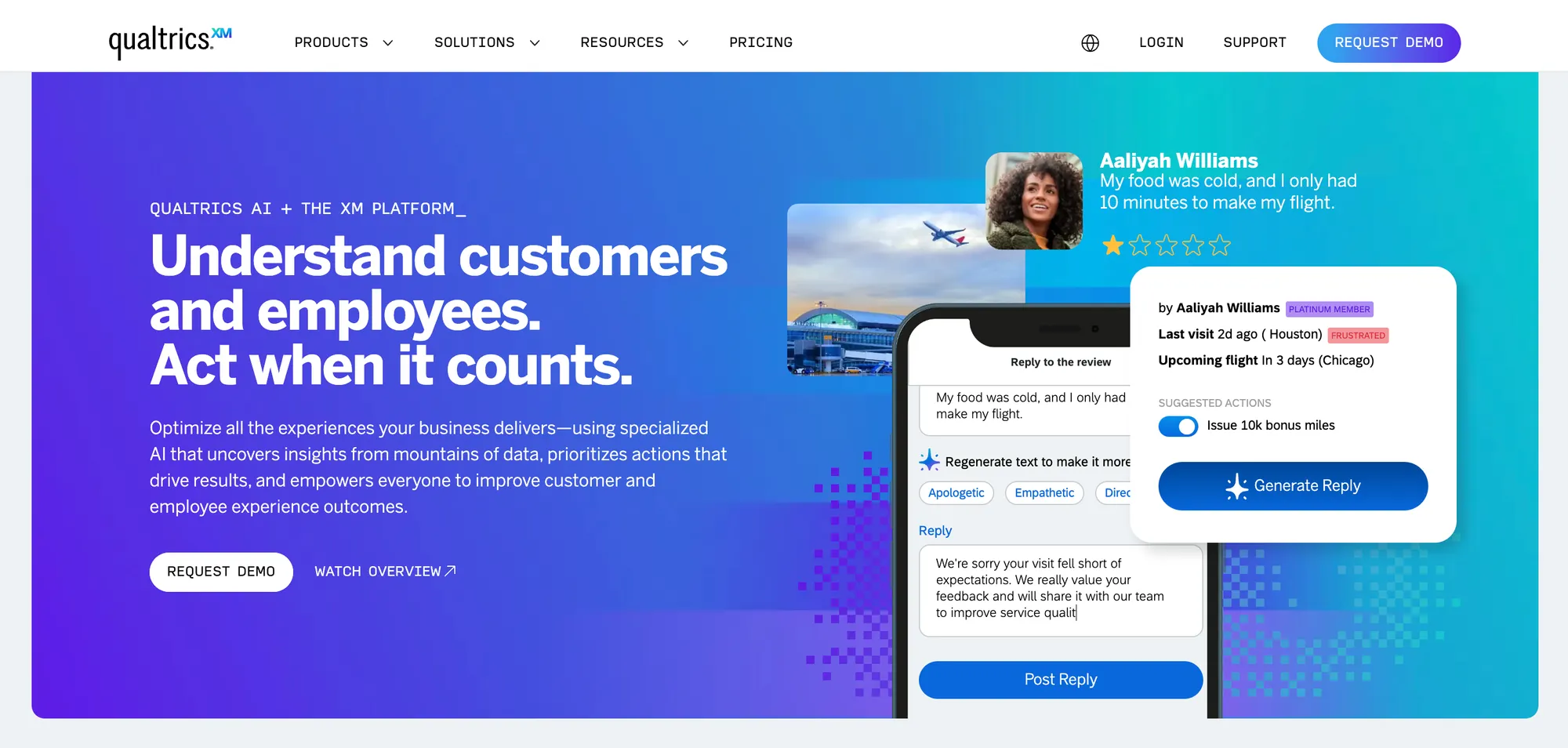
Qualtrics XM is a comprehensive experience management platform used by enterprises to collect and analyze the voice of the customer across multiple channels. It’s best suited for large organizations that want deep insights into customer sentiment, behavior, and preferences. Data can be analyzed by exporting to business intelligence solutions through reporting tools such as Supermetrics competitors.
Top features
- Omnichannel feedback capture: Collect surveys, web responses, app feedback, and contact center transcripts in one platform.
- Advanced survey builder: Build detailed VoC programs with logic, branching, scoring, and custom workflows.
- AI-powered text analytics: Automatically tag and interpret open-ended customer responses at scale.
- Role-specific dashboards: Deliver relevant VoC insights to teams across the company.
- Follow-up and ticketing tools: Close the loop by assigning cases and tracking outcomes.
Pros and cons
✅ Extremely powerful for large-scale, cross-channel VoC programs
✅ Advanced analytics and automation features
✅ Highly customizable for any industry, CX initiative or customer demographics
❌ Requires onboarding and technical resources to deploy
❌ Cost-prohibitive for smaller companies
❌ Complexity can be overkill for simpler feedback needs
Pricing: Qualtrics has too many features to mention in a single article. Unfortunately, its pricing is also not transparent, so you'll have to get in touch for a personalized quote.
7. Medallia
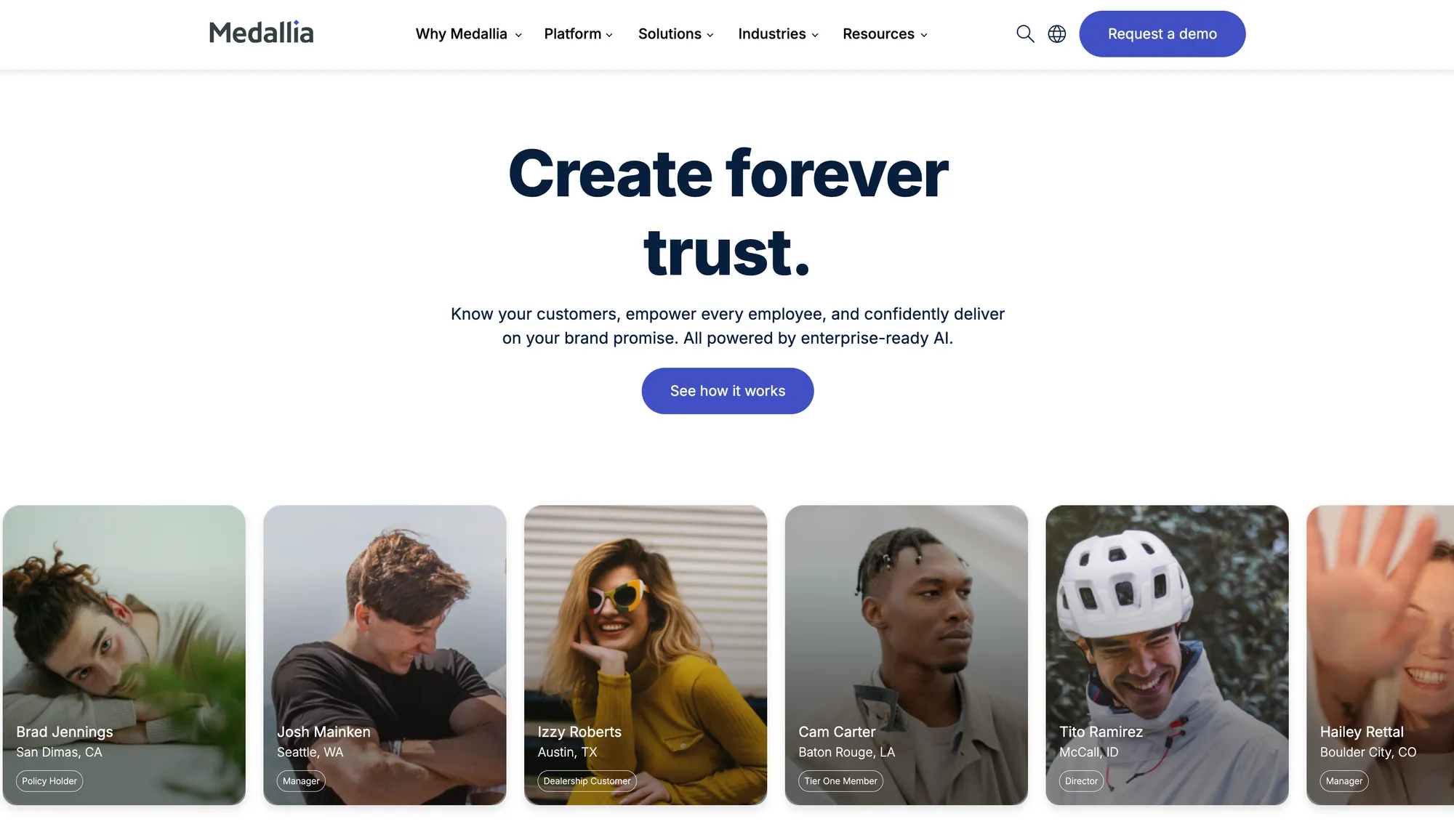
Medallia is a leading enterprise VoC platform built to capture, analyze, and act on customer feedback across every touchpoint. This customer feedback management platform is best for large organizations looking for a centralized solution to manage customer experience insights at scale.
Top features
- Omnichannel feedback capture: Collect input via web, app, SMS, email, and even call center transcripts.
- AI-powered text and sentiment analysis tools: Understand open-ended feedback at scale with built-in natural language processing.
- Real-time alerts and case management: Automatically flag negative feedback and assign follow-up tasks.
- Custom role-based dashboards: Deliver insights tailored to departments, teams, or leadership.
- Loop-closing tools: Track whether feedback has been addressed and follow up with customers.
Pros and cons
✅ Best-in-class feedback analytics for large enterprises
✅ Comprehensive VoC coverage across all channels
✅ Built-in tools for acting on and resolving feedback
❌ High cost and complexity
❌ Requires implementation and onboarding support
❌ Overkill for small to mid-sized businesses
Pricing: You can only request a demo on the Medallia website, and pricing information is not available anywhere else online.
8. SurveyMonkey
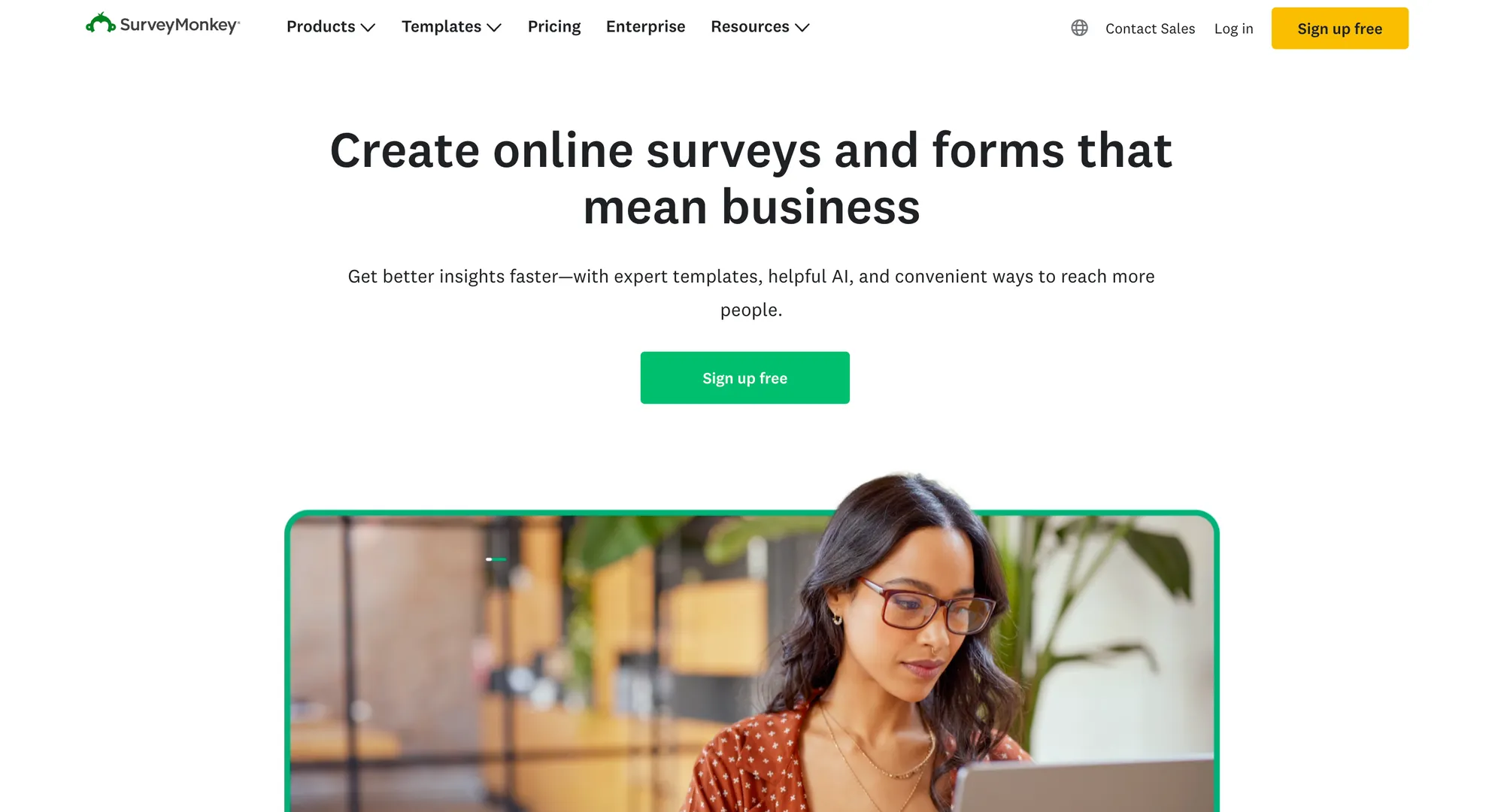
SurveyMonkey is a well-known survey platform that can serve as a flexible VoC tool for teams that want to build structured customer surveys and analyze responses at scale. It’s ideal for businesses that want a user friendly interface with a wide range of use cases.
Top features
- Custom surveys for CX, NPS, CSAT, and more: Choose from a large template library or build from scratch.
- Multiple distribution options: Share surveys via email, website, or link.
- Data dashboards and cross-tabs for data analysis: Analyze feedback results in real time with filtering and segmentation and go from unstructured data to tangible key performance indicators.
- Anonymity settings: Enable honest feedback by removing identifying fields.
- App integrations: Connect with tools like Salesforce, Slack, and HubSpot.
Pros and cons
✅ Flexible for many types of VoC programs
✅ Easy to use and launch feedback initiatives quickly and capture customer expectations
✅ Strong data export and visualization tools
❌ Lacks behavioral targeting and in-product survey options
❌ Limited VoC loop-closing features unless integrated manually
❌ Advanced features gated behind higher-tier plans
Pricing: Pricing starts at 30 EUR per user per month, but the trick is that you have to purchase seats for three users right off the bat.
9. AskNicely
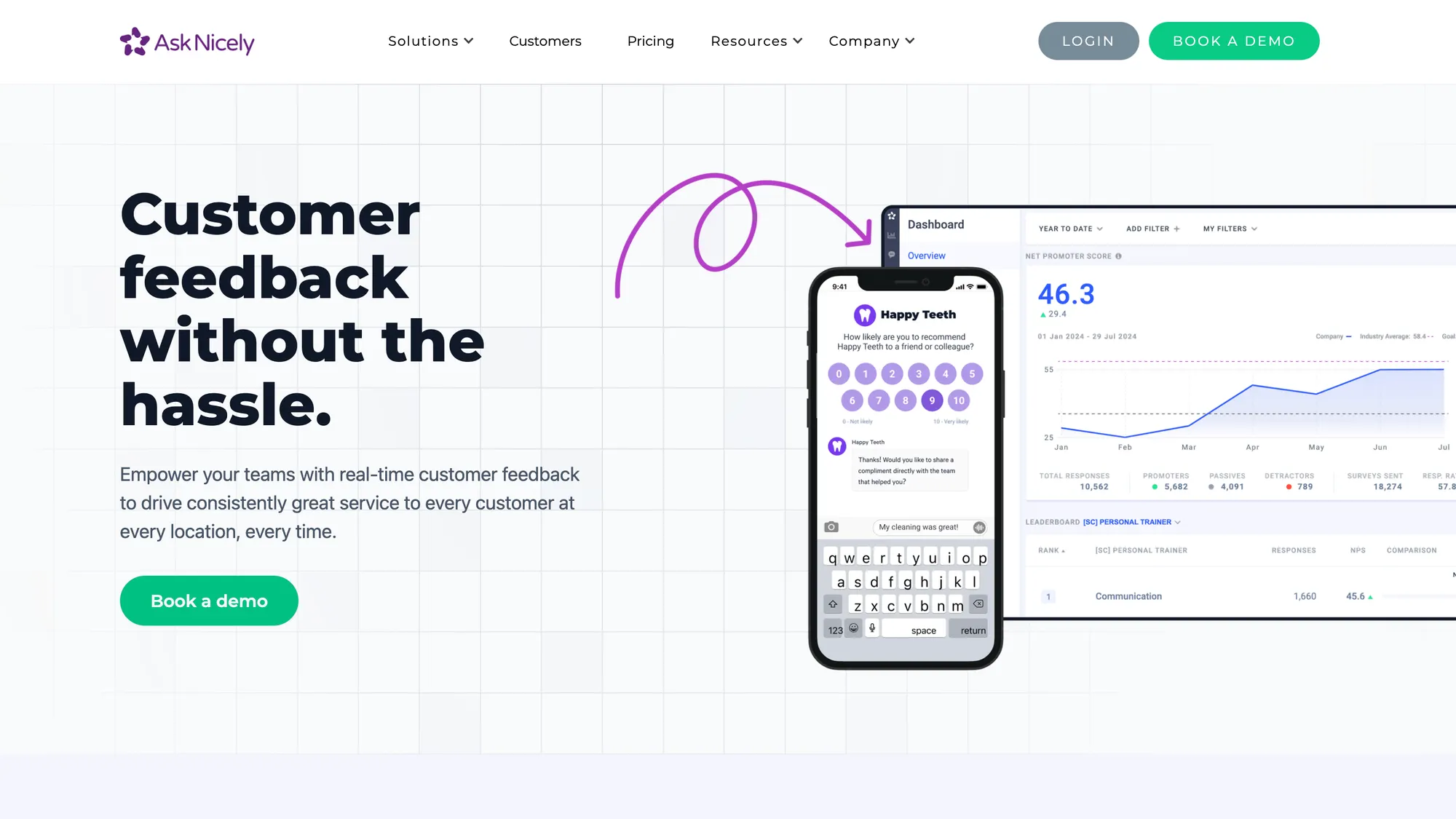
AskNicely is a VoC platform focused on customer experience teams that want to collect real-time feedback and act on it immediately. It’s particularly well-suited for service businesses and field teams who rely on NPS and satisfaction scores to guide performance.
Top features
- Real-time NPS collection: Automate recurring NPS surveys via email, SMS, or in-app prompts.
- Team performance insights: Tie feedback directly to frontline employees and locations.
- Micro-surveys and pulse checks: Collect short, timely feedback after key sales or customer service interactions.
- Custom workflows: Trigger alerts or follow-ups based on feedback scores.
- CRM and support tool integrations: Connect to Salesforce, Zendesk, HubSpot, and others.
Pros and cons
✅ Great for ongoing NPS tracking tied to team performance
✅ Built-in coaching and performance tools
✅ Fast setup for recurring VoC programs
❌ Not ideal for deep qualitative feedback or open-text analysis
❌ Limited roadmap or feature request capabilities
❌ Reporting can feel light for complex organizations
Pricing: Unlike most other enterprise VOC tools, AskNicely has clear pricing plans. The Learn plan starts at $449 per month and provides up to 12,000 responses per year.
10. Mopinion
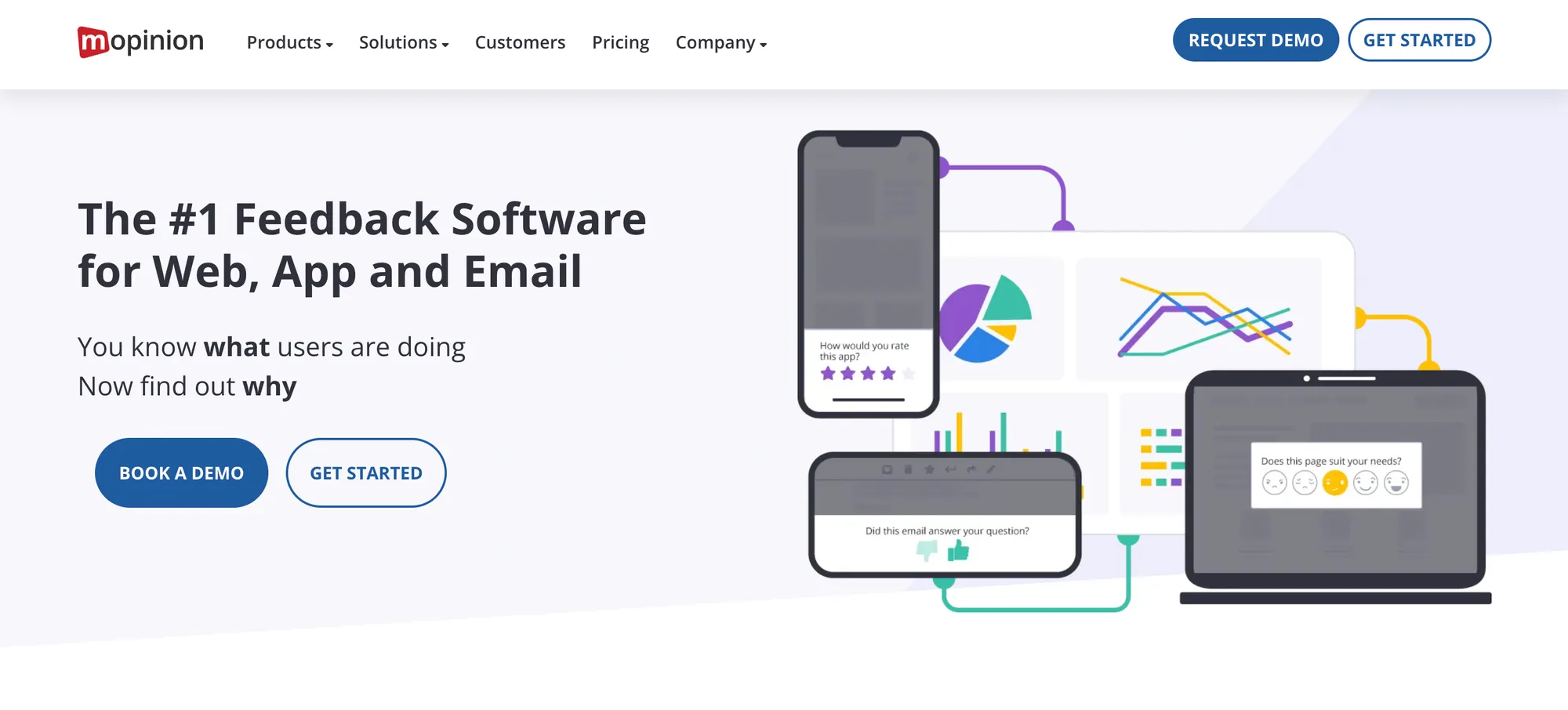
Mopinion is a digital VoC platform designed to collect structured feedback from customers across websites, mobile apps, and email. It’s ideal for companies that want to combine real-time feedback collection with deep behavioral targeting and flexible reporting.
Top features
- Custom feedback forms and widgets: Collect NPS, CSAT, and open feedback across web and mobile, gathering different types of customer metrics.
- Behavior-based targeting: Trigger surveys based on scroll depth, time on page, or customer behavior.
- Sentiment tagging and text analysis: Automatically categorize and interpret feedback responses.
- Visual dashboards: Track trends and drill into feedback by page, channel, or customer segment.
- Multi-channel support: Gather customer feedback across websites, email campaigns, and apps.
Pros and cons
✅ Built specifically for VoC across digital channels
✅ Excellent targeting and customization capabilities in all their analytics tools
✅ Scales well for mid-size and enterprise teams, helping you provide a superb digital customer experience
❌ Higher starting price than many lightweight customer solutions
❌ Requires setup and configuration to get the most value
❌ Less beginner-friendly for non-technical teams
Pricing: There are only two plans available in Mopinion. The Standard plan is 259 EUR per month, while the Enterprise one requires contacting the sales team.
11. Prowly
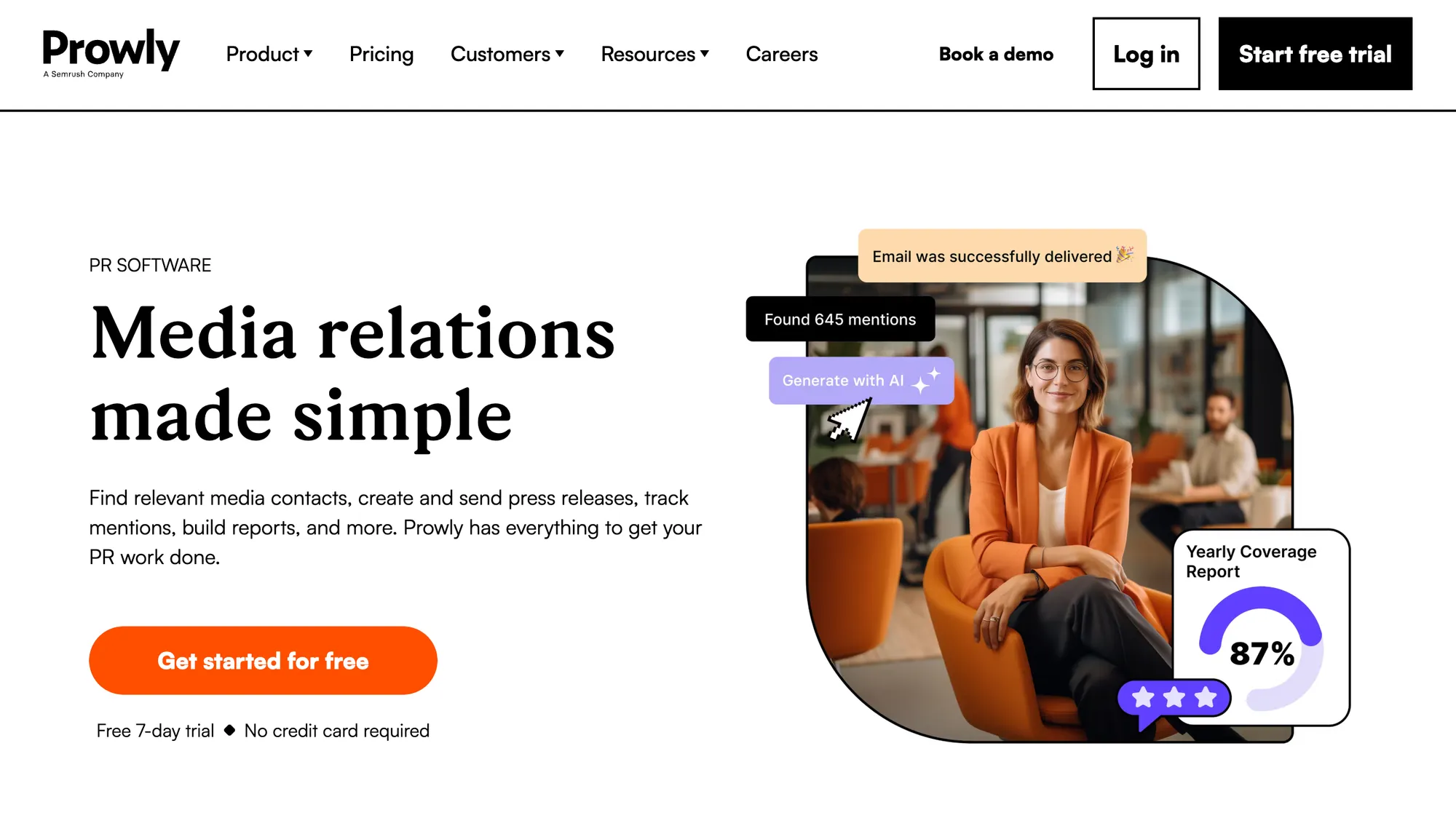
Prowly is a PR and media relations platform that includes feedback tools for tracking how your brand is perceived across earned media and journalist interactions.
While not a traditional VoC tool, it's a great choice for comms teams looking to understand brand sentiment from the outside in through social media monitoring — directly from media contacts, readers, and journalists.
Top features
- Media contact feedback tracking: See how journalists and media outlets engage with your pitches and press releases.
- Coverage reports with sentiment: Track and analyze earned media sentiment across outlets.
- Custom feedback surveys: Collect insights from your media list or internal stakeholders.
- Story performance metrics: Understand which announcements resonate most with your audience.
- CRM for journalists: Build long-term relationships based on tracked feedback and past outreach success.
Pros and cons
✅ Unique VoC angle for media-facing brands and comms teams
✅ Built-in media sentiment insights and feedback tracking
✅ Strong analytics for earned media performance
❌ Not built for collecting direct customer feedback
❌ Limited survey tools compared to traditional VoC platforms
❌ Best suited for PR and comms use cases only
Pricing: Prices start at $249 per month, and there is a free trial to see if it's right for your business.
12. Rapidr
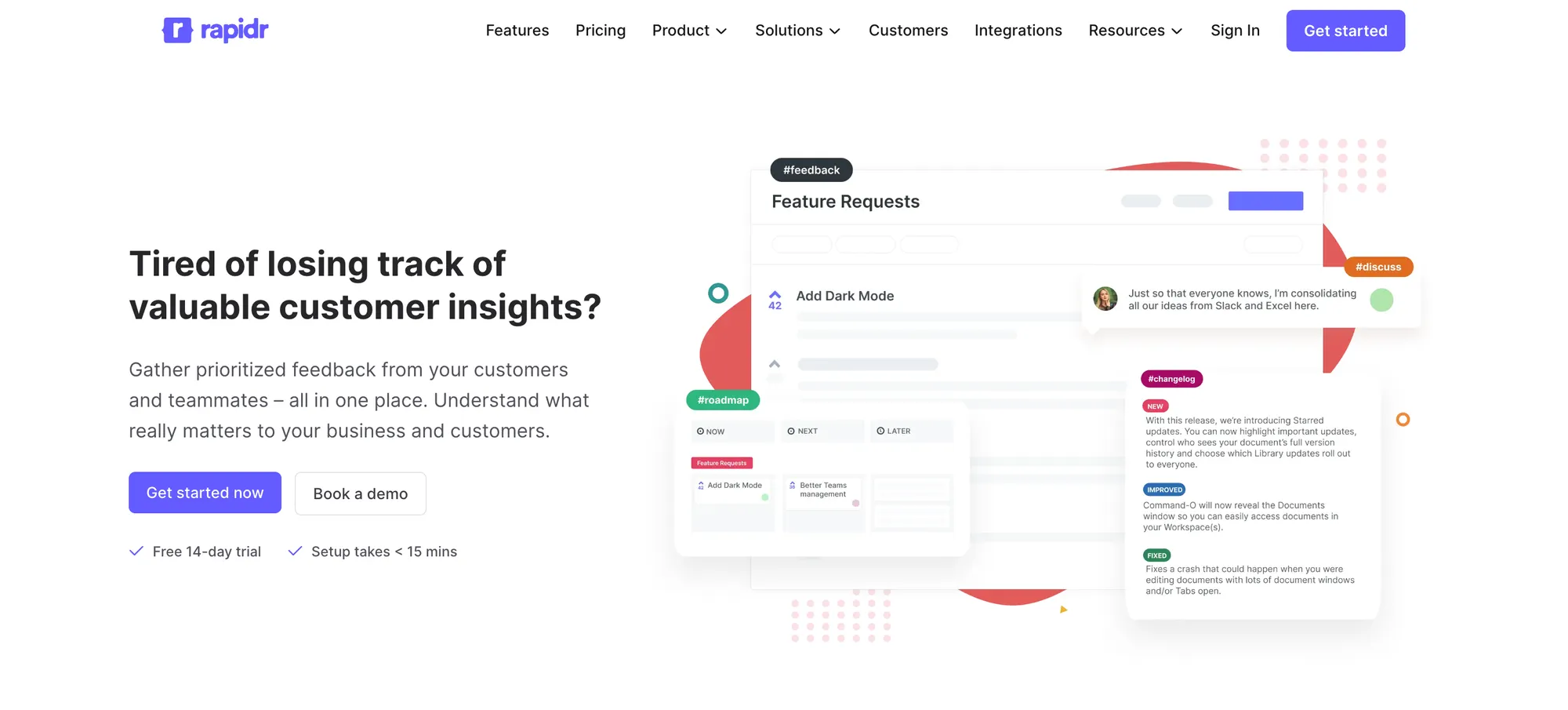
Rapidr is a modern customer feedback tool that helps teams collect and organize the voice of the customer across product suggestions, feature requests, and bug reports. It’s a great choice for SaaS companies that want to combine feedback collection with transparent prioritization and user communication.
Top features
- Feedback portals: Let customers submit suggestions and requests in a structured, visible space.
- Voting and prioritization: Use upvotes and scoring to surface the most important topics from users.
- Custom statuses and roadmaps: Share progress updates on what’s being reviewed, planned, or shipped.
- Changelog announcements: Communicate product improvements that respond to customer feedback.
- Internal and private boards: Capture VoC from customer-facing teams as well as end users.
Pros and cons
✅ Great for organizing and prioritizing customer suggestions
✅ Helps close the loop with users and show that feedback drives change
✅ Affordable for teams of all sizes
❌ Less focused on surveys or conversation-based VoC
❌ Limited reporting features compared to enterprise VoC platforms
❌ Widget customization is somewhat limited
Pricing: Rapidr offers three pricing tiers and starts at $49 per month.
13. Sentisum
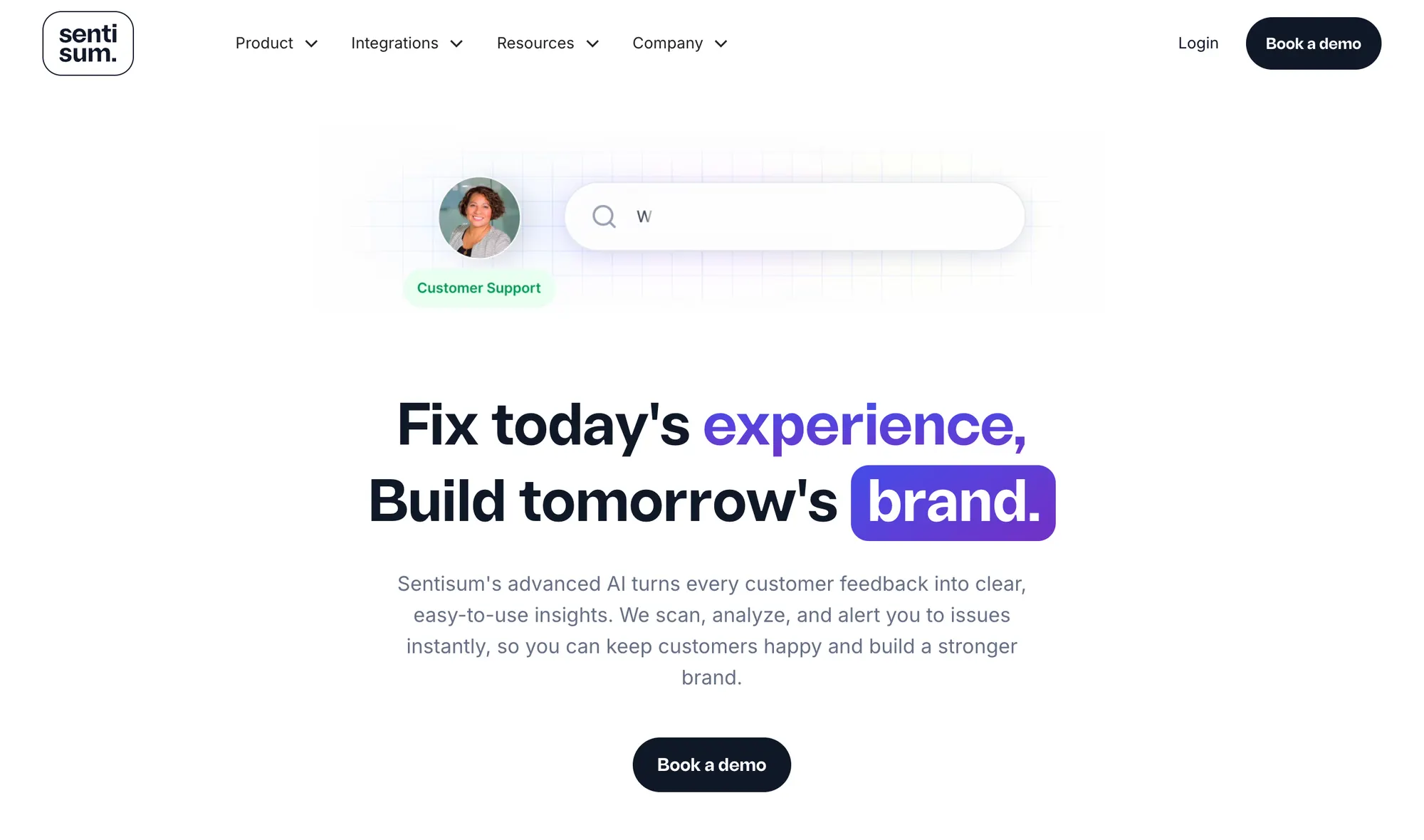
SentiSum is an AI-powered Voice of the Customer platform that helps support and product teams uncover insights from customer conversations at scale. It’s ideal for businesses that want to analyze unstructured feedback from emails, chats, surveys, and reviews to understand customer pain points in real time.
Top features
- AI-driven text analysis: Automatically tags and categorizes feedback from support tickets, chats, and surveys.
- Sentiment detection: Understand how customers feel about specific topics or issues.
- Multi-channel feedback ingestion: Analyze conversations across email, helpdesk, surveys, and social platforms, after specific customer support interactions, etc.
- Topic trend tracking: Spot emerging issues or recurring themes over time, analyze data and identify trends that require attention.
- Custom dashboards and reports: Share VoC insights with product, support, and leadership teams.
Pros and cons
✅ Excellent for processing large volumes of unstructured feedback
✅ Real-time insights directly from customer conversations
✅ Helps align product and support teams with customer sentiment
❌ Less focused on direct survey collection
❌ Requires setup and tuning to get accurate tagging and proper customer journey analytics
❌ Pricing suited for mid-size to large businesses
Pricing: You can only learn about Sentisum pricing after booking a product demo.
14. Enterpret
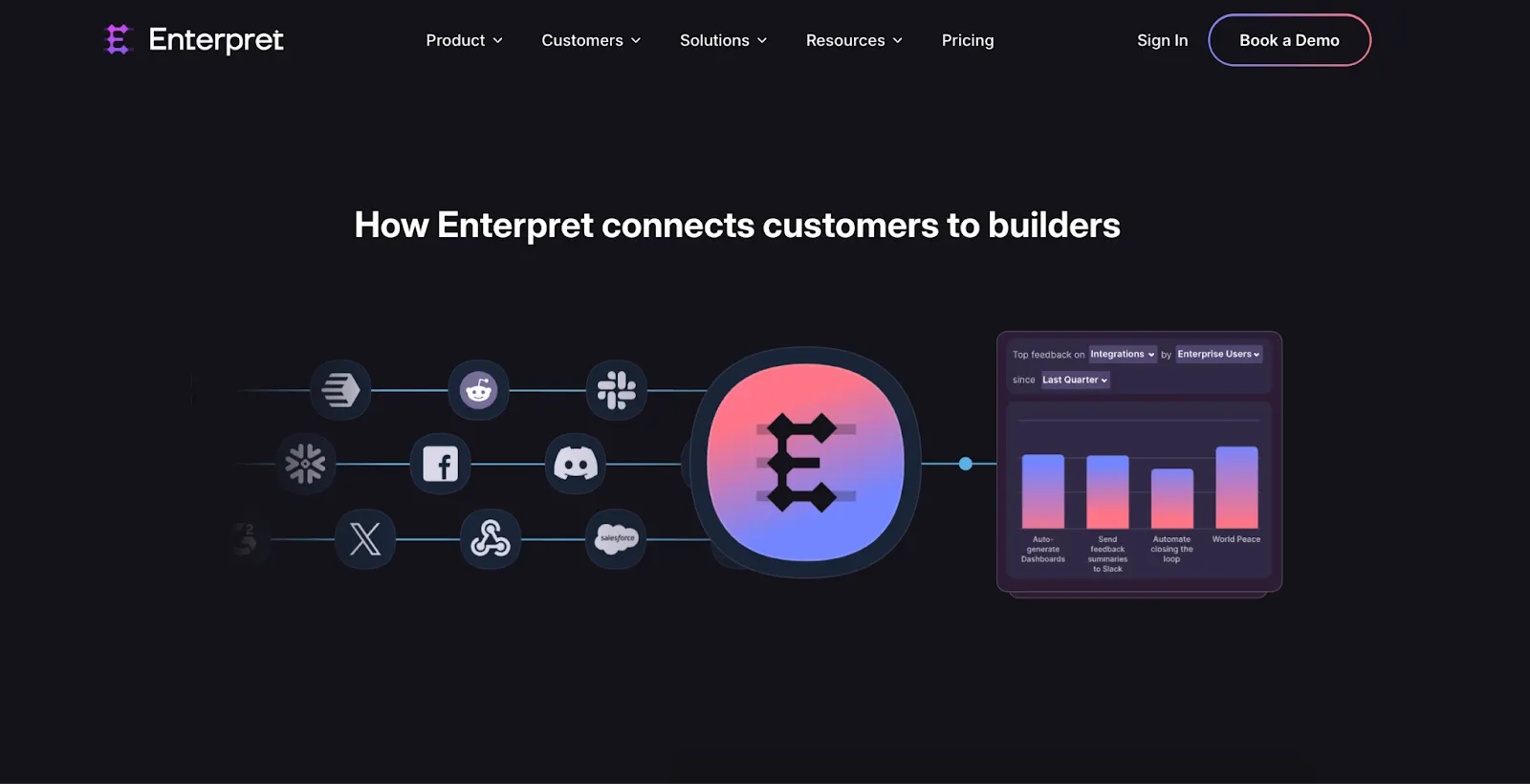
Enterpret is an AI-powered Voice of Customer (VoC) platform built to help businesses make sense of unstructured feedback at scale.
Instead of relying only on surveys or structured forms like other VOC software tools, Enterpret ingests data from multiple sources like support tickets, reviews, community discussions, and survey responses. It then uses AI models to categorize, analyze sentiment, and detect themes, giving product and customer success teams clear visibility into what customers care about most.
Top features
- Multichannel data ingestion: Pulls in feedback from surveys, support tickets, app stores, social channels, and more.
- AI-powered categorization: Automatically groups customer feedback into themes like product issues, feature requests, or CX pain points to help leaders prioritize their product roadmap and drive growth
- Sentiment and intent analysis: Uncovers how customers feel and what actions they want businesses to take.
- Trend detection: Highlights emerging issues or opportunities before they escalate.
- Dashboards and reporting: Presents feedback insights in a structured, easy-to-digest format for teams across the org.
Pros and cons
✅ Helps Leaders to solve customer pain points quickly and drive customer loyalty
✅ Saves product and CX teams time by eliminating manual taggin
✅ Strong fit for Fintech, Ecommerce and SaaS companies that handle high volumes of customer feedback
❌ Less suited for teams that primarily need survey design/launch tools
❌ Works best alongside, not instead of, survey platforms
❌ Pricing is not publicly available and requires a custom quote
Pricing: Enterpret does not disclose pricing publicly. Companies interested in the platform will need to request a demo for tailored pricing information.
15. ReachifyAI
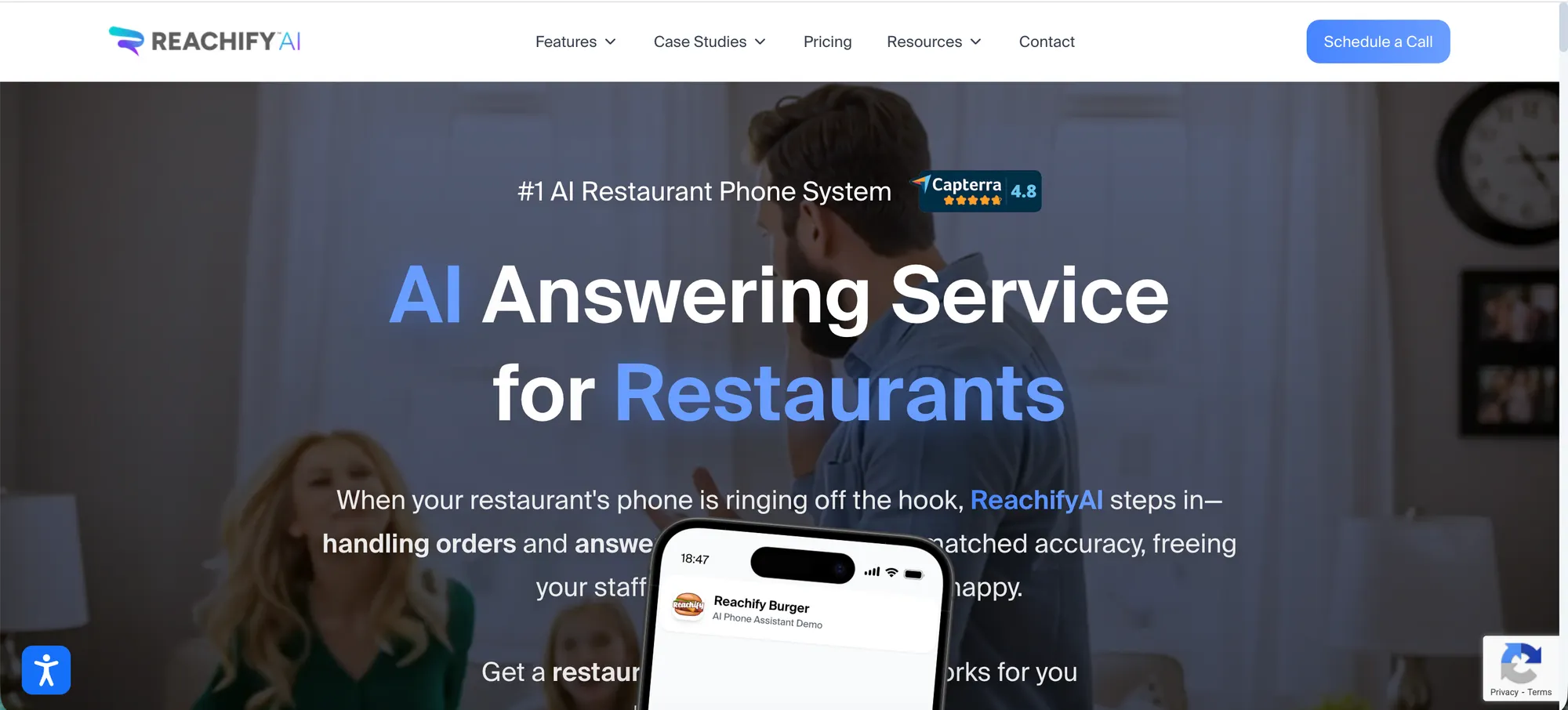
ReachifyAI is an AI answering service for restaurants that picks up every call, answers common questions, and can route callers based on your rules. It is a fit for restaurant operators who want fewer missed calls during peak hours and a more consistent phone experience for guests.
Top features
- 24/7 call answering: Answer every call automatically, including during rush periods.
- Accurate answers to common questions: Handle hours, location, menu questions, and other time based guest questions.
- SMS links and follow ups: Send actionable text messages to help callers complete the next step.
- Call transfers based on rules: Route calls to staff when needed, based on your logic.
- Multilingual support and number retention: Support 50 plus languages and keep your existing phone number.
Pros and cons
✅ Strong fit for restaurants that get hit with call spikes
✅ Helps reduce missed calls without adding front-of-house load
✅ Clear per-location pricing and a free first month offer
❌ Restaurant-specific, not a general VoC platform for B2B SaaS teams
❌ Less focused on feature requests, roadmaps, or product feedback workflows
❌ You may still need a separate tool for surveys, NPS, and analytics across channels
Pricing: Starter is $149 per location per month, Professional is $249 per location per month, and the first month is free, with no long-term contracts.
Get better customer insights with Featurebase
While Voice of the Customer seems like a complex umbrella term, it simply means listening to the customer first-hand and providing the best possible customer experience. Customer feedback management is one of the cheapest ways to increase customer satisfaction. All it takes to get started is the right customer feedback tool.
Featurebase is a modern & powerful VOC tool. It helps you collect VOC feedback with a feedback forum, surveys, embeddable widgets, and integrations. You can then analyze all of that feedback in one place by connecting it to your customers' revenue and much more to make better product decisions.
It comes with a Free plan, and the onboarding is super simple, so there's no downside to trying it out! 👇
Start collecting & managing feedback with Featurebase for Free