Blog Customer ServiceEcommerce Customer Service: A Practical Guide
Ecommerce Customer Service: A Practical Guide
A practical guide to ecommerce customer service: what it is, why it drives revenue, and 8 best practices to deliver fast, modern support that keeps shoppers coming back.

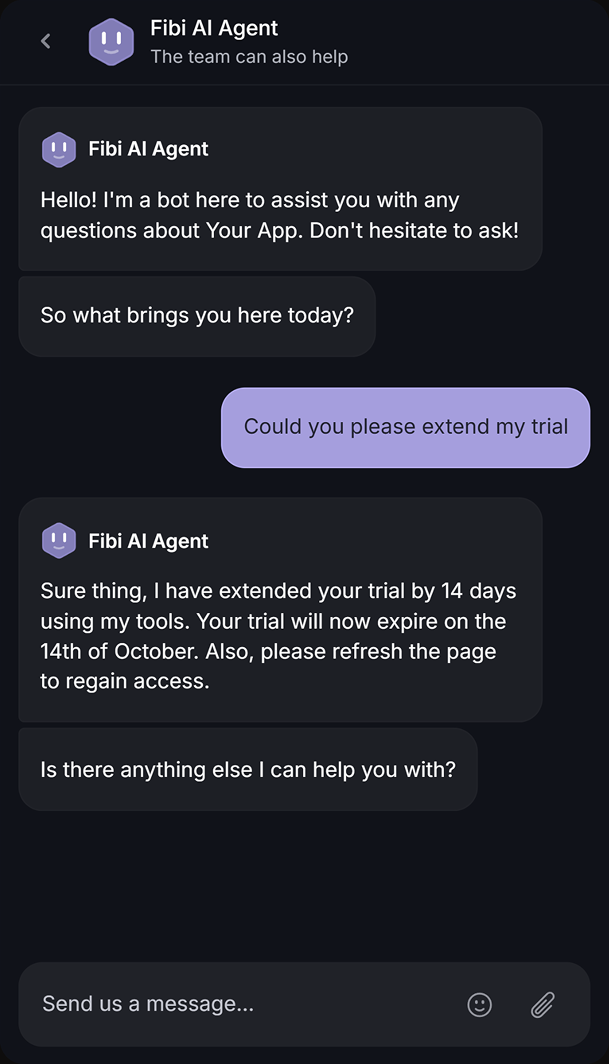

✨ Automate your e-commerce support with the fastest AI-enhanced Inbox today →
In ecommerce, your next sale is always one click away from a competitor. So is your next lost customer.
When a shopper has a question about shipping, a return, or a product, how fast and how well you respond often decides whether they buy again or never come back. Good support isn't a cost center. It's one of the cheapest ways to grow the revenue you already have.
This guide breaks down what ecommerce customer service is, why it matters, and the 8 best practices to get it right. 👇
Key takeaways:
- Ecommerce customer service is the support you give online shoppers before, during, and after a purchase, across channels like email, live chat, social media, and self-service.
- It directly drives revenue: 80% of customers say the experience a company provides matters as much as its products and services.
- The strongest support programs meet customers on their preferred channels, lead with self-service, and use automation to handle routine questions at scale.
- A few metrics, like first response time, CSAT, and resolution rate, tell you whether it's actually working.
- Featurebase✨ combines a shared inbox, an AI agent, and a help center in one platform, so small teams can deliver fast, modern support without juggling 5 different tools.
- You don't need a big team to do this well. The right tools and a self-service-first setup let even a solo store offer great support.
What is ecommerce customer service?
Ecommerce customer service is the help you give online shoppers across their entire journey, from answering pre-sale product questions to supporting them through checkout and handling everything after the order ships, and that after-the-sale phase - order updates, returns, and check-ins - is exactly what our guide to post-purchase customer support covers.
Because the whole relationship happens online, support replaces the in-store associate. There's no one to walk over to, so your email, live chat, help center, and social channels become the entire experience.
It covers a lot of ground: product and sizing questions, order tracking, shipping issues, returns and exchanges, payment problems, and post-purchase setup help.
Why ecommerce customer service matters
Great support isn't just about keeping people happy. It's a measurable growth lever.
80% of customers say the experience a company provides is as important as its products and services, and 88% say good customer service makes them more likely to buy again. When shoppers can compare you to a competitor in seconds, service is often the only thing that sets two similar stores apart.
The financial case is just as clear. McKinsey found that improving the customer experience can lift sales revenue by 2-7% and profitability by 1-2%.
Three things good ecommerce support consistently drives:
- Repeat purchases - a smooth support experience turns one-time buyers into loyal customers
- Higher conversion - real-time answers reassure hesitant shoppers and rescue abandoned carts
- Social proof - happy customers leave the reviews and referrals that bring in new buyers
The most common ecommerce support requests
Before you can improve support, it helps to know what your team will actually field. Most ecommerce tickets fall into a handful of buckets:
- "Where is my order?" (WISMO): these tracking and delivery-status questions are the single most common ecommerce request. Most are easy to deflect with proactive shipping updates and a self-serve order-tracking page.
- Returns and exchanges: shoppers can't try before they buy, so returns are a fact of life. A clear, easy-to-find policy turns a frustrating moment into a reason to trust you.
- Shipping and delivery issues: late, lost, or damaged packages drive a lot of contacts during peak season, prompting many ecommerce teams to scale their support operations.
- Product and sizing questions: pre-purchase questions are really sales opportunities. A fast, helpful answer here often converts a browser into a buyer.
- Payment and checkout problems: a stuck payment, confusing checkout, or concern around ecommerce payment fraud is a sale on the line, so these tickets deserve your fastest response.
A dedicated ecommerce help desk pulls all of these requests into one place, so nothing slips through the cracks.
8 best practices for ecommerce customer service
Once you know what you're dealing with, here are 8 practices that consistently separate great ecommerce support from average support.
Offer support on the channels your customers use
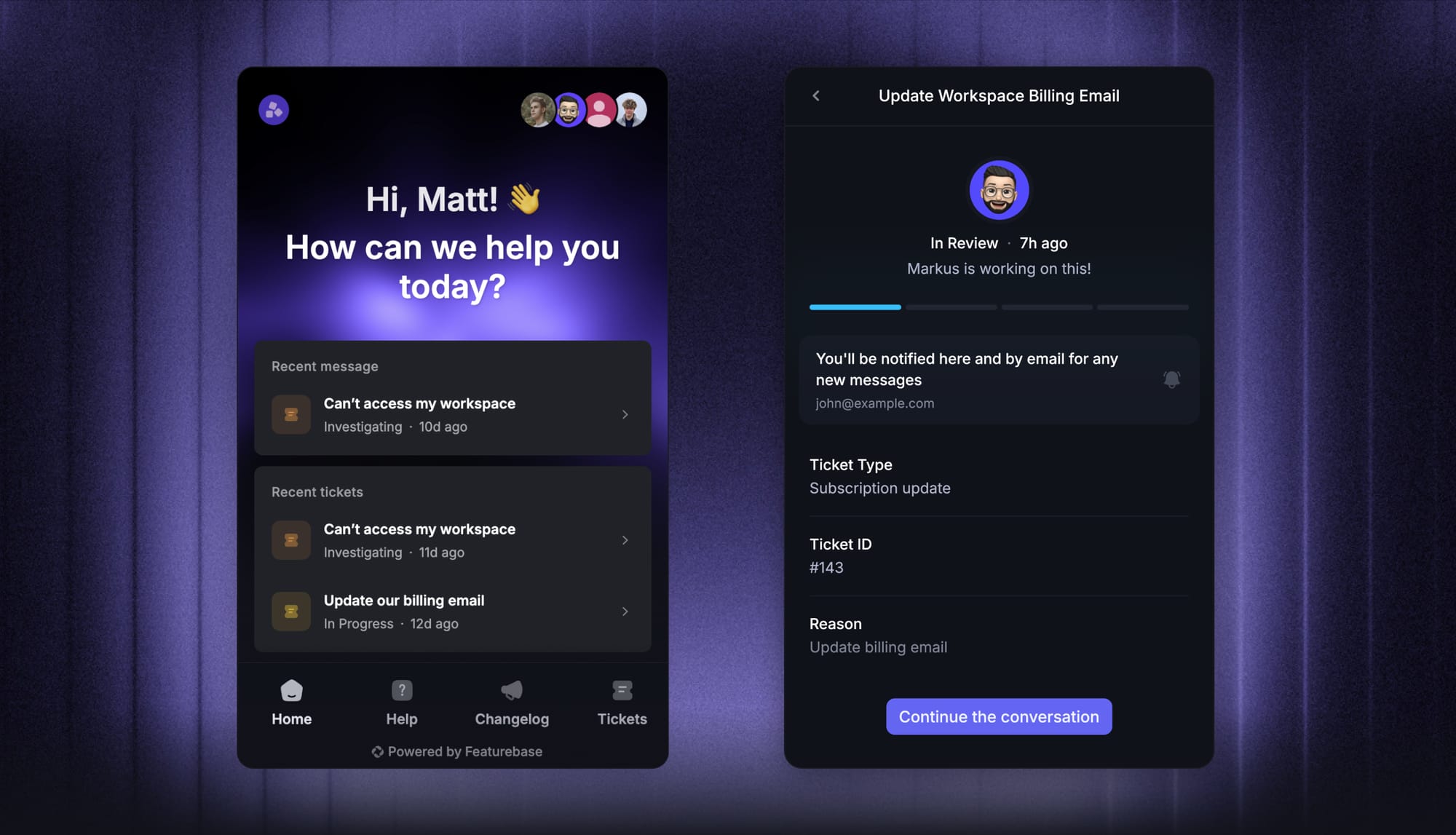
Your customers don't think in channels. They reach out wherever they already are, whether that's email, live chat, Instagram, or WhatsApp.
The goal isn't to be everywhere. It's to be on the channels your specific audience actually uses, and to keep the conversation connected across them. A customer who starts on social and follows up by email shouldn't have to repeat their whole story.
That's the difference between multichannel (you offer several channels) and omnichannel (those channels share one view of the customer). Omnichannel support is what makes support feel seamless instead of disjointed.
Add live chat for real-time help
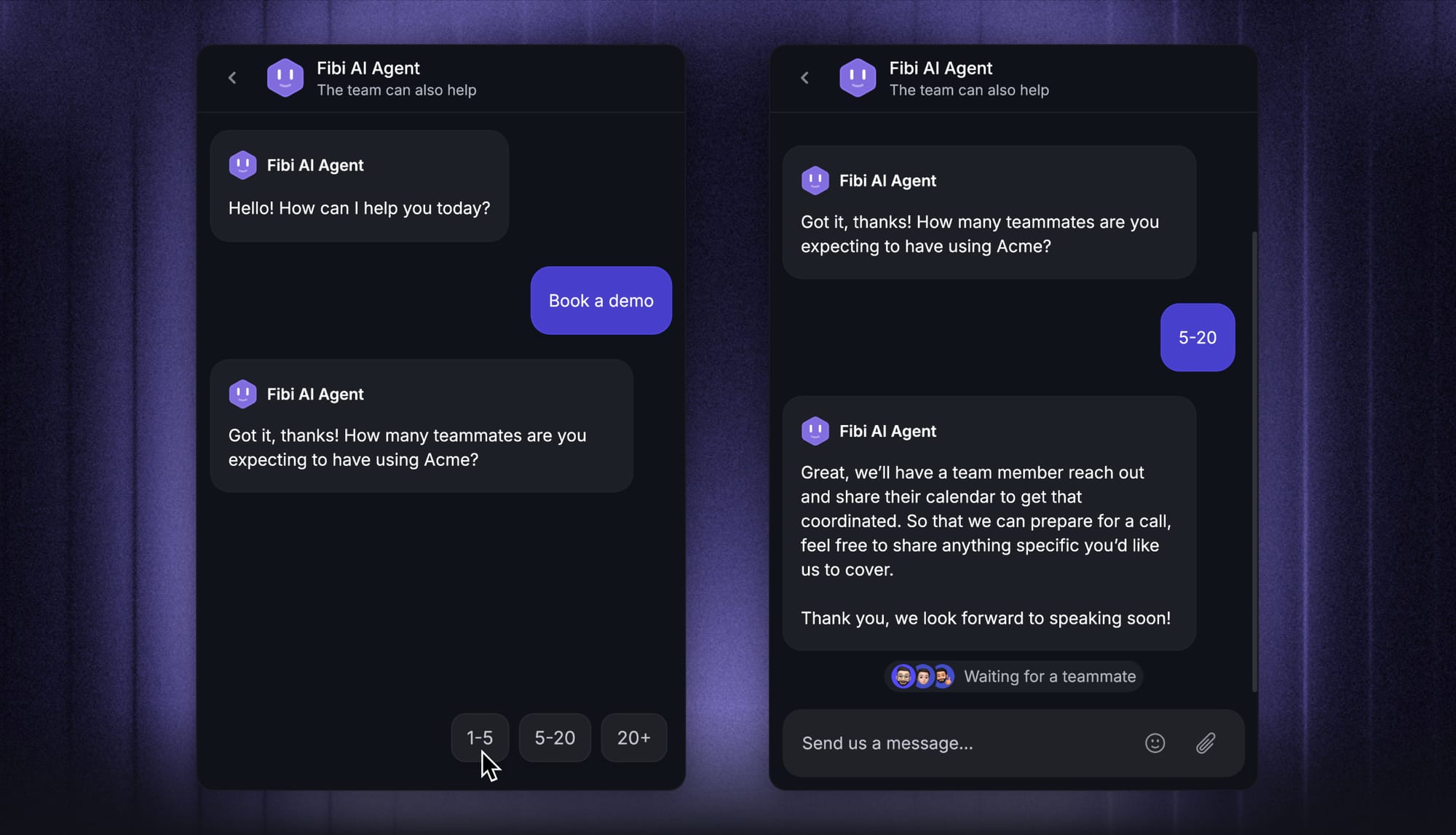
Live chat is the channel shoppers reach for when they want an answer now, usually while they're mid-purchase and deciding whether to buy.
That timing is what makes it so valuable. Answering a sizing or shipping question in real time can be the nudge that rescues an abandoned cart and closes the sale. It's a simple form of conversational support. It lets one agent help several customers at once, which keeps response times low without growing your team.
Enable self-service with a knowledge base
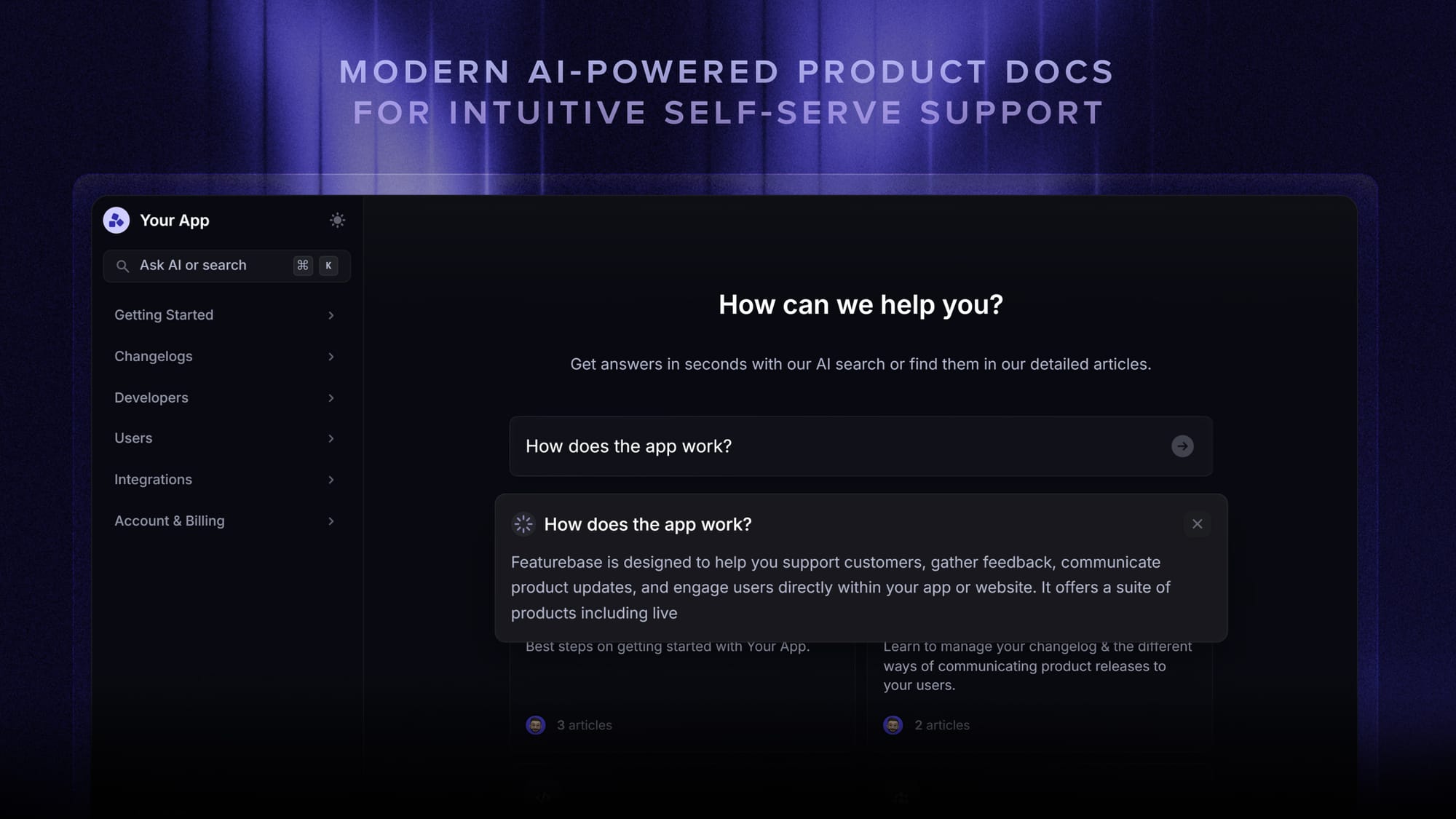
Most shoppers would rather solve a problem themselves than wait for an agent. A good help center lets them. The right self-service tools make it easy to set one up.
A well-organized knowledge base answers your most common questions, like shipping timelines, return policies, and product care, around the clock. It deflects repetitive tickets so your team can focus on the issues that genuinely need a human.
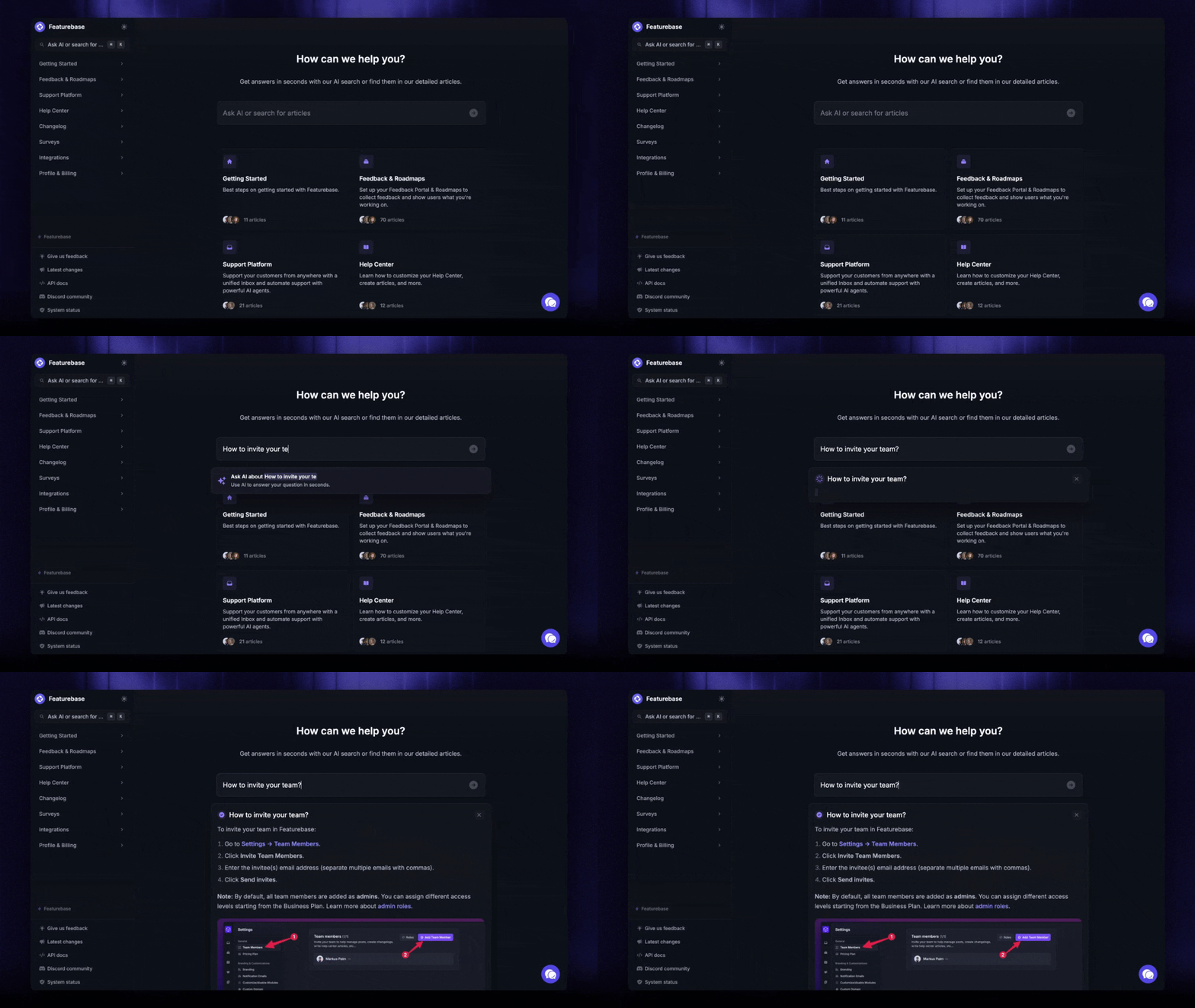
With Featurebase, you can build an AI-powered help center that gives shoppers instant, multilingual answers and surfaces the right article right when they search, cutting down inbound volume without adding headcount.
Leaning on customer self-service lets even a small store answer common questions around the clock.
Use automation and AI to handle volume
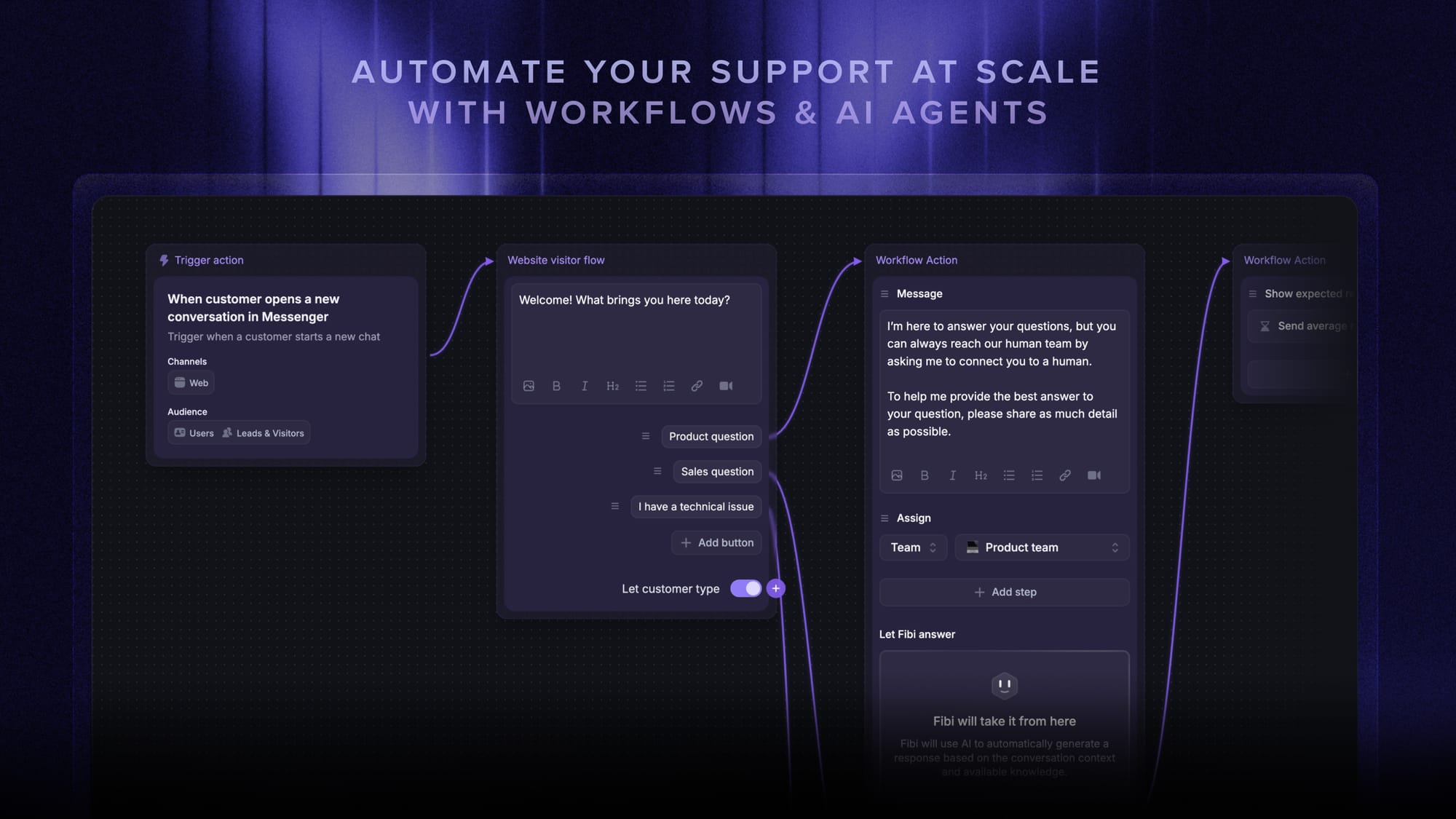
Most poor support doesn't come from teams that don't care. It comes from teams that don't have the time, and support automation closes that gap.
Routing rules, canned replies, and auto-tagging take the busywork off your agents' plates. AI takes it a step further by resolving common questions outright. Dedicated customer service chatbot software fields these repetitive questions at scale. Featurebase's Fibi AI Agent can answer routine customer questions on autopilot across your channels and even run actions like sending tracking info or starting a return, so your team only handles what truly needs them. It's priced per resolution, so the cost scales with the value it delivers.
Personalize every interaction
Generic, scripted replies make customers feel like a ticket number. Personalization makes them feel known.
Giving agents the full context of a customer, including order history, past conversations, and account details, lets them skip the back-and-forth and answer in one go. That context is also what powers tailored product recommendations and relevant follow-ups that drive repeat sales.
Be proactive, not just reactive
The best support solves problems before the customer has to ask. Proactive support does exactly that.
A heads-up about a shipping delay, an order-confirmation email, or a check-in after delivery all reduce inbound tickets and build trust at the same time. Anticipating the question is almost always cheaper than answering it.
Make returns and order tracking painless
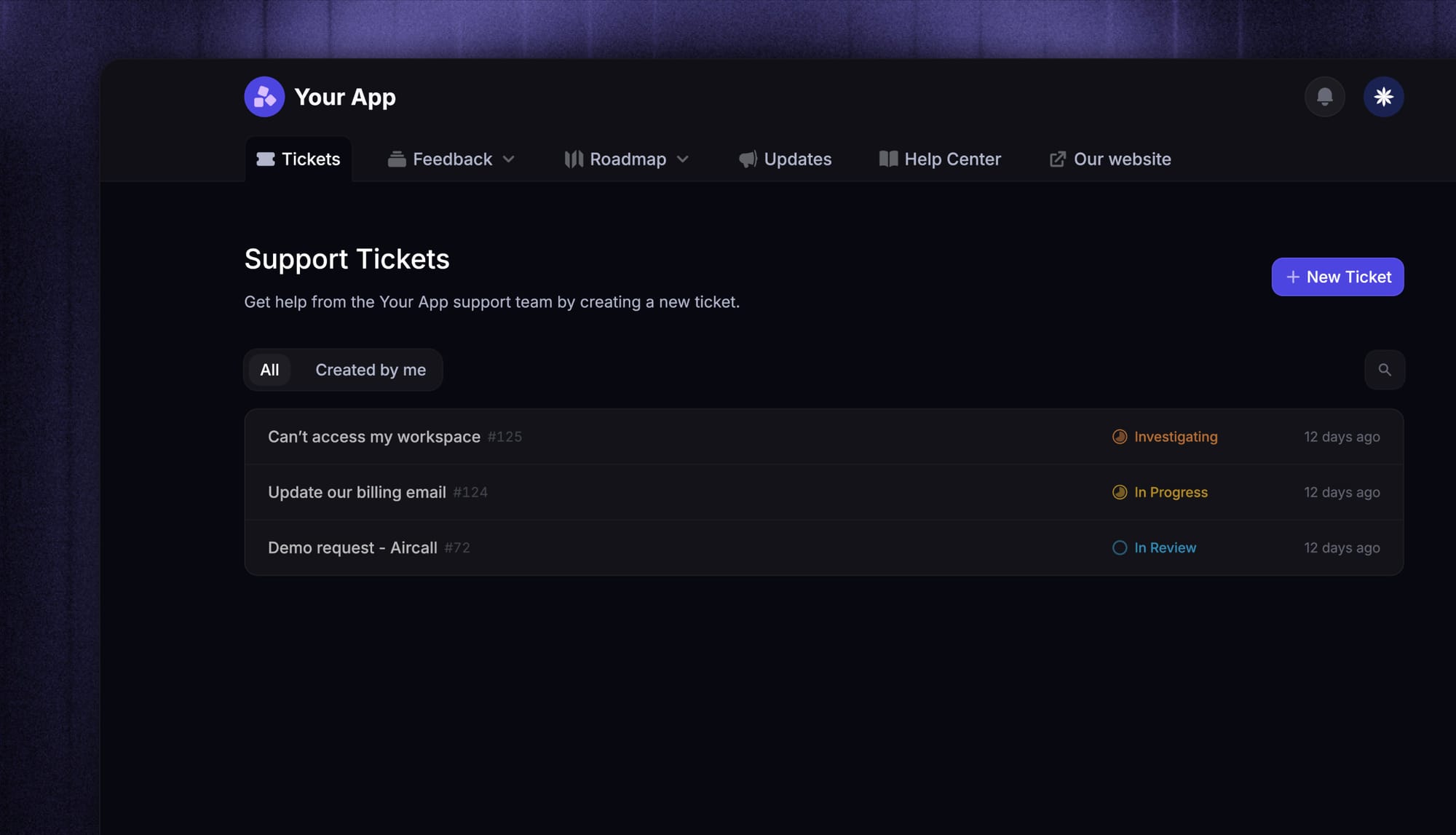
Returns and "where is my order" questions are your two biggest ticket drivers, so it pays to make both effortless.
Publish a clear return policy where shoppers can find it, offer self-serve returns, and give customers a tracking link the moment their order ships. Every question you remove from the queue is time your team gets back.
Measure, then improve
You can't improve what you don't track. The final practice is to treat support as something you measure and refine, not set and forget.
Pick a few customer service KPIs, review them regularly, and use them to spot where customers get stuck. Then fix the root cause, whether that's a confusing product page, a slow channel, or a missing help article.
Metrics that tell you if it's working
You don't need a dashboard full of numbers. A handful of metrics covers most of what you need to know:
- First response time (FRT): how long a customer waits for your first reply. Faster first responses correlate with higher satisfaction and fewer abandoned carts.
- Customer satisfaction (CSAT): a quick post-interaction rating that tells you how happy customers are with the help they got. It's the most direct read on service quality.
- Net promoter score (NPS): measures how likely customers are to recommend you. It's a longer-term signal of loyalty rather than a single interaction.
- Resolution time: how long it takes to fully close an issue. Long resolution times usually point to process gaps or understaffing.
- First-contact resolution (FCR): the share of issues solved in a single interaction. High FCR means customers aren't stuck in frustrating back-and-forth.
Track these over time, not just as one-off snapshots. The trend tells you far more than any single number.
Featurebase: modern support for ecommerce teams
Everything above comes down to the same challenge: doing more for shoppers without piling more onto your team. That's the gap Featurebase is built to close.
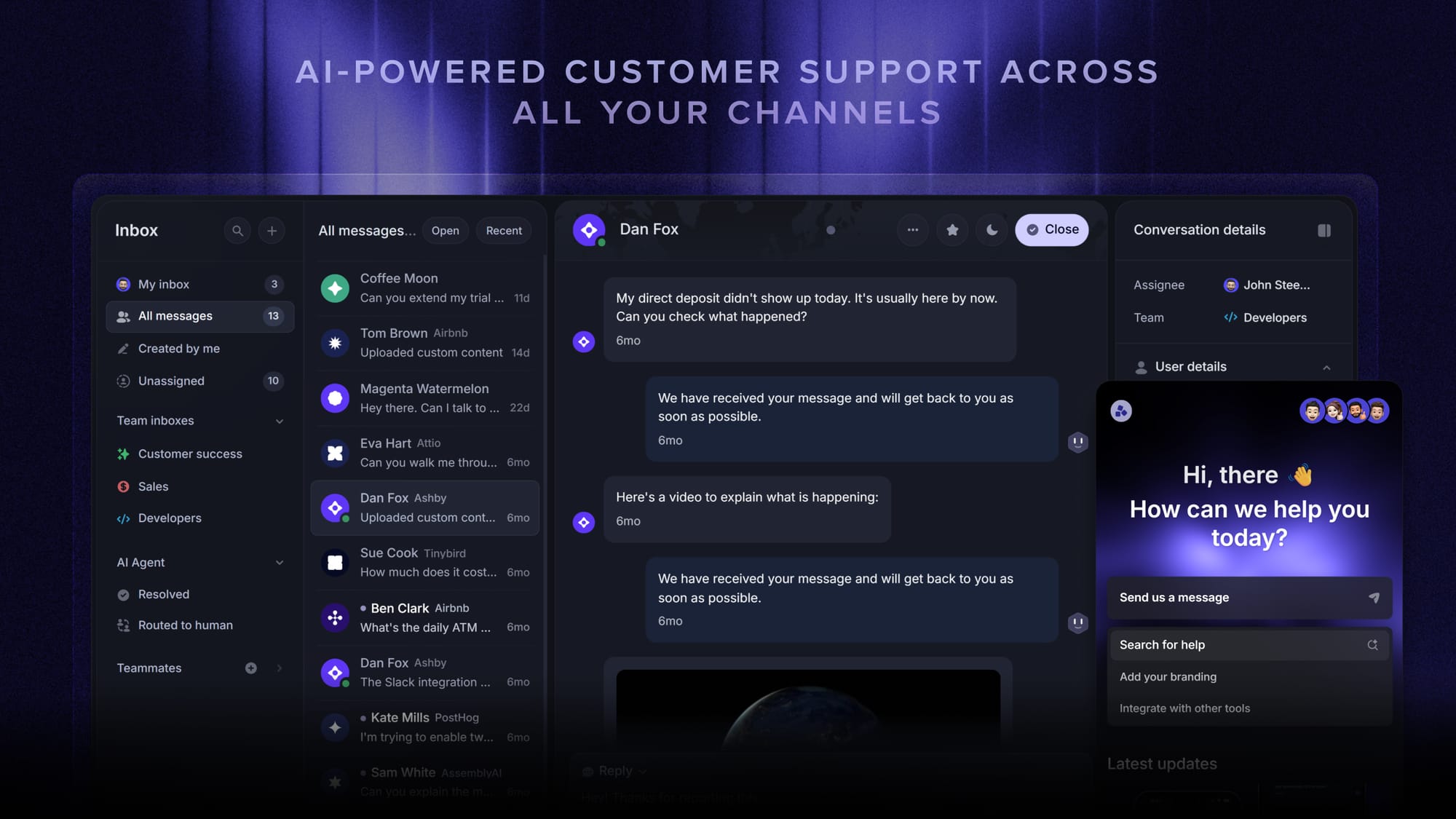
Instead of stitching together a separate inbox, chat widget, help center, and automation tool, Featurebase brings them into one platform. Your email, live chat, and Slack conversations land in a single shared inbox, so nothing gets lost and every agent sees the full context of who they're helping.
The routine questions that eat most of your day get handled for you. Fibi, the built-in AI agent, resolves common requests like order-status and return questions on its own, and an AI-powered help center answers shoppers the moment they search. Your team only steps in when an issue genuinely needs a human, and as your order volume grows, that setup scales with you instead of forcing you to hire ahead of it.
It's trusted by thousands of support teams at companies like Lovable, Raycast, and n8n, and there's a Free plan to start on. Paid plans begin at $29/seat/month with $0.29 per AI resolution, so your cost tracks the value you get rather than your headcount.
Conclusion
Ecommerce customer service is one of the highest-leverage investments an online store can make. It turns one-time shoppers into repeat buyers, rescues sales that would otherwise slip away, and builds the reviews and word of mouth that bring in new customers, all from people you've already reached.
Featurebase is a modern AI-powered support platform that brings your inbox, help center, and feedback tools into one place. You can support customers over live chat and email, deflect routine questions with an AI agent and knowledge base, and keep every conversation in one connected view, instead of stitching together 5 separate tools.
It comes with affordable pricing and a Free plan, and the onboarding is quick with no credit card required, so there's no downside to trying it. 👇
✨ Automate your support with the fastest AI-enhanced Inbox today →
FAQs
What are the most common ecommerce customer service issues?
The most common issues are order-tracking questions ("where is my order?"), shipping delays, returns and exchanges, payment or checkout problems, and pre-sale product questions. Order tracking alone often makes up the biggest share of tickets. Most of these can be reduced with proactive updates, a clear return policy, and a self-serve help center.
How does live chat benefit ecommerce customer service?
Live chat gives shoppers real-time answers at the exact moment they're deciding whether to buy, which makes it powerful for rescuing abandoned carts and lifting conversion. It also lets a single agent help several customers at once, so response times stay low without extra headcount. For pre-purchase questions especially, a fast chat reply often turns a browser into a buyer.
What metrics measure ecommerce customer service success?
The core metrics are first response time, customer satisfaction (CSAT), net promoter score (NPS), resolution time, and first-contact resolution (FCR). Together they tell you how fast you respond, how happy customers are, and how efficiently you close issues. Tracking the trend over time matters more than any single snapshot.
How can a small ecommerce store offer great customer service on a budget?
Lead with self-service and automation so a small team can cover more ground. A solid help center deflects repetitive questions, and an AI agent can resolve common ones around the clock. Tools like Featurebase offer a free plan that bundles a shared inbox, help center, and AI support, so even a solo store can deliver fast, modern service without a big budget.
How is AI changing ecommerce customer service?
AI now resolves a large share of routine questions, like order status, returns, and basic product queries, without a human ever stepping in. That gives shoppers instant 24/7 answers and frees agents to focus on complex, high-value issues. The best setups hand off to a human smoothly when the AI can't help, so customers never feel stuck.
How do you scale ecommerce customer service as you grow?
Scaling comes from automation and self-service, not just hiring. Centralize every channel into one inbox, expand your knowledge base so customers can help themselves, and let an AI agent handle routine volume. That way ticket volume can grow with your store without your team or response times falling behind.