Blog Customer ServiceFirst Contact Resolution: Formula, Benchmarks & Tips
First Contact Resolution: Formula, Benchmarks & Tips
Learn what first contact resolution means, how to calculate FCR, which benchmarks matter, and 7 practical ways to reduce repeat support requests.


✨ Automate your support with the fastest AI-enhanced Inbox today →
A customer contacts support, gets an answer, and comes back the next day with the same problem. Your team repeats the work, and the customer still can't move forward.
First contact resolution helps you spot that pattern and fix what's causing it. In this guide, I'll explain how to calculate it, interpret benchmarks, and improve it without rushing customers through support. 👇
Key takeaways
- Meaning: First contact resolution measures whether customers get their issue solved during their first support interaction.
- Calculation: Divide issues resolved on first contact by total issues received, then multiply by 100.
- Measurement: Define your contact boundaries and follow-up window before comparing scores.
- Improvement: Give agents the knowledge, context, and authority to deliver complete answers.
- Featurebase ✨: Bring your support inbox, help center, and AI agents together to help customers get answers.
What is first contact resolution?
First contact resolution (FCR) is the percentage of customer issues resolved during the first interaction, without another contact about the same problem. It's also sometimes called first touch resolution.
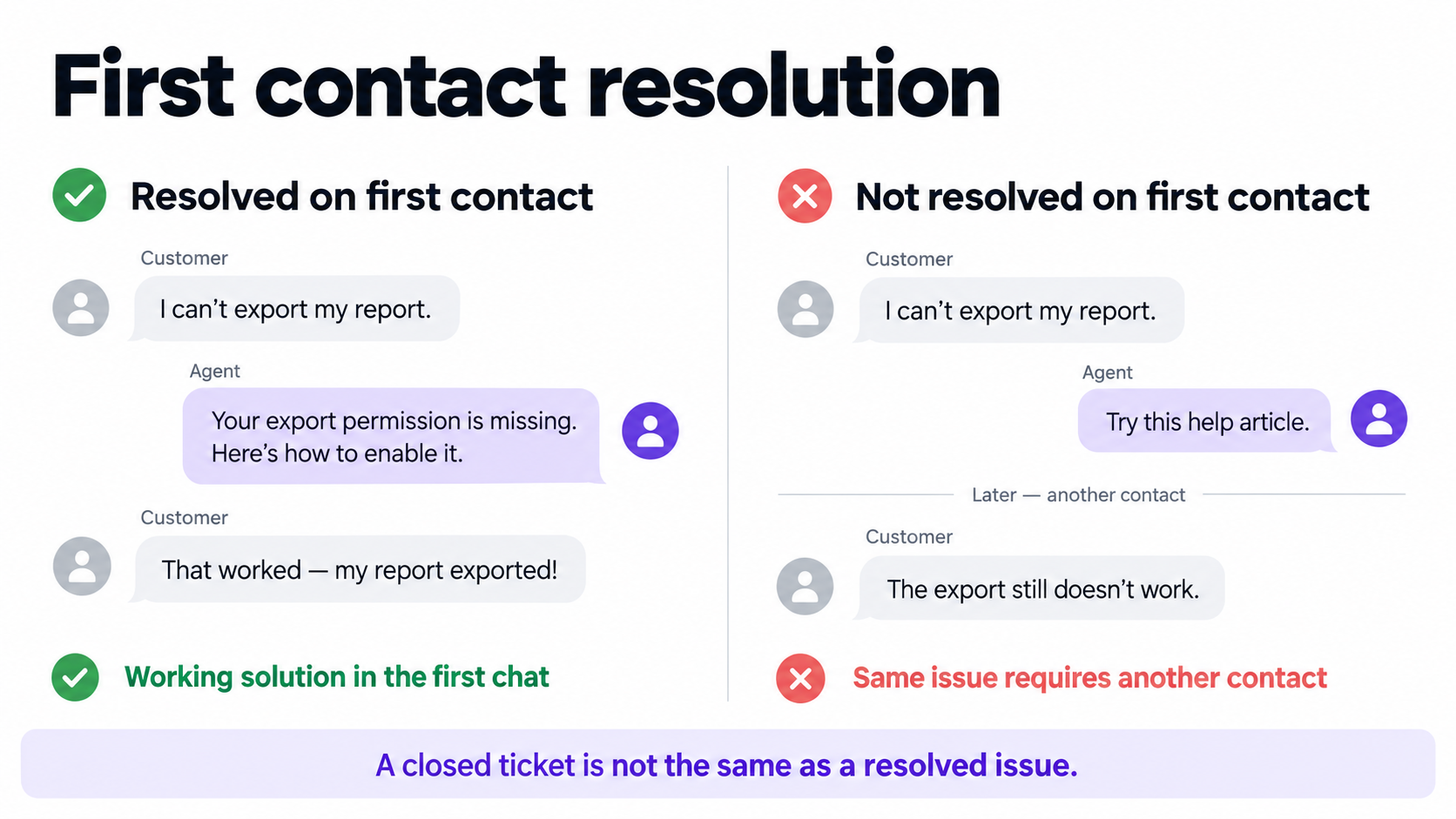
A closed ticket doesn't automatically qualify. The customer needs a working solution, not just an acknowledgment or a promise that someone will investigate.
For example, imagine a customer can't export a report. An agent identifies a missing permission, explains the fix, and the customer successfully exports it during the chat. That counts as first contact resolution.
If the agent sends a generic help article and the customer returns because the export still fails, the issue wasn't resolved on first contact.
First contact resolution vs. first call resolution
First call resolution covers phone conversations. First contact resolution applies the same idea across channels, including phone, live chat, and email.
Both use the abbreviation FCR, so check which definition a benchmark uses. A call center's score won't automatically be a useful comparison for an email support queue.
Why first contact resolution matters
Repeat contacts use time your team could spend helping someone else. When your customer base grows faster than your support team, that extra work becomes harder to absorb.
Improving FCR can help you deliver:
- Less customer effort: Customers avoid explaining the same issue again or chasing an update.
- More support capacity: Agents spend less time reopening familiar problems and reconstructing their history.
- Clearer improvement priorities: Repeat-contact patterns reveal missing documentation, unclear policies, and product problems worth fixing.
Treat FCR as a way to improve support quality. Pressuring agents to close conversations early can make the dashboard look better while leaving customers stuck.
How to calculate first contact resolution
The formula is simple. Getting consistent data takes a little more care.
Define what counts as a contact and a resolution
Write down your measurement rules before pulling a report:
- Live channels: Count a continuous phone call or live chat session as 1 contact.
- Email: You might require the first substantive reply to solve the issue. Don't treat a week of back-and-forth emails as a single contact just because they share a ticket.
- Transfers: Decide whether a transfer within the same session qualifies. Track transfers separately so handoffs don't disappear inside a high FCR score.
- Resolution: Look for evidence that the customer's problem is solved. Customer confirmation and conversation reviews help validate agent-applied labels.
Choose a window for checking repeat contacts, too. For example, your team might use 7 days after the initial interaction, then adjust if customers normally discover failed fixes later. That's a measurement choice, not a universal standard.
Apply the FCR formula
First contact resolution rate = (Issues resolved on first contact ÷ Total issues received) × 100
For a hypothetical example, suppose your team receives 200 distinct customer issues in a week. After checking for repeat contacts during your chosen window, 144 qualify as first-contact resolutions.
FCR = (144 ÷ 200) × 100 = 72%
Use the same group of incoming issues for both sides of the calculation. Don't divide this week's resolutions by this week's new tickets if some resolutions belong to older requests.
Allow the follow-up window to finish before finalizing the score. Document any exclusions, such as spam and duplicate submissions, and keep genuine unresolved issues in the denominator.
Account for repeat contacts and reopened tickets
Link follow-ups to the original issue, even when the customer changes channels or starts a new ticket. A chat followed by an email about the same failed fix is still a repeat contact.
A “thanks, that worked” reply doesn't mean resolution failed. Neither does a new, unrelated question from the same customer.
Silence alone also doesn't prove success. Review a sample of conversations and ask customers whether their issue was resolved to check that ticket status reflects the experience.
What is a good first contact resolution rate?
A useful FCR target reflects your channel, issue complexity, and measurement rules. There's no single percentage that fits every support team.
For an external reference, SQM's 2025 World Class Call Center FCR certification requires 80% or more of customer interactions to be resolved on first contact. That's a call center certification threshold, so use it as context when setting a target for software support.
Build your own baseline by comparing similar work:
- Channel: Compare live chat with live chat, using the same contact definition.
- Issue type: Separate routine account questions from technical investigations.
- Support route: Review AI-handled and human-handled issues separately, alongside the overall customer journey.
Customer self-service can change the mix of work agents receive. If easy questions get answered before reaching your team, the remaining queue may be harder, and human FCR could fall even as customers get help more easily.
Set targets within those groups and review them alongside customer satisfaction and repeat-contact trends.
7 ways to improve first contact resolution
Start with the reasons customers come back. These changes help your team solve more issues during the first conversation.
1. Route requests to the right person early
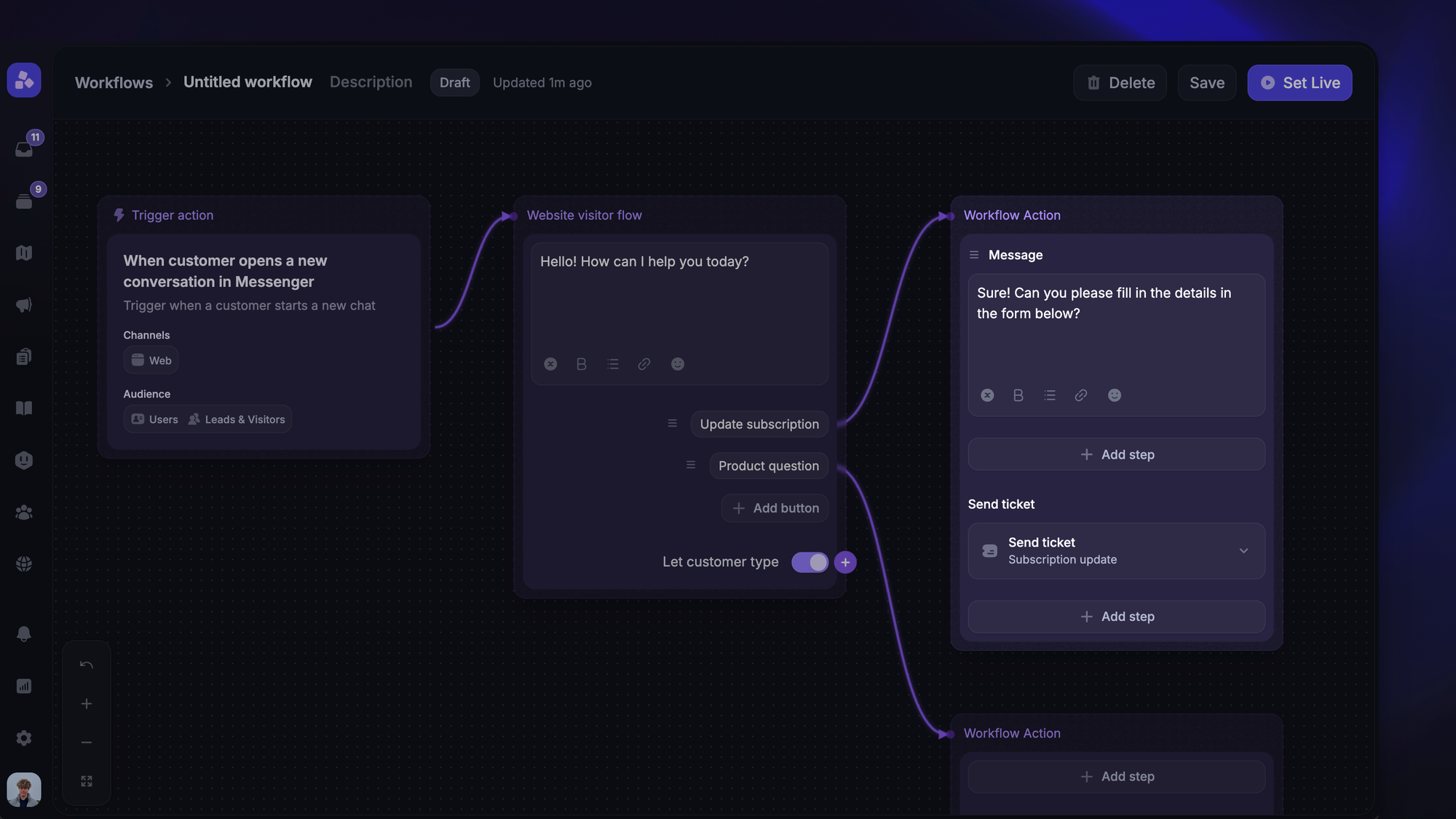
Use ticket routing to match requests with the knowledge needed to solve them. Billing questions should reach someone who can inspect the account, while integration errors may need a technical specialist.
Collect enough information upfront to make that match. A short description and relevant error message can prevent an avoidable handoff without turning intake into a long questionnaire.
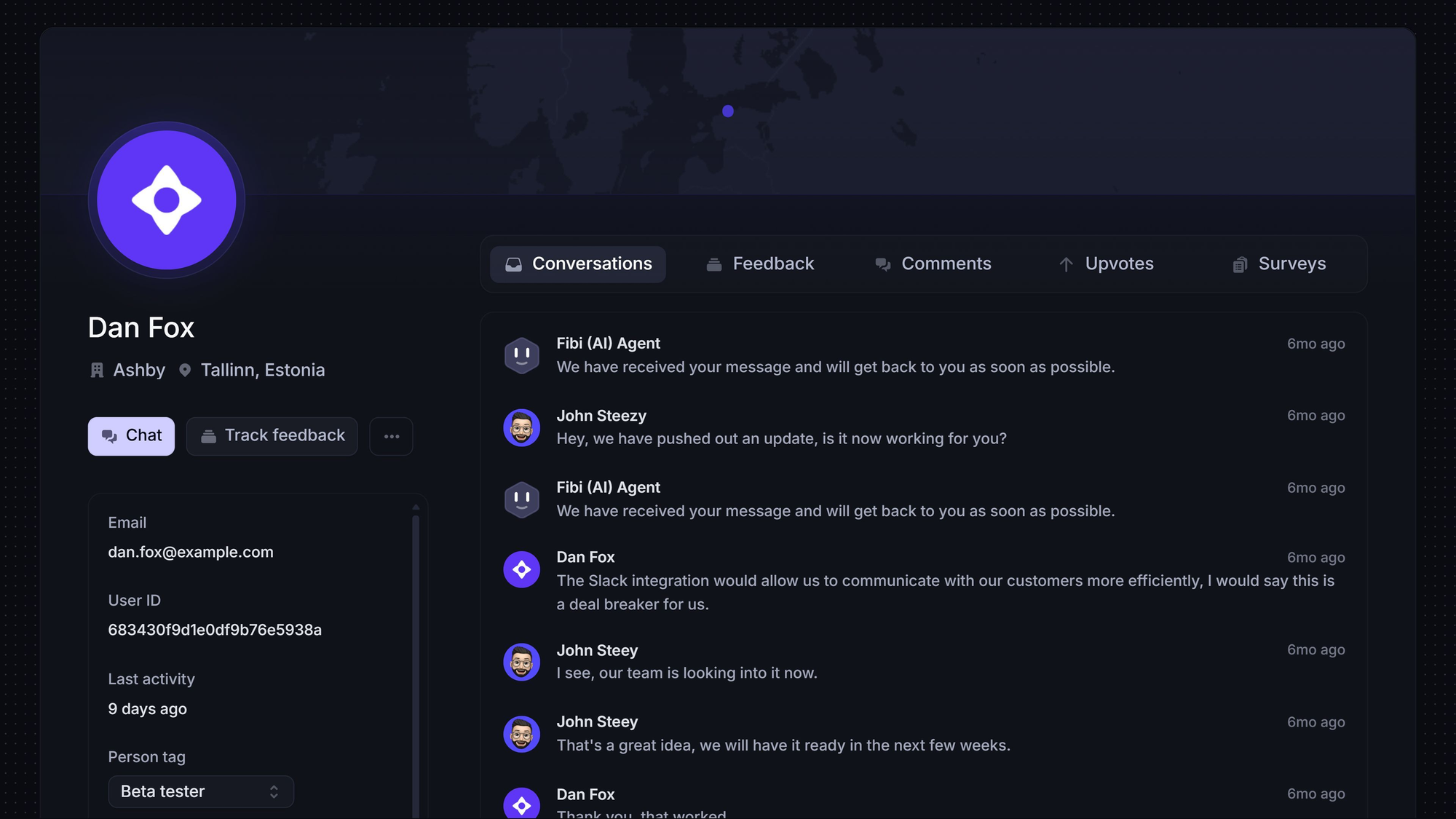
2. Give agents the customer context they need
Bring conversation history and relevant account details into the agent's workspace. Agents should be able to see what the customer has already tried before recommending the same steps again.
For example, a customer emails after a failed login attempt. If the agent sees that a password reset already failed and the account uses single sign-on, they can investigate the actual login method in the first reply.
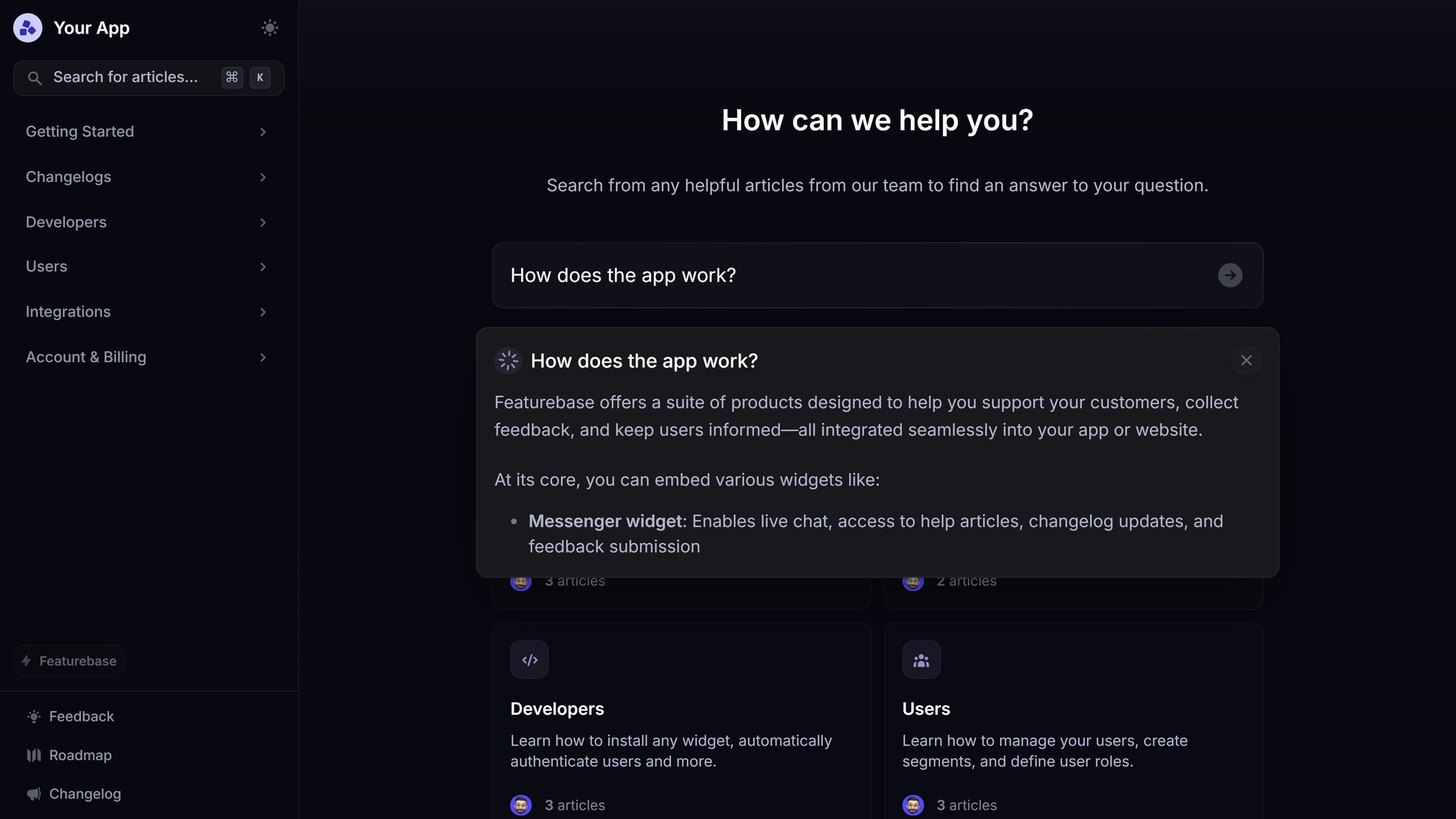
3. Keep your knowledge base useful and current
A knowledge base helps only when agents and customers can find instructions that match the current product. Assign an owner to each important article and update it when the product changes.
Prioritize articles connected to repeat contacts. Add missing prerequisites, explain expected results, and test the steps yourself before publishing.
4. Give agents authority to solve common problems
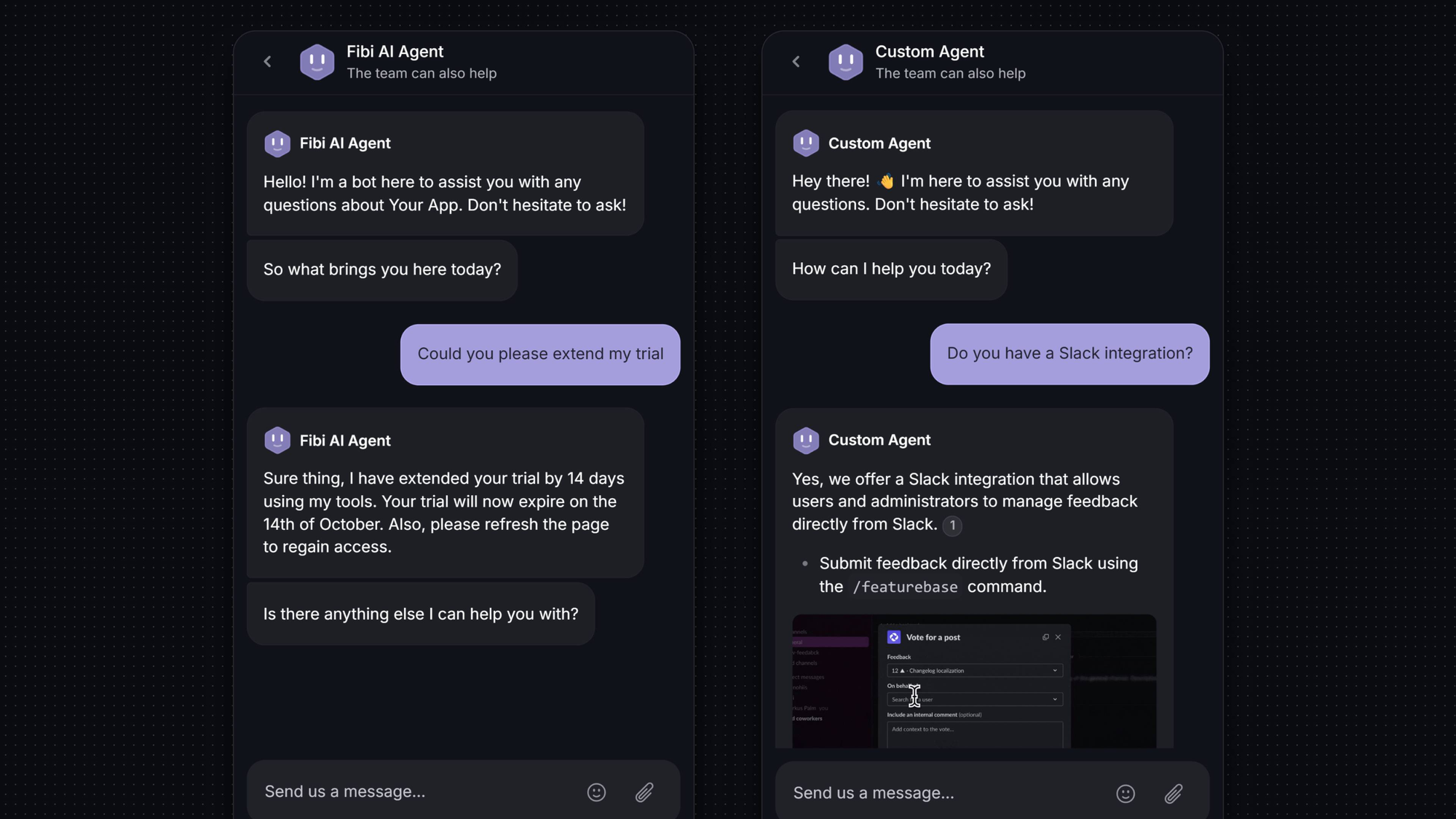
Identify routine requests that stall while agents wait for approval. Give them clear limits for actions such as correcting account details or extending a trial.
Document the exceptions that need escalation. Agents should know when they can finish the job themselves and when another person's judgment is necessary.
5. Train agents to deliver complete answers
Use agent training to practice diagnosis and resolution, alongside tone and response speed. Review examples where a helpful-sounding answer still left the customer needing another reply.
Build answers around the customer's next action:
- The fix: Explain the steps in the order the customer needs them.
- The prerequisites: Mention permissions or settings needed to make those steps work.
- The success check: Describe what the customer should see when the problem is solved.
Use macros as a starting point, then adapt them to the request.
6. Automate repeatable questions and tasks
AI customer support can answer common questions from your help content. For requests that require an account change, the automation also needs permission and the ability to perform the action.
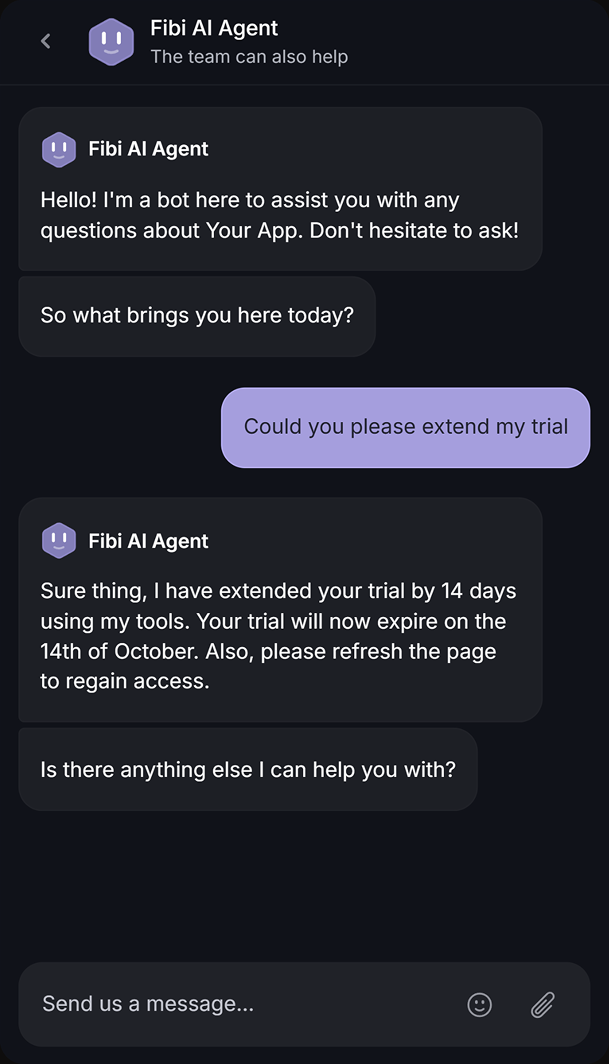
For example, Featurebase's Fibi AI Agent can answer support questions and run configured custom actions, such as trial extensions. That gives customers a way to complete an eligible request within the conversation.
Keep a clear handoff available when automation can't finish. Check whether customers return with the same issue before treating an automated conversation as successfully resolved.
7. Review repeat contacts and fix their causes
Review a sample of repeat contacts each week. Tag the reason resolution failed, then assign the improvement to someone who can act on it.
- Missing knowledge: Update the article or response template that left a gap.
- Process delays: Remove unnecessary approvals or clarify ownership.
- Product problems: Send reproducible bug reports and recurring usability issues to the product team.
Track whether repeat contacts for that issue decline after the change. This gives you a clearer signal than simply asking every agent to raise their score.

Resolve 70% of customer requests with AI
Automatically resolve customer issues & cut down support loads for your team
Conclusion
First contact resolution improves when customers get a complete, usable answer the first time. Start with consistent measurement, then fix the knowledge gaps and process delays behind repeat requests.
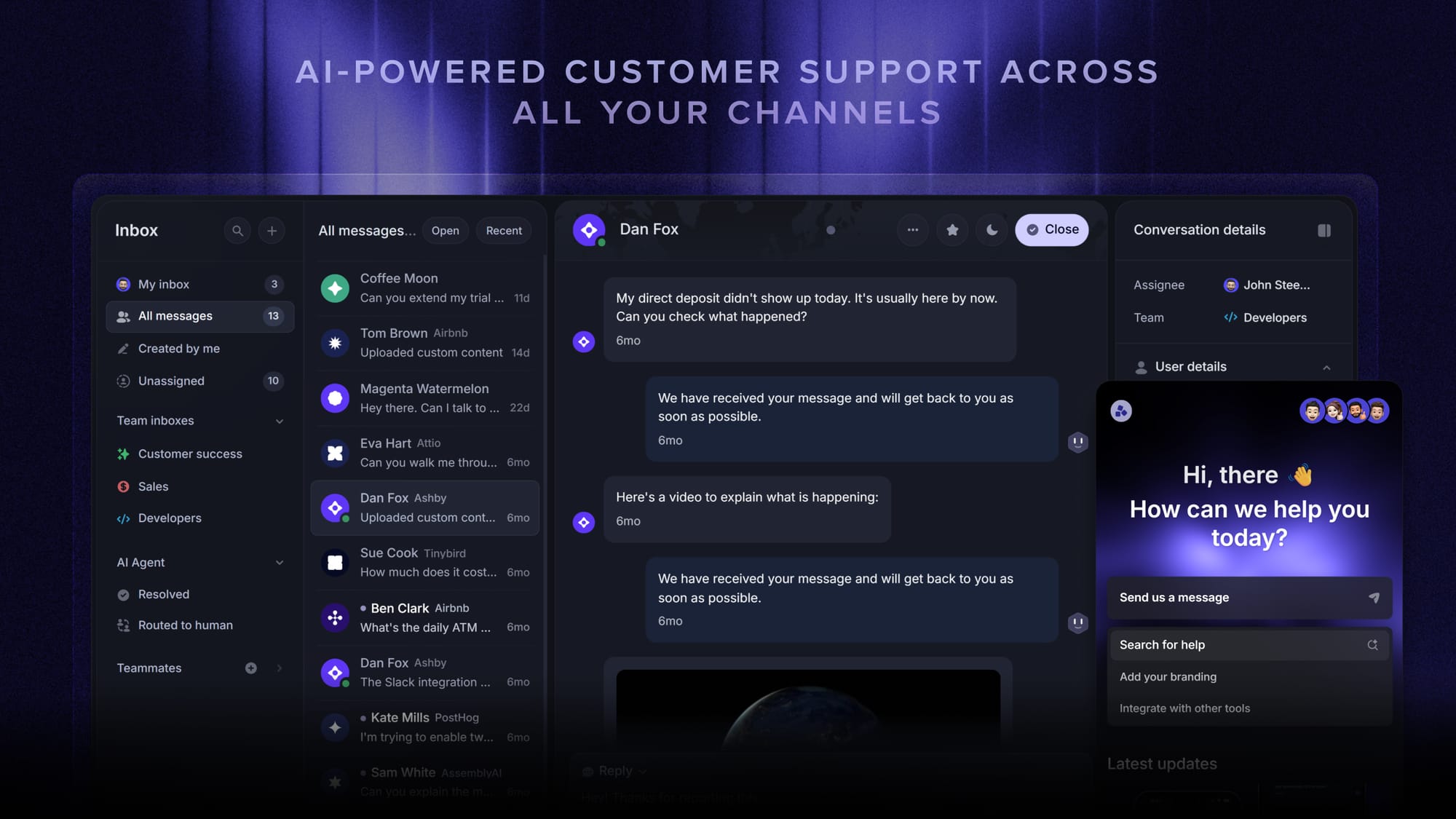
Featurebase is a modern AI customer support platform for product-led SaaS. It combines AI-powered support, help center, and feedback management into a single platform.
It comes with a Free plan for getting started with live chat. AI features require a paid plan, so you can try the inbox before adding automation. 👇
✨ Automate your support with Featurebase's AI-enhanced Inbox today →
FAQs
How is FCR different from first response time?
First response time measures how long customers wait for the first reply. FCR measures whether the first interaction solves their issue. A quick acknowledgment can improve response time without improving resolution.
How does FCR differ from CSAT?
FCR measures resolution on the first contact, while customer satisfaction (CSAT) measures how customers rate their experience. A customer can get a working solution but still dislike the wait or the agent's tone. Use both to understand the outcome and how it felt.
Does improving FCR increase average handle time?
It can, because diagnosing the issue and confirming the fix may take longer than sending a quick reply. Compare that extra time with the total effort saved across follow-up contacts. Avoid judging efficiency from the first interaction alone.
Is a 100% first contact resolution rate realistic?
It's rarely a useful target across an entire support operation. Some issues require engineering work, outside approval, or investigation that can't finish during the first contact. Give those customers clear ownership and follow-up expectations.
What should you look for in FCR reporting software?
Look for reporting that can connect repeat contacts across channels and let you inspect the underlying conversations. You should also be able to define your measurement window and segment results by issue type. Check how the tool treats reopened tickets before relying on its headline score.