8 Customer Service Challenges and How to Solve Them
Explore 8 common customer service challenges and practical solutions for slow responses, repetitive requests, frustrated customers, and agent burnout.


On this page
Automate your support with the fastest AI-enhanced Inbox today
Customer service challenges pile up when your team keeps answering the same questions, chasing missing details, and calming customers who have already waited too long.
In this guide, I’ll cover 8 common problems, practical ways to fix them, and how to decide which change deserves your attention first. 👇
Key takeaways
- Slow responses often need clearer priorities and ownership.
- Shared customer context and accurate documentation help agents resolve issues without unnecessary back-and-forth.
- Review repeat contacts alongside response times to see whether problems actually get solved.
- Featurebase ✨ brings customer support, help articles, and feedback into one platform.
8 common customer service challenges and their solutions
These customer service problems affect both the customer’s experience and your team’s workload. Start with the point where the process breaks down.
1. Long wait times and slow responses
Customers get frustrated when they don’t know whether anyone has seen their message. Requests can sit unanswered because everyone assumes someone else owns them.
How to fix it: Assign each conversation an owner and prioritize by customer impact. Someone locked out of their account needs attention before a cosmetic issue.
Set realistic response times for each channel, communicate your support hours, and track overdue requests. Distinguish an automatic acknowledgment from a useful first response.
2. Too many repetitive support requests
Support tickets about password resets and setup can fill the queue. But publishing a knowledge base doesn’t automatically make those questions disappear.
Gartner’s December 2023 survey of 5,728 customers found that only 14% of service issues were resolved entirely through self-service.
How to fix it: Turn recurring questions into searchable help articles and test whether customers can complete the task. Keep human help accessible when self-service fails.
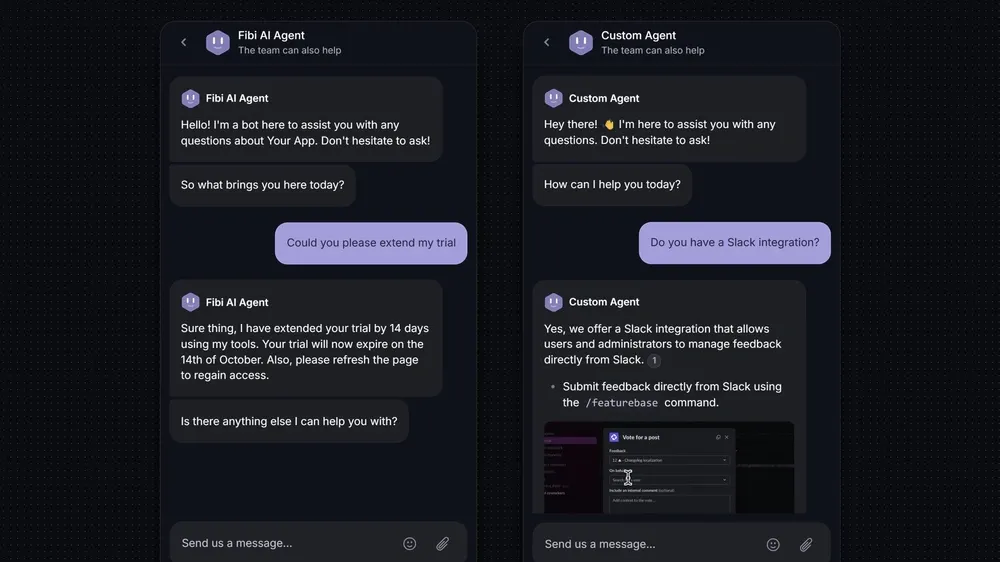
Featurebase’s Fibi AI Agent can answer questions using Help Center content and other workspace knowledge, reducing the need to write each reply manually.
3. Customer information scattered across tools
A customer explains their issue in chat, follows up by email, and gets asked to start again. The agent cannot see what happened earlier.
How to fix it: Bring conversation history and relevant customer data into a shared inbox. Check that integrations match messages to the correct person and account.
Before replying, review what the customer has already tried. A useful response should build on that history, rather than send them the same troubleshooting steps again.
4. Inconsistent answers and knowledge gaps
One agent says a feature is available. Another says it’s still planned. Outdated documentation can leave both agents confidently giving different answers.
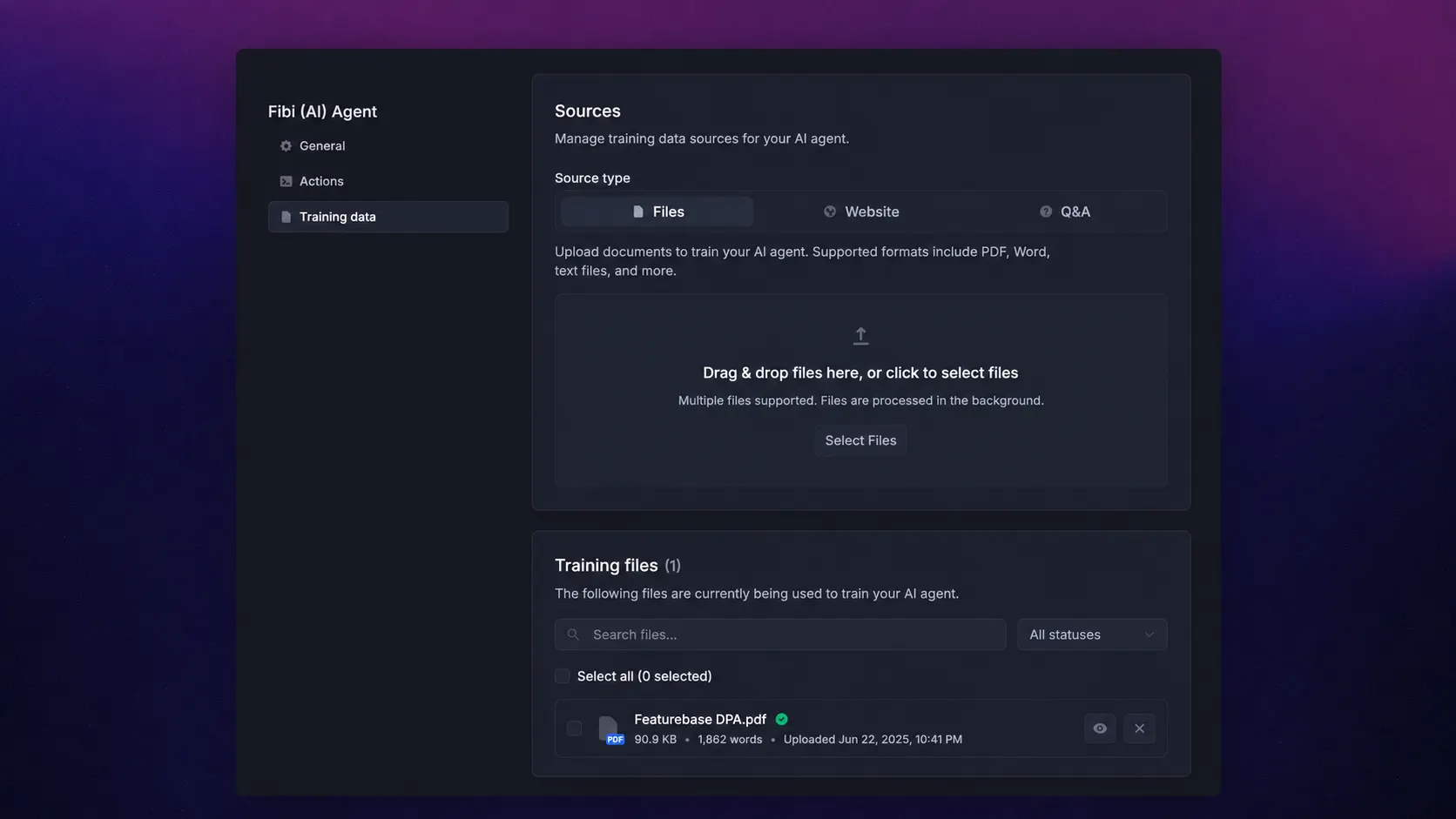
How to fix it: Give agents a shared source for product knowledge and policies, with a named owner responsible for updates. Include support documentation in your product release checklist.
Use real conversations in coaching sessions to review service quality. When an answer is missing, document the verified solution so the next agent can find it.
5. Escalations with no clear owner
Some issues need engineering or billing input. Trouble starts when forwarding the ticket also means losing responsibility for the customer.
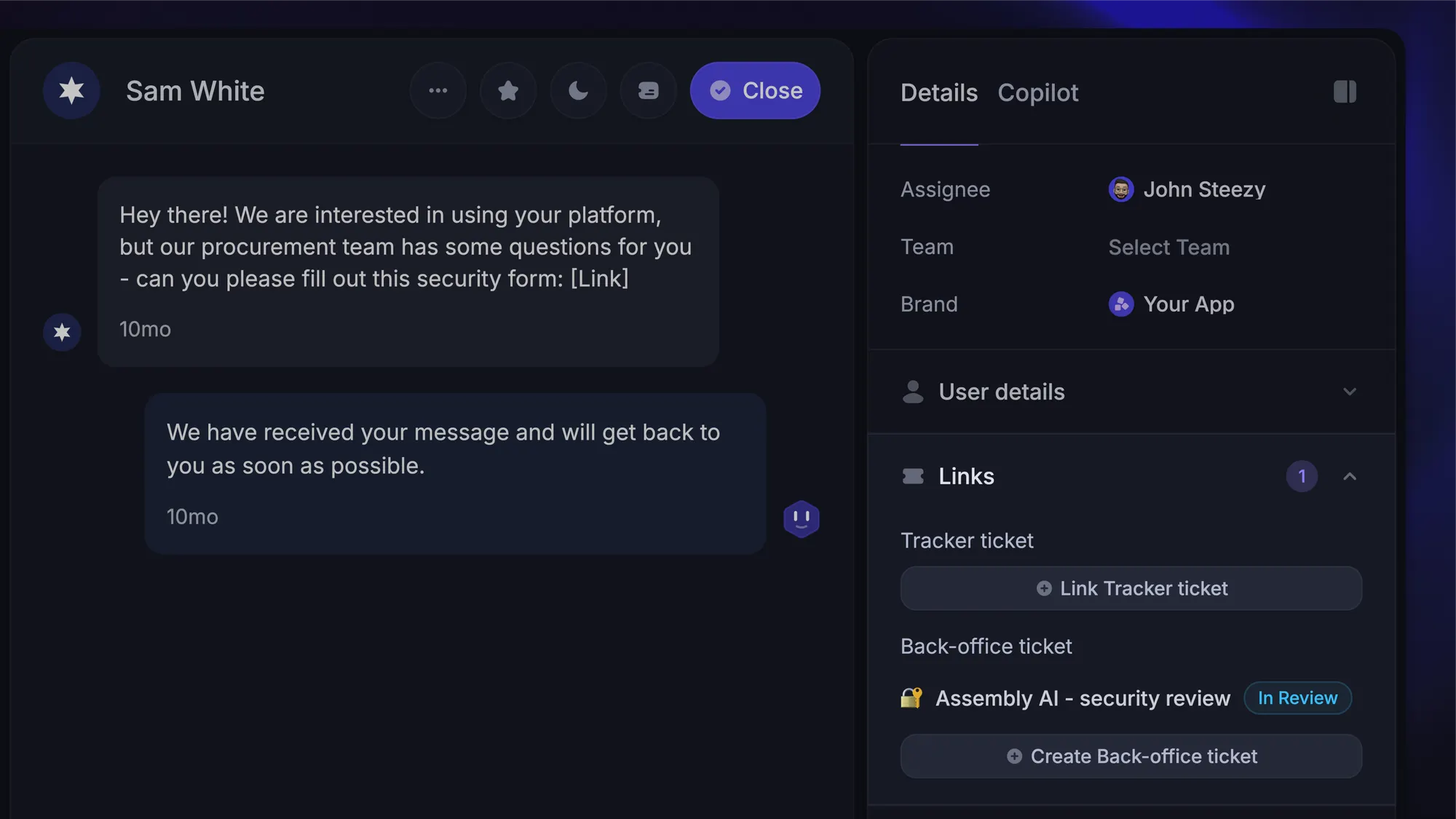
How to fix it: Define a ticket escalation process that specifies the receiving team, required context, and acknowledgment deadline. Include reproduction steps for bugs so engineering can investigate without restarting discovery.
Keep a support owner responsible for customer updates until resolution. An internal handoff should never leave the customer wondering who will reply next.
6. Frustrated customers and unrealistic expectations
Customer expectations can exceed what your agent can deliver alone. Vague reassurance can leave frustrated customers feeling ignored.
How to fix it: Acknowledge the impact, clarify the desired outcome, and explain what you can actually do. Give a specific update time without inventing a resolution deadline.
For example: “I’ve sent the error details to engineering. I’ll update you by 3 p.m. tomorrow, even if we’re still investigating.” Then follow through.
7. Agent overload and burnout
Preventing agent burnout means looking beyond time spent replying. In Salesforce’s 2025 State of Service research, service representatives reported spending only 46% of their time with customers.
How to fix it: Review administrative work before increasing ticket targets. Automate routine tagging and routing, balance assignments by complexity, and protect time for breaks and coaching.
If demand still exceeds capacity, adjust staffing or coverage. Automation cannot compensate for every workload gap.
8. Measuring activity without fixing recurring problems
Fast replies and closed tickets can hide unresolved issues. A customer may contact you again because the first answer never worked.
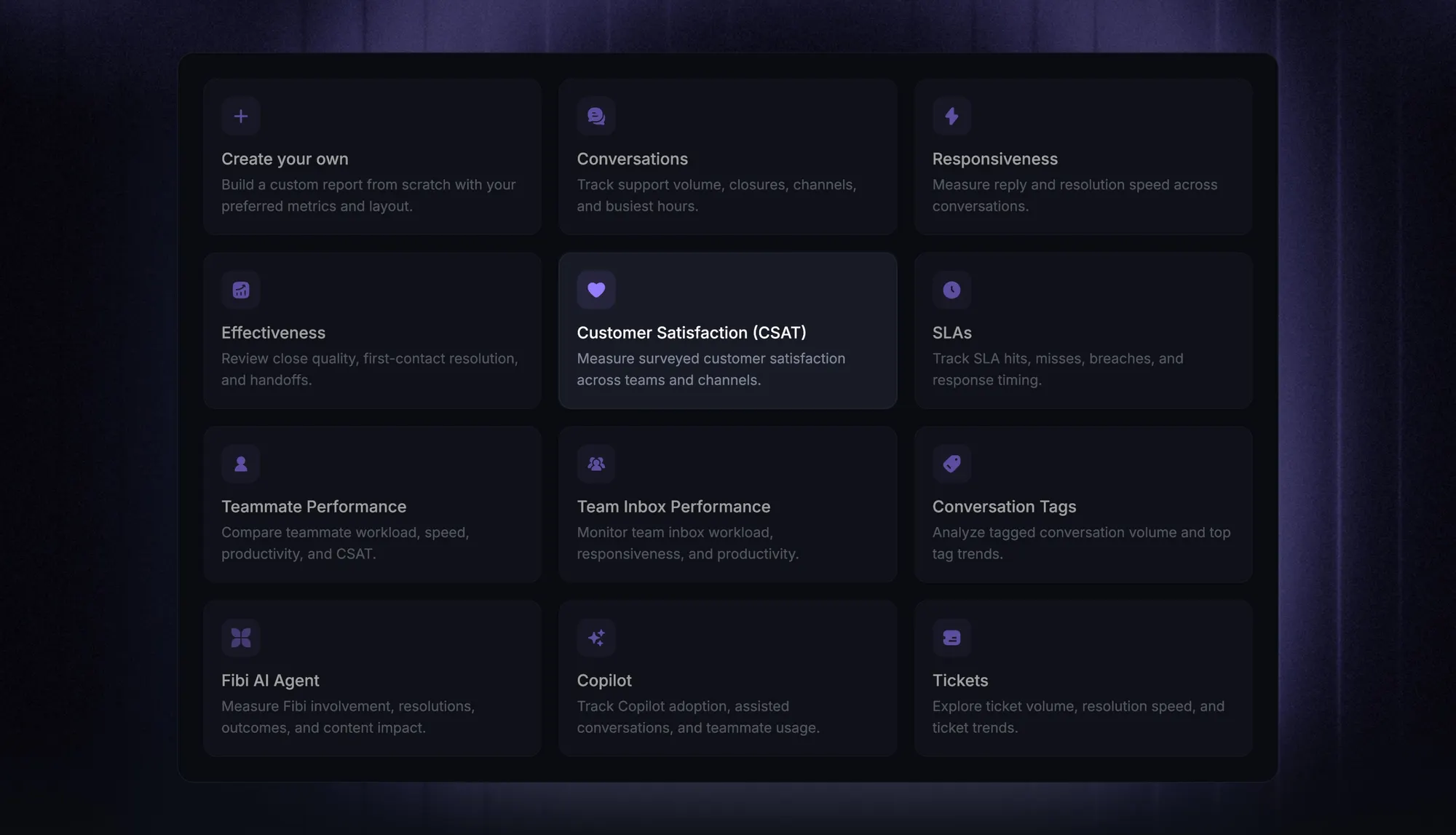
How to fix it: Review customer service metrics, including customer satisfaction (CSAT), repeat contacts, and resolution time, alongside response speed. Read customer feedback and the conversations behind poor scores to understand what went wrong.
Group recurring problems and share them with product teams. If users repeatedly struggle with the same setting, improving the interface may prevent more tickets than another reply template.
Which customer service challenge should you tackle first?
Review a sample of recent conversations and choose a problem using 3 criteria:
- Impact: Does it stop customers from using the product?
- Frequency: How often does it happen?
- Effort: What would fixing the cause require?
Assign an owner and a review date. Track the affected outcome before and after the change. For example, a new setup article should reduce repeat setup questions, not just collect page views.
Conclusion
Solving customer service challenges starts with understanding where customers get stuck. Choose a recurring problem, improve the process behind it, and check whether customers need less help afterward.
Featurebase is a modern AI customer support platform that combines AI-powered support, a help center, and feedback management. It brings customer conversations and product knowledge together so your team can answer questions and turn recurring issues into improvements.
There’s a Free plan with 1 seat and unlimited conversations. Fibi AI Agent is available on paid plans. 👇
Automate your support with the fastest AI-enhanced Inbox today
FAQs
Explain the relevant facts without blaming the customer. If you cannot grant their request, explain why and offer any available alternatives. Correcting a misunderstanding should still leave them with a useful next step.
No. Base your coverage on customer time zones, issue urgency, and contractual commitments. Self-service can help outside business hours, while urgent incidents may require a separate on-call process.
Choose channels your customers use and your team can maintain reliably. For software support, email can suit detailed troubleshooting, while in-app chat helps users ask questions where they encounter problems. Add channels when demand justifies the operational cost.
There is no universal target that fits every service team. Compare your CSAT score with relevant industry benchmarks and your own results using the same survey method. Check response rates and comments before interpreting a score change.
Customer service is the assistance you provide before, during, or after someone uses your product. Customer experience includes the whole relationship, from discovering the product to using it and renewing. A helpful agent cannot fully offset a confusing product or billing process.