Blog Customer Service13 Best Help Desk Software for Small Businesses in 2026
13 Best Help Desk Software for Small Businesses in 2026
The best help desk software for small businesses should be affordable, easy to use, and built to grow with your team. In this guide, we break down 13 top help desk platforms for 2026 to help you find the right fit for your workflow, budget, and support needs.


✨ Automate your support with the fastest AI-enhanced Inbox today →
Small businesses need help desk software that is easy to set up, affordable to run, and flexible enough to grow with the team.
But not every help desk platform is built with small businesses in mind. Some are too expensive, some are too complex, and some only make sense for larger support teams with more advanced workflows.
That is why it helps to compare the options before choosing one.
Short answer:
- If you want the best modern help desk software for small product-led teams, use Featurebase✨
- If you want the best budget-friendly all-around option, use Zoho Desk
- If you want the simplest help desk for email-based support, use Help Scout
- If you want more advanced workflows and enterprise-grade depth, use Zendesk
See the full list below for a closer look at all the tools. 👇
TL;DR - Comparison table of the best help desk software for small businesses in 2026
| Platform | Best fit for | Key strength | Pricing |
|---|---|---|---|
| ✨Featurebase | Small product-led SaaS teams | AI-powered support, feedback, and knowledge base in one platform | Paid from $29/seat/month + $0.29 per AI resolution |
| Zoho Desk | Budget-conscious small businesses | Strong value and balanced ticket management features | Free plan for up to 3 users; paid from $7/user/month |
| Help Scout | Email-first support teams | Simple shared inbox with solid self-service options | Free plan for up to 5 users; paid from $25/user/month |
| Cloudtalk | Small businesses that want an easy to use VoIP phone system | Smart call routing, call analytics, and over 100 CRM and help desk integrations | Paid plans start at $19 per user per month, billed annually |
| Freshdesk | Growing support teams | Familiar help desk platform with automation tools | Free plan for 1–2 agents for 6 months; paid from $19/agent/month |
| Desk365 | Small businesses that want the best value for money in a feature-rich help desk platform | Microsoft Teams integration, AI-powered support, automation, and asset management at an affordable price | Paid from $12/agent/month; advanced plans from $32/agent/month |
| Zendesk | Teams with advanced workflows | Strong automation rules and omnichannel support | Free trial; paid from $19/agent/month |
| Intercom | Chat-first customer support | Great for real-time customer interactions | 14-day free trial; Essential from $19/seat/month billed annually ($29 monthly) + $0.99 per Fin outcome |
| HappyFox | Structured ticketing workflows | Organized ticket management for service operations | Paid from $21/agent/month |
| LiveAgent | Multichannel support on a budget | Handles email, chat, and phone calls in one place | 30-day free trial; paid from $15/agent/month |
| osTicket | Self-hosted teams | Mature open-source ticketing system with web forms | Free if self-hosted |
| HESK | Small teams that want simplicity | Basic ticketing and a lightweight self-service portal | Self-hosted from $49.99 one-time |
| Hiver | Small businesses that need shared inbox, ticketing, automation, and AI-assisted support in one workspace | Easy customer conversation management with shared inboxes, ownership tracking, collaboration, workflows, and AI support | Free plan available; paid from $25/user/month |
What is help desk software?
Help desk software helps businesses manage customer questions, support tickets, and internal requests in one place.
Instead of relying on shared inboxes or spreadsheets, teams can use help desk software to organize conversations, assign tickets, track response times, automate repetitive tasks, and build a knowledge base for self-service support.
For small businesses, the best help desk tools are usually the ones that are easy to launch, easy to manage, and free or affordable as the team grows.
How we evaluated these help desk tools
We focused on one question:
Which help desk software is actually a good fit for small businesses?
Before shortlisting tools, define your help desk software requirements - these are the features that usually matter most for small businesses:
- Pricing and affordability
- Ease of setup
- Support channels
- Automation features
- Collaboration tools
- Knowledge base functionality
- Scalability for growing teams
- Overall fit for small businesses
We also looked at use case fit. Some tools are better for SaaS teams. Others are stronger for internal IT, more advanced support workflows, or self-hosted setups.
Our goal was not to list every help desk platform on the market. It was to find the ones that are the best fit for really small teams.
Top 10 best help desk software for small businesses in 2026
1. Featurebase✨
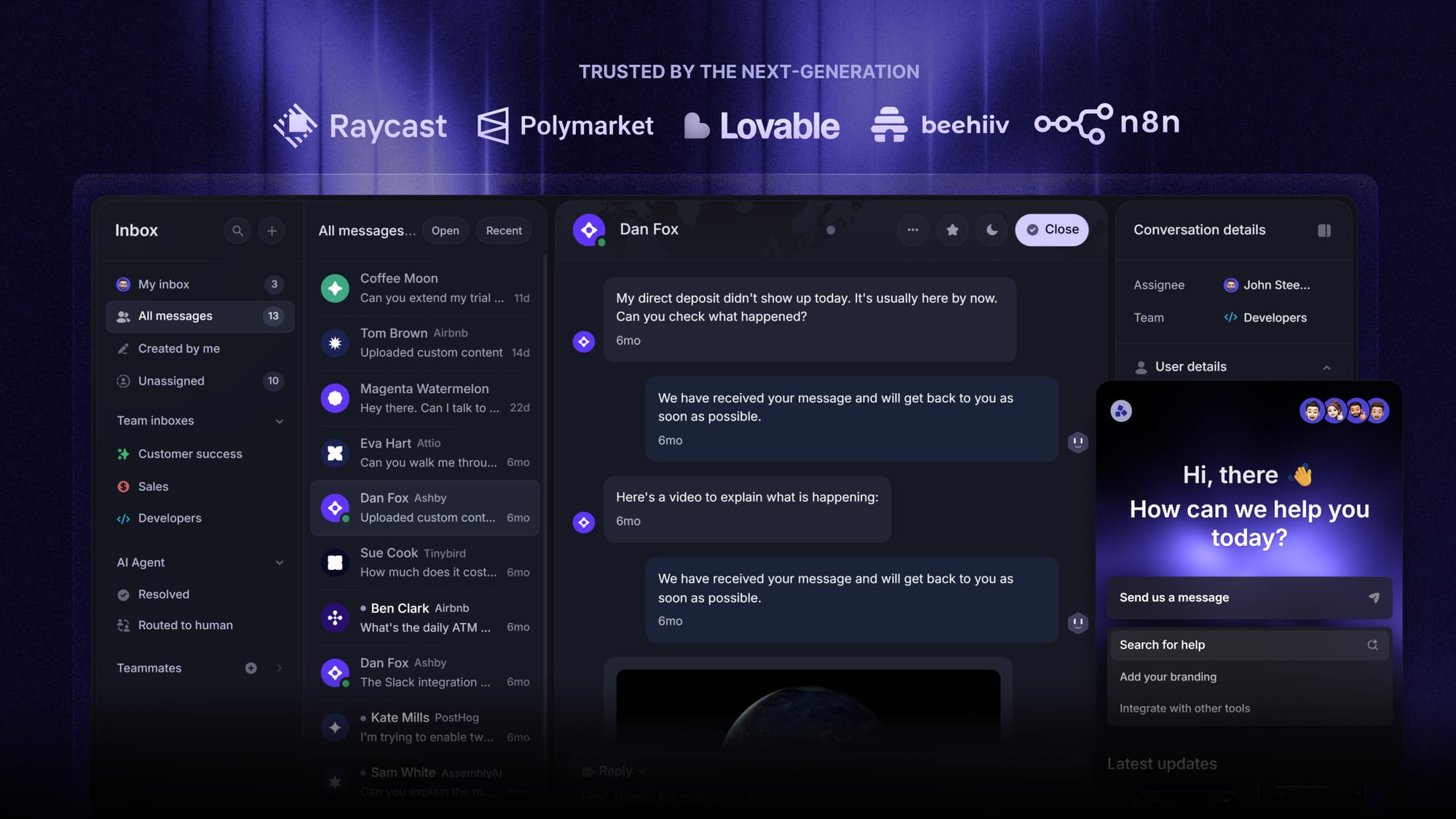
Featurebase is our top pick for the best help desk software for small businesses, especially for product-led SaaS teams.
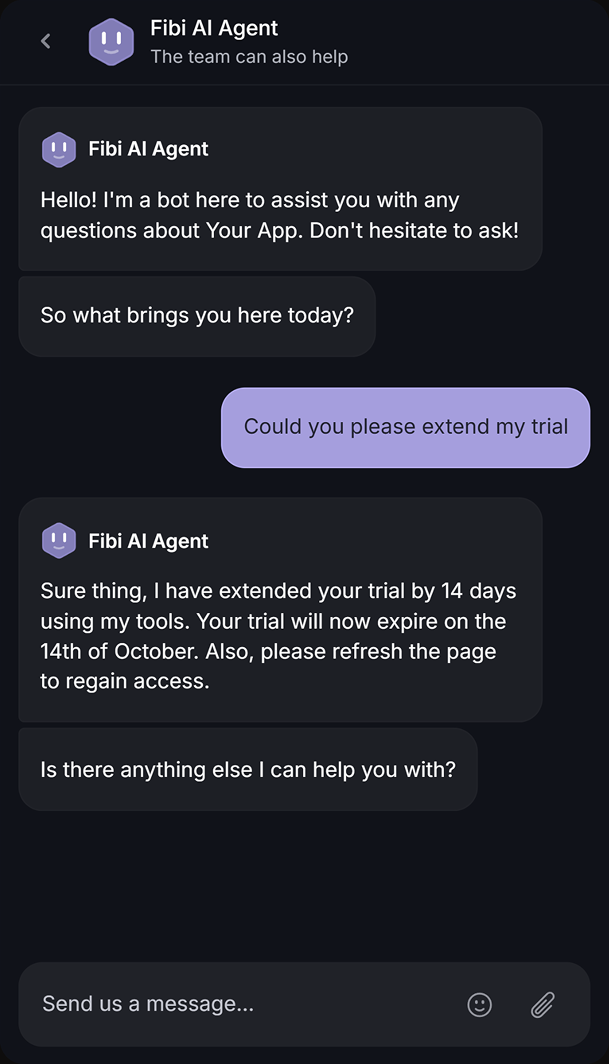
It is an AI-powered customer service platform that combines a support inbox, knowledge base, feedback tools, and product communication in one place. That makes it more useful than many basic desk tools that only focus on ticket management.
Key features
- Omnichannel inbox for email, chat, and Slack
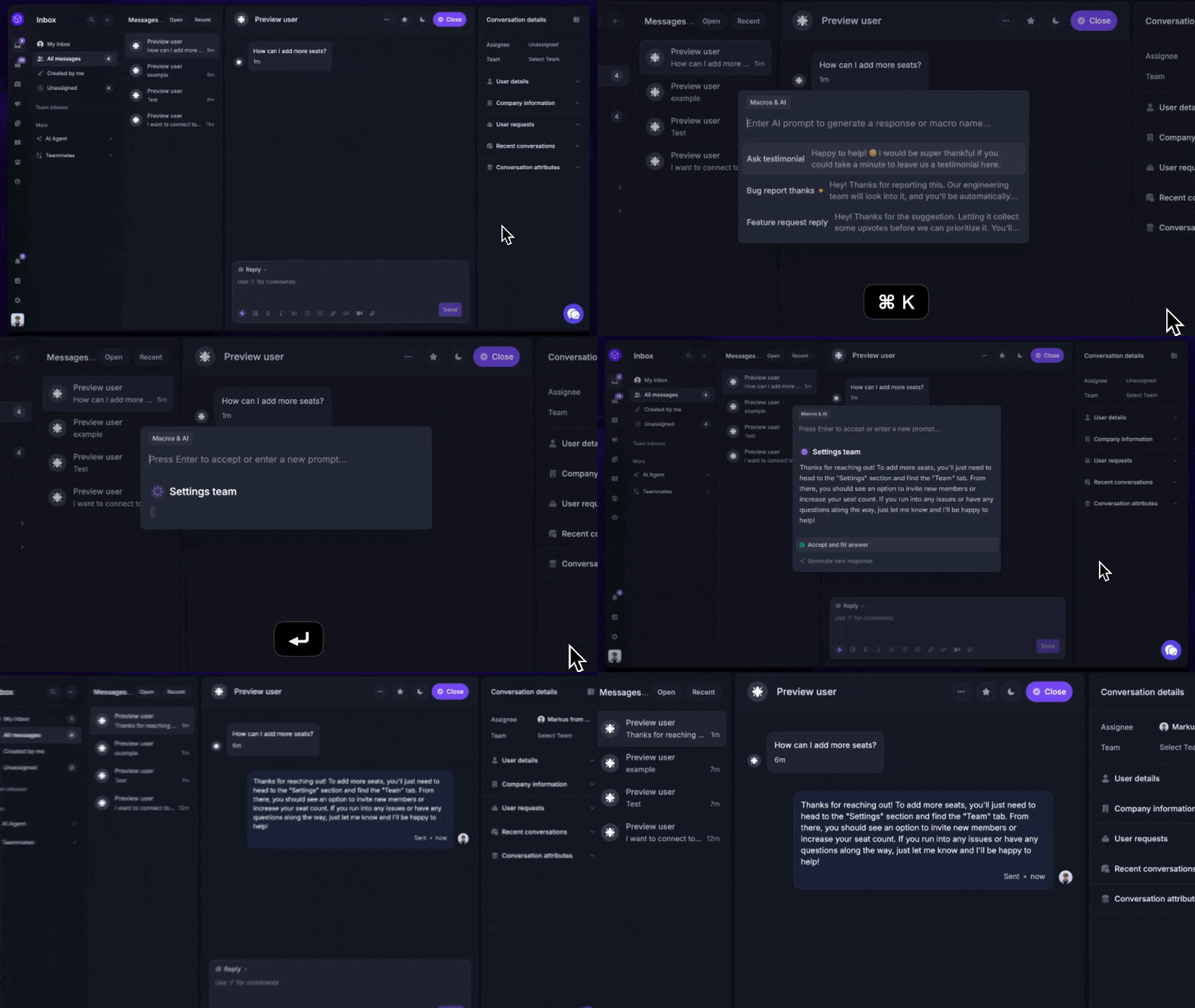
- AI-powered replies and agent assistance
- Built-in knowledge base with self-service and AI search
- Automation tools and automation rules for routing and workflows
- Feedback collection and roadmap tools
- Internal notes and collaboration features
- Integrations with Jira software, HubSpot, Slack, and more
- Customer context to help agents respond faster
- Tools to route tickets and organize support operations
Featurebase is on this list because it gives small business support teams a modern help desk platform that does more than basic ticketing. It helps teams manage support requests, improve customer satisfaction, and keep customer conversations connected to product feedback and customer interactions.
For small SaaS businesses, that combination is often more valuable than using separate desk software, feedback tools, and knowledge base products.
Best for: Small product-led SaaS teams that want support, self-service, and feedback in one platform.
Pricing: Paid plans start at $29 per seat/month plus $0.29 per AI resolution, and a free trial is available.
✨ Automate your support with the fastest AI-enhanced Inbox today →
2. Zoho Desk
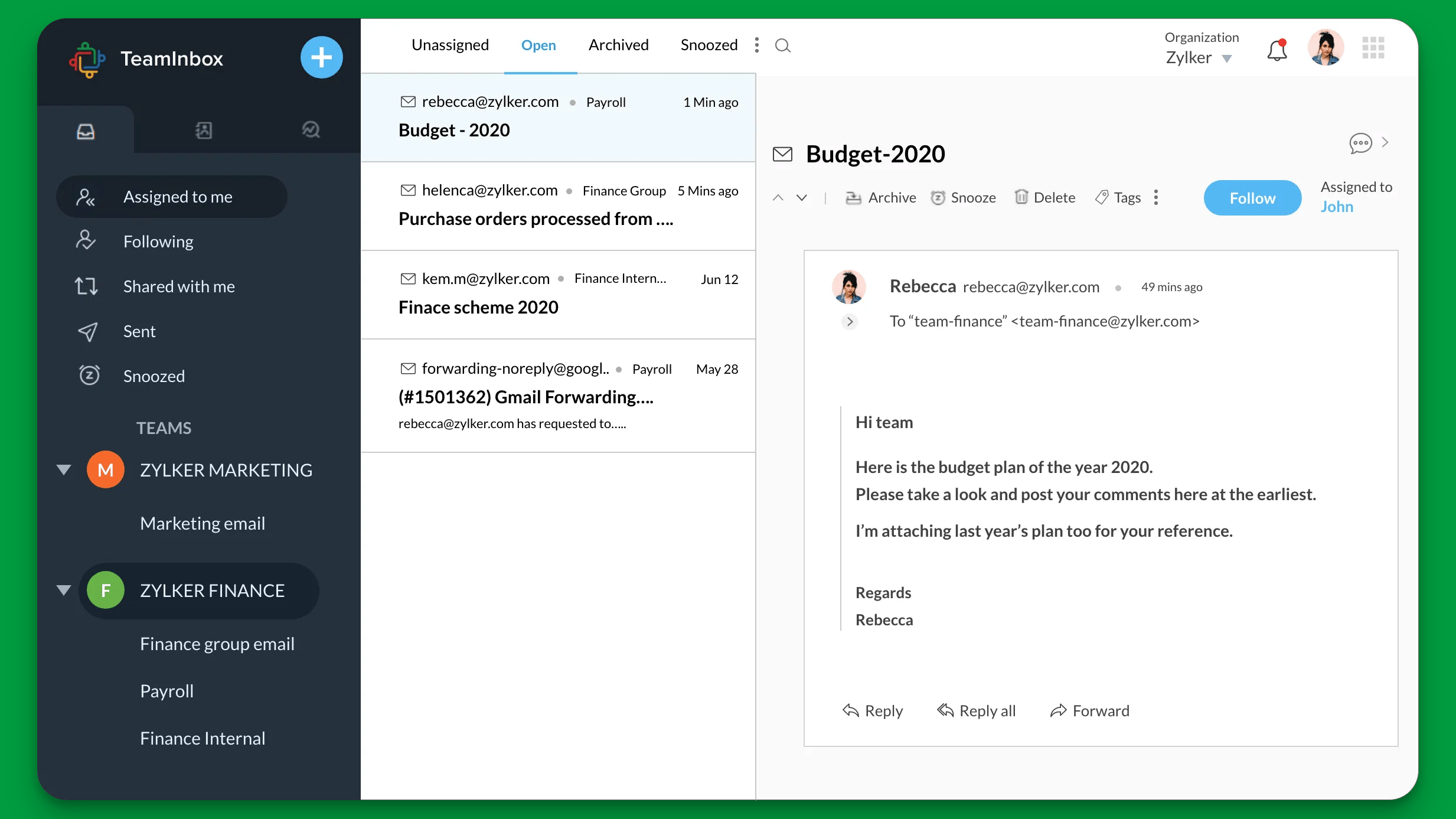
Zoho Desk is one of the strongest help desk software options for small business owners who want a well-rounded solution without paying enterprise-level pricing.
It is a cloud-based help desk platform with ticket management, self-service options, workflow features, and reporting. Zoho Desk is especially appealing to support teams seeking a practical balance between affordability and functionality.
Key features
- Multi-channel ticketing system
- Knowledge base and self-service portal
- Automation rules and workflow automations
- Customer data visibility
- Reporting and service quality tracking
- Integrations with other Zoho and third-party apps
Zoho Desk is on this list because it delivers strong value for small business service teams. It gives teams the tools to manage support requests, improve service delivery, and organize customer support without requiring the bigger budgets often associated with more advanced help desk platforms.
It may not feel as modern as some newer desk platforms, but it is still one of the best help desk software choices for small businesses that want a reliable, all-around desk software option.
Best for: Budget-conscious small businesses that want a full-featured cloud help desk.
Pricing: Zoho Desk has a free plan for up to 3 users, and paid plans start at $7/user/month billed annually, making it one of the more affordable help desk options for small businesses.
3. Help Scout
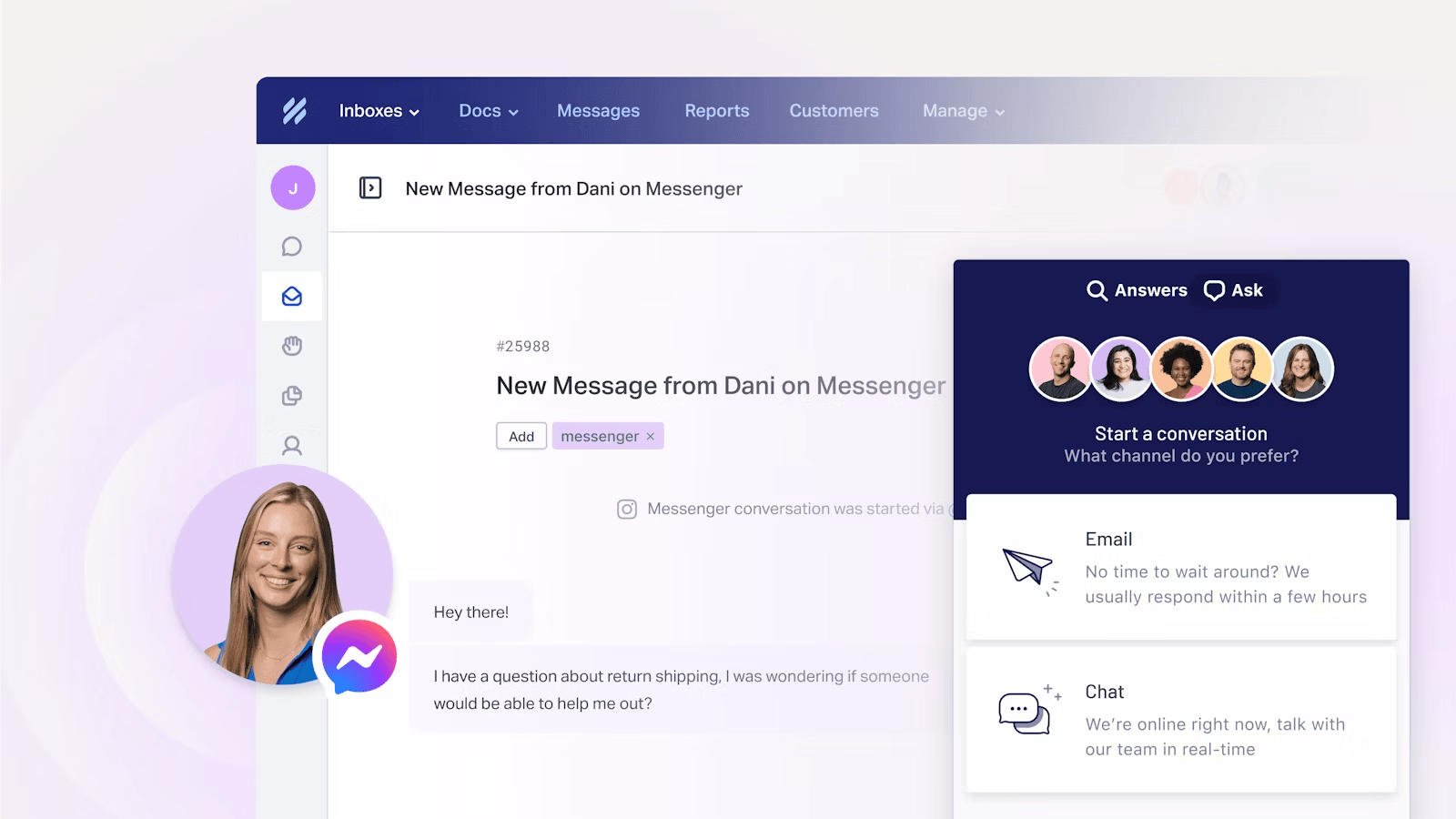
Help Scout is a help desk platform built for teams that want simple, human support instead of a heavy ticketing workflow.
It centers around a shared inbox experience, which makes it a great fit for small teams that mainly manage customer emails and customer conversations through email-based support.
Key features
- Shared inbox for support agents
- Knowledge base and self-service tools
- Internal notes and collaboration
- Reporting on customer support performance
- Customer context and conversation history
- Integrations with existing tools
Help Scout is on this list because it is one of the easiest help desk software options for small teams to adopt. It reduces manual effort, keeps customer interactions organized, and helps teams deliver high-quality customer service without creating the feel of a rigid enterprise help desk system.
It is not the best fit for complex support operations or very advanced service operations, but it is a strong choice for growing businesses that want simplicity.
Best for: Small support teams that want a clean, email-first support experience.
Pricing: Help Scout offers a free plan for up to 5 users, while paid plans start at $25/user/month, with higher tiers at $45 and $75/user/month as your support needs grow.
4. Cloudtalk
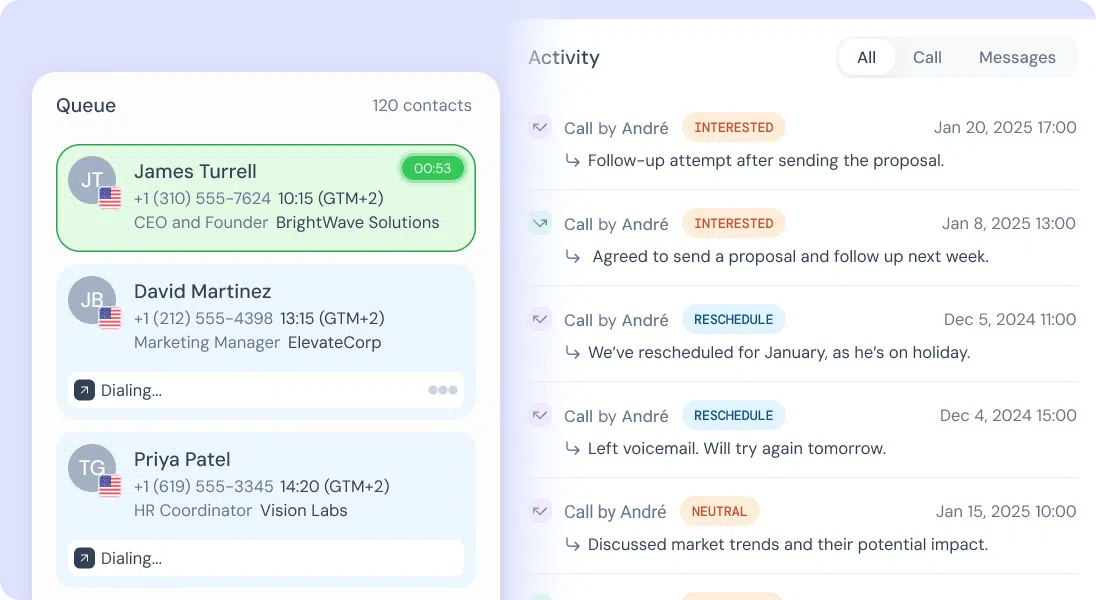
CloudTalk is an AI-powered business calling platform for small businesses where customer support still happens over the phone.
Most help desk tools on this list handle email, chat, and tickets well but leave phone support as an afterthought.
CloudTalk fills that gap with a full cloud phone system plus AI voice agents that answer inbound calls 24/7, resolve routine questions autonomously, and route complex issues to the right person. The voice agents can be deployed standalone as an AI phone answering service or alongside the complete phone system.
Key features
- AI voice agents for 24/7 inbound call answering and routing
- Call flow designer with IVR, business hours, and skill-based routing
- AI-powered call transcription, summaries, and sentiment analysis
- Local phone numbers in 160+ countries
- Native integrations with help desk and CRM tools like Zendesk, Intercom, HubSpot, and Salesforce
- Callback and voicemail features so no call goes unreturned
CloudTalk is on this list because phone calls remain the channel where small business customers expect immediate answers, and missed calls are missed revenue. It lets a small team offer around-the-clock phone coverage without overnight staffing, while every call is transcribed and logged into the help desk or CRM the team already uses.
It focuses on the voice channel rather than replacing a full ticketing system, so most teams pair it with one of the help desk platforms above.
Best for: Small businesses that handle a meaningful share of support by phone and need 24/7 call coverage without extra headcount.
Pricing: Plans start at $19/user/month, billed annually. AI voice agents are priced separately, starting at $350/month with 1,000 included minutes or $0.50 per minute pay-as-you-go.
5. Freshdesk
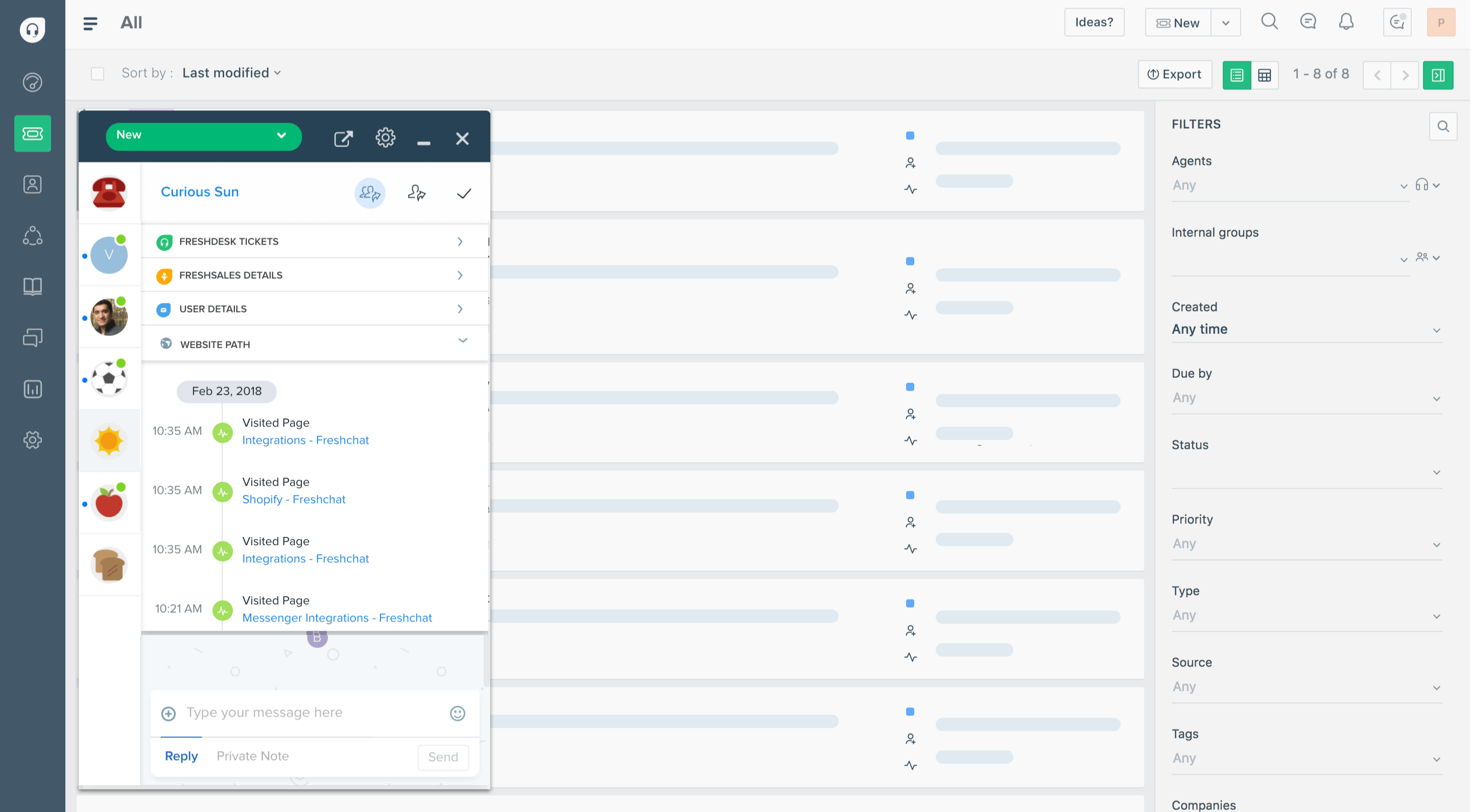
Freshdesk is a popular help desk software option for businesses that want a familiar SaaS platform with a broad set of support features.
It sits between simple desk tools and more advanced desk systems, which makes it a good fit for teams that expect their support volume and ticket volume to grow over time.
Key features
- Ticket creation and ticket management
- Knowledge base and self-service portal
- Automation tools for repetitive workflows
- Team collaboration for support agents
- Multi-channel support, including email and chat
- Reporting for support operations
Freshdesk is on this list because it gives small business support teams an accessible help desk solution with room to scale. It can handle customer inquiries, customer requests, and customer conversations well, while also offering more advanced features than lighter desk software options.
For many growing businesses, it is a solid middle-ground choice.
Best for: Growing support teams that want more automation and flexibility.
Pricing: Freshdesk offers a free plan for 1–2 agents for 6 months, with paid plans starting at $19/agent/month billed annually and increasing to $55 and $89/agent/month on higher tiers.
6. Desk365
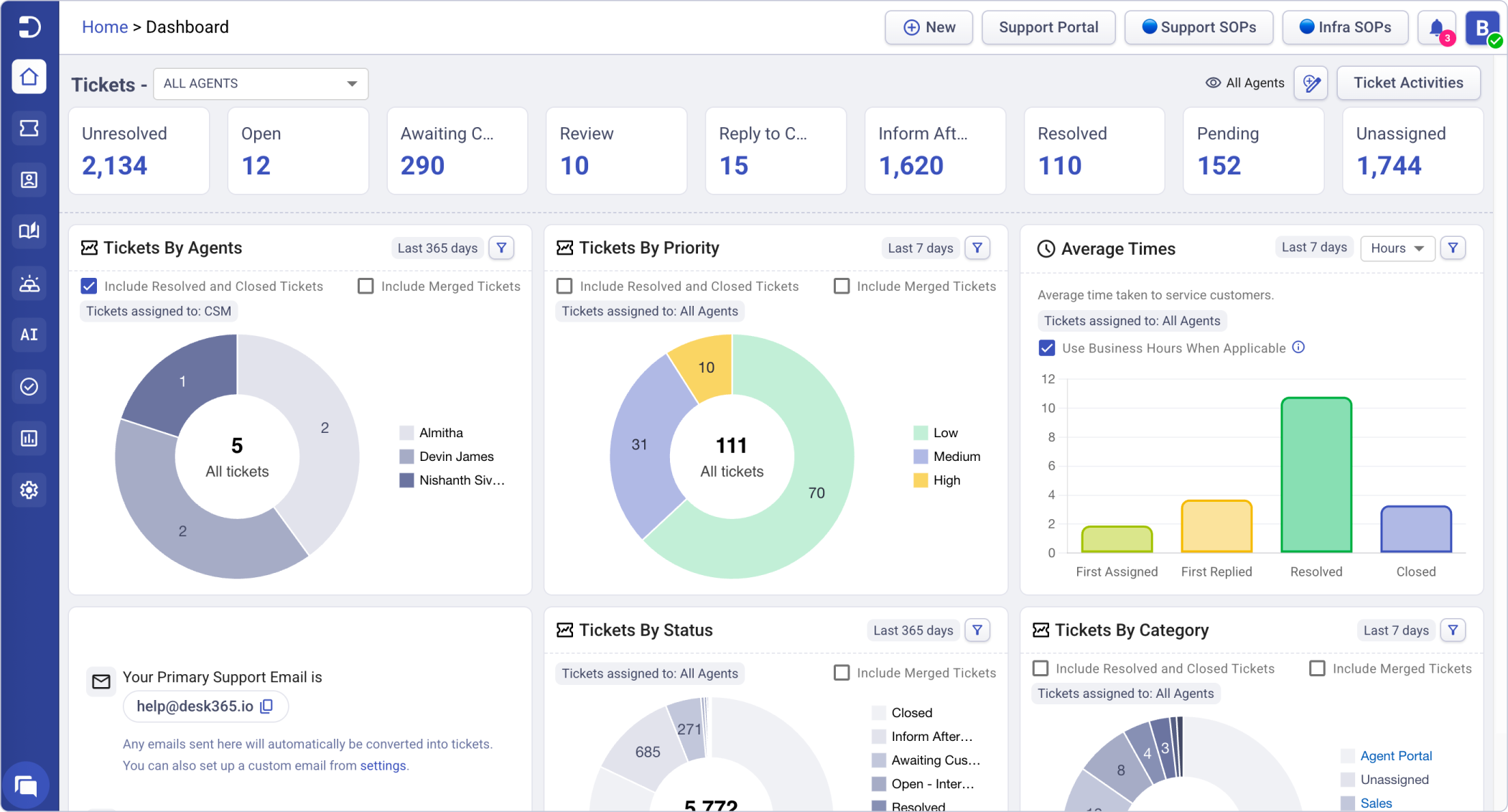
Desk365 is one of the strongest help desk software options for small business owners who want great value for money while also gaining advanced support features.
It is a cloud-based help desk platform with ticket management, Microsoft Teams integration, automation, Asset Management, SLA management, AI-powered support features, and a built-in knowledge base. Desk365 is especially appealing to teams that already use Microsoft Teams and want to manage customer support directly from their existing workspace.
Key features
- Omni-channel ticket management
- Microsoft Teams integration
- AI automation and response suggestions
- Asset Management
- Knowledge base and self-service support
- Automation rules and ticket routing
- SLA management and response targets
- Team collaboration tools
Desk365 is on this list because it delivers enterprise-style help desk features at a more affordable price. It gives support teams the tools to manage tickets, automate repetitive work, suggest helpful responses, and keep requests organized without requiring a large software budget.
It may not have the same brand recognition as some larger help desk platforms, but it is still one of the best help desk software choices for small businesses that want strong functionality, smooth collaboration, and excellent value for money.
Best for: Small businesses that want the best value for money in a feature-rich help desk platform.
Pricing: Desk365 offers affordable pricing at $12/per agent/month with features such as automation, SLAs, AI support, and Microsoft Teams integration, with advanced features like asset management available on the $32 per agent/month plan.
7. Zendesk
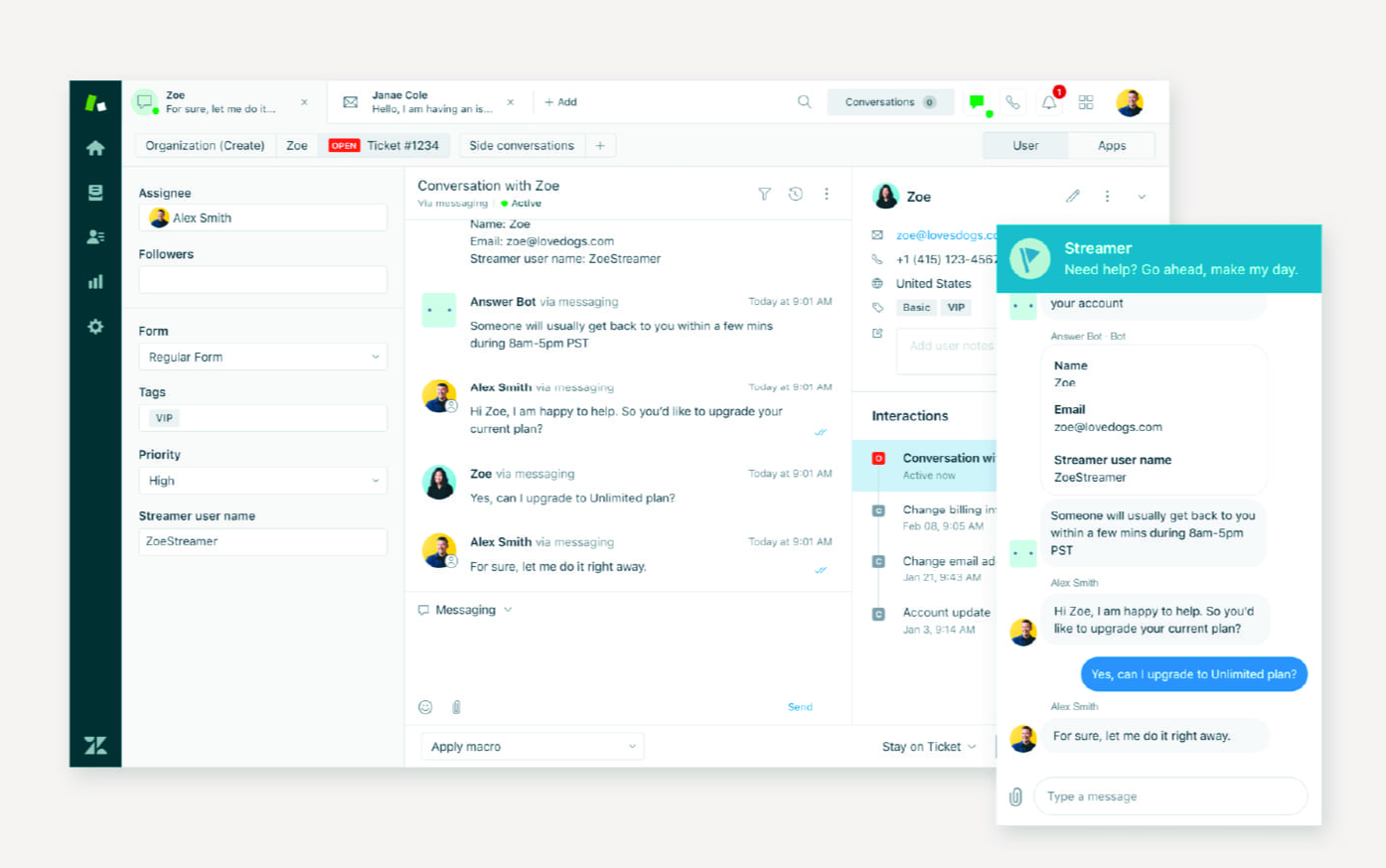
Zendesk is one of the most recognized help desk platforms on the market, and it deserves a place on any list of the best help desk software.
That said, it is not necessarily the best fit for every small business. Zendesk shines when teams need more advanced features, more structured workflows, and stronger support for complex support operations.
Key features
- Omnichannel customer support
- Advanced automation rules
- SLA management and routing
- Knowledge base and self-service options
- Strong reporting and analytics
- Tools to manage support requests at scale
Zendesk is on this list because it is a powerful help desk platform for teams that need more than basic ticketing. It works well for businesses with rising support volume, larger support teams, or more demanding customer service needs.
But compared with lighter help desk systems, Zendesk can be more expensive and more complex than many small business owners actually need.
Best for: Small businesses that want room to scale into a more advanced support setup.
Pricing: Zendesk offers a free trial, with plans starting at $19/agent/month billed annually, though most small businesses will likely look at the $55/agent/month Suite Team plan for broader multichannel support.
8. Intercom
Intercom is a customer service platform built around chat, messaging, and modern customer interactions. It is a strong choice for companies that handle a lot of real-time customer conversations and want more than a traditional ticketing system.
Key features
- Live chat and messaging
- Shared inbox for customer support
- AI-powered bots and automation tools
- Knowledge base for self-service
- Customer context and customer records
- Integrations with other business systems
Intercom is on this list because it gives support teams a modern way to manage customer support with a stronger focus on conversational workflows. It is especially useful for SaaS teams that want fast support and better visibility into customer data.
It can get expensive, which is why it is not higher on this list for small businesses, but it remains a strong desk software option for chat-led teams.
Best for: Small businesses that prioritize chat-first external customer support.
Pricing: Intercom offers a 14-day free trial, with Essential starting at $19/seat/month billed annually ($29 billed monthly). Advanced costs $85/seat/month and Expert costs $132/seat/month, billed annually. Its AI agent is priced separately at $0.99 per Fin outcome, so the total cost can rise with usage.
9. HappyFox
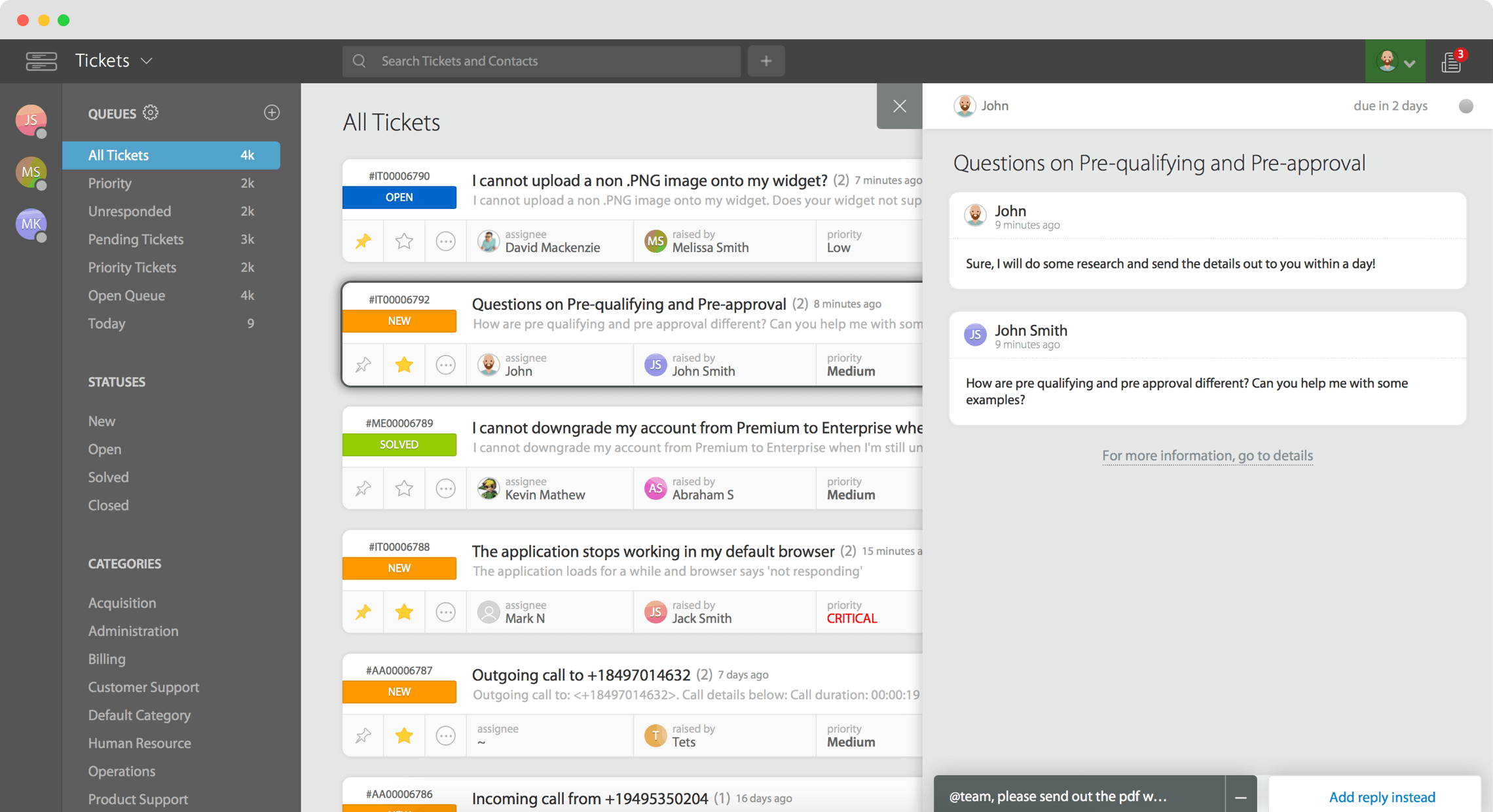
HappyFox is a structured help desk solution for teams that want more organized service operations and support operations. It offers a more traditional help desk platform experience, with strong ticket workflows and useful administrative controls.
Key features
- Ticket management and categorization
- Automation rules and workflow tools
- Knowledge base and self-service portal
- SLA support
- Reporting for service quality
- Integrations with third-party apps
HappyFox is on this list because it works well for support teams that want a more process-driven help desk system. It is especially useful when teams need to route tickets carefully, maintain service quality, and standardize service delivery.
For small businesses that prefer structured desk software over looser shared inbox tools, it is a credible option.
Best for: Teams that want structured ticketing and organized workflows.
Pricing: HappyFox starts at $21/agent/month, with Team at $39/agent/month and Pro at $89/agent/month. Enterprise pricing is custom, and the Basic plan supports up to 5 agents.
10. LiveAgent
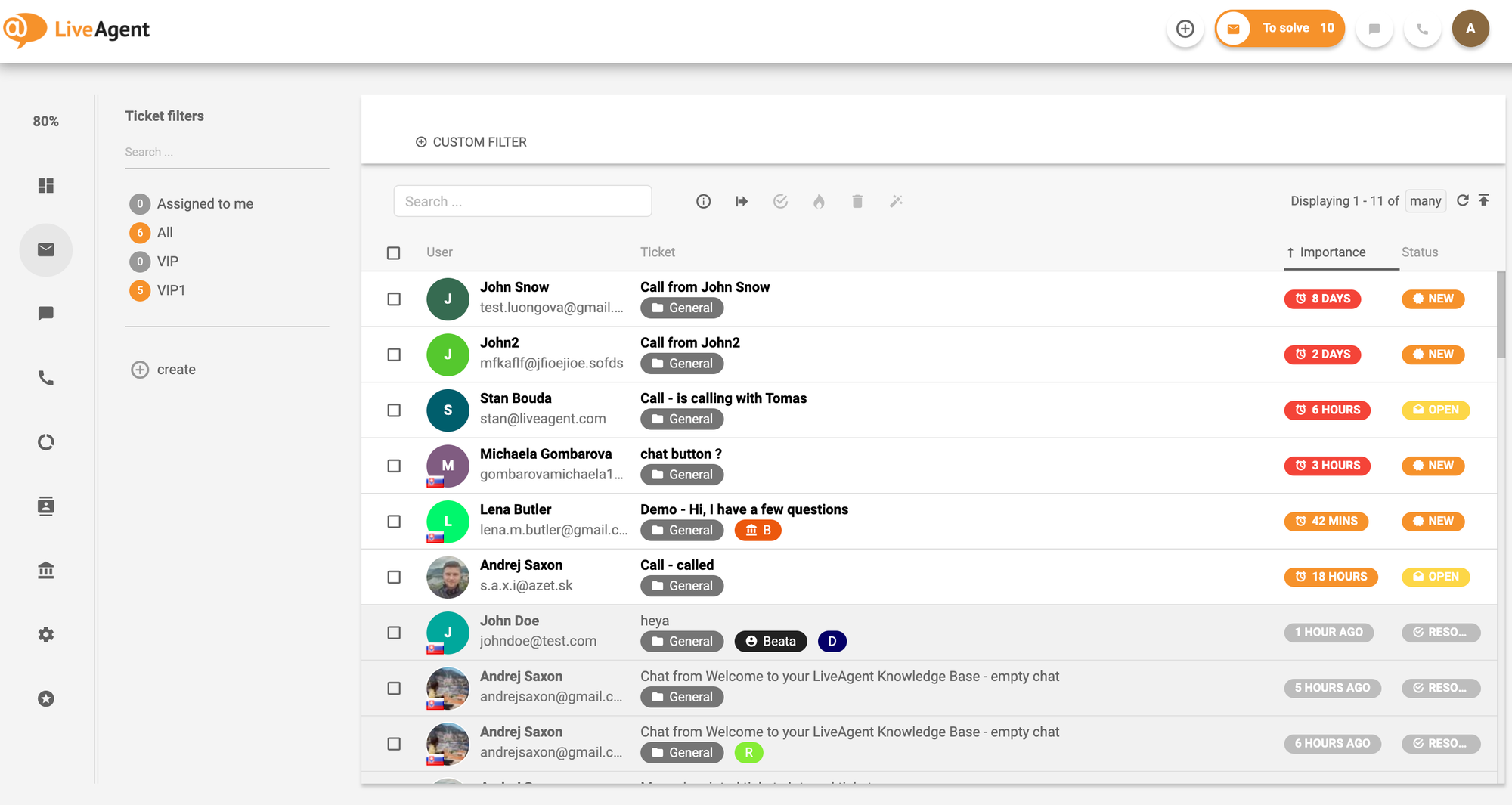
LiveAgent is a multichannel help desk platform that combines email, chat, and phone calls in one place. That makes it a good fit for small-business support teams that need broader communication coverage without moving to a more expensive enterprise desk platform.
Key features
- Ticketing system and ticket management
- Live chat and phone calls
- Shared inbox
- Knowledge base and self-service options
- Automation tools
- Customer support reporting
LiveAgent is on this list because it gives small teams a wide set of support tools at a more accessible price point. It can help teams manage support requests across channels, improve customer satisfaction, and keep customer conversations organized as support volume grows.
Best for: Budget-conscious small teams that want multichannel support.
Pricing: LiveAgent offers a 30-day free trial, with plans starting at $15/agent/month billed annually and scaling to $29, $49, and $69/agent/month on higher tiers.
11. osTicket
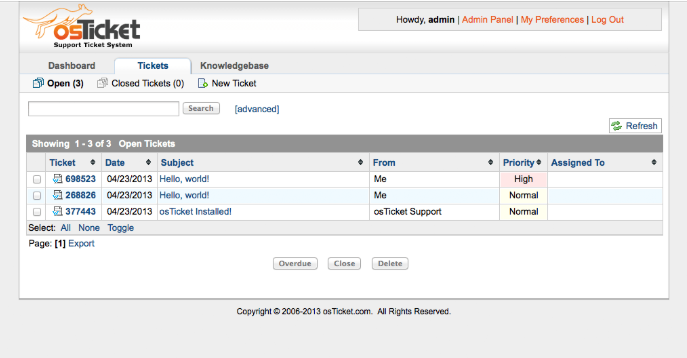
osTicket is one of the best-known open-source help desk software products available. It is built for teams that want full control over hosting, configuration, and their overall desk solution. That makes it especially useful for technical teams with the technical expertise to manage a self-hosted system.
Key features
- Open-source ticketing system
- Web forms for ticket creation
- Custom fields and routing workflows
- Basic knowledge base support
- Self-hosted deployment
- Flexible help desk system configuration
osTicket is on this list because it remains one of the most practical self-hosted desk systems for small businesses. It gives teams a dependable way to manage support requests and service requests without paying for a SaaS platform.
It does require more technical expertise than cloud desk software, so it is not the right help desk software for every team.
Best for: Technical teams seeking a mature, self-hosted help desk system.
Pricing: Free if self-hosted, with costs mainly tied to hosting and maintenance.
12. HESK
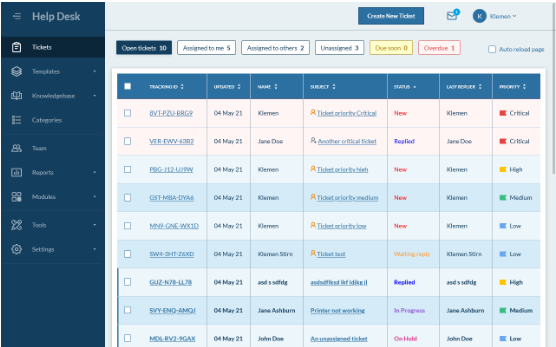
HESK is a lightweight help desk solution for businesses that want simple, basic ticketing without a bloated setup.
It is a smaller desk software option, but it still covers the core needs that many small business support teams care about.
Key features
- Basic ticket management
- Web forms for customer inquiries
- Knowledge base support
- Self-service portal
- Lightweight self-hosted setup
- Low-cost deployment
HESK is on this list because it gives small teams a simple help desk platform that focuses on the essentials. It is especially useful for businesses that want to manage support requests, reduce manual effort, and avoid paying for advanced features they may not use.
Compared with larger help desk platforms, it is more limited, but that simplicity can be a strength for the right small business.
Best for: Small teams that want simple, low-cost, or self-hosted help desk software.
Pricing: HESK offers a self-hosted license for a one-time fee starting at $49.99, with a higher-tier license at $199.99. Cloud pricing is available separately.
13. Hiver
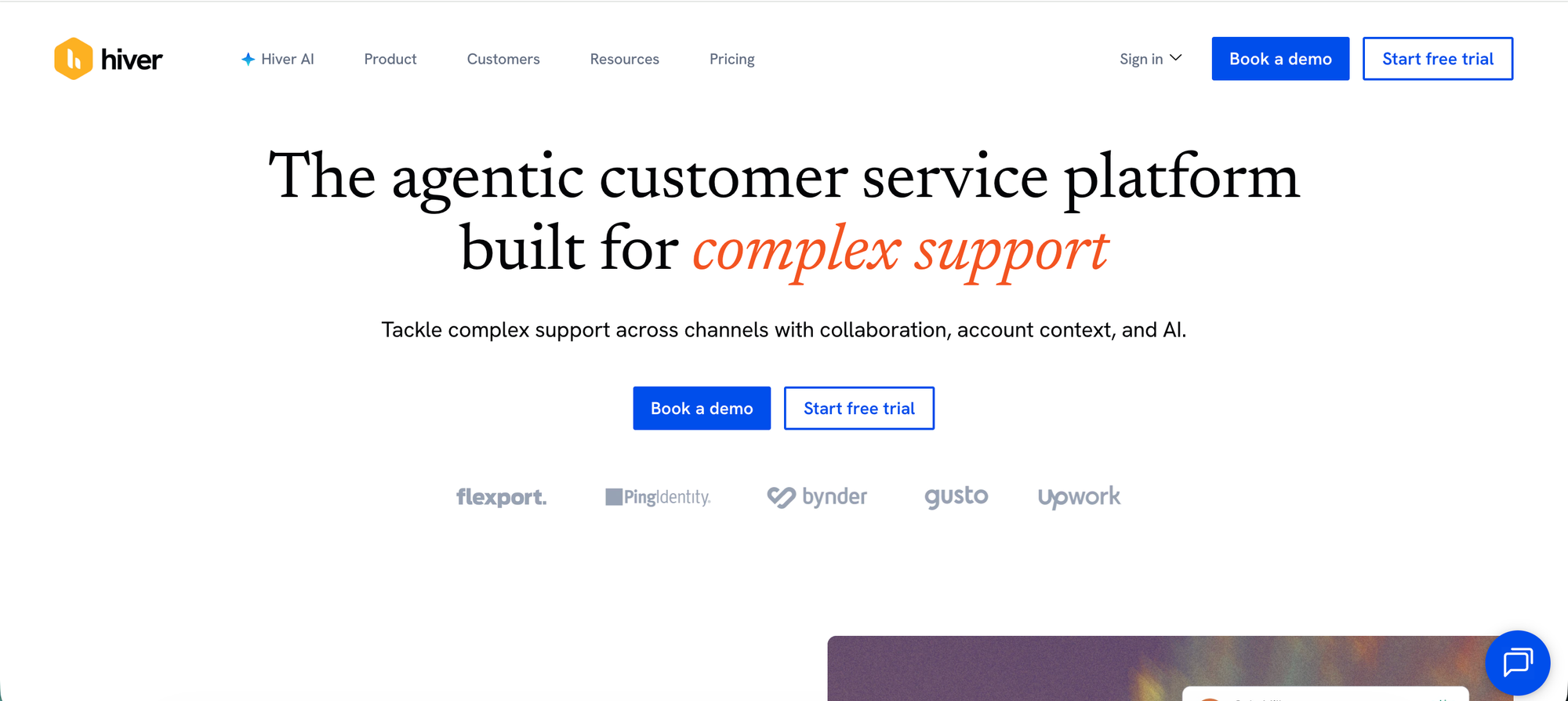
Hiver is a help desk and shared inbox platform built for small businesses that need a simple way to manage customer conversations from one organized workspace.
It helps teams handle shared support, sales, billing, and operations emails without relying on scattered inboxes, messy shared logins, or unclear ownership. With Hiver, teams can assign conversations, track who owns each request, add internal notes, avoid duplicate replies, automate workflows, and monitor support performance.
For small businesses, Hiver works well because it keeps customer support structured without making the system feel too heavy. Teams can start with shared inboxes, ticketing, live chat, and knowledge base features, then scale into AI assistance, workflow automation, SLA tracking, CSAT surveys, voice support, customer portal, and advanced reporting as their support needs grow.
Key features
- Shared inboxes for team-based customer conversations
- Ticketing and support channels
- Email, live chat, and knowledge base
- Conversation assignment and ownership tracking
- Internal notes and team collaboration
- Collision alerts to avoid duplicate replies
- Workflow automation and automatic assignment
- AI Compose, AI Summarizer, AI Agents, and AI Copilot on paid plans
- Analytics, SLA tracking, CSAT surveys, and reporting on advanced plans
Hiver is on this list because it gives small businesses a practical way to bring structure to customer support without jumping into a complex enterprise help desk. It is especially useful for teams that need clear ownership, faster collaboration, fewer missed replies, and better visibility into support performance.
Best for: Small businesses that want a shared inbox-based help desk with ticketing, collaboration, automation, AI assistance, and room to scale.
Pricing: Hiver has a free plan available. Paid plans start at $25/user/month, with higher tiers at $55/user/month and $85/user/month for advanced AI, automation, reporting, SLA, CSAT, voice, customer portal, and compliance features.
How to choose the right help desk software for your small business
The best choice depends on your budget, workflow, and the level of complexity your team actually needs.
- Choose Featurebase if you want modern SaaS support with AI, a knowledge base, and feedback in one platform.
- Choose Zoho Desk if affordability matters most.
- Choose Help Scout if you want a simple, email-first shared inbox.
- Choose Zendesk if you need advanced workflows and more complex routing.
- Choose Jira Service Management for internal requests and technical workflows.
- Choose osTicket or HESK if you want a self-hosted option.
- Choose Hiver if you want a shared inbox-based help desk with collaboration, automation, and AI-assisted support.
If your main need is specifically tracking and resolving tickets, see our companion guide to the best help desk ticketing system for small business.

Resolve 70% of customer requests with AI
Automatically resolve customer issues & cut down support loads for your team
Conclusion
The best help desk software for a small business depends on your budget, workflow, and the level of complexity your team actually needs. But if you want a modern platform that helps you manage customer support, improve self-service, and stay organized as you grow, the right choice is one that does more than basic ticketing.
Featurebase (👋 that's us) is a modern AI-powered help desk built for growing SaaS teams. It combines an omnichannel support inbox, knowledge base, AI agent, workflows, and customer feedback tools in one platform, so you can support customers faster without juggling multiple desk tools. It’s already loved by thousands of teams, including companies like Raycast, Lovable, and n8n.
It has affordable pricing, a Free plan, and quick onboarding, so there’s no real downside to trying it. 👇
✨ Automate your support with the fastest AI-enhanced Inbox today →