Blog Customer ServiceWhat Is a Customer Experience Manager?
What Is a Customer Experience Manager?
A customer experience manager owns the entire customer journey. Here's what the role really involves, the skills it takes, and what it pays.


Most companies think they're delivering a great experience. Their customers disagree. In PwC's 2025 Customer Experience Survey, 52% of consumers said they stopped buying from a brand because of a bad experience with its products or services.
That gap is exactly what a customer experience manager exists to close. They own the whole journey, spot where it breaks, and fix it before customers walk.
Here's what the role actually involves, the skills you need, how to break in, and what it pays. 👇
Key takeaways:
- A customer experience manager owns the end-to-end customer journey and works to improve every touchpoint, not just support interactions.
- The role is broader than customer service, customer success, or UX, though it overlaps with all 3.
- Core skills lean on leadership, communication, data analysis, and empathy more than any single technical tool.
- Most CX managers come up through customer service, success, or support roles before stepping into the job.
- The average US customer experience manager earns roughly $108,000 a year, with pay varying widely by industry and location.
- Featurebase✨ gives CX managers one platform to collect feedback, run surveys, and handle support, so measuring and improving experience happens in one place.
What is a customer experience manager?
A customer experience (CX) manager is responsible for how customers feel across every interaction they have with a company. They own the customer journey end to end, from the first ad a prospect sees to the support ticket they file two years later.
Their job is to find the moments that frustrate customers, understand why, and coordinate the fix, whether that means changing a checkout flow, rewriting a help article, or retraining the support team. They're less about handling individual conversations and more about the strategy that shapes all of them.
The role matters because experience is now a real revenue lever. When more than half of consumers will abandon a brand over one bad experience, someone needs to own the experience itself, and that someone is the CX manager.
CX manager vs. customer service, customer success, and UX
These roles get lumped together constantly, but they aren't the same job:
- Customer service manager: owns the support function, the team that answers tickets, chats, and calls. Their scope is reactive help when something goes wrong.
- Customer success manager: drives outcomes for specific accounts, usually in B2B. They make sure named customers hit their goals and renew.
- UX designer: focuses on a single product or interface, optimizing how it feels to use one thing (a signup flow, an app screen).
- Customer experience manager: sits above all of these. They care about the entire relationship across every channel and touchpoint, not one team or one product surface.
The simplest way to think about it: customer service and UX each own a slice of the journey, while the CX manager owns the whole map.
What does a customer experience manager do?
Day to day, a CX manager splits their time between listening to customers, digging into data, and pushing changes across teams. The specific tasks vary by company, but the core responsibilities are consistent:
- Map and improve the journey: document every touchpoint a customer hits and identify where the experience drops off or frustrates people.
- Run voice-of-the-customer programs: collect feedback through surveys, interviews, and reviews so decisions rest on what customers actually say, not guesses. (Our guide to voice-of-the-customer tools breaks down how teams set this up.)
- Track the right metrics: monitor satisfaction, retention, and effort scores to measure whether the experience is getting better. Knowing which customer service metrics to watch is half the battle.
- Work across teams: partner with product, marketing, sales, and support to turn insight into action, since no single team owns the full journey.
- Report to leadership: translate experience data into business impact so executives keep investing in CX.
The through-line is ownership. When the experience slips, the CX manager is the person accountable for noticing and driving the fix.
Customer experience manager skills
You don't need a rare technical background to do this job well. The strongest CX managers blend soft skills with a comfort for data. The core ones:
- Leadership: you'll guide teams and rally other departments around changes they don't report to you for.
- Communication: you're constantly aligning support, product, and marketing, so clear communication is non-negotiable.
- Data analysis: reading satisfaction scores, churn trends, and feedback patterns to find what's actually broken.
- Empathy: understanding how customers feel, not just what they do, is the heart of the role.
- Problem-solving: diagnosing root causes and deciding what to fix first when everything feels urgent.
- Product knowledge: knowing the product deeply enough to predict where experience issues will show up.
- Adaptability: customer expectations shift fast, and your strategy has to shift with them.
- Customer service grounding: hands-on support experience so you understand the frontline you're trying to improve. If you're building this base, our list of essential customer service skills is a good starting point.
How to become a customer experience manager
There's no single path into the role, but most CX managers follow a similar arc. A few steps tend to matter most:
- Get frontline experience: time in customer service, success, or support teaches you what customers actually deal with, and it's the most common launchpad into CX.
- Build management experience: since it's a leadership role, show you can guide a team, mentor peers, or run projects before you apply.
- Consider a relevant degree: a bachelor's in business, marketing, or a related field helps but isn't mandatory. Practical experience often counts for more.
- Add certifications: credentials like the Certified Customer Experience Professional (CCXP) sharpen your skills and signal commitment without a full degree.
The fastest route is usually to excel in a customer-facing role, take on leadership wherever you can, and build a track record of improving how customers feel.
Customer experience manager salary and outlook
Customer experience management pays well, and demand is steady. According to Glassdoor, the average US customer experience manager earns around $108,000 per year as of mid-2026, with most falling between roughly $81,000 and $147,000.
Pay swings based on a few factors:
- Industry: management consulting, manufacturing, and telecommunications tend to pay the most.
- Location: major metros and high-cost regions push salaries higher.
- Experience: senior CX managers moving toward director or VP roles command the top of the range.
The outlook is healthy too. As companies keep treating experience as a competitive edge, the roles that own it keep growing.
The tools a customer experience manager needs
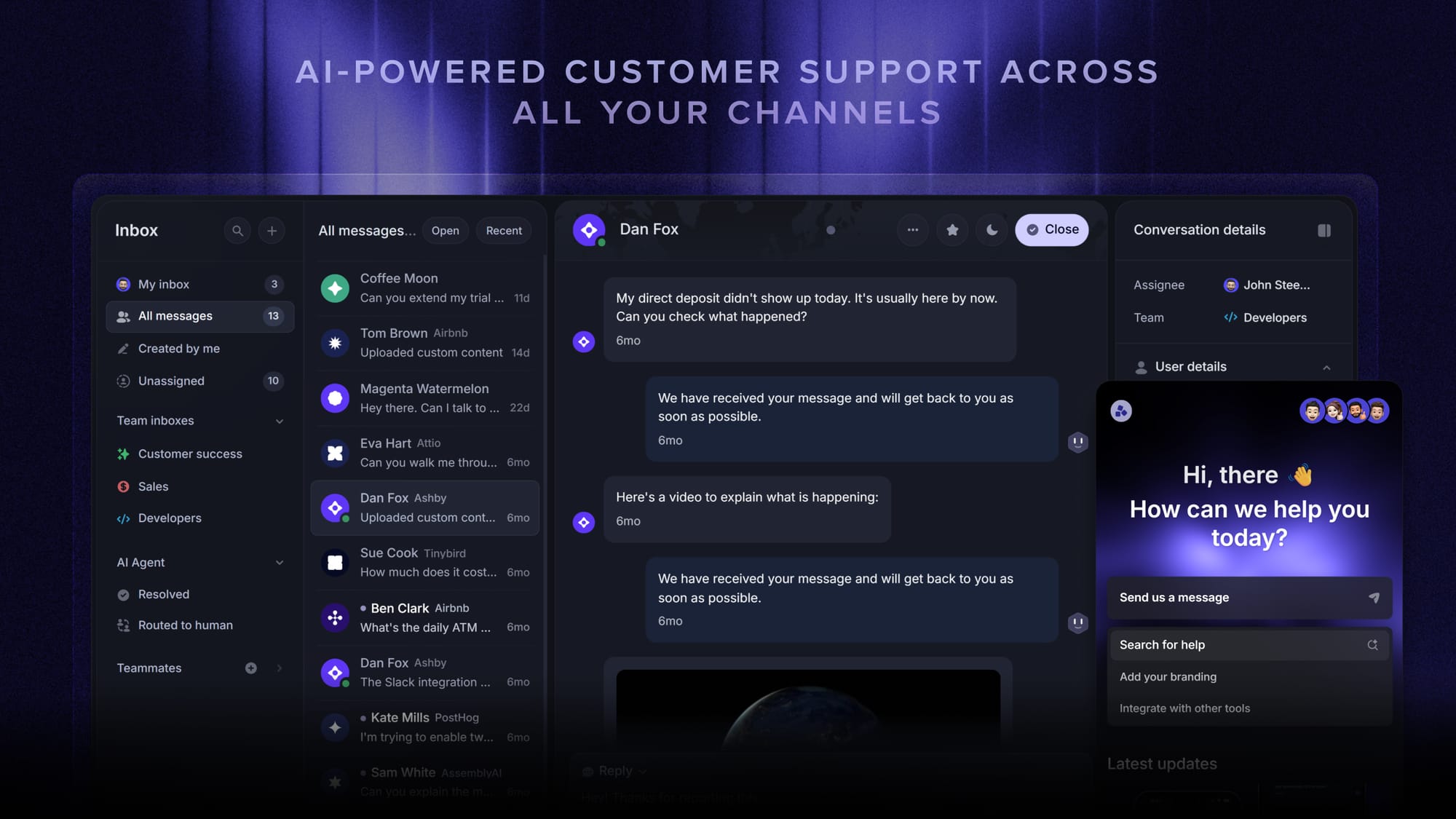
A CX manager is only as good as their visibility into the customer. That's why most rely on a stack that covers a few jobs:
- Feedback and voice-of-customer tools to collect what customers think at scale.
- Survey tools for structured measurement like NPS and CSAT. (If you're deciding between them, here's how NPS and CSAT compare.)
- Support and helpdesk software to see where conversations break down.
- Analytics to tie it all back to retention and revenue.
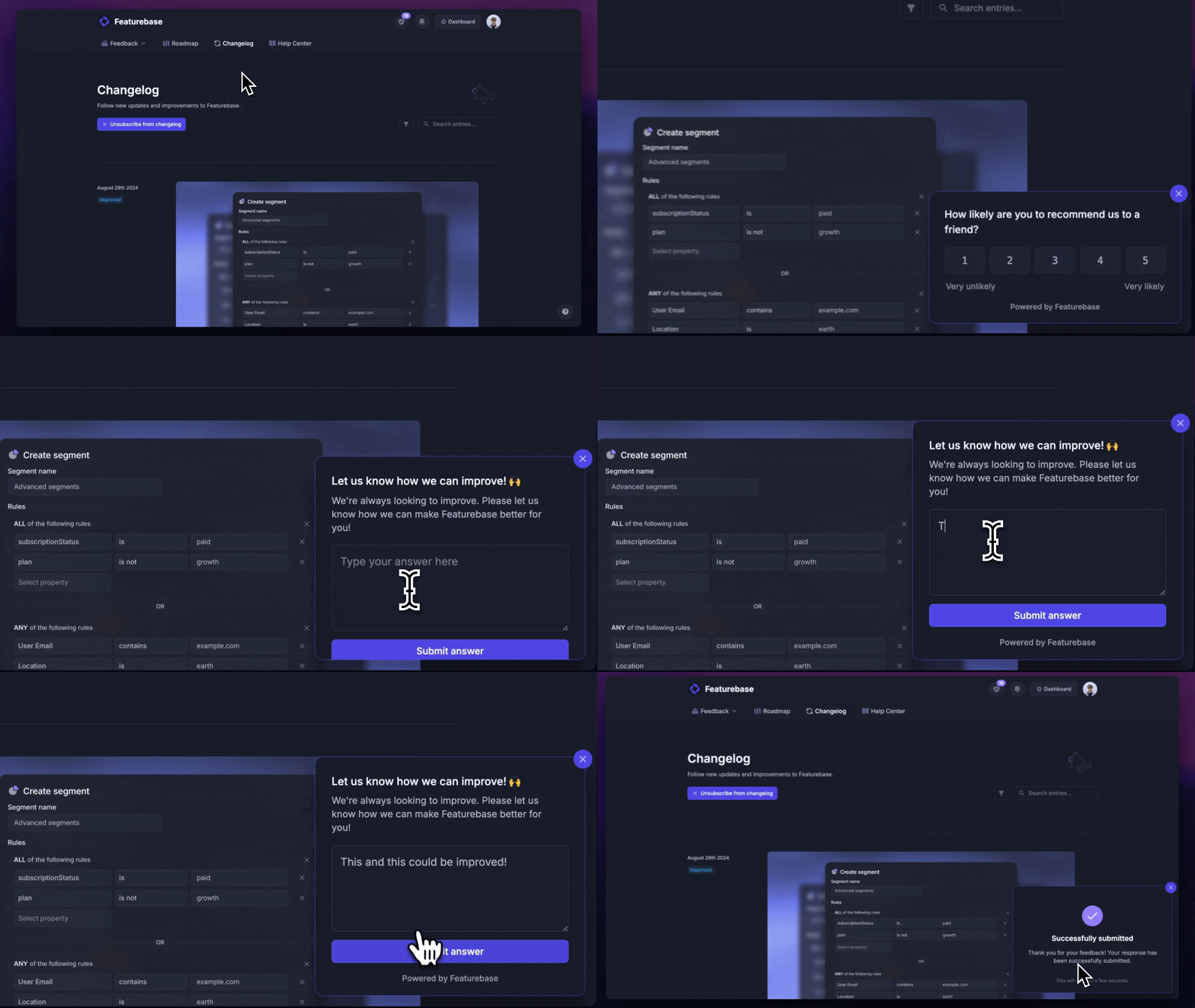
The catch is that stitching 4 separate tools together makes it hard to see the full picture. This is where an all-in-one platform helps. With Featurebase, you can collect feedback, run NPS and CSAT surveys, and handle support conversations in one place, so the signals that tell you how customers feel don't live in 4 disconnected apps.

Give CX managers the tools to act faster
Collect feedback, manage support requests, and automate customer conversations from one place.
Conclusion
A customer experience manager is the person who owns how customers feel about a company, from first impression to long-term loyalty. It's a role built on listening, data, and the ability to move other teams, and it's only getting more valuable as experience becomes the thing customers choose brands on.
Featurebase is a modern, AI-powered customer support platform that brings feedback collection, surveys, a help center, and support into one place, so CX managers can measure and improve the whole experience without juggling a stack of disconnected tools.
It comes with a Free plan, and onboarding takes minutes, so there's no downside to trying it. 👇
✨ Automate your support with the fastest AI-enhanced Inbox today →
FAQs
What's the difference between a customer experience manager and a customer service manager?
A customer service manager owns the support team and the reactive interactions that happen when customers reach out for help. A customer experience manager owns the entire journey, including support but also marketing, onboarding, product, and everything in between. The two collaborate closely, but the CX role is broader and more strategic.
What's the difference between a customer experience manager and a customer success manager?
Customer success managers focus on specific accounts, usually in B2B, making sure those customers hit their goals and renew. A customer experience manager works across all customers and every touchpoint, not a named book of business. You can read more on how these customer success roles fit together across a team.
What's the difference between CX and UX?
Customer experience (CX) covers the full end-to-end relationship a person has with a company across every channel. User experience (UX) is narrower, focused on how it feels to use a single product or interface, like navigating an app or completing a purchase. UX is one important piece of the larger CX picture.
Who does a customer experience manager report to?
It depends on the company, but CX managers typically report to a head of customer experience, a chief customer officer, or a director of customer support. In smaller organizations they may report directly to a VP of operations or the founder.
Do you need a degree to become a customer experience manager?
Not necessarily. A bachelor's degree in business or marketing helps, but many companies weigh hands-on experience and a track record of improving customer outcomes more heavily. Certifications and frontline experience can often substitute for a specific degree.
What software do customer experience managers use?
CX managers usually combine feedback and survey tools, support software, and analytics to see the full journey. Platforms like Featurebase bring feedback collection, NPS and CSAT surveys, and support into a single tool, which cuts down on switching between disconnected apps to understand how customers feel.