Blog ComparisonsTidio vs Intercom (Fin): Which is the Better Tool for Customer Support?
Tidio vs Intercom (Fin): Which is the Better Tool for Customer Support?
Choosing between Tidio and Intercom (now Fin)? We compare features, AI agents, and 2026 pricing to help you pick the right customer support tool.


✨ Looking for a modern & affordable alternative to Tidio and Intercom? Check out Featurebase →
No matter how big or small your business is, customer satisfaction should be of utmost importance. With the right tools by your side, you can automate many of the processes, but a new problem pops up: which tool to choose?
On the one hand, Tidio has a user-friendly interface with a great live chat feature. On the other, there is Intercom with a wealth of features and channels it covers. (Heads up: Intercom recently rebranded its company to Fin - we explain exactly what changed just below.)
So, how do Tidio and Intercom compare against each other? Let's look at their key features, pricing, and more to help you find the best tool for providing an exceptional customer experience. 👇
Quick overview
| Tidio | Intercom (now Fin) | |
|---|---|---|
| Best for | Small-to-mid businesses (especially e-commerce) | Tech-led companies and support teams of all sizes |
| Pricing start | Free plan available, Starter from $29/month | Essential plan $19/seat/mo (annual) |
| AI agent | Lyro AI (billed separately per conversation) | Fin AI (outcome-based, from $0.99 per outcome) |
| Channels | Chat + Email + Messenger + Instagram + WhatsApp (one inbox) | Chat, Email, SMS, Phone, Instagram, Facebook, WhatsApp (omnichannel) |
| Help center | No built-in knowledge base (focus on chat) | Public + private customizable help center |
| Integrations | 120+ apps (Shopify, WooCommerce, WordPress, Zapier, etc.) | 450+ apps (Slack, Salesforce, HubSpot, etc.) |
In short, Intercom can quickly become very pricey, while Tidio can lack the necessary features for scalability.
If you're after a more affordable alternative, check out Featurebase. We're a modern alternative to Intercom and Tidio - but we'll stay unbiased in this comparison, promise.
Intercom is now Fin (and Salesforce is acquiring it)
Before we get into features, there's a big change worth knowing about. In May 2026, Intercom renamed its company to Fin - the same name as its AI agent. The company and the AI agent are now both called Fin, while the customer support software you actually log into is still called Intercom (the team also shipped a rebuilt version, Intercom 2).
Then in June 2026, Salesforce signed a definitive agreement to acquire Fin, formerly Intercom, for roughly $3.6 billion (as of June 2026). The deal is expected to close in Salesforce's fiscal Q4 2027, pending regulatory clearance, so day-to-day the product still runs as Intercom for now.
Here's why it matters for this comparison:
- The naming is genuinely confusing: "Fin" refers to the company and the AI agent, while "Intercom" still refers to the support platform. When we say Intercom below, we mean the support software.
- AI is now the center of gravity: Fin's AI agent resolves an average of 76% of support volume end-to-end using its own support-tuned model, and the company reoriented its entire brand around it.
- Pricing follows outcomes: Fin moved to outcome-based pricing (more on this in the pricing section), which changes the cost math versus Tidio's per-conversation model.
Tidio vs Intercom: feature comparison
Beyond live chat agents, both platforms have a rich feature set for small and larger businesses. These are the most important features to be aware of:
1. Live chat
Both platforms offer branded website chat widgets, but with different flavors.
Tidio’s chat is simple and lightweight. It supports live typing previews and canned responses to speed replies. Agents can add attachments and notes to chats, run pre-chat surveys, and see who’s online via a real-time visitor list.
The interface is clean and fast - as one user put it on G2, “Tidio has made it incredibly easy to manage live chat… The interface is clean and intuitive.” Tidio also has multi-language support and can automatically assign or transfer chats.
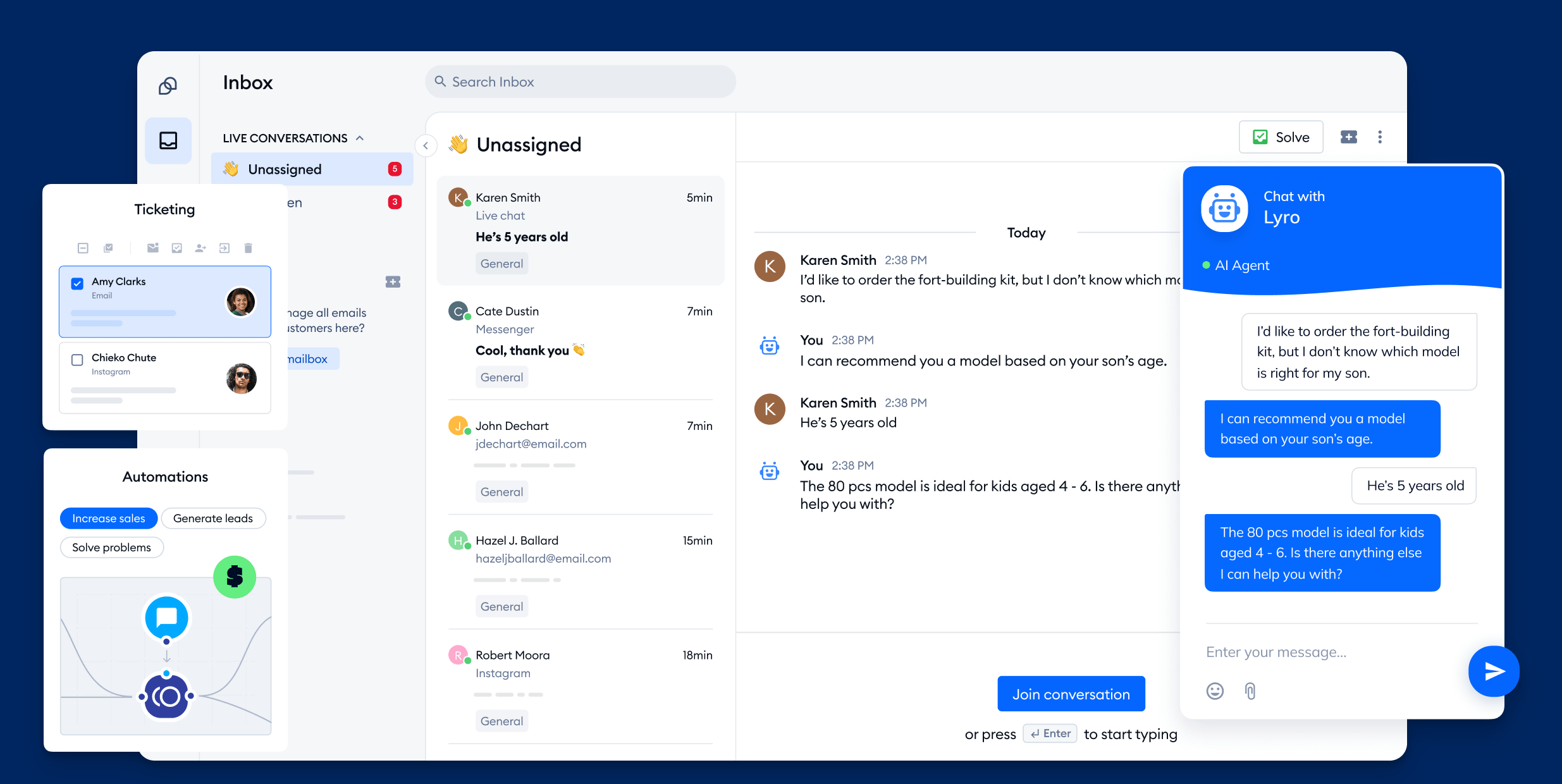
Intercom's chat (the Messenger) is richer, with every modern customer service feature built in. It offers full customization (themes and branding) and supports over 45 languages. Unlike Tidio, Intercom's chat can embed self-service "mini apps," such as knowledge articles or FAQs, directly in the chat window.
It also extends beyond web chat - Intercom's Messenger works in mobile apps, and supports polls, bots, and more out of the box.
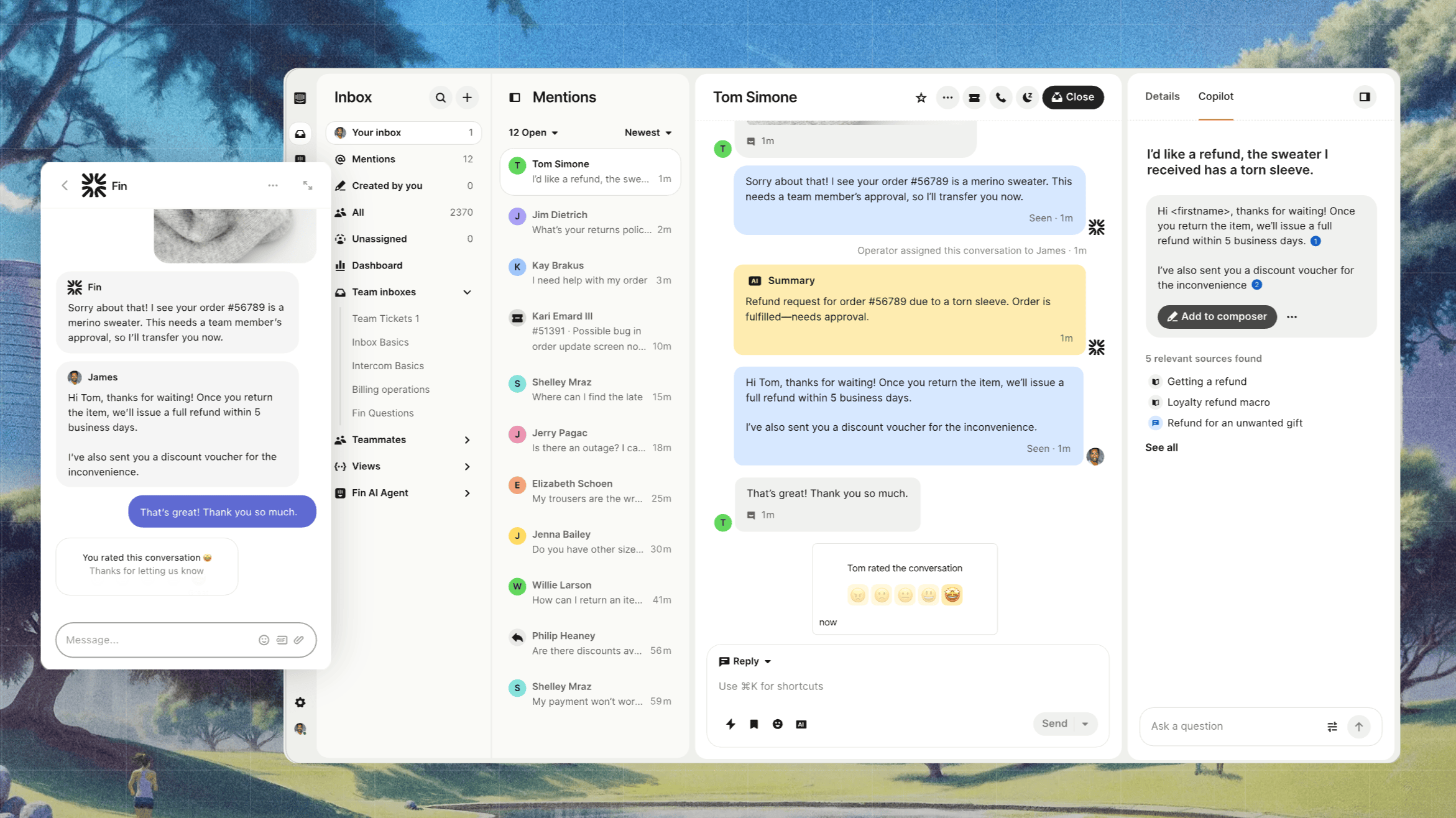
In short, Tidio’s chat is simple and easy to deploy, while Intercom’s is more powerful and extensible, suitable for large or multi-brand sites.
2. Automation
Automation is at the heart of both tools.
Tidio provides a drag-and-drop Flows builder with over 40 pre-made chatbot templates (cart recovery, FAQs, promotions, etc.). These rules-based chatbots can capture leads, answer complex queries, and even trigger emails.
On top of flows, Tidio's Lyro AI agent can automatically answer a large share of common customer questions using your existing knowledge base. Lyro is trained on your content, so answers stay on-brand (and it instantly escalates to a human if needed). One catch that G2 reviewers flag: you can't run Lyro AI and custom Flows at the same time, so you have to pick one per conversation.
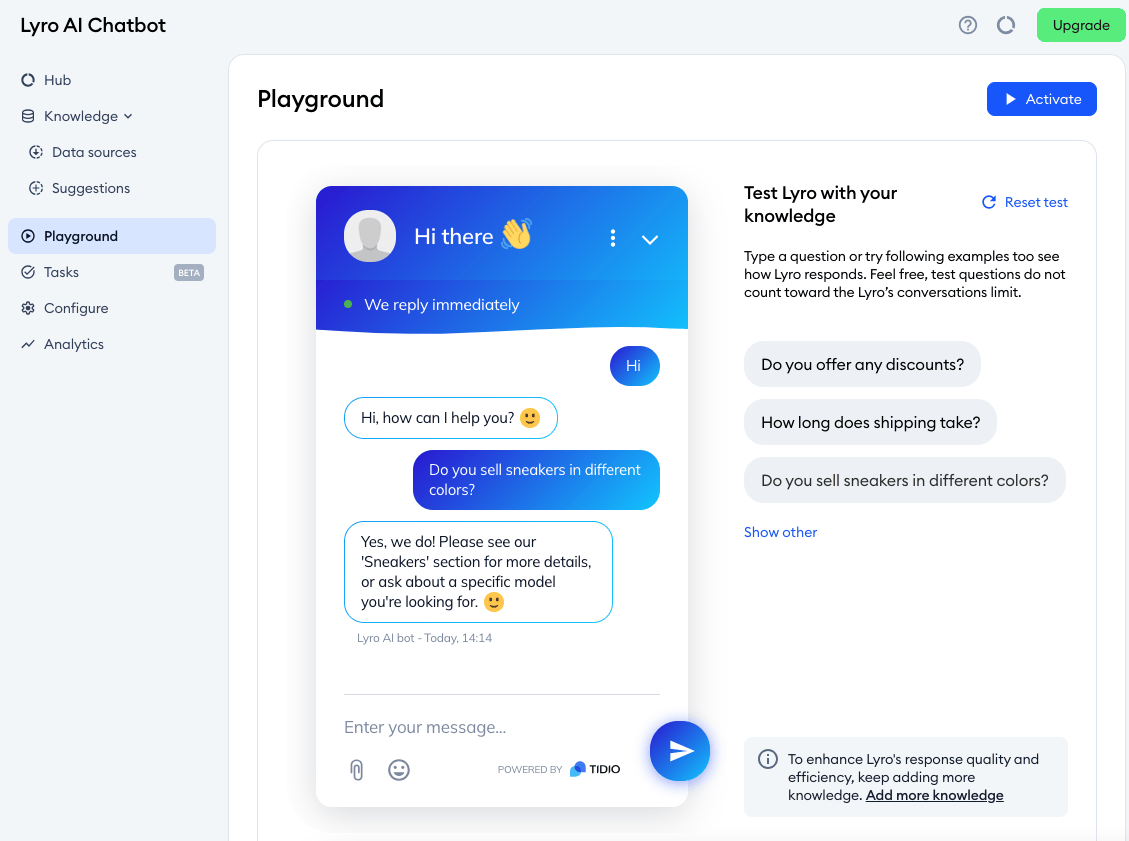
Intercom automates via built-in Workflows and Bot tools. Higher plans include a visual Workflows builder for routing, tagging, and multi-step automations. Its AI agent, Fin, is now the company's flagship product and runs on a proprietary model built specifically for support, with industry-leading end-to-end resolution rates.
The pricing model is the bigger difference. Fin is billed on outcomes rather than a flat per-answer fee (covered in the pricing section), whereas Tidio's Lyro is billed per conversation.
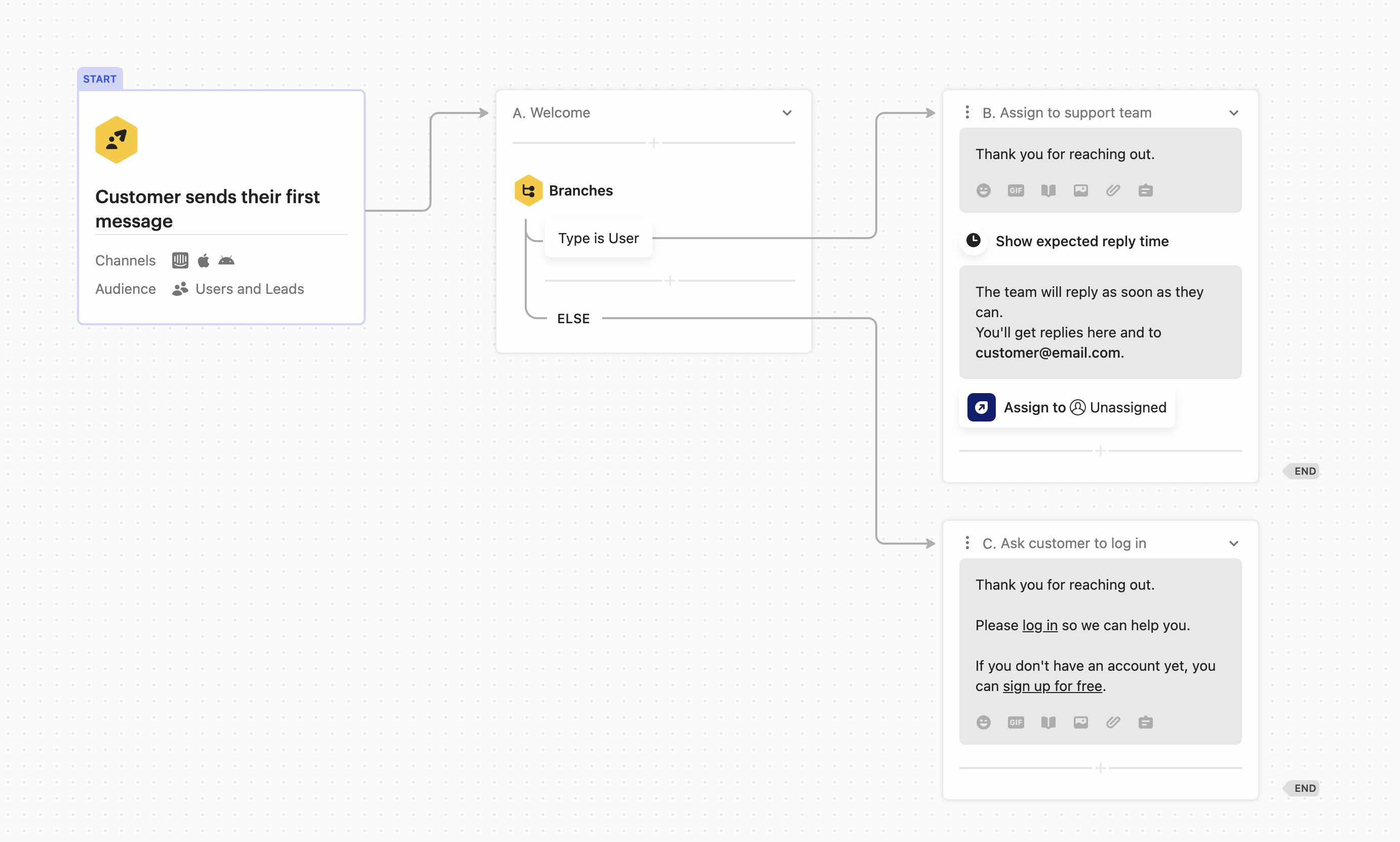
In summary, Tidio offers simple chatbots + an AI agent billed per chat, and Intercom offers sophisticated bots across multiple channels and workflows with per-response AI pricing.
3. Help center & self-serve
If self-service knowledge bases matter to you, Intercom has a clear advantage. Every Intercom plan includes a public Help Center for publishing FAQ articles, and higher tiers unlock private/multilingual knowledge bases, on top of more features.
Intercom’s Help Center is integrated with chat and searchable via bots. Tidio, by contrast, is a chat-first tool and does not include a built-in help center or knowledge base. You can answer customers via chat or email, but any static article library must be hosted elsewhere.
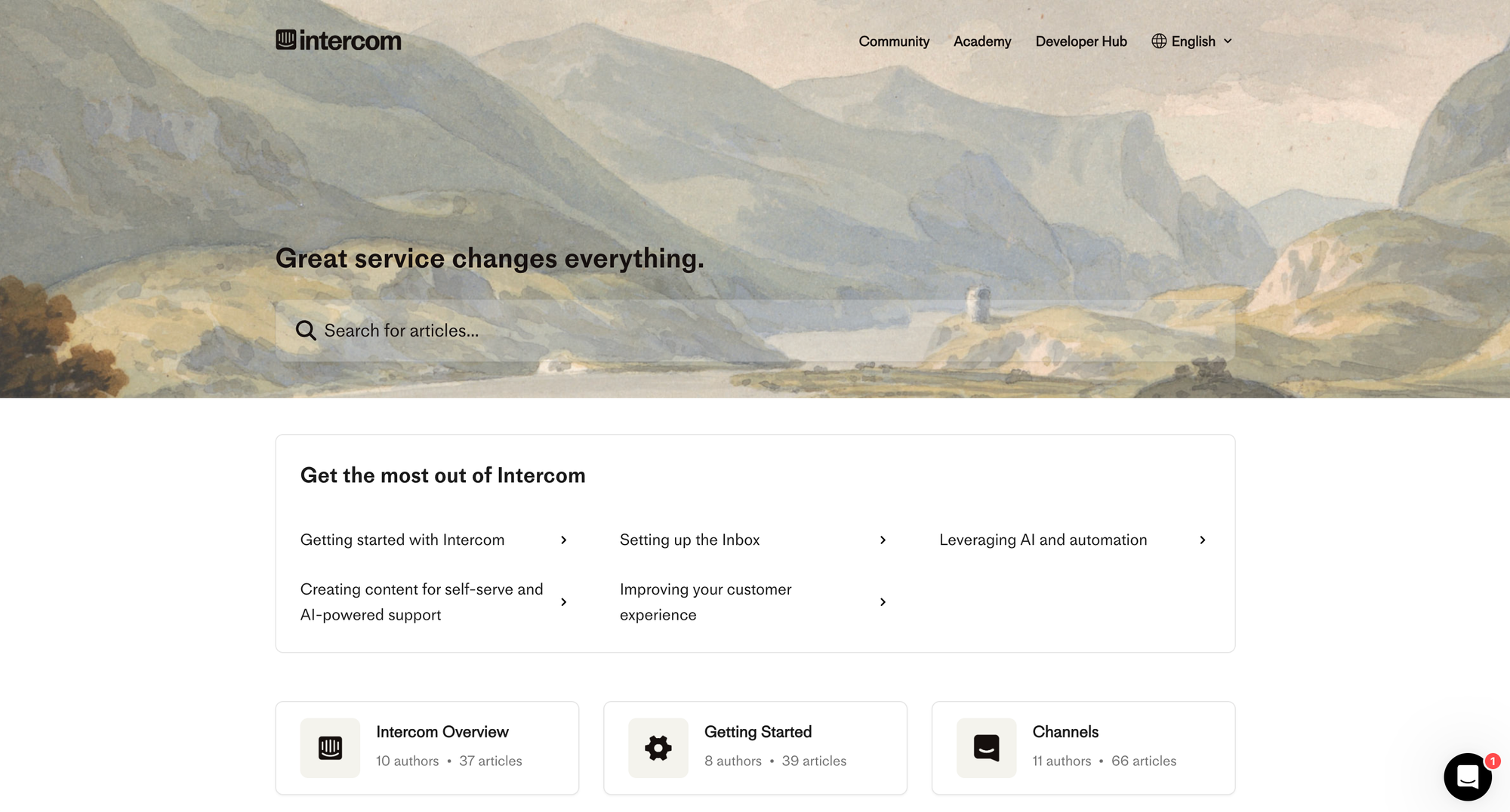
Intercom also offers add-ons (like Proactive Support Plus) for in-app guides, product tours, and checklists to proactively help users, whereas Tidio focuses purely on chat and ticket workflows.
In fact, Intercom's Proactive Support Plus (which costs $99/mo) explicitly includes Product Tours, Surveys, and Checklist builders. Essentially, a way to create chatbots that suit your specific needs, e.g., improving your conversion rate.
In short, Intercom provides full self-service and in-app guidance tools, while Tidio relies on chatbot automation and tickets only.
4. Messaging channels
Both platforms let you engage customers outside of live chat.
Tidio's unified inbox can pull in conversations from email, Facebook Messenger, Instagram, and WhatsApp. This means you can reply to a Facebook message or WhatsApp chat from Tidio's dashboard alongside your website chats. Tidio even offers a built-in email marketing app for sending newsletters (though it's a separate free feature).
Intercom goes further in multi-channel messaging. Besides chat, Intercom's team inbox can handle Instagram DMs, Facebook messages, and SMS natively. You can text customers from Intercom, and the platform also integrates with Shopify, Stripe, Slack, and more to enable in-app or outbound messages. Intercom also supports in-app push notifications and targeted email/SMS campaigns via its series and outbound builders.
In practice, Tidio covers most chat & social channels in one place, while Intercom adds phone, SMS, and richer outbound tools.
Both allow basic automated follow-up messages (e.g., drip emails or chat sequences), but Intercom’s arsenal of outbound messaging (email marketing, in-app posts, etc.) is broader.
5. Product tours
Intercom offers a dedicated Product Tours feature (as part of its Proactive Support Plus add-on) for interactive in-app guides and walkthroughs. You can build step-by-step guides that highlight features in your app, giving you optimization opportunities in your onboarding flows.
Tidio does not have a native product tour or in-app guide tool. If you need that kind of onboarding tour, you'll need to purchase Intercom (or a separate product tour tool). Tidio would rely on emails or chat messages instead.
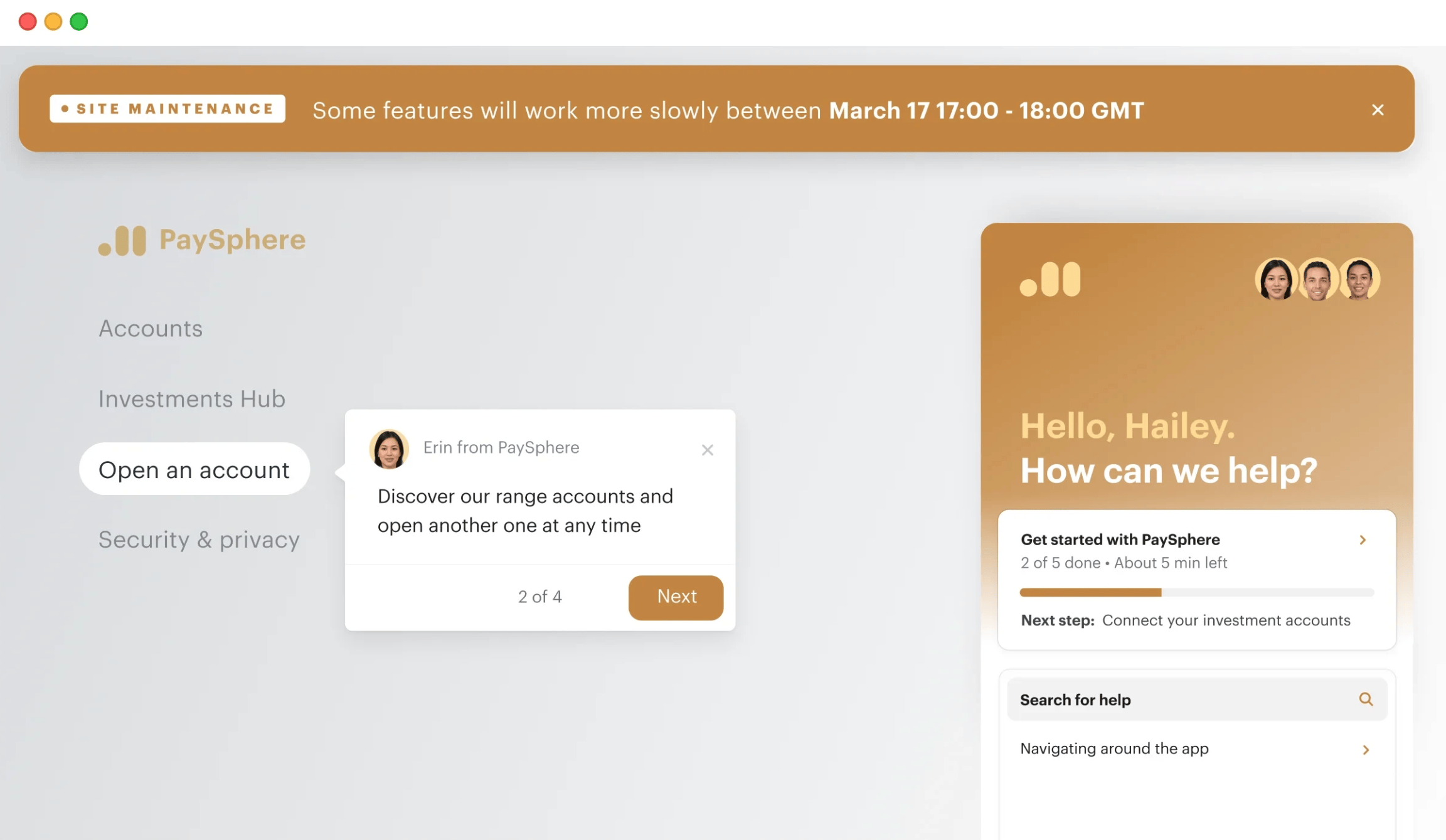
Tidio vs Intercom: Integrations
Tidio supports 120+ integrations. There are one-click integrations for e-commerce and CMS platforms like Shopify, WordPress, Squarespace, plus popular tools like Mailchimp, HubSpot, and Zapier (which opens up thousands more). This covers most small-business needs out of the box.
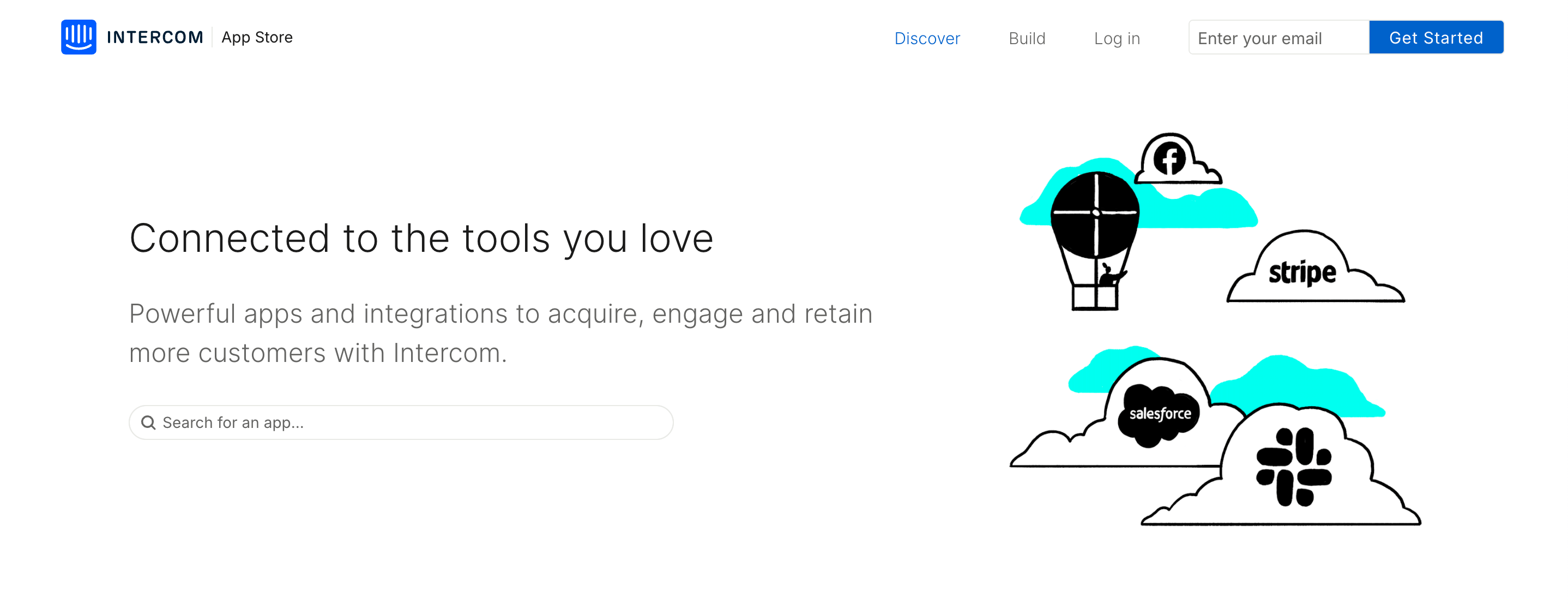
Intercom connects to over 450 apps. There are connectors for Slack, Salesforce, Zendesk, Jira, HubSpot, Stripe, and specialty tools.
In practice, Intercom's app store is far larger, and its open API lets you build custom integrations too. For example, Intercom can sync tickets to Zendesk or sales leads to Salesforce automatically. Both platforms cover the key integrations (e-commerce, CRM, email, marketing, analytics), but Intercom has a deeper marketplace.
When comparing Tidio to Intercom in terms of integrations, Intercom is the clear winner.
Ease of use
Tidio is designed for quick setup. It offers a free plan and advertises "easy installation in under 5 minutes". Users consistently praise its intuitive interface, and G2 reviewers frequently note that even non-technical staff can be trained on it in minutes. In short, Tidio's learning curve is shallow.
Intercom is more complex. It packs many features (bots, analytics, multi-channel, etc.), so new users often find setup and customization more involved. A recurring theme in G2 feedback is that Intercom carries a steep learning curve, with reviewers describing setup and deep configuration as slow and trial-and-error heavy.
In practice, maximizing the benefits of Intercom (custom bots, surveys, and routing rules) may require additional training or the assistance of a specialist. However, Intercom's UI is polished and consistent once you learn it.
In short, Tidio is generally faster to deploy and easier for small teams, thanks to its straightforward UI. Intercom offers a richer toolkit but takes longer to master. Both provide documentation and help centers for setup, but Tidio’s simplicity makes it accessible to non-technical users.
Pricing
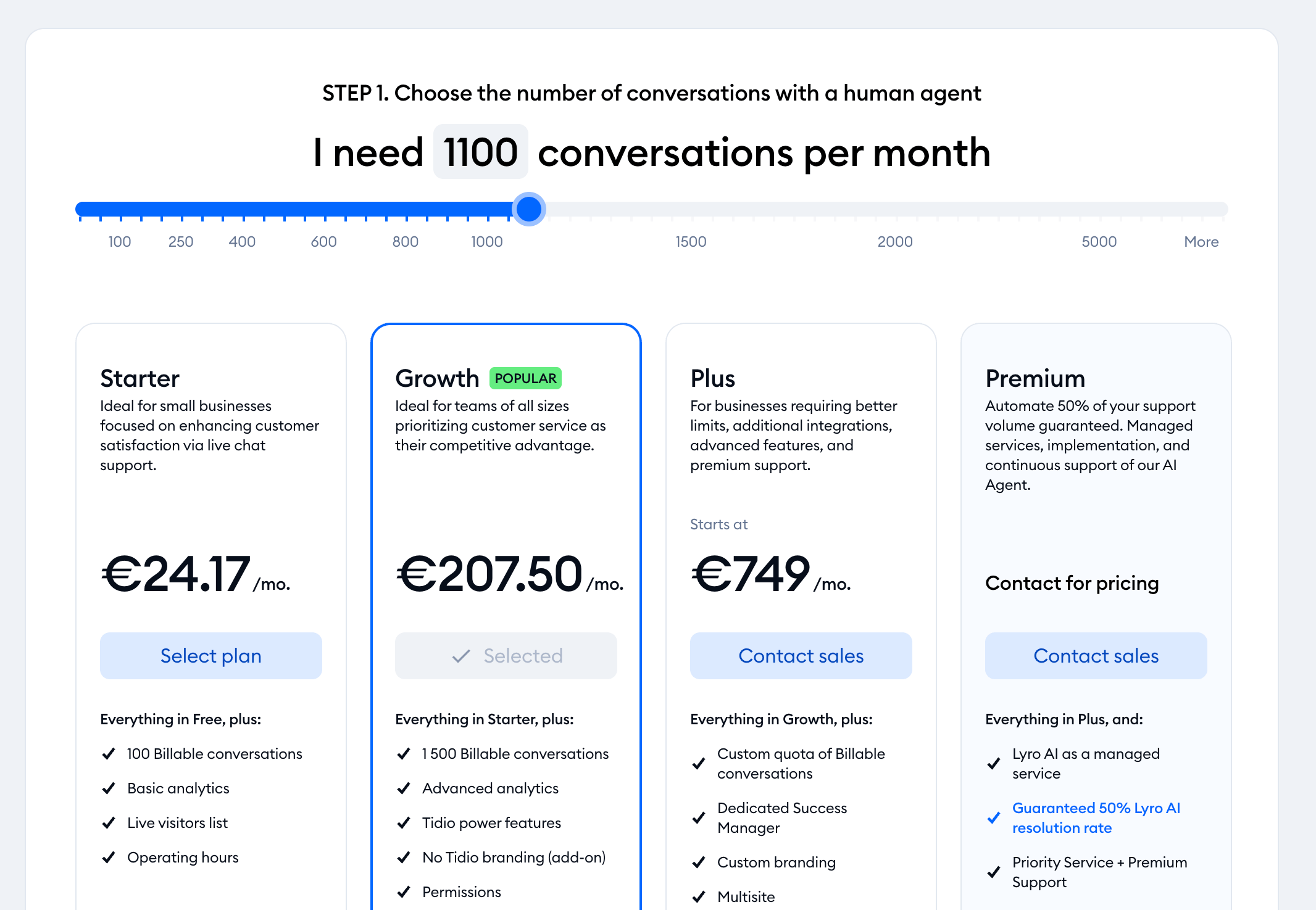
Tidio offers a usage-based pricing that scales with your monthly conversations. Here are some examples of what that might look like with different numbers:
| Conversations / month | Starter | Growth | Plus |
|---|---|---|---|
| 100 | $29 | $59 | $749 |
| 500 | — | $129 | $749 |
| 1,000 | — | $179 | $749 |
| 2,000 | — | $349 | $749 |
| 2,000–5,000 | — | — | $749 |
| 5,000+ | — | — | Custom |
After a certain number of conversations you are forced onto a higher plan.
Importantly, Lyro AI costs separately for each conversation, which approximately means you should multiply these prices by 2x if you want AI support.
Intercom's pricing is per seat (per agent) and sits notably higher:
| Plan | Price per seat / month (annual) |
|---|---|
| Essential | $19 |
| Advanced | $85 |
| Expert | $132 |
On top of seats, Fin's AI agent uses outcome-based pricing: $0.99 for resolutions, configured procedure handoffs, disqualifications, and self-serve routing, or $9.99 for sales qualifications. Each conversation attracts at most one outcome charge. Ordinary escalations without an outcome aren't billed, but configured procedure handoffs are billable. The 50-outcome monthly minimum ($49.50 at $0.99 each) applies to standalone Fin on another helpdesk, not an additional $49 base fee inside Intercom.
To put it in context, a 10-person support team starts around $190/mo on Intercom's Essential plan (seats only, billed annually), climbing to $850/mo on Advanced - before any Fin outcomes and any WhatsApp or SMS channel fees. Fin costs then scale with the number and type of billable outcomes.
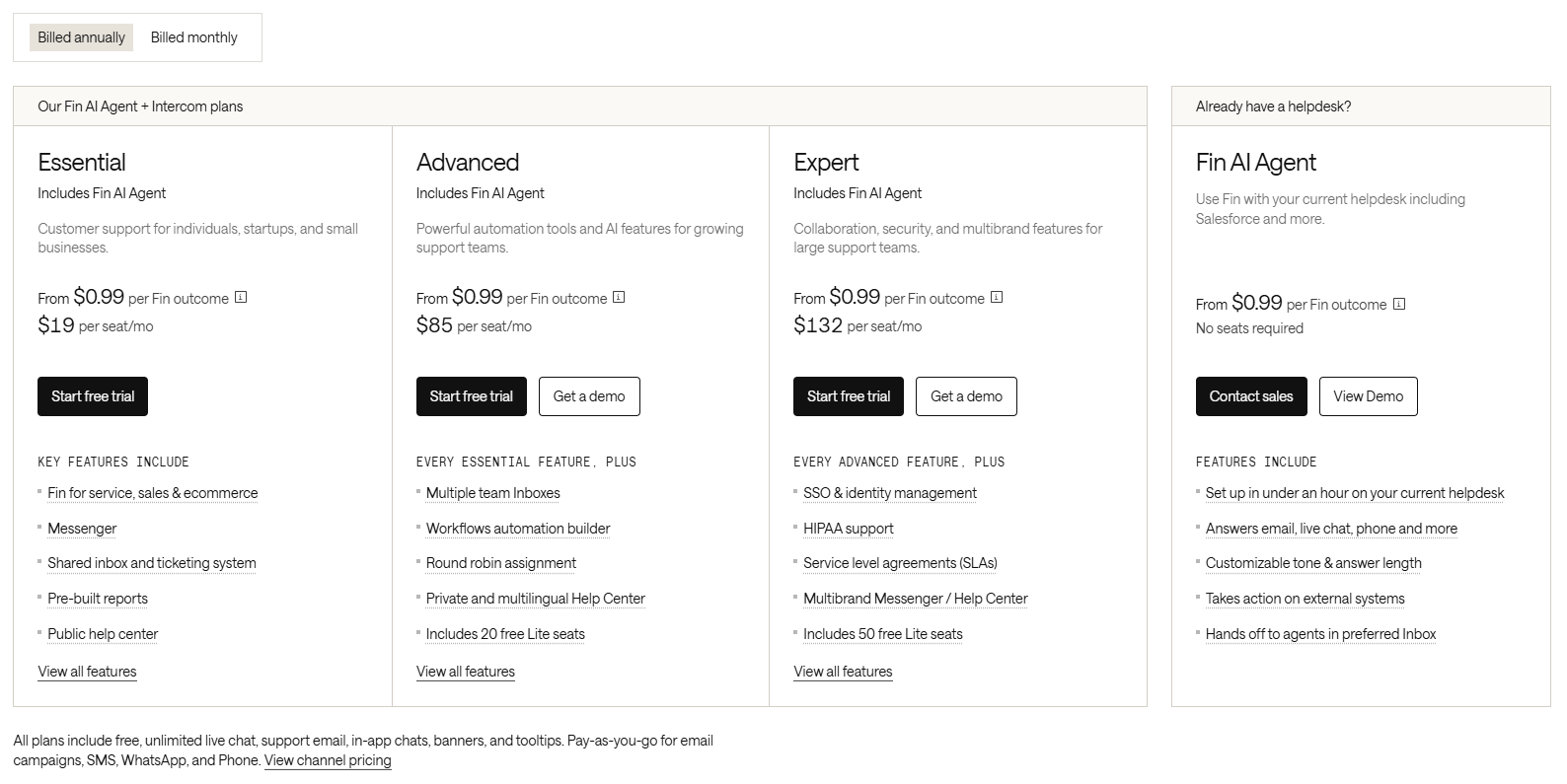
In practice, Intercom costs can escalate quickly with team size and usage. If you use Intercom for lead generation, customer support, and customer interactions in general, your monthly invoice can go through the roof.
✨ Looking for a modern & affordable alternative to Intercom and Tidio? Check out Featurebase →
Their own support
Both companies offer support resources. Tidio has an online help center, knowledge base, and email/chat support. Its website even boasts “dedicated support” to assist users. Capterra data shows Tidio’s customer service rating is high, and users often note quick responses by Tidio's customer success managers.
Intercom also provides full access to their documentation, an academy, community forums, and 24/7 chat/email support. According to user reviews, Intercom’s support is generally praised - reviewers frequently mention “helpful support” and responsive staff.
Tidio users also speak positively of support staff, though some wish for even more proactivity on technical issues.
Use case fit
Tidio and Intercom target somewhat different users.
Tidio's entry-level focus on chat and ease-of-use makes it ideal for small businesses and startups - especially e-commerce sites on platforms like Shopify. (Tidio's Starter plan is explicitly "ideal for small businesses focused on live chat" and its integrations with WooCommerce/Shopify reflect an e-commerce slant.)
The free plan and simple automation suit teams on a budget who want immediate lead capture and 24/7 chat.
Intercom, meanwhile, fits tech-forward companies of all sizes. Most of Intercom's reviewers are small businesses (primarily in software, IT, and marketing), but many use it to scale rapidly.
Intercom shines in multi-channel and product-led environments: if you need SMS, in-app messaging, advanced workflow automation or extensive analytics, Intercom has it. Big startups and mid-market companies often choose Intercom to consolidate email, chat and social support in one place. In general:
- Tidio is best for: small-to-mid online businesses and e-commerce (needing affordable live chat + AI chatbots).
- Intercom is best for: companies that need an all-in-one communication platform (especially tech/SaaS companies with global or multi-channel support needs).
Tidio's customer base skews toward retail and service businesses, while Intercom lists clients like Amazon and Microsoft, highlighting their enterprise customer base.
Tidio vs Intercom: final verdict
Both Tidio and Intercom are capable platforms, but they are built for completely different audiences.
Tidio is best for teams that want a fast, simple chat solution with some AI. Its strengths are ease of use, quick setup, and lower starting cost. It’s great for marketing-driven sites (chat-to-sale) and reactive support via chat/WhatsApp. However, it doesn't have advanced analytics.
Intercom is best for companies needing a full-featured communication suite. It excels at multichannel support and advanced automation (including product tours and surveys). The trade-off is complexity and price. Smaller teams might find it overwhelming or expensive, but large/support-savvy teams will appreciate the power.
In short...
If you’re a small e‑tailer or local service business, Tidio will probably cover your needs with minimal fuss. If you’re a fast-growing tech company that wants to chat, email, and re‑engage users all from one place, Intercom is more appropriate if you can afford the price tag.
Featurebase: a better alternative to Tidio and Intercom! ✨
If Tidio is too basic and Intercom is too expensive, consider Featurebase, a modern support platform that blends the best of both worlds.
It’s loved by thousands of fast-growing teams from companies like Lovabale, Polymarket, and Instantly.
With pricing starting from just $29 per user per month (+ $0.29 for every successful AI resolution), it costs a fraction of Intercom, Tidio, and most other support platforms.
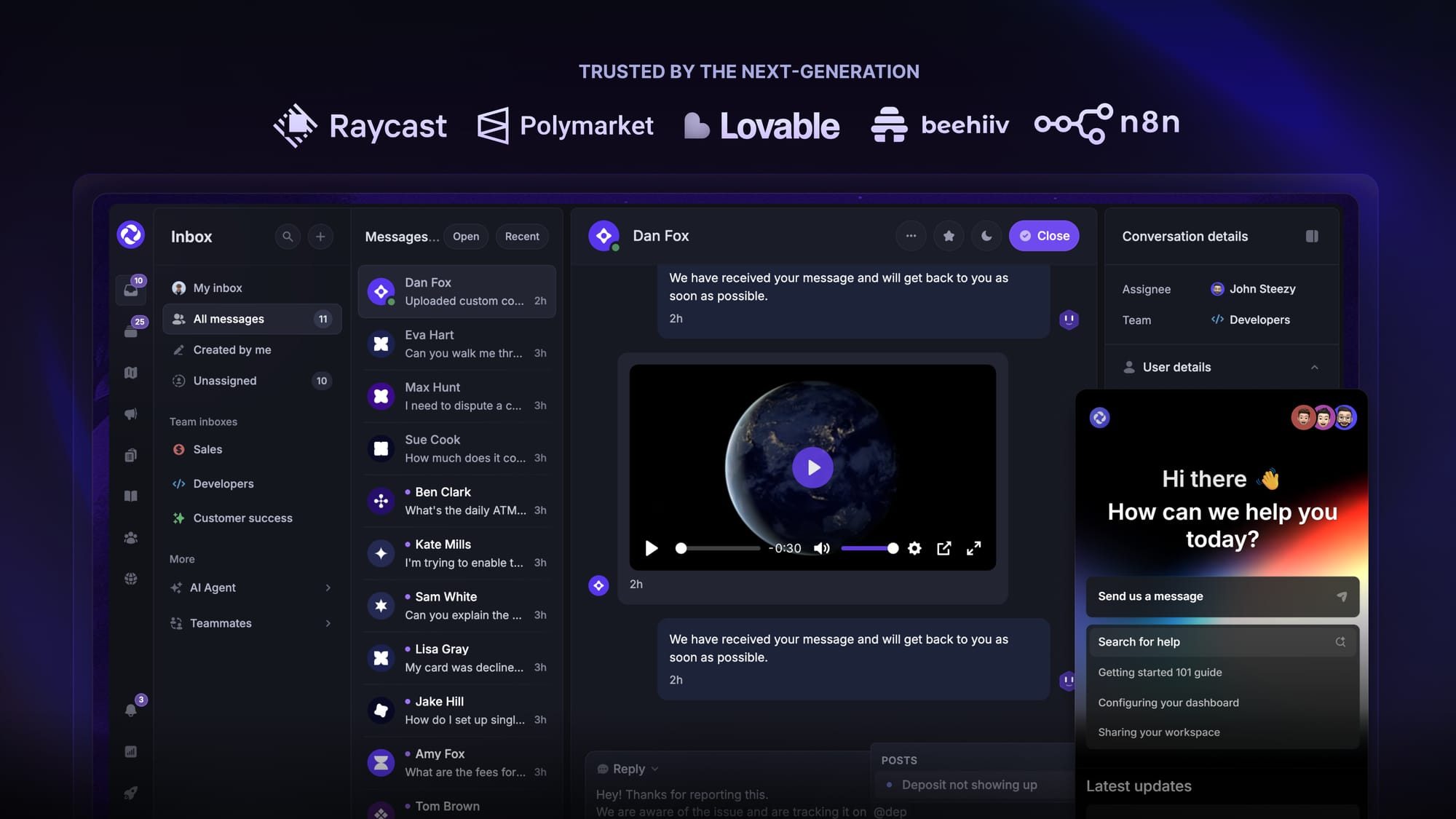
Some of the many Featurebase features include:
- Unified inbox – manage your live chat & email conversations in one place with your whole team
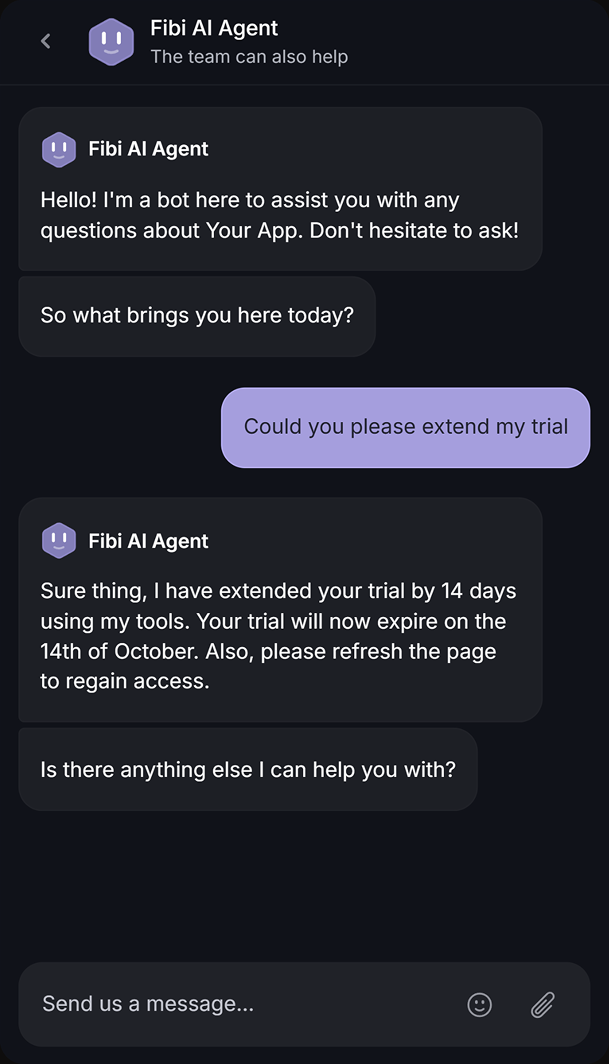
- AI agent & automations – fully automate your support with AI and endless custom workflows, like extending trials, offering discounts, qualifying leads, etc.
- Messenger widget – provide AI and human support from anywhere with a customizable in-app widget
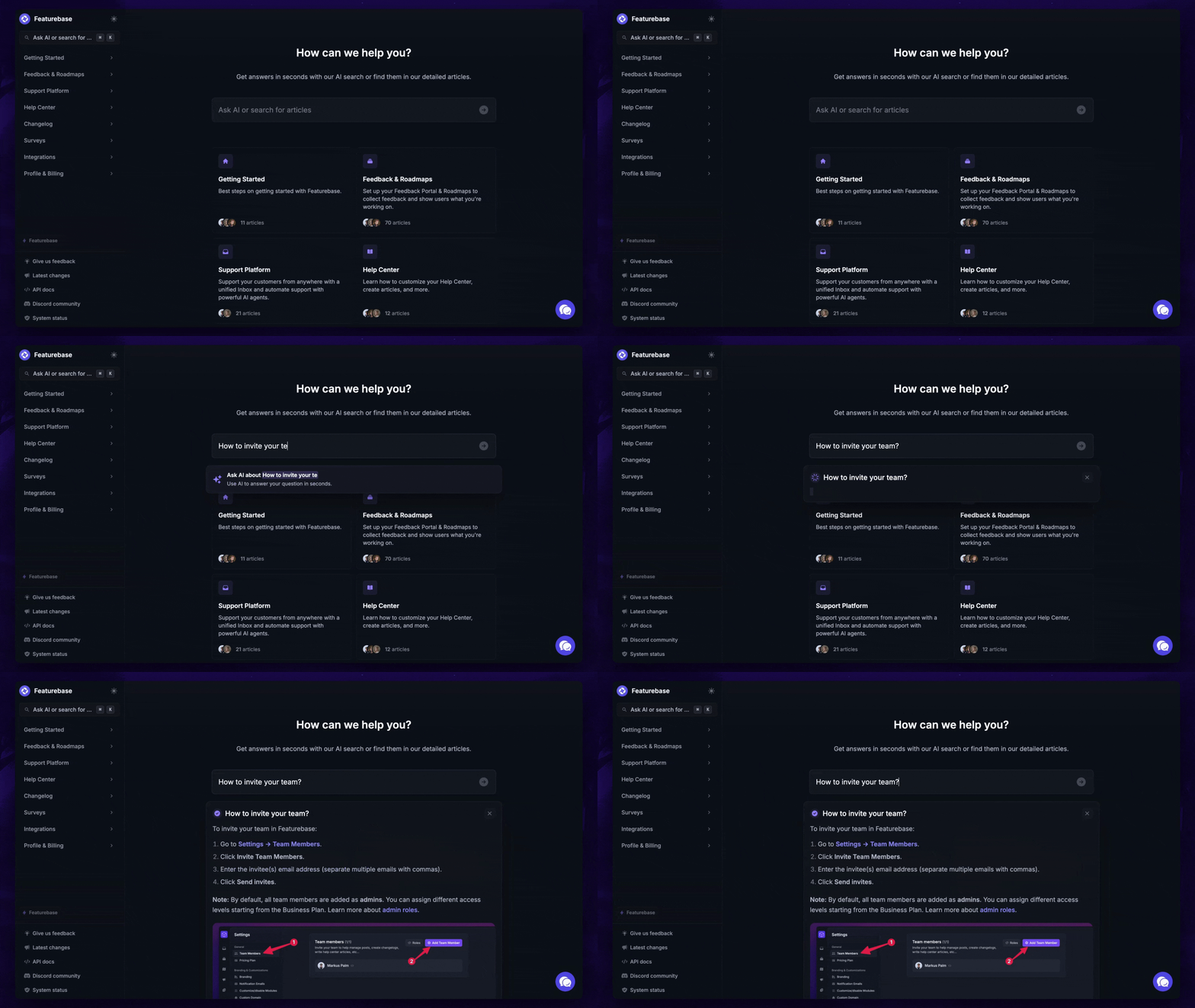
- Help Center – a branded knowledge base with instant AI answers
- Email support – Seamlessly provide support to your customers via email sync
- Native ticketing – Centralize & keep track of all customer requests in one place
- Multi-language & custom domain support – serve content in 40+ languages with your domain and branding
- Mobile app – respond to customers, receive notifications, and unblock users on the go
- Integrations – Slack, Linear, Jira, Discord, Hubspot, and many more
- Plus, feedback collection, product roadmaps, release notes, and customer surveys – all in one place
Long story short, Featurebase gives you all the powerful support capabilities of Tidio and Intercom, but without the super expensive pricing. Don't just take our word for it. You can try Featurebase completely free and see for yourself.
The onboarding is quick and doesn't require a credit card. Plus, you can automatically import your Intercom knowledge base - so there’s zero risk involved. 👇
✨ Automate your support with the fastest AI-enhanced Inbox today →
FAQs
Is Intercom the same as Fin now?
Mostly, yes. In May 2026 the company that makes Intercom renamed itself to Fin, which is also the name of its AI agent. The customer support software you log into is still called Intercom, so "Fin" usually refers to the company or the AI agent, and "Intercom" to the support platform.
How does Fin's outcome-based pricing work?
Fin charges $0.99 per resolution, configured procedure handoff, disqualification, or self-serve routing, and $9.99 per sales qualification. You're billed once per conversation at most. Ordinary escalations without an outcome aren't billed. Standalone Fin on another helpdesk has a 50-outcome monthly minimum ($49.50 at $0.99 each). Inside Intercom, usage is pay-as-you-go on top of paid seats, without an additional $49 base fee.
Is Tidio cheaper than Intercom?
For small teams, usually yes. Tidio starts at $29/month for a whole plan (not per seat) and has a free tier, while Intercom charges per seat from $19/seat/month billed annually ($29 monthly), so costs rise with headcount. The gap narrows once you add Tidio's Lyro AI or push past its conversation limits, but Tidio remains the more budget-friendly starting point.
Does Tidio have a free plan?
Yes. Tidio's free plan includes 50 billable conversations per month plus a one-time allocation of 50 Lyro AI conversations. It's enough for a small site to run live chat and test automations, though you'll need a paid plan once you outgrow the conversation limit. Intercom has no permanent free plan, only a trial.
Is Tidio or Intercom better for small businesses and e-commerce?
Tidio is the more natural fit for small businesses and e-commerce, especially Shopify and WooCommerce stores, thanks to its native integrations, quick setup, and lower entry cost. Intercom suits tech-forward teams that need multi-channel support, deeper workflows, and advanced AI, and that have the budget for seat-based pricing. Your team size and technical depth usually decide it.
What's a good alternative to Tidio and Intercom?
Featurebase is a modern option that blends Tidio's simplicity with Intercom-level capabilities at a lower cost. It combines an omnichannel inbox, an AI agent, a help center, and feedback tools in one platform, with pricing from $29/seat/month plus $0.29 per AI resolution. You can also import your existing Intercom knowledge base to switch with minimal effort.
More comparisons: