Blog ComparisonsCrisp vs Intercom (Fin): the 2026 Comparison
Crisp vs Intercom (Fin): the 2026 Comparison
Crisp vs Intercom in 2026: how they compare on live chat, AI agents (Crisp's Hugo vs Intercom's Fin), channels, and pricing - so you can pick the right support platform.


✨ Looking for a modern & affordable alternative to Crisp and Intercom? Check out Featurebase →
Winning new customers and keeping the ones you already have comes down to one thing: a support experience that feels effortless. The right platform does the heavy lifting so your team doesn't have to.
Crisp and Intercom are two of the most popular options, but they pull in opposite directions. Crisp is the lean, flat-priced choice for small teams, while Intercom (now rebranded as Fin) is the AI-first platform built for scaling SaaS.
In this detailed overview, we pit Crisp against Intercom on live chat, AI, channels, and pricing to help you find your next customer service platform.👇
Quick overview
How does Crisp compare against Intercom? Here's a quick recap before we get into the detailed comparison.
| Feature | Crisp | Intercom |
|---|---|---|
| Target users | SMBs, ecommerce, startups | Mid-sized to enterprise SaaS |
| Pricing model | Flat rate per workspace, predictable | Per-seat plans + usage-based Fin AI, can get expensive |
| Channels supported | Chat, email, WhatsApp, SMS, social apps | Chat, email, app, fewer social apps |
| AI & automation | Hugo AI agent + Copilot, bundled AI credits, lighter automation | Fin AI agent, advanced workflows |
| Knowledge base | Basic, multilingual | Advanced, integrated |
| Product tours | No | Yes |
| Integrations | 50+ including HubSpot, Salesforce | 450+ including Salesforce, Stripe |
| Best for | Affordable multi-channel support | Advanced AI automation and growth teams |
In short, Intercom can quickly become very pricey, while Crisp can feel unintuitive and lack the depth larger teams need to scale.
If you're after a more powerful all-in-one alternative, check out Featurebase, a modern and affordable support platform - but we'll stay unbiased in this comparison, promise.
Feature comparison
If you're looking for reliable chat software for your business, the first thing to look at is the core feature set. Here's how Crisp and Intercom stack up against each other.
1. Live chat & shared inbox
Both platforms place live chat at the center of the experience, but their approaches to communication and customer engagement are different.
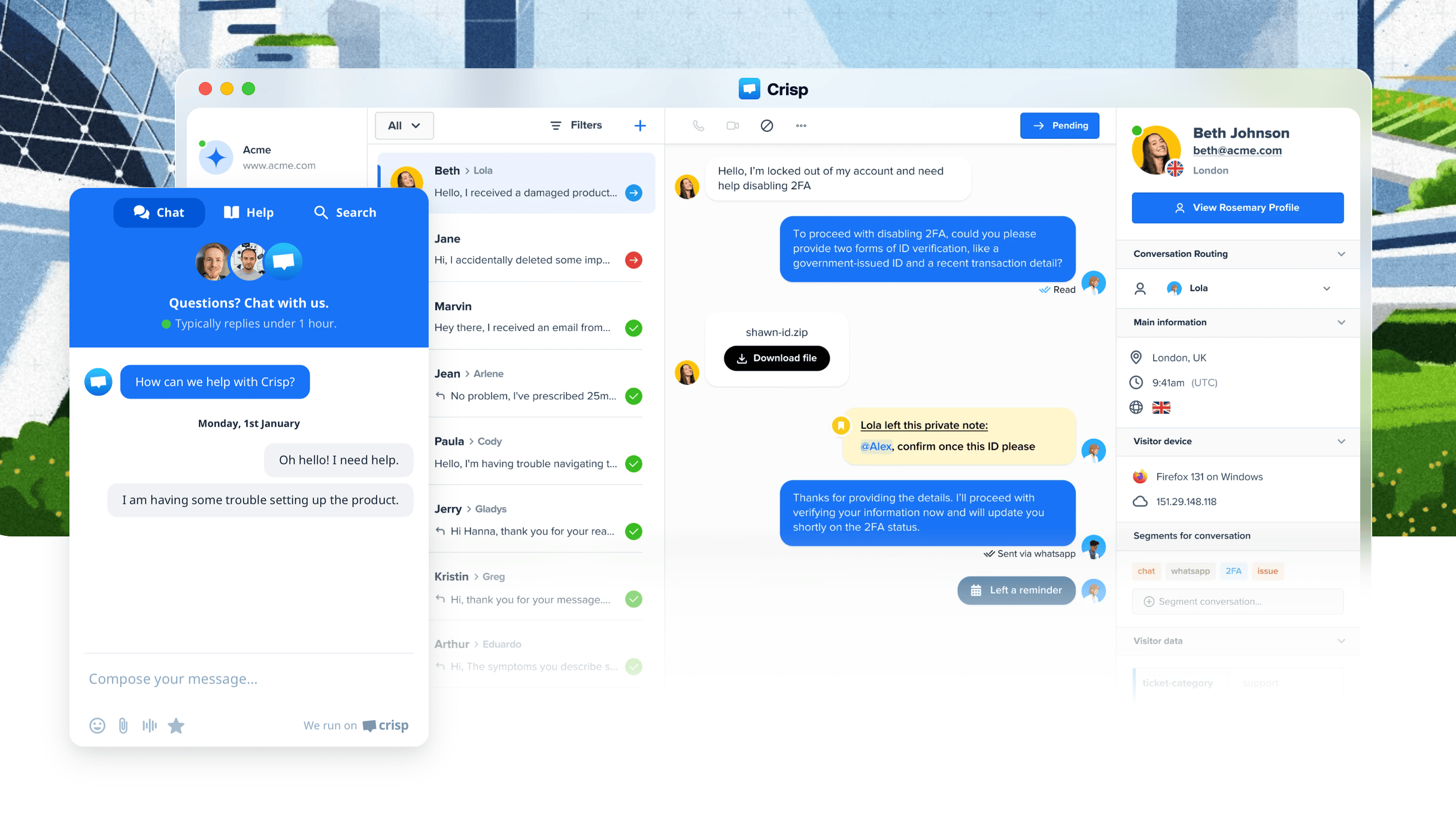
Crisp gives you a unified inbox that combines live chat, email, WhatsApp, Messenger, Instagram, and even SMS. All customer messages land in a single view, making it easy for small teams to stay organized. You also get fun additions, such as in-chat games to keep users engaged, and MagicBrowse, which lets agents see the visitor's screen in real-time.
It’s convenient and surprisingly deep for the price. You can assign conversations, add private notes, and collaborate with teammates without leaving the inbox, allowing for true real-time communication.
Intercom's Messenger is sleeker and more customizable. It doesn't support as many external messaging apps as Crisp, but it makes up for it with better routing, rules, and personalization options.
You can provide different chat experiences to various user segments, embed apps or forms directly within the widget, and trigger proactive messages based on user behavior and customer inquiries. On top of the fully custom feel, you can do truly targeted messaging based on previous interactions a customer has had with your business.
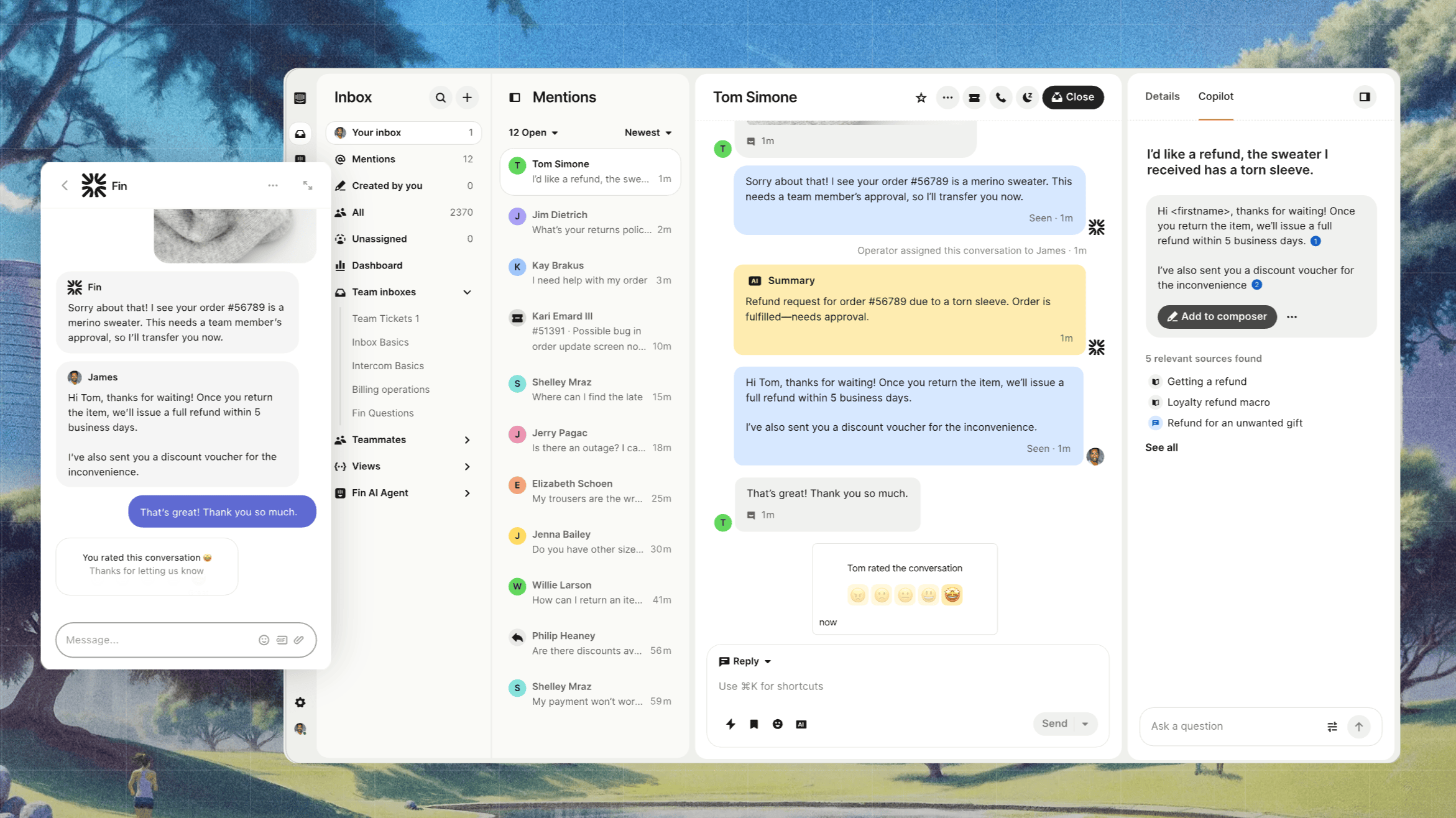
For fast-growing SaaS companies, Intercom’s live chat feels more scalable. For smaller teams with fewer support agents and more communication channels, Crisp wins on flexibility.
2. Chatbots & automation
This is where the two tools have historically diverged the most - though the gap narrowed in 2026, and it's worth weighing both against the wider field of AI customer support software.
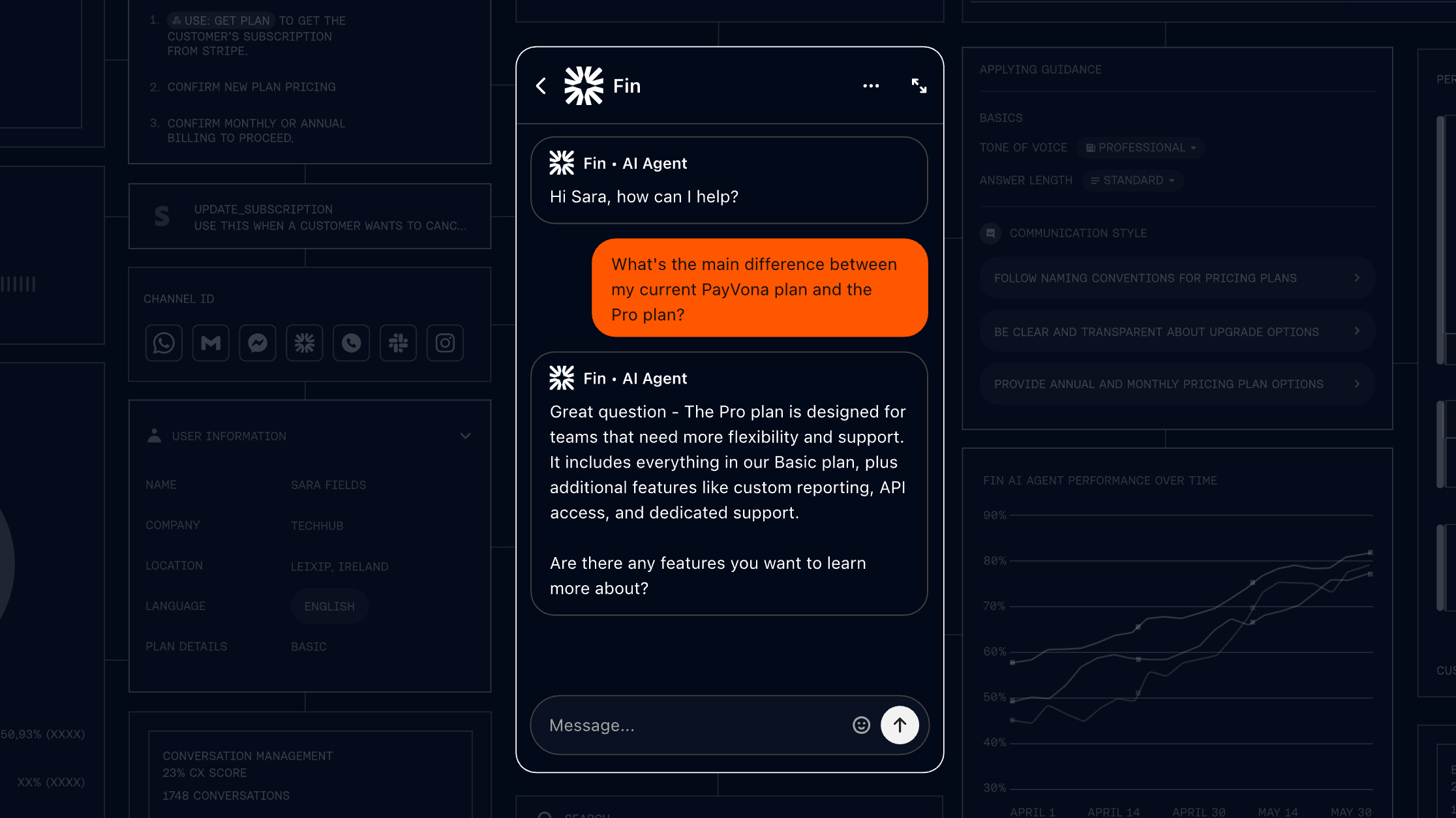
Intercom has bet the company on automation, literally. In May 2026, it renamed the parent company to Fin after its AI agent, and in June 2026 Salesforce agreed to acquire Fin, formerly Intercom, for roughly $3.6 billion. The Intercom name lives on as the helpdesk product, but the AI agent is now the main event.
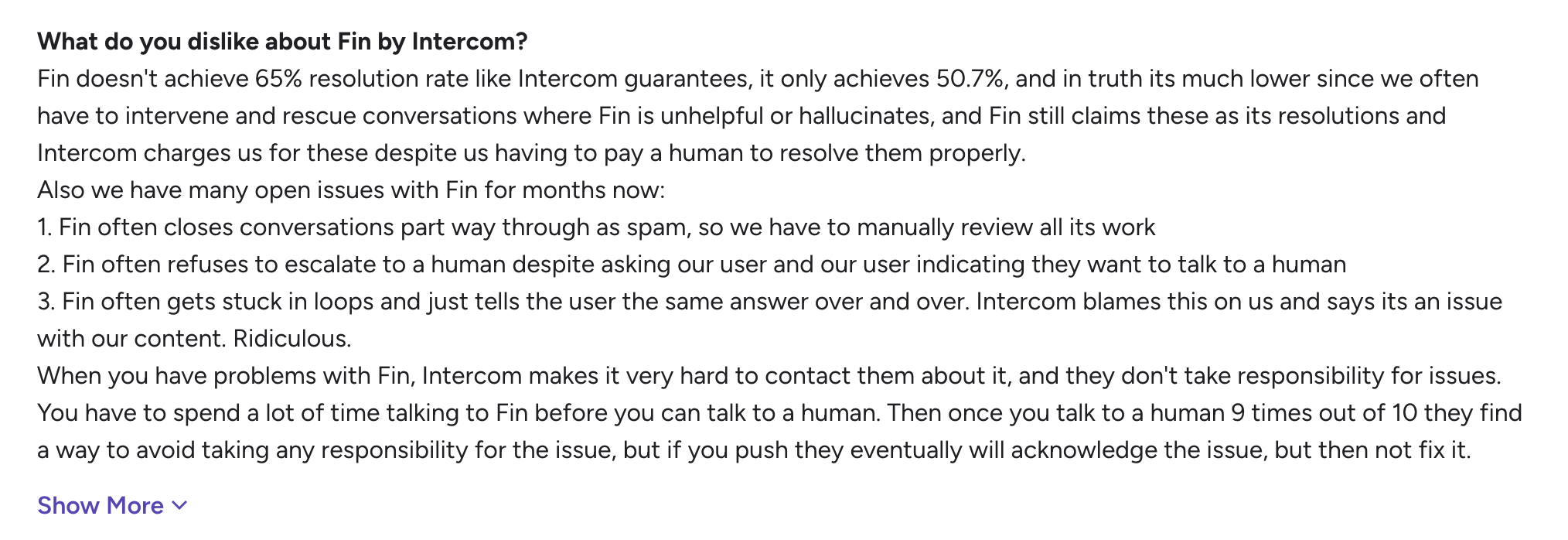
Fin resolves support questions on its own by reading your help center and past conversations, and it handles a large share of incoming volume end-to-end. You can also layer on visual, no-code workflows for lead qualification, onboarding, and ticket deflection. It's powerful, but G2 reviewers consistently flag two things: Fin can over-escalate or answer confidently from stale content on multi-layered questions, and real setup tends to take weeks, not the "under an hour" the marketing promises.
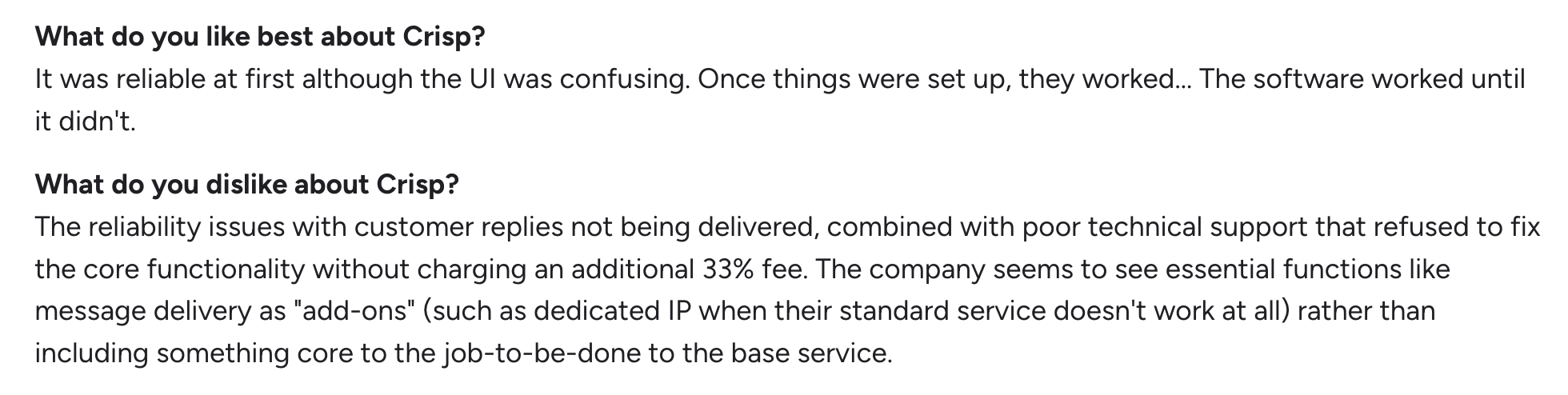
Unfortunately, as you can see from the is review, Fin's effectiveness can be hit or miss:
Crisp has closed a lot of that gap in 2026. Alongside its long-standing chatbot builder with decision-tree logic, triggers, and canned replies, Crisp now ships a native Hugo AI agent that resolves up to around 60% of repetitive questions and can trigger real actions mid-conversation - order lookups, refunds, or password resets - through one-click integrations or no-code flows built on tools like n8n, Zapier, and Make.
Its July 2026 update pushed this further with Hugo Copilot, an agent-facing assistant that drafts answers and preps handovers while keeping the final reply under human control, plus Widget Tools that turn a chat into a guided in-product action. The catch: AI usage runs on bundled credits, and the more capable tiers sit behind the higher-priced plans, so heavy AI volume still nudges you up the pricing ladder (as of July 2026).
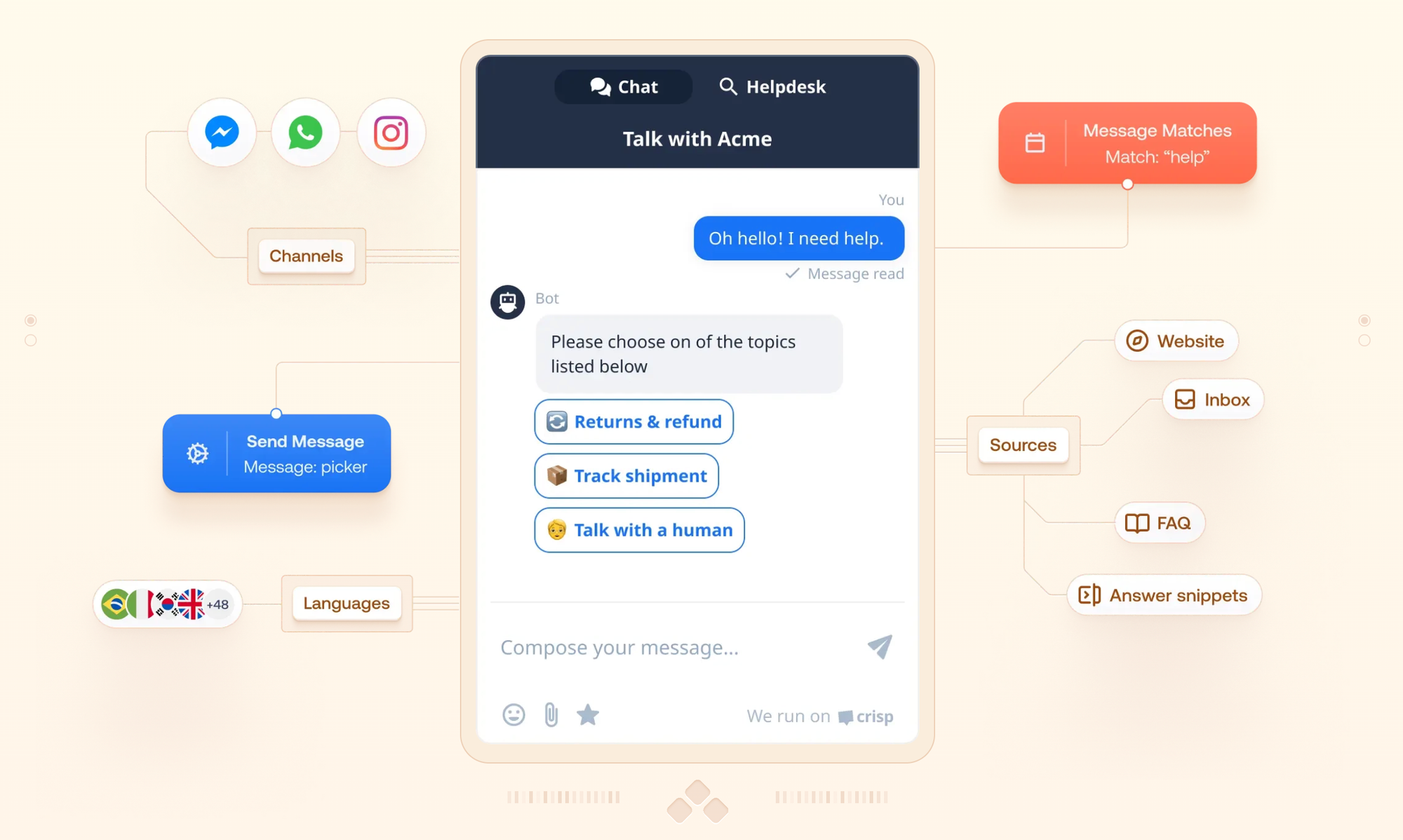
In conclusion, if AI-driven support is a must-have, Intercom is the clear winner. If you’re just getting started with automation, Crisp keeps things manageable.
3. Help centers & self-service
Both tools offer built-in knowledge bases so customers can find answers on their own, but the depth and polish are different.
Crisp's help center is clean and easy to set up. It supports over 50 languages and works well for straightforward documentation. But customization is limited, and the design is fairly basic.
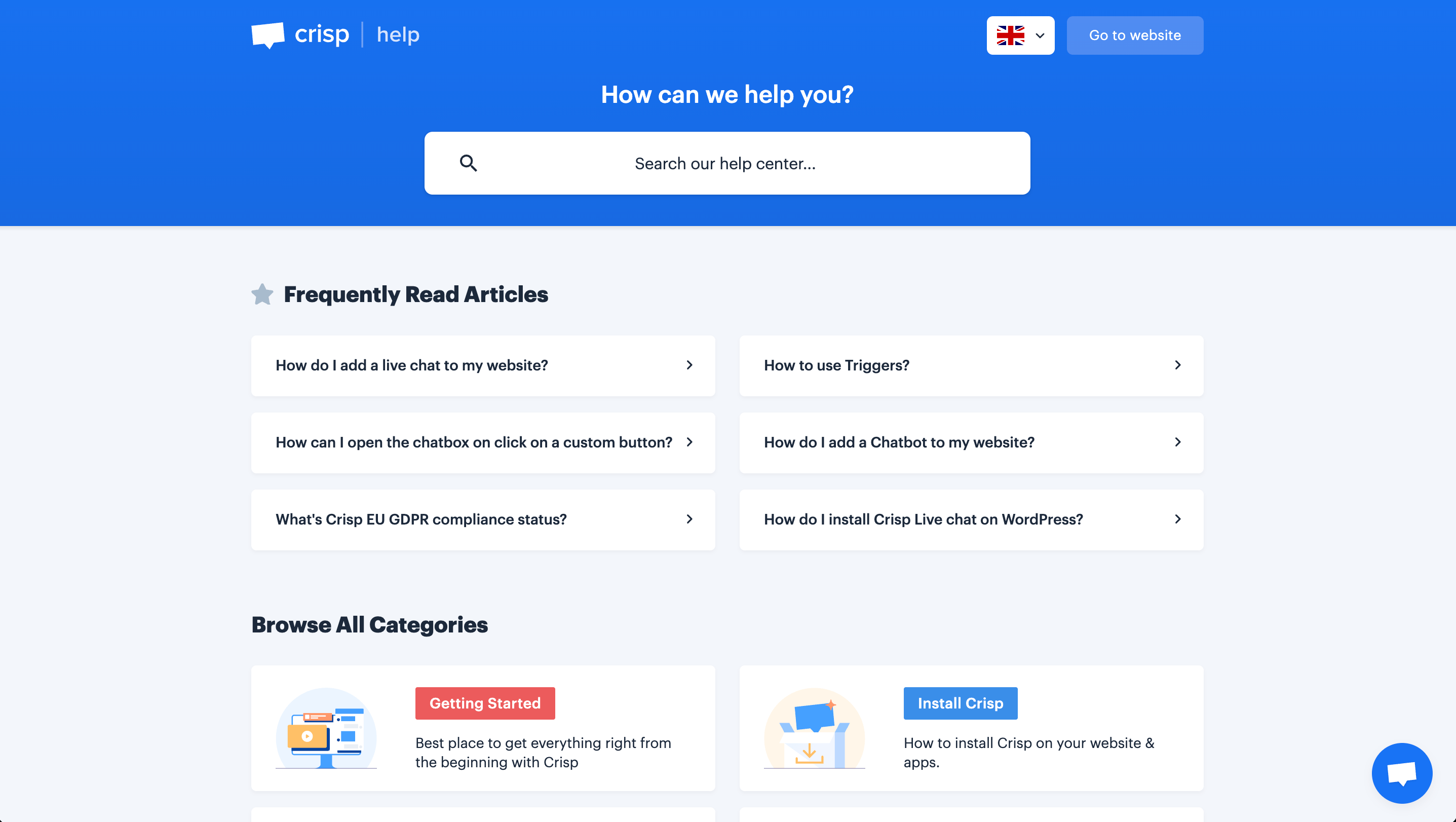
Intercom's help center is more robust. You can brand it heavily, organize it by audience, and even recommend articles based on what the user is doing in your product. The knowledge base is tightly integrated with Intercom Messenger, so help suggestions can appear automatically during chat conversations.
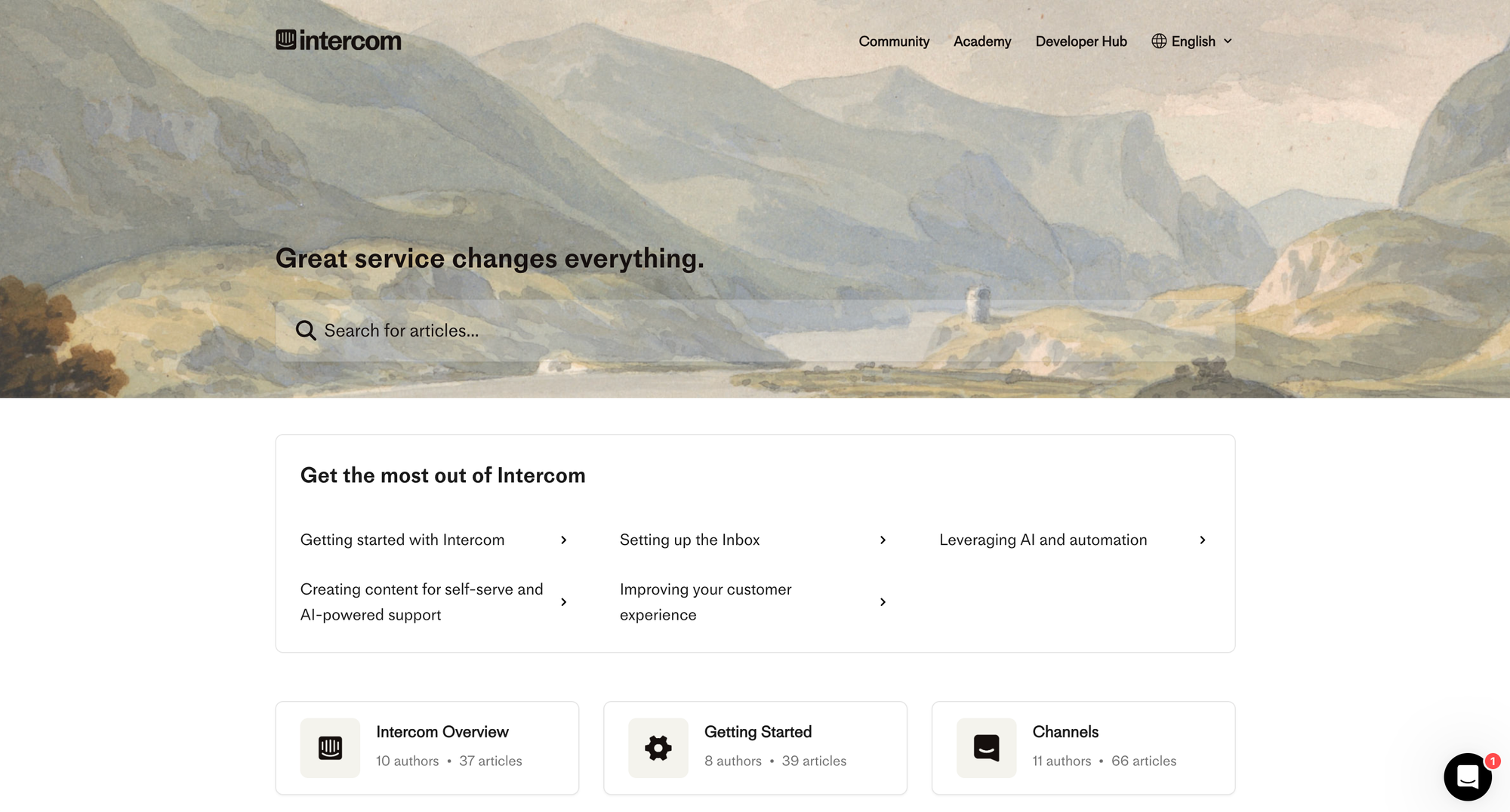
If you care about presentation, structure, and user experience, Intercom’s help center is more advanced. But if all you need is a searchable FAQ in multiple languages, Crisp gets the job done quickly.
4. Messaging channels
One of Crisp's biggest strengths is the number of channels it covers out of the box. Crisp differentiates itself by allowing you to be present everywhere that matters.
Crisp supports multichannel messaging, allowing you to communicate with customers through live chat, email, Facebook Messenger, Instagram, WhatsApp, SMS, Twitter, and Discord.
All conversations flow into the same inbox, letting your team stay on top of everything without switching tools. For smaller businesses and e-commerce shops in particular, this is a massive time-saver.
Intercom, by contrast, sticks to core channels. It handles website chat and email very well, but support for social messaging is limited. WhatsApp and SMS are available on higher-tier plans, but integrations with Messenger and Instagram are either unavailable or require third-party add-ons.
If you’re looking for a single platform to unify everything and manage all customer interactions, Intercom may not be the best option.
This makes Crisp the better choice for businesses that need to support customers across multiple platforms without building complicated workarounds.
5. Product tours and onboarding
Here’s an area where Intercom pulls ahead.
Intercom includes product tours, which let you guide new users through your app step by step. You can highlight features, walk users through onboarding flows, and trigger tours based on what a user is doing. These tours are fully interactive and can help reduce support tickets by making your app easier to learn.
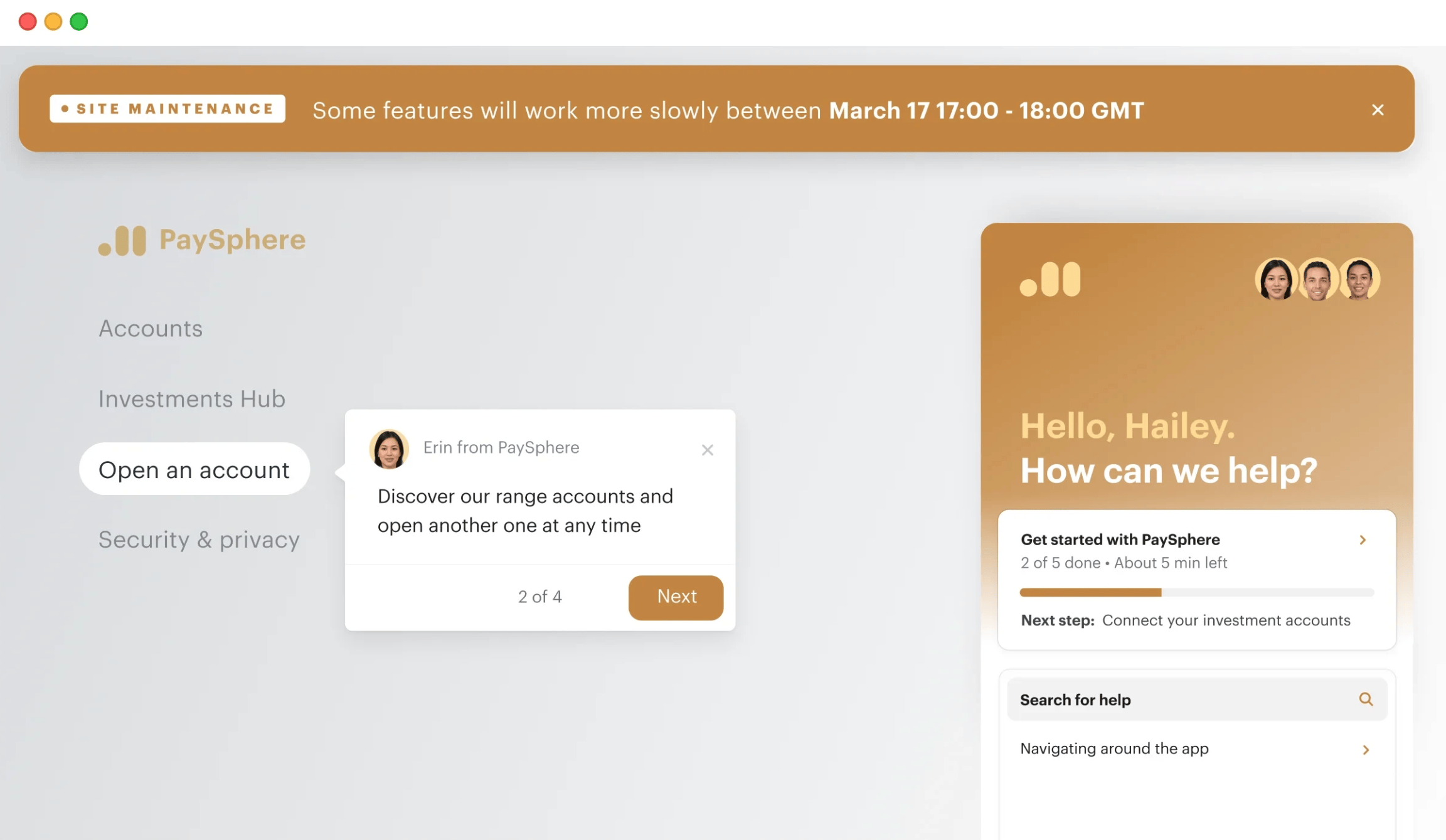
Crisp doesn't offer built-in product tours. You'd need to use a separate onboarding tool or build a custom experience using third-party software. That's fine for teams that aren't heavily focused on in-app onboarding, but it's a clear gap if that's something you care about.
If your goal is to educate users inside your product and drive adoption, Intercom gives you tools to do that without needing another platform. It has the added benefit of keeping onboarding inside the same tool your team already uses for support.
Integrations
Both Crisp and Intercom integrate with popular tools, but at very different levels.
Intercom offers over 450 integrations, covering CRMs, analytics platforms, ecommerce tools, and developer tools. Some key options include Salesforce, HubSpot, Stripe, Segment, and Jira. If you work in a larger organization with lots of existing software, Intercom’s integration library will fit better.
If you need to connect customer support with digital marketing and anticipate customer needs, Intercom is the better choice for business growth.
Crisp supports around 50 native integrations, including HubSpot, WordPress, Shopify, Slack, and Zapier. You can connect it to anything Zapier supports, which helps expand the ecosystem, but it's still a lighter setup overall.
For complex tech stacks, Intercom is a safer bet with that many integrations. For most SMBs and startups, Crisp covers the essentials.
Ease of use and setup
Crisp is very beginner-friendly. Most users report getting everything set up in under an hour, with minimal configuration required. It has a user-friendly interface, albeit a little dated, and everything you need is in one place.
Intercom looks and feels more modern, but it comes with a learning curve. There are more moving parts, more advanced settings, and more opportunities for customization, which is great if you have the time and team to manage it. If not, it can feel like you need to invest a lot of time just to provide decent customer support.
For teams without a dedicated ops or support lead, Crisp is a quicker tool to get up and running. Intercom makes sense if you’re planning for long-term complexity and building out a ticketing system you can rely on in the years to come.
Pricing
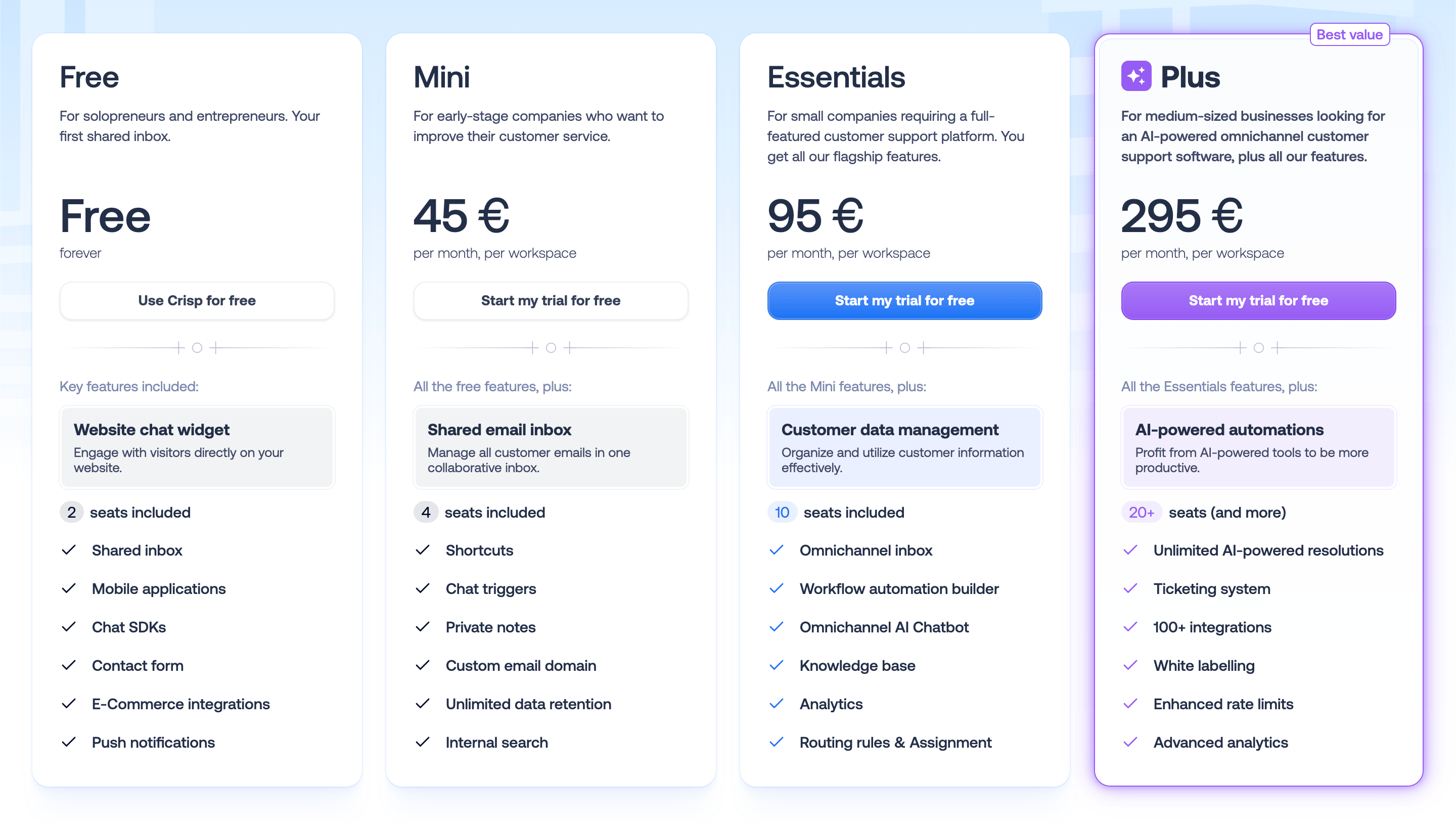
Crisp offers transparent, flat-rate pricing. As of July 2026, this is Crisp's pricing:
- Free plan for up to two seats (with a shared inbox, mobile application, chat SDKs and more)
- Mini plan: $45 per workspace/month for four seats (with shortcuts, triggers, private notes, a custom email domain, unlimited data retention and more)
- Essentials plan: $95 per workspace/month for 10 seats (with an omnichannel inbox, a workflow automation builder, knowledge base, analytics and more)
- Plus plan: $295 per workspace/month for 20 seats
All of the paid plans have a limited number of agents. For example, if you want to get more seats in the Mini plan, you can't. Instead, you have to upgrade to Essentials. The only plan where you can add more seats is the Plus one, at $10 per agent per month.
On the one hand, this is good because you can keep using a more affordable plan (e.g. Mini) as long as your team is small. However, bigger teams that want just the basic features will be forced to go with the most expensive, Plus plan.
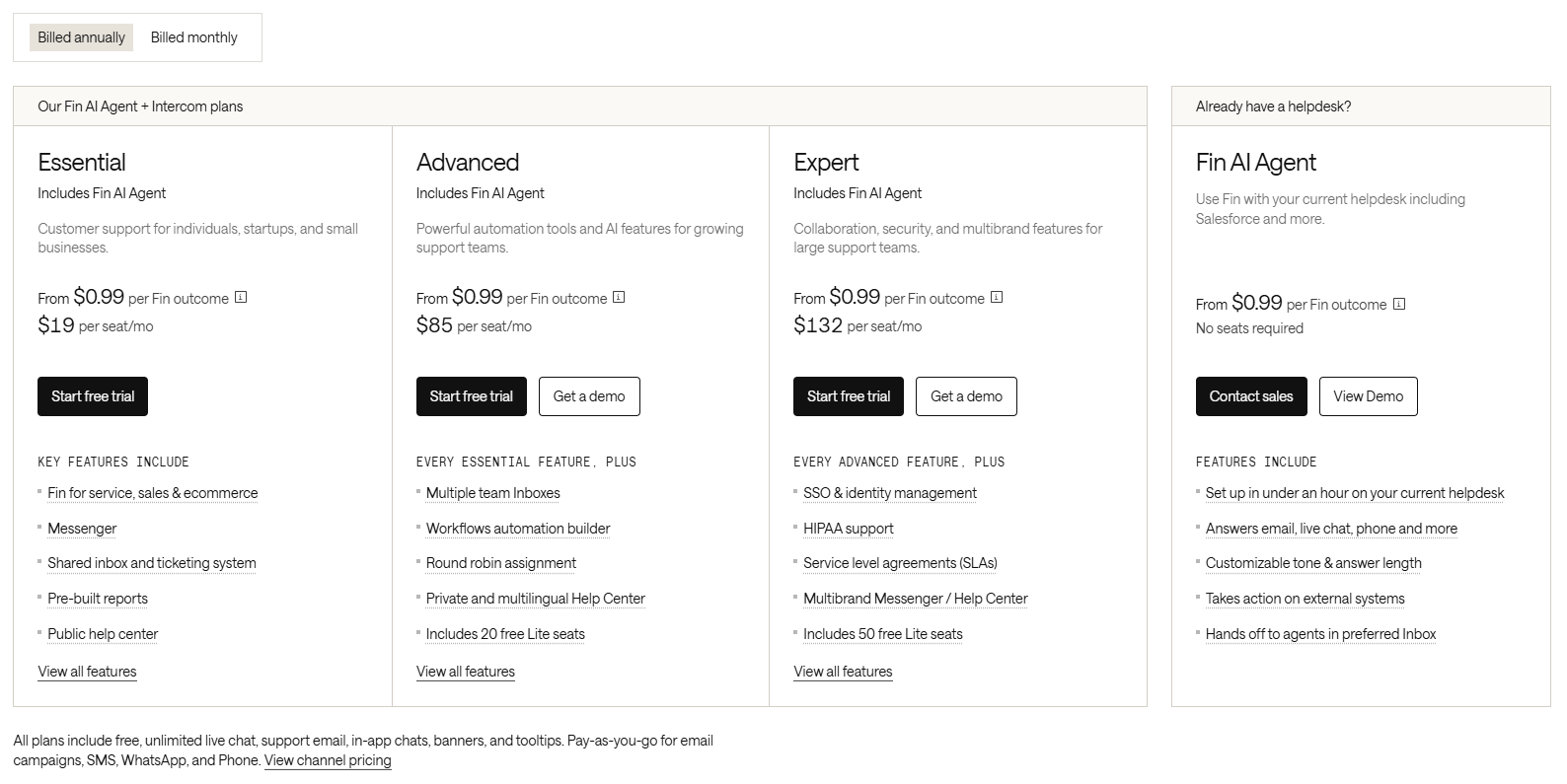
Intercom's pricing has two parts: per-seat plans for the helpdesk, and usage-based pricing for its Fin AI agent. As of October 2026, the seat plans (billed annually) are:
- Essential: $19 per seat/month ($29 billed monthly)
- Advanced: $85 per seat/month, including 20 free Lite seats
- Expert: $132 per seat/month, including 50 free Lite seats
Every plan includes Fin, and this is where costs get unpredictable. Intercom moved Fin to outcome-based pricing: you pay from $0.99 per outcome rather than per seat or a flat monthly fee. An outcome is one of the following:
- A resolution: the customer confirms Fin solved their issue, or doesn't ask for more help after Fin's last answer
- A procedure handoff: Fin completes a workflow you configured that ends in a human handoff
- A disqualification: Fin screens out a prospect who doesn't match your qualification criteria
Resolutions, configured procedure handoffs, disqualifications, and self-serve routing are $0.99 each, while sales qualifications cost $9.99. There's also a 50-outcome monthly minimum if you run Fin on top of another helpdesk. The upside is that you only pay when Fin actually delivers a result. The downside, echoed across G2 and Reddit, is that heavy AI volume can send bills climbing fast - one widely shared review described a jump from $4k to $9k a month.

Their own support
Crisp is known for fast, personal support. Most users say the Crisp support team replies quickly, even on the free plan. It offers live chat support on its own platform, and agents typically respond in under a few minutes during business hours. This responsiveness is a big reason why many small teams stick with Crisp long-term.
The documentation is clean and straightforward, covering the basics well. It may lack some depth on advanced setups, but it's more than enough for most users to get up and running, and learn how to handle various customer feedback examples.
Intercom offers more self-service resources but slower human support. It has an extensive help center, with hundreds of articles, video tutorials, and in-app guidance for most features. But when it comes to reaching a real person, response times can vary. Many users report delays of several hours, especially on lower-tier plans.
Enterprise customers on custom plans often receive better support, including account managers or dedicated success reps. But for smaller teams, the support experience can feel impersonal compared to Crisp.

If you need speed and direct help, Crisp takes the lead. If you prefer deep documentation and can wait for assistance, Intercom is more self-serve heavy.
Final verdict
Crisp is best for teams that want a multi-channel inbox, simple setup, and fair pricing. If you support users on multiple platforms and don't need advanced automation or AI, it's hard to beat.
Intercom is best for teams that need advanced automation, segmentation, and in-app user onboarding. The rebrand to Fin makes the direction clear: Intercom is going all-in on enterprise-grade AI support. If you have the volume and budget to match, it's a polished, scalable choice - and if Fin's per-outcome pricing pushes you to shop around, there are plenty of Intercom Fin alternatives worth a look.
If neither feels quite right, we've got just what you need! 👇

Get the customer support tool
Automatically resolve 70% of customer requests & cut down manual support loads
Featurebase: a better alternative to Crisp and Intercom! ✨
If Crisp is too basic and Intercom is too expensive, consider Featurebase, a modern support platform that blends the best of both worlds.
It’s loved by thousands of fast-growing teams from companies like Lovabale, Polymarket, and Instantly.
With pricing starting from just $29 per user per month (+$0.49 for every successful AI resolution), it costs a fraction of Intercom, Crisp, and most other support platforms.
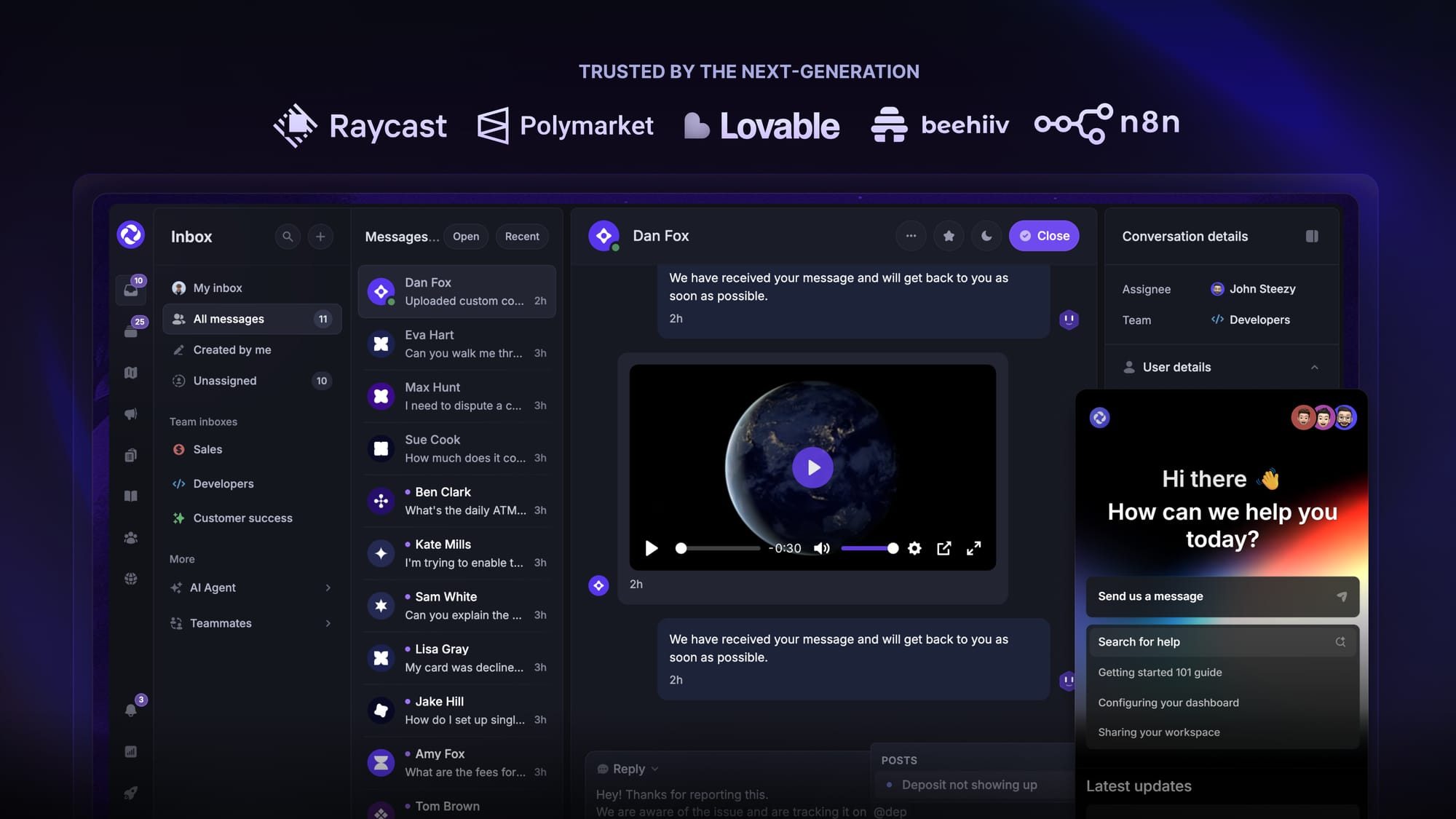
Some of the many Featurebase features include:
- Unified inbox – manage your live chat & email conversations in one place with your whole team
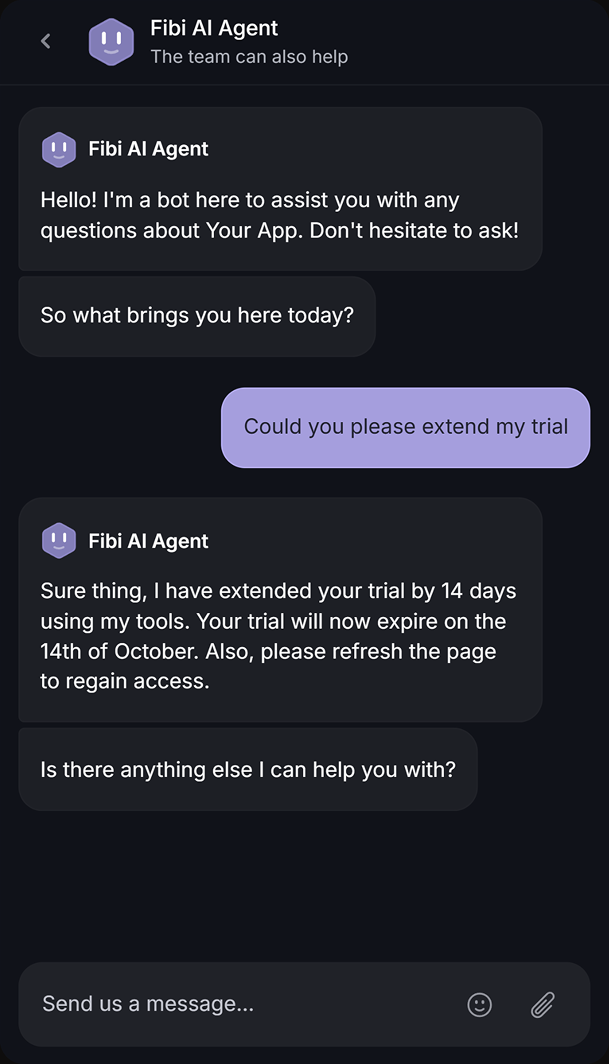
- AI agent & automations – fully automate your support with AI and endless custom workflows, like extending trials, offering discounts, qualifying leads, etc.
- Messenger widget – provide AI and human support from anywhere with a customizable in-app widget
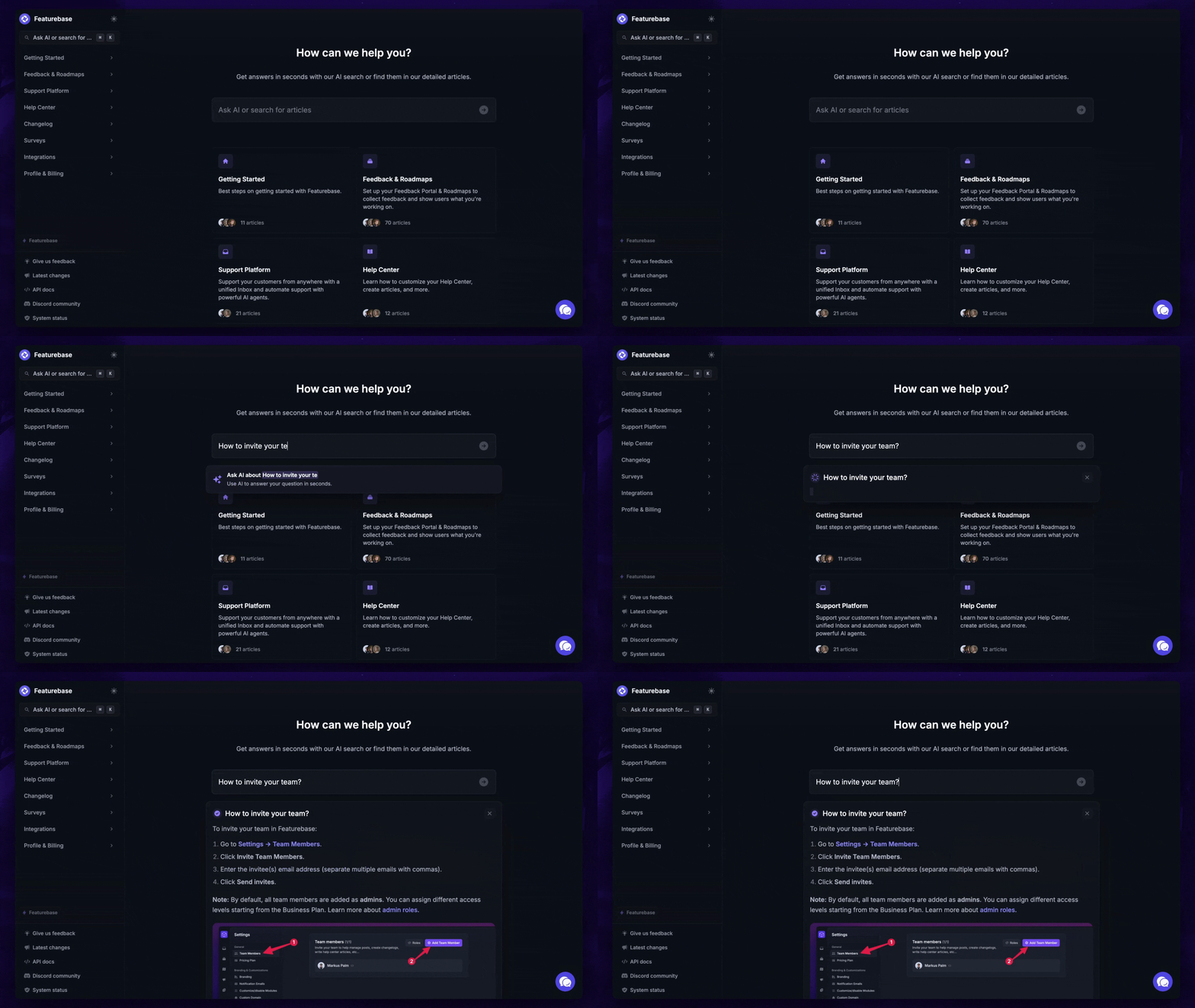
- Help Center – a branded knowledge base with instant AI answers
- Email support – Seamlessly provide support to your customers via email sync
- Native ticketing – Centralize & keep track of all customer requests in one place
- Multi-language & custom domain support – serve content in 40+ languages with your domain and branding
- Mobile app – respond to customers, receive notifications, and unblock users on the go
- Integrations – Slack, Linear, Jira, Discord, Hubspot, and many more
- Plus, feedback collection, product roadmaps, release notes, and customer surveys – all in one place
Long story short, Featurebase gives you all the powerful support capabilities of Crisp and Intercom, but without the super expensive pricing. Don't just take our word for it. You can try Featurebase completely free and see for yourself.
The onboarding is quick and doesn't require a credit card. Plus, you can automatically import your Intercom or Crisp knowledge base with one click - so there’s zero risk involved. 👇
✨ Automate your support with the fastest AI-enhanced Inbox today →
FAQs
What's the main difference between Crisp and Intercom?
Crisp is a flat-priced, multi-channel support tool built for small teams and startups, with predictable per-workspace pricing. Intercom is an AI-first platform aimed at scaling SaaS companies, with per-seat plans and a Fin AI agent that's billed per outcome. In short, Crisp optimizes for affordability and simplicity, while Intercom optimizes for automation and depth.
Is Intercom the same as Fin now?
Mostly, yes. In May 2026, Intercom renamed its parent company to Fin, after its AI agent. The Intercom name continues as the helpdesk product, while Fin is now both the AI agent and the corporate brand.
How is Intercom's Fin AI priced?
Fin uses outcome-based pricing from $0.99 per outcome, so you're charged when Fin actually resolves a conversation, completes a configured handoff, disqualifies a prospect, or routes a prospect to self-serve - not per seat. Sales qualifications cost $9.99 each, and there's a 50-outcome monthly minimum when you run Fin on another helpdesk. Intercom's helpdesk seats are billed separately, starting at $19 per seat/month billed annually ($29 monthly).
Does Crisp have an AI agent?
Yes. Crisp now includes a native Hugo AI agent that resolves up to around 60% of repetitive questions, plus AI credits bundled into each paid plan and, as of its July 2026 update, a Hugo Copilot that drafts replies and preps handovers for your human agents. It's lighter than Intercom's Fin, but Crisp is no longer a platform without native AI.
Why is Intercom so expensive?
The seat plans start at a reasonable $19 per seat/month billed annually ($29 monthly), but costs stack up through Fin's per-outcome charges, paid add-ons, and usage-based channels like SMS and WhatsApp. Teams with high AI volume often see bills climb quickly, which is a recurring complaint in user reviews. It's powerful, but budgeting for it takes care.
What's a cheaper alternative to Crisp and Intercom?
Featurebase is a modern support platform that combines an omnichannel inbox, AI agent, help center, and feedback tools in one place, starting at $29/seat/month plus $0.49 per AI resolution. It gives lean teams Intercom-style AI automation without the per-outcome bills, and lets you import your existing Crisp or Intercom knowledge base in one click.
More comparisons: