Blog ComparisonsTop 16 Canny Alternatives in 2026
Top 16 Canny Alternatives in 2026
Are you looking for a modern & affordable Canny alternative? In this post, we compare the best Canny competitors that cover their drawbacks and offer a better bang for your buck!


Looking for a reliable and customizable Canny alternative that won't break the bank? Good news!
In this post, I'll compare the top customer feedback tools that leading product teams from companies like Lovable, Uber, and n8n prefer over Canny.
We have analyzed the features, pricing, and why these alternatives might be a better fit for your needs. Let's get into it! 👇
Top Canny.io alternatives for customer feedback in 2026
| Tool | Best for | Starting cost | Pricing model | Main trade-off |
|---|---|---|---|---|
| ✨Featurebase | Feedback and support in one place | Free. Paid from $29/seat/month, billed annually | Per seat | Advanced features depend on plan |
| Productboard | Product strategy and prioritization | Free. Plus $19/maker/month, billed annually | Per maker | More workflow complexity |
| Upvoty | Small teams wanting simple voting | $15/month, billed monthly | Per plan and project allowance | Changelog starts at $25/month |
| Frill | Lightweight boards and widgets | $25/month, billed monthly | Per plan | Entry plan caps active ideas at 50 |
| Nolt | A focused feedback board | $29/month, billed annually | Per plan and board allowance | API access requires Pro |
| UserVoice | Enterprise feedback intelligence | Custom quote | Feedback volume and requirements | Sales-led purchase |
| Sleekplan | Feedback with satisfaction surveys | Free. Starter $13/month, billed annually | Per workspace plan | Roadmap and surveys require a paid plan |
| ProductPlan | Strategic roadmaps | Custom quote | Builders/editors | Broader planning workflow |
| FeatureOS | Feedback with a knowledge base | $60/month, billed monthly | Seats and boards included by tier | Extra seats and boards can add cost |
| Userback | Visual bugs and product feedback | Free. Team $29/month, billed annually | Per plan and project allowance | Feature Portal costs extra |
| Beamer | Product announcements | Free. Starter $49/month, billed annually | Plan and monthly active users | Feedback is an add-on |
| FeedBear | A simple feedback workflow | $19/month, billed monthly | Per plan | Check advanced requirements against tiers |
| Rapidr | Feedback boards with room to grow | $49/month | Per plan | Segmentation and SSO require Business |
| Feature Upvote | Voting without contributor limits | $49/board/month, billed annually | Per board | Costs grow with board count |
| Pendo | Feedback alongside product analytics | Free up to 500 MAU. Paid plans custom | Monthly active users and modules | More scope than a standalone board |
| Fider | Open-source and self-hosted feedback | Free software. Hosting costs extra | Self-hosted or managed cloud | You maintain a self-hosted installation |
But before you rush off to make your choice, let's first go over the main factors to keep in mind when choosing a Canny alternative. 🔎
What is Canny.io?
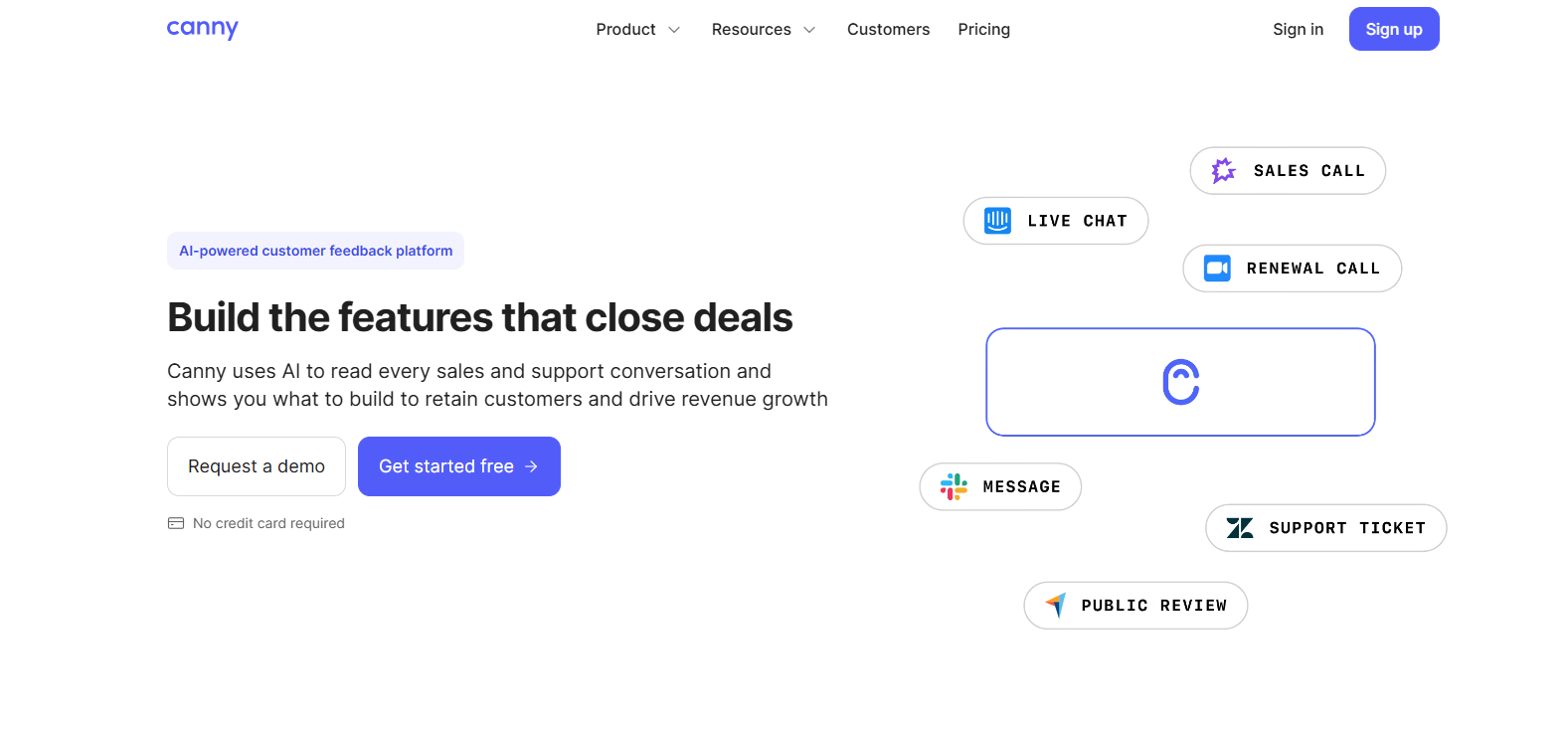
Canny is a customer feedback tool that allows companies to collect, prioritize, and analyze feedback to make better product decisions. The main features include feedback boards, product roadmaps, and changelogs.
What is Canny used for?
Canny is primarily used to collect and organize feature requests to understand user needs and prioritize roadmaps.
Its Autopilot features also help teams capture and organize feedback from conversations. This matters when customer requests arrive in support tickets or sales calls instead of through a public board.
What are the key features of Canny?
Canny offers many key features to help companies get the most out of their users' feedback. Here are the most popular ones:
- Feedback boards – Let users submit ideas and upvote others' posts
- Public roadmap – Display upcoming features and manage ideas on a roadmap view
- Changelog – Update customers about the latest features with release notes
- In-app widget – Embed a widget in your app to let users submit feedback without having to leave
- User segmentation – Group and filter users by different parameters, e.g. paying customers
- Integrations – Connect Canny with popular tools like Jira and Slack
- Autopilot – Capture feedback, identify duplicates, and assist with triage using AI
- Slack mentions – Mention @Canny in channels or threads to capture feedback with context and update ideas
Canny's August 2026 Slack update also supports linking feedback to existing ideas, changing owners and statuses, and creating users or companies. It is available on current plans.
How much does Canny cost?
As of September 2026, Canny pricing has 3 main plans:
- Free: $0 with 25 tracked users and 5 managers.
- Pro: Starts at $79/month billed annually, or $99 billed monthly, for 100 tracked users and 10 managers. Pricing increases with tracked-user volume.
- Business: Custom pricing, starting at 5,000 tracked users, with enterprise capabilities such as SSO and CRM integrations.
Autopilot is included on all current plans. A tracked user is someone associated with feedback activity, including activity recorded on their behalf by a teammate or Autopilot.
You can set a spend cap. When you reach that cap, Canny stops tracking new users. Without a cap, exceeding your allowance can trigger an upgrade to the next tier with prorated charges.
Why consider switching from Canny?
Canny can be a good fit if you want a dedicated feedback platform with AI capture and your expected tracked-user volume fits your budget. Switching makes sense when a different model solves a specific problem for your team.
1. A different billing model fits your growth
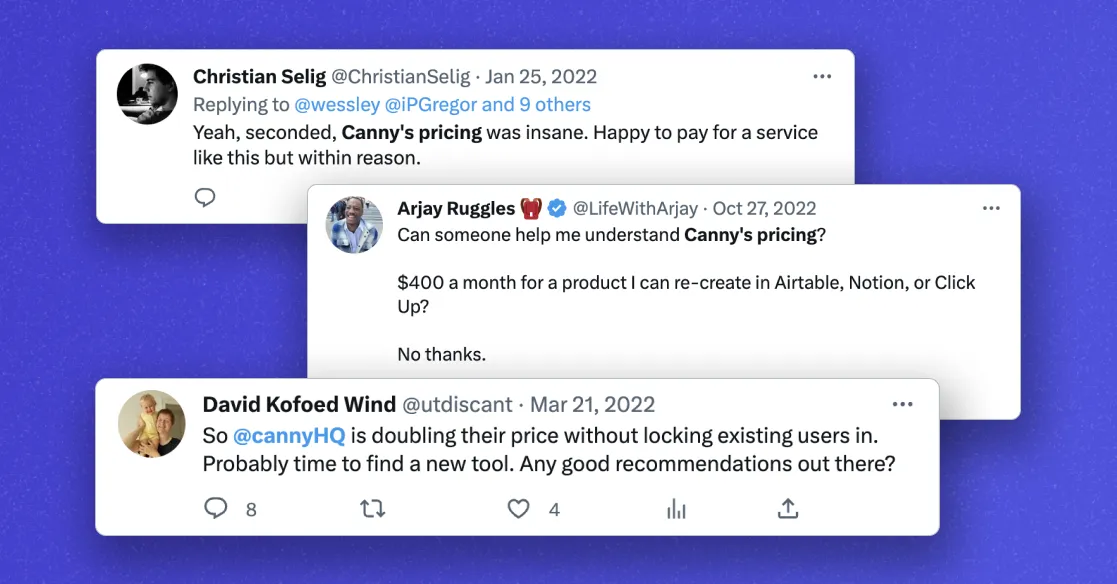
Tracked-user pricing ties cost to feedback participation. If you want more customers to submit requests and vote, forecast that growth before choosing a plan.
Seat-based pricing ties cost to your internal team instead. Per-board or plan-based tools introduce other limits, so none is automatically cheaper in every situation. Compare the same expected usage, features, and billing period.
2. You need a broader customer workflow
Some teams want feedback alongside support and a knowledge base. Others need visual bug reports, surveys, or product analytics. Those needs explain why tools such as Userback, Beamer, and Pendo appear here despite serving different primary jobs.
Start with where requests come from and how your team acts on them. A customer feedback loop should connect collection, prioritization, delivery, and follow-up, without creating extra manual handoffs.
3. You need deployment or localization options
If running the software on your own infrastructure is essential, a self-hosted option such as Fider deserves a place on your shortlist.
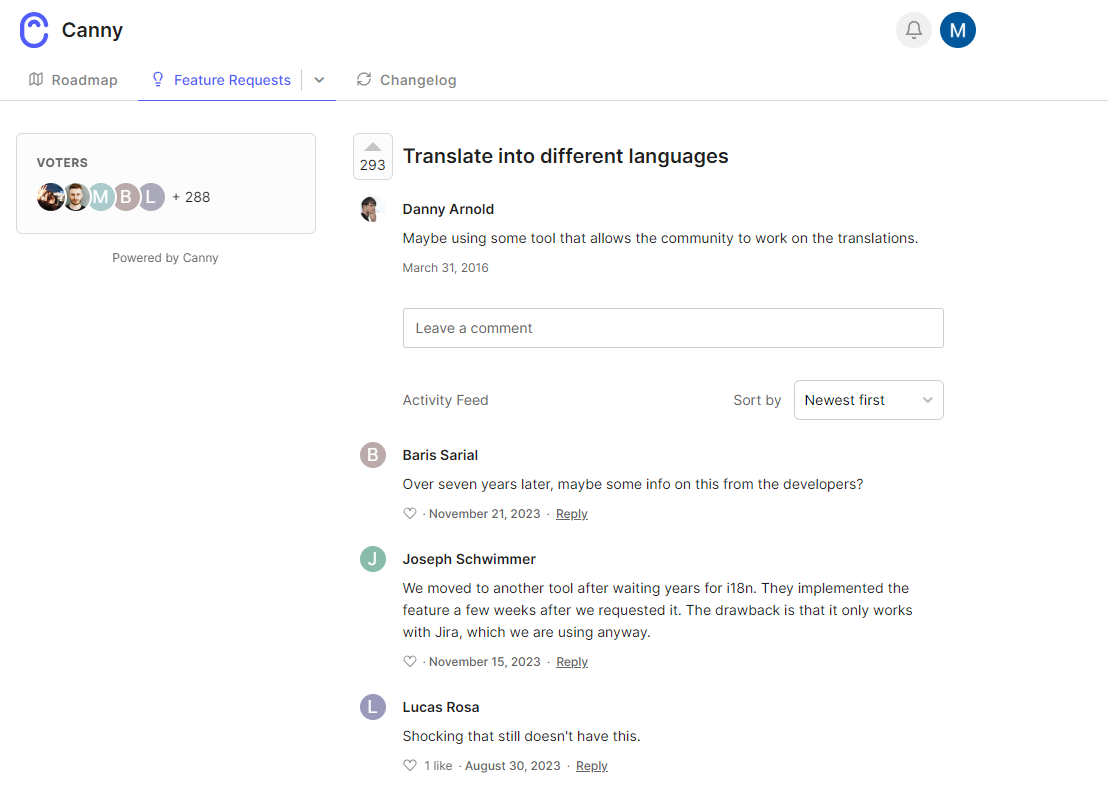
For international customers, compare both translated content and the interface they interact with. Canny now translates feedback, comments, and other content on paid plans, so an old claim that it has no localization is no longer accurate.
4. Your team needs a different planning experience
A voting board can tell you which requests attract attention. A broader planning platform can help connect those requests to strategy, dependencies, and work across several product teams.
If that's the gap you're trying to close, test Productboard or ProductPlan with a real prioritization exercise. If your main problem is simply organizing requests, a feature request management workflow in a lighter tool may be enough.
What to look for in a Canny alternative?
Start with the problem you want to solve. Collecting feature requests, analyzing support conversations, and planning a product portfolio can call for different tools.
These are the factors I'd compare:
- Pricing model: Check whether you pay for teammates, feedback participants, boards, or monthly active users. Then price the same team and expected usage across your shortlist, including required add-ons.
- Feedback capture: A voting board works well for customers who actively submit ideas. If requests arrive through support or sales, look for integrations and AI-assisted capture to help you organize customer feedback in one place.
- Prioritization: Votes show demand, but customer revenue, account context, and product strategy help you decide what to build. Check which data you can connect to each request.
- Customer experience: Test the widget, sign-in experience, custom domain, and target languages. A portal should feel like part of your product.
- Closing the loop: Make sure you can publish a roadmap, notify interested users, and announce shipped features. A changelog sold separately changes the total cost.
- Migration and support: Check what happens to comments, voters, and user records when you import. Clear documentation and a responsive support team matter when you move an established community.
What are the best Canny.io alternatives?
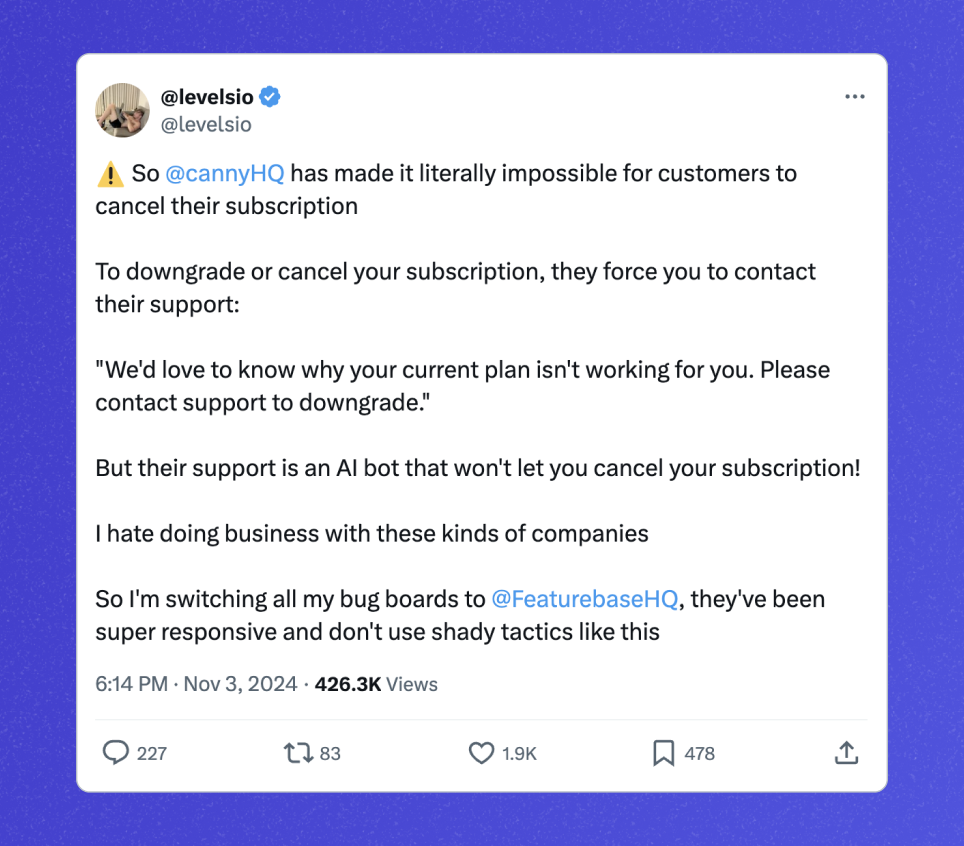
Here are the best Canny alternatives for affordable, modern feedback management, so you can make an informed decision quickly. Let's get started! 👇
1. Featurebase ✨
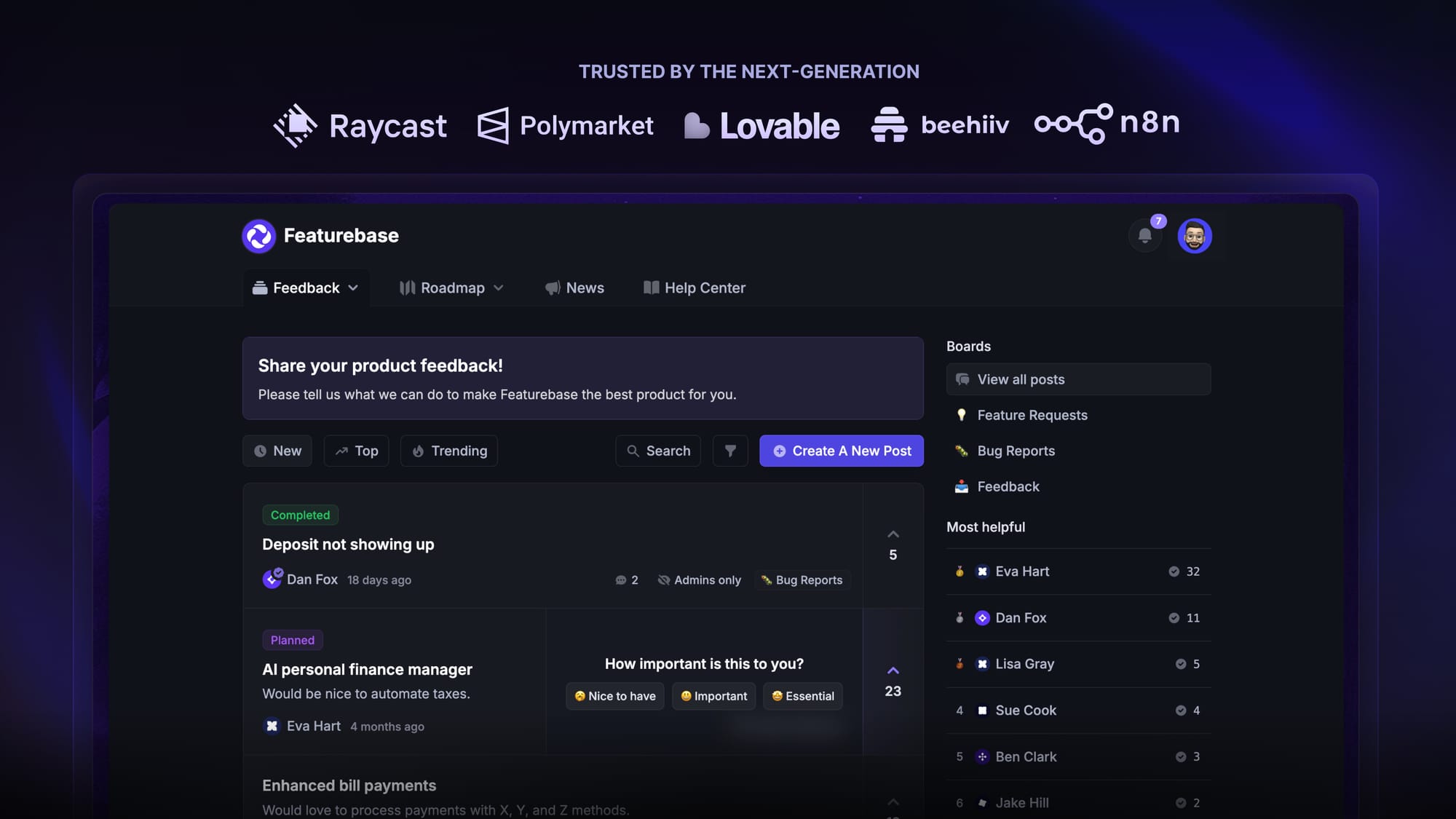
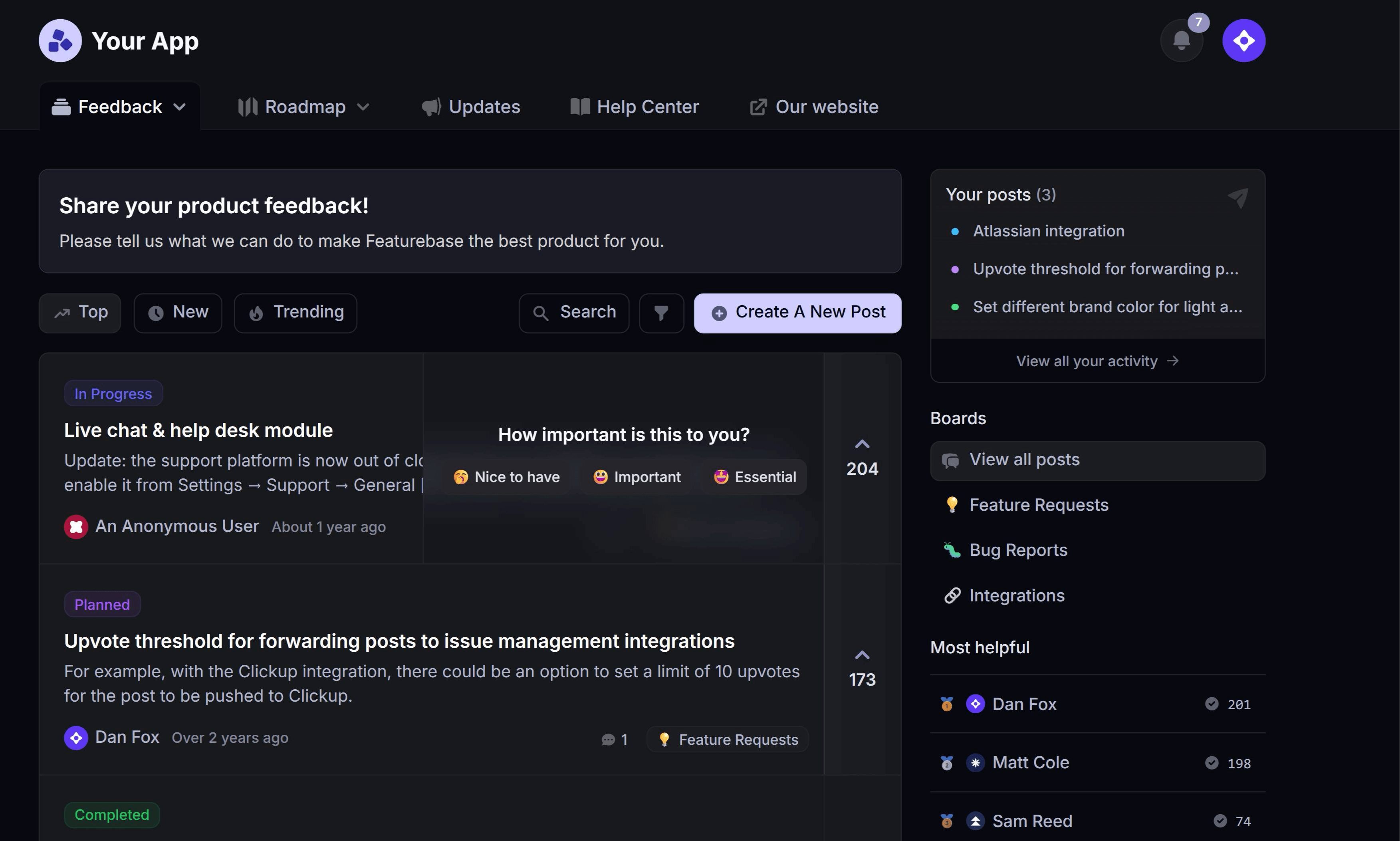
Featurebase (👋 that's us) is a modern Canny alternative that helps product teams collect feedback, prioritize features, build roadmaps, and announce product updates – all in one place. In addition to a generous free plan, Featurebase doesn't limit your end users as Canny does. It’s loved by thousands of support teams from companies like Lovable, Raycast, and n8n. 💫
Top features
- Feedback boards, roadmaps, and changelog
- In-app feedback widgets
- AI-powered feedback organization and analysis
- Vote on behalf of customers
- Private boards and user segmentation
- Auto-translations in 40+ languages
- Integrations with Jira, Linear, Zapier, Intercom, Discord, and more
Why it’s better than Canny: Featurebase offers all of Canny’s core features without usage-based pricing. You also get surveys, a built-in Help Center, changelog popups, and significantly better value as your product grows.
Pricing: Free plan available with unlimited end-users and feedback. Paid plans start at $29/seat/month, with a 10-day free trial and instant migration from Canny.
✨ Start collecting product feedback with Featurebase today for free →
2. Productboard
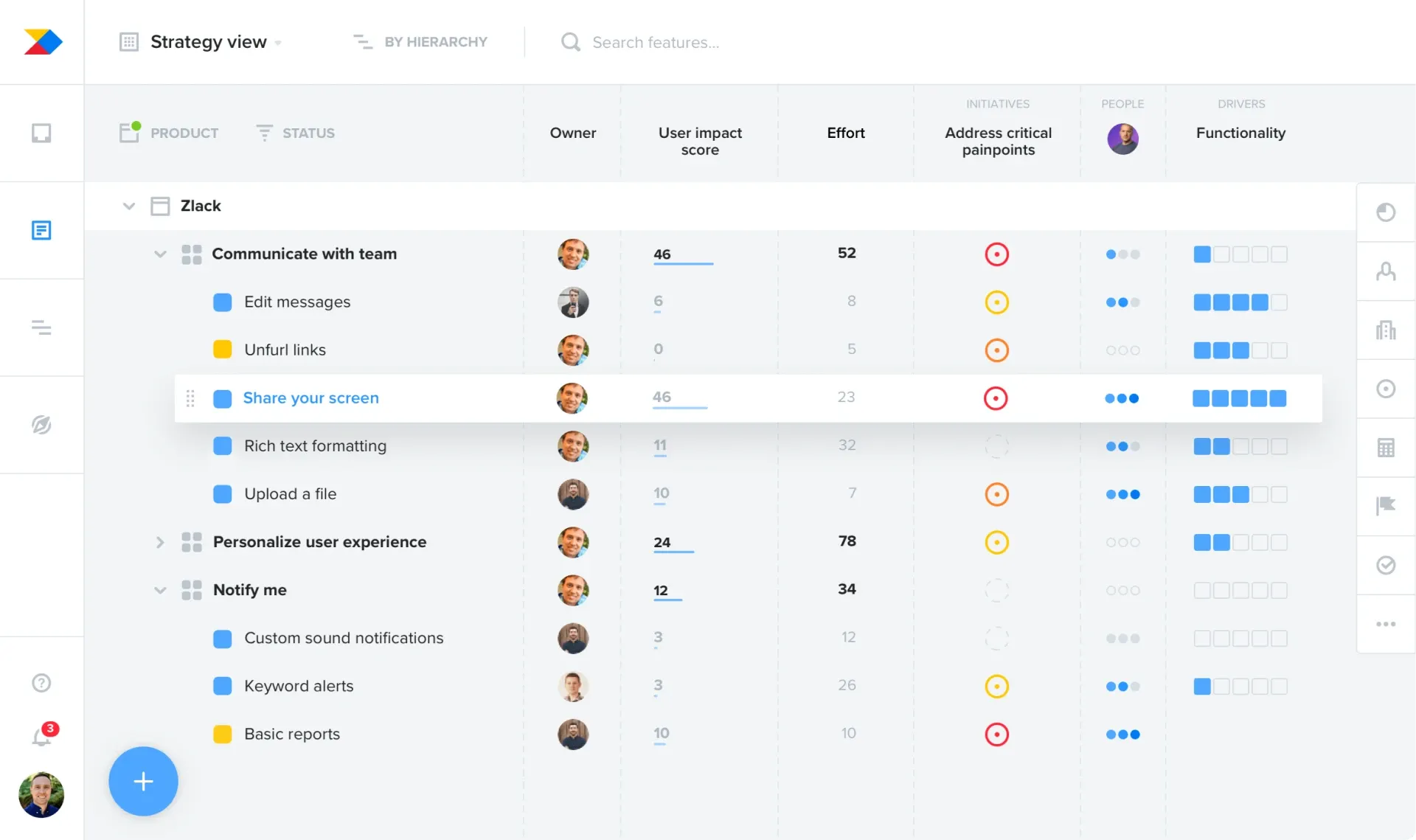
Productboard is an enterprise-focused roadmap tool and an alternative to Canny. It's centered around task management and roadmaps rather than collecting feature requests.
Top features
- Advanced roadmapping and prioritization frameworks
- Multiple task management views
- Strong Jira integration
- Support for multiple languages
Why it’s better than Canny: Productboard is stronger for internal product planning and prioritization, especially for large teams with complex workflows.
Pricing: Productboard pricing comes with a free plan. Paid plans range from $25 to $75 per maker per month, depending on team size.
3. Upvoty
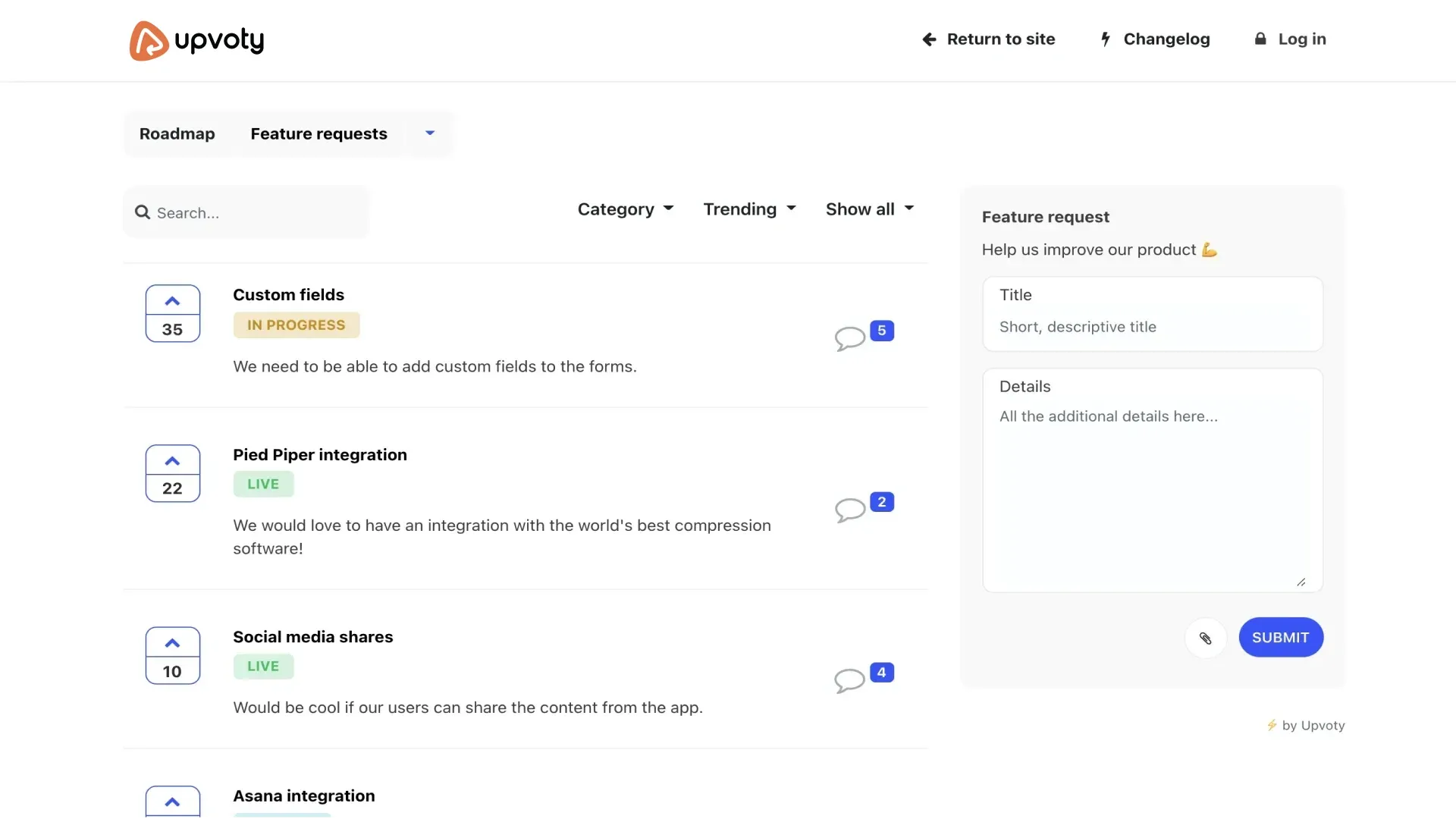
Upvoty is a Canny alternative best suited for small teams looking to collect customer feedback. It comes with feedback voting boards, roadmaps, and changelogs. It supports more languages but lacks many essential features and has an outdated user interface.
Top features
- Feedback boards with voting
- Roadmaps and changelog
- Anonymous posting, voting, and commenting
- More language support than Canny
Why it’s better than Canny: Upvoty is better if you care a lot about anonymous feedback and multi-language portals, and you want something simpler than a full enterprise suite.
Pricing: Starts at $15 per month but has strict limits. Plans jump quickly if you need more boards or more tracked users, with an “Unlimited” plan around $49 per month.
4. Frill
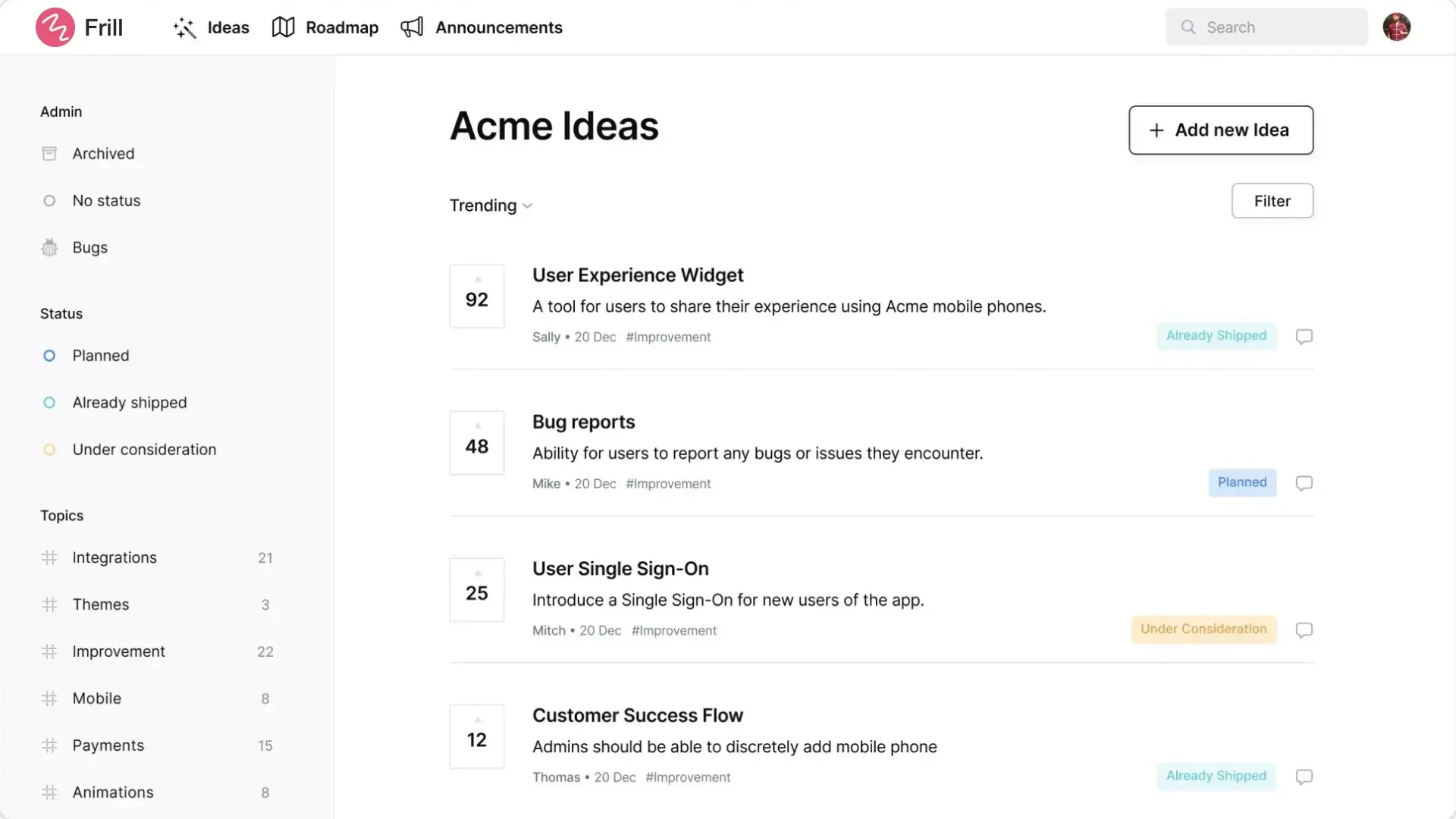
Frill is a straightforward Canny alternative for those willing to sacrifice some features for simplicity. Its pricing and dashboard make it better suited for smaller SaaS companies that don't get tons of feature requests.
Top features
- Feedback boards with voting
- Roadmaps and changelog
- Automatic changelog popups
- Anonymous posting, voting, and commenting
- Translations into any language
Why it’s better than Canny: Frill is easier and more lightweight. If Canny feels like overkill and the pricing feels too steep, Frill keeps things simple without losing the core loop.
Pricing: Starts at $25 per month with limits. The $49 plan removes the idea cap, and higher tiers add privacy features and white labeling.
5. Nolt.io
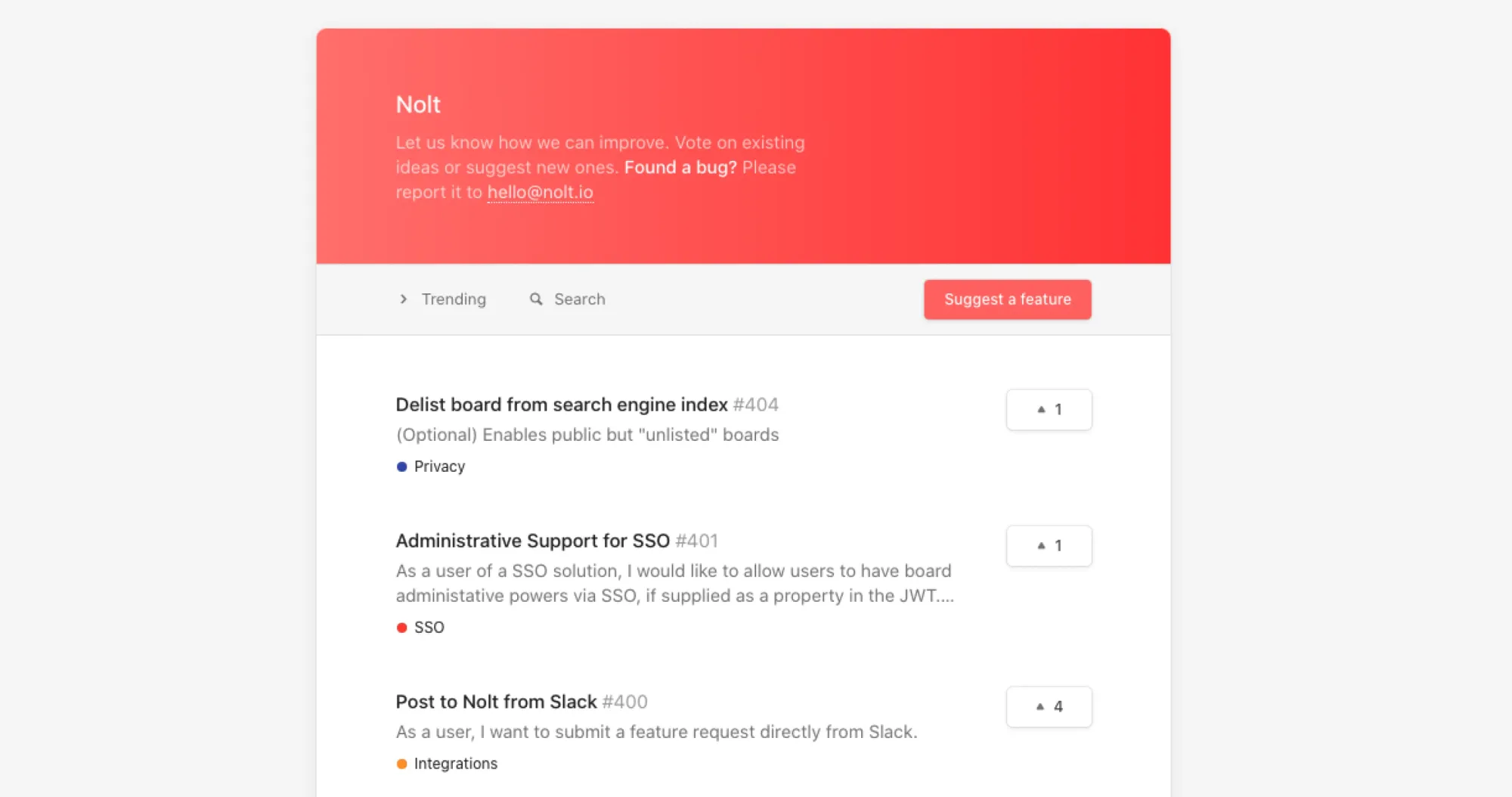
Nolt is a lightweight Canny alternative mainly for collecting feedback. It's best suited for very small SaaS companies looking for basic functions and simplicity. However, it can get quite pricey for what it offers.
Top features
- Simple feedback boards with upvoting
- Anonymous posting, commenting, and voting
- Roadmap support
- SSO on higher plans
Why it’s better than Canny: Nolt is much simpler and easier to set up. If Canny feels too complex or too expensive for a small project, Nolt can be a quick and lightweight alternative.
Pricing: Starts at $29 per month for a single board. The Pro plan costs $69 per month and adds more boards and API access, but the value drops quickly compared to other tools.
6. UserVoice
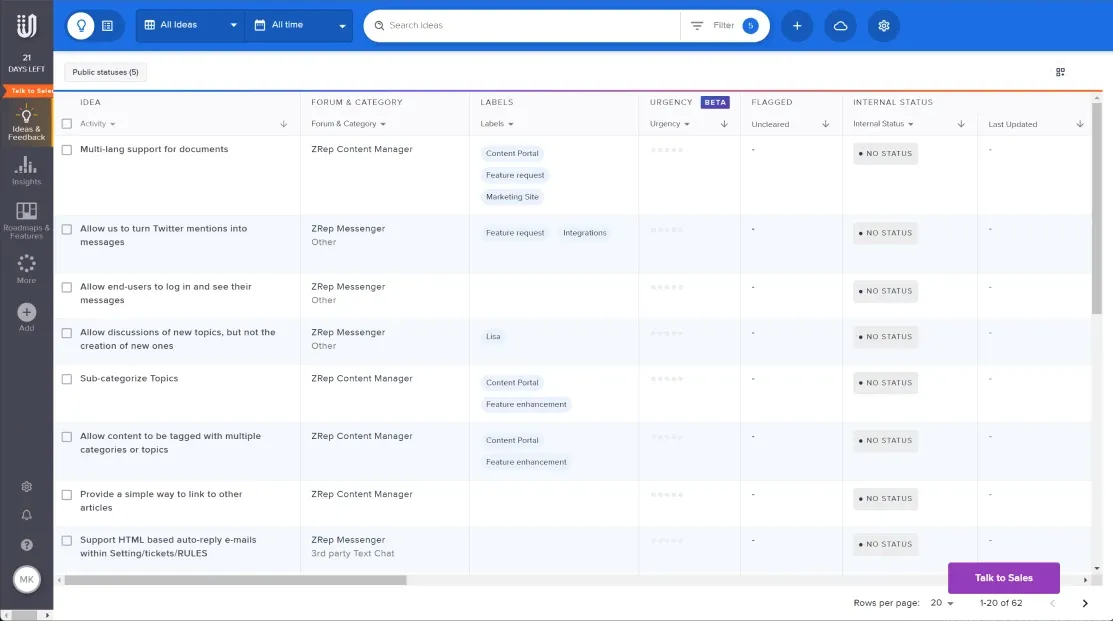
UserVoice is another enterprise-grade feedback suite. It's a complex, all-in-one solution that requires time to master and is meant for larger teams that need custom workflows. It's one of the most expensive solutions, with plans starting at $699/month.
Top features
- Advanced internal feedback workflows
- Satisfaction surveys and feedback analytics
- Many integrations and translation options
- Enterprise-grade permissions and controls
Why it’s better than Canny: UserVoice offers deeper internal workflows and more customization for large organizations that need complex feedback processes.
Pricing: UserVoice pricing starts at $999 per month, but collecting user-submitted feedback requires plans starting at $1,299 per month. All plans are sales-led.
Read our full comparison on UserVoice vs Canny →
7. Sleekplan
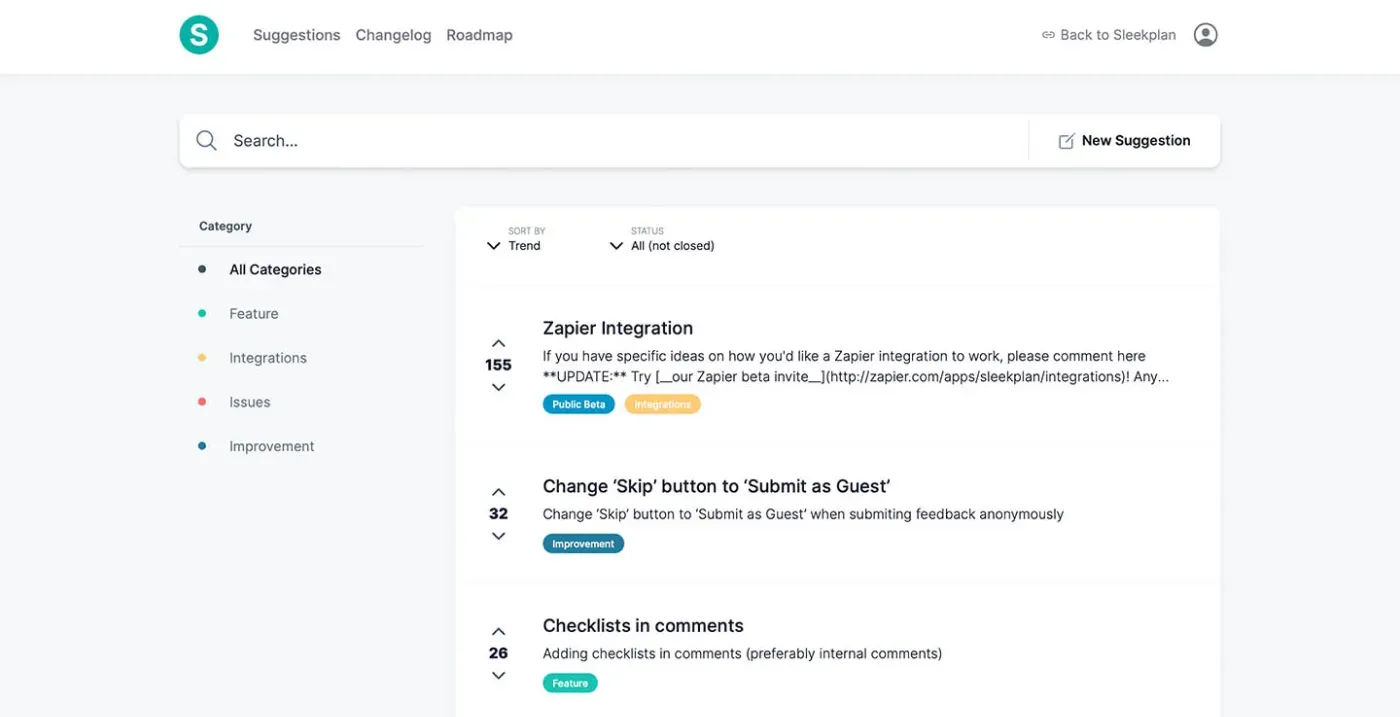
Sleekplan is one of the most affordable feedback tools available. It covers feedback boards, roadmaps, changelogs, and surveys, making it a decent option for indie projects and small SaaS teams.
Top features
- Feedback boards with voting
- Roadmaps and changelog
- Anonymous posting, commenting, and voting
- CSAT and NPS surveys
- Prioritization frameworks
- Support for 10+ languages
Why it’s better than Canny: Sleekplan is dramatically cheaper and includes surveys out of the box, which Canny doesn’t offer.
Pricing: Has a free tier. Most key features are unlocked on the $38 per month plan, which is also the highest tier.
8. ProductPlan
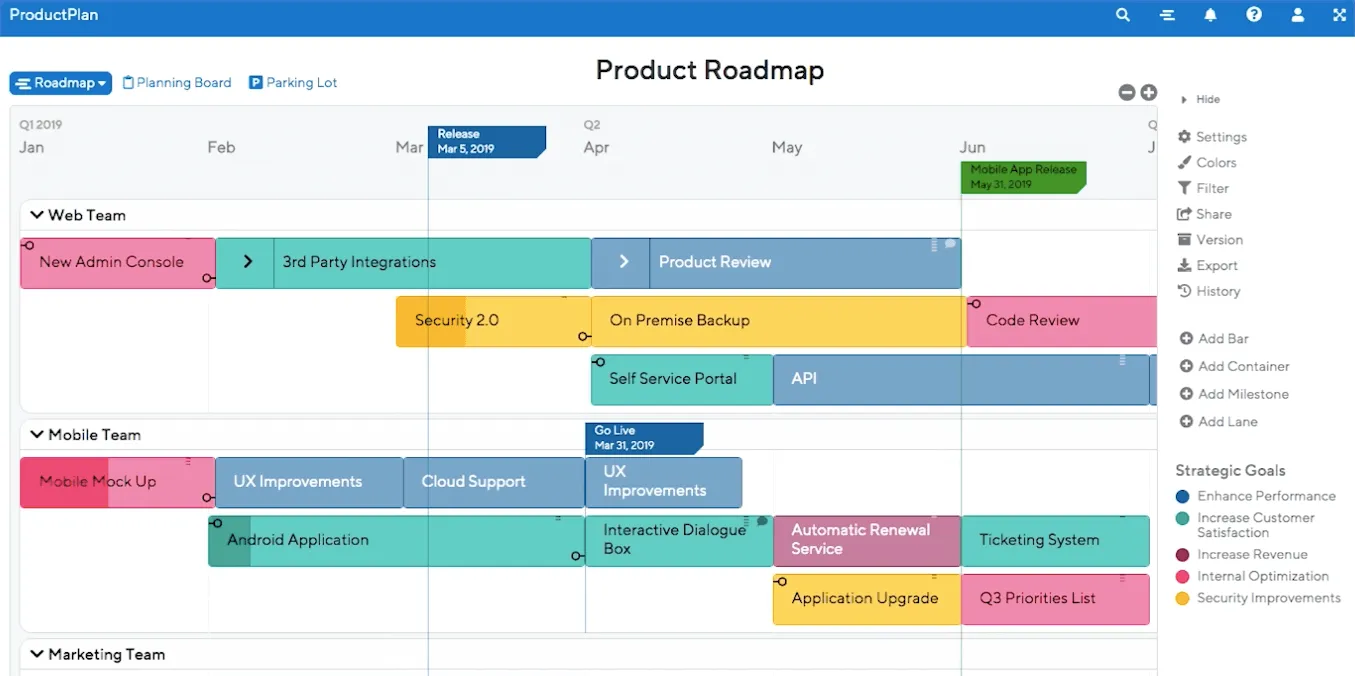
ProductPlan is a roadmapping and issue management tool for enterprise companies. The highest plan includes a basic feedback form, but it will cost you A LOT, and it doesn't have feedback boards and upvoting functions.
Top features
- Advanced roadmapping views
- Prioritization frameworks for PMs
- Enterprise-grade integrations
- Multi-language support
Why it’s better than Canny: ProductPlan is better for teams that care more about internal planning and roadmaps than collecting and managing customer feedback.
Pricing: ProductPlan's pricing is not publicly listed. Estimates suggest plans start around $59 per editor per month, billed annually, and require contacting sales.
Read our full comparison on ProductPlan vs Canny →
9. FeatureOS
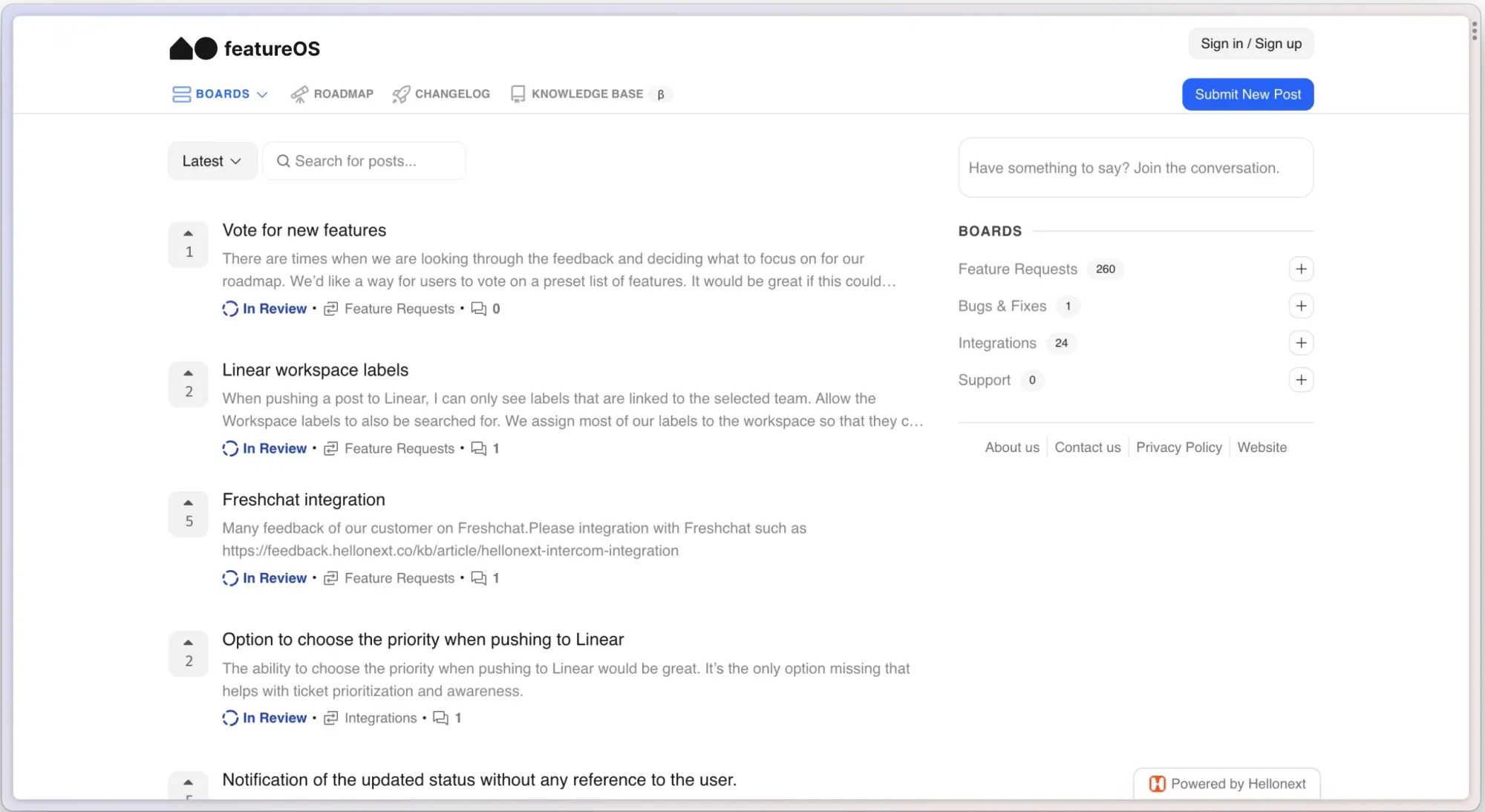
FeatureOS is another customer feedback management tool for SaaS companies and includes everything from roadmaps to changelogs. However, it might get a bit pricey.
Top features
- Feedback boards and voting
- Roadmaps and changelog
- More customization options than basic tools
- Built-in knowledge base
Why it’s better than Canny: FeatureOS offers more customization options and includes a knowledge base, which Canny doesn’t provide.
Pricing: Plans range from $60 to $250 per month with a 14-day free trial. Pricing changes fairly often, and the free plan has been removed in the past without notice.
10. UserBack
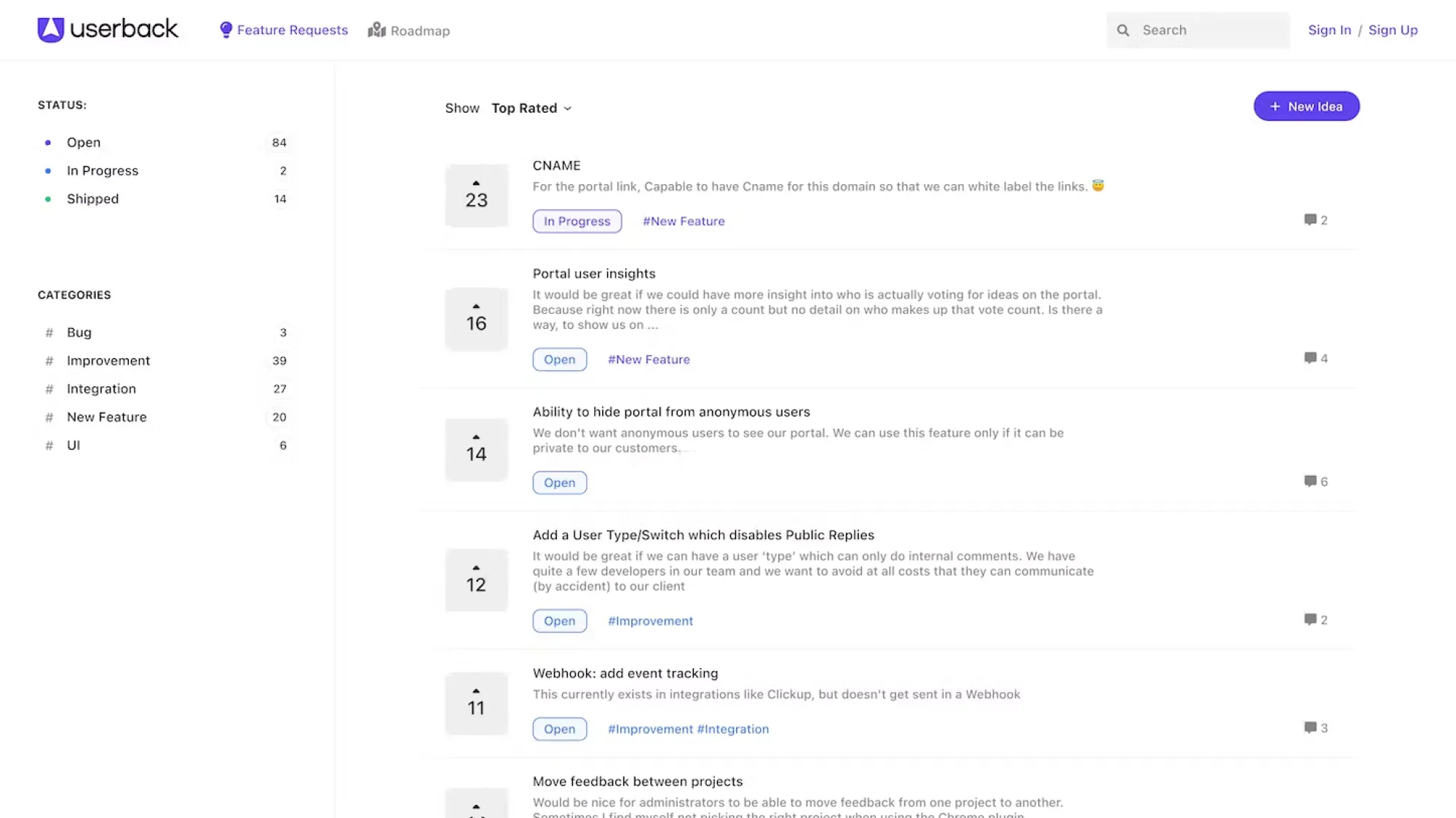
Userback fits folks with many products or companies they want to manage in a single tool. In addition to regular posts, it also supports session replays and video feedback.
Top features
- Feedback boards
- Session replays and video feedback
- Browser extension for internal feedback
- Supports multiple products in one account
Why it’s better than Canny: UserBack is better suited for teams that want visual feedback and session context instead of just written feature requests.
Pricing: Starts at $7/seat/mo and goes up to $23/seat/mo depending on team size and number of projects.
11. Beamer
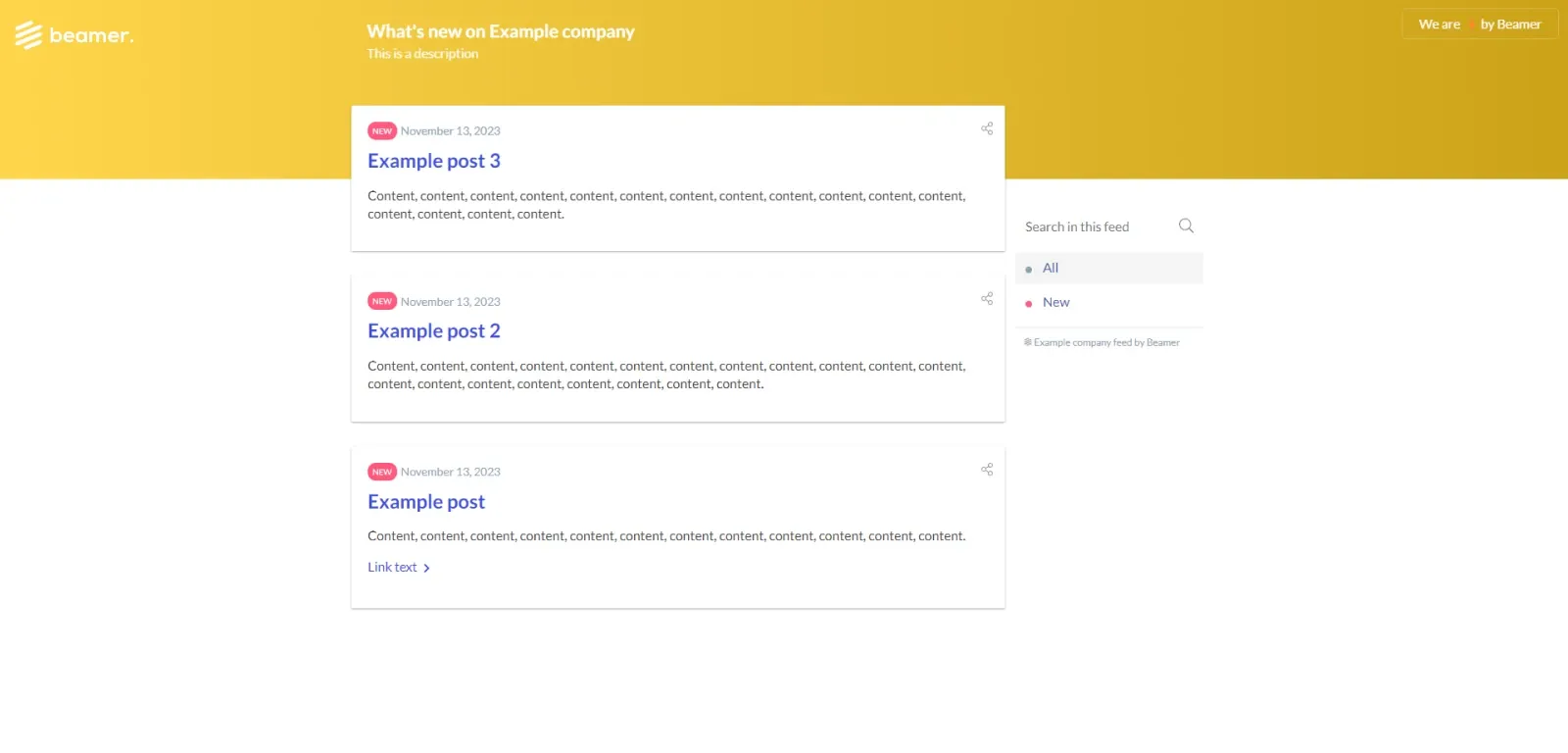
Beamer is a popular changelog tool that also offers some feedback collection features. If you mainly want to publish product updates, Beamer is a great Canny alternative.
Top features
- Changelog popups and in-app announcements
- Automated email notifications
- Push notifications
- Emoji reactions on releases
- User segmentation for announcements
- Multi-language support
Why it’s better than Canny: Beamer is stronger at release communication, especially with popups and notifications that Canny lacks.
Pricing: Free plan available with limitations. Paid plans start at $49 per month, with advanced features requiring higher tiers up to $249 per month.
12. Feedbear
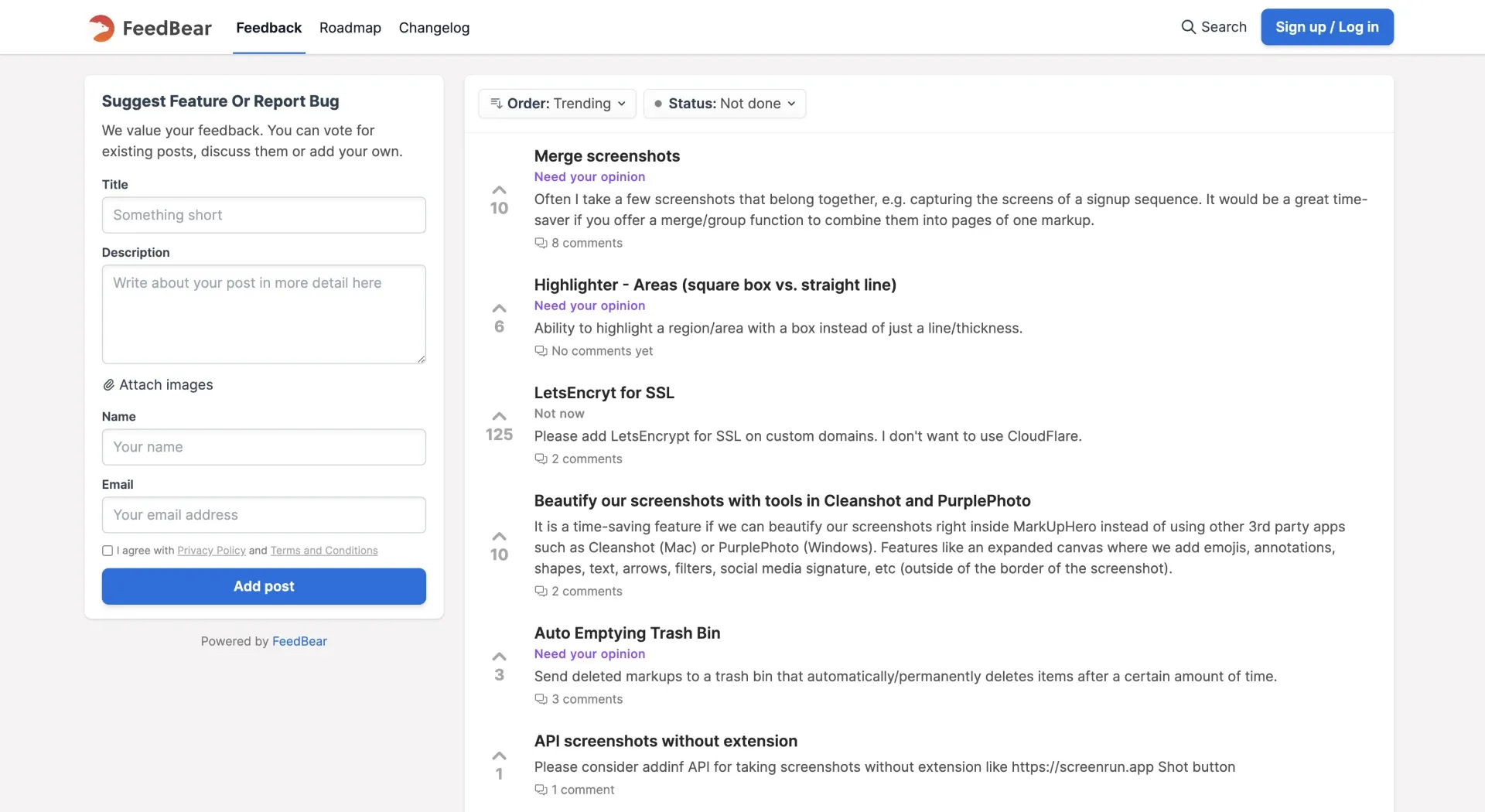
Feedbear is one of the most primitive Canny.io alternatives for tracking feature requests. It has all the basic features to get you started but falls short of competitors by missing more advanced features like user segmenting.
Top features
- Feedback boards with voting
- Roadmaps and changelog
- Anonymous posting, commenting, and voting
- Custom domain support
Why it’s better than Canny: Feedbear is simpler and cheaper, making it easier to get started without dealing with enterprise-style pricing.
Pricing: Starts at $19 per month and quickly scales to $299/mo for the most useful features.
13. Rapidr
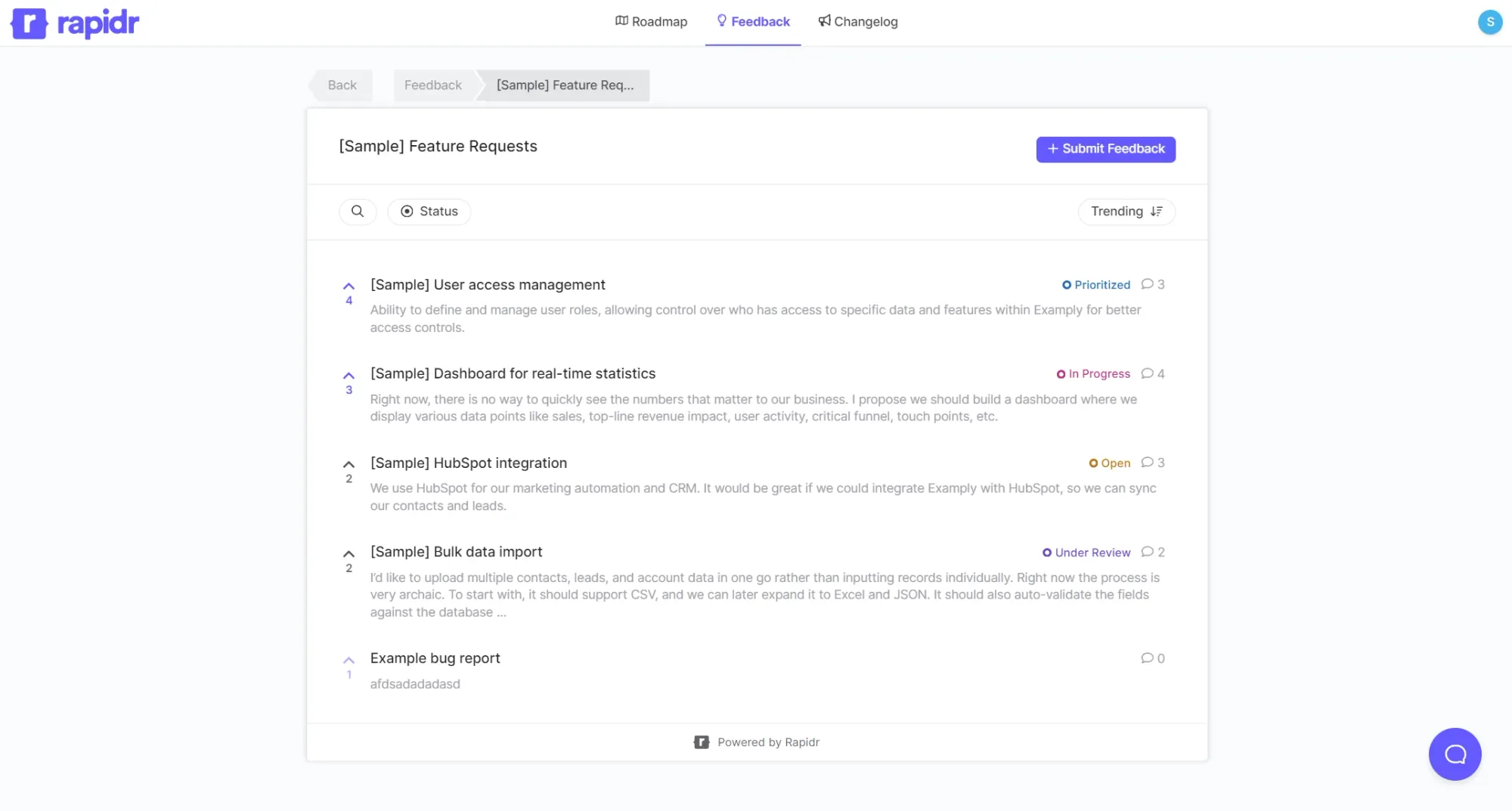
Rapidr is another good Canny alternative with a pretty intuitive design. It's aimed at larger companies, helping them collect and manage feedback to make better product decisions. The pricing only makes sense for very large teams, so keep in mind if you're a smaller startup.
Top features
- Feedback boards and voting
- Roadmaps and changelog
- Changelog emails and reactions
- White labeling on higher plans
Why it’s better than Canny: Rapidr is generally more affordable than Canny at higher tiers while still covering the core feedback loop.
Pricing: Plans start at $49 per month. The $199 per month Business plan adds segmentation and SSO, while Enterprise pricing is custom.
14. Feature Upvote
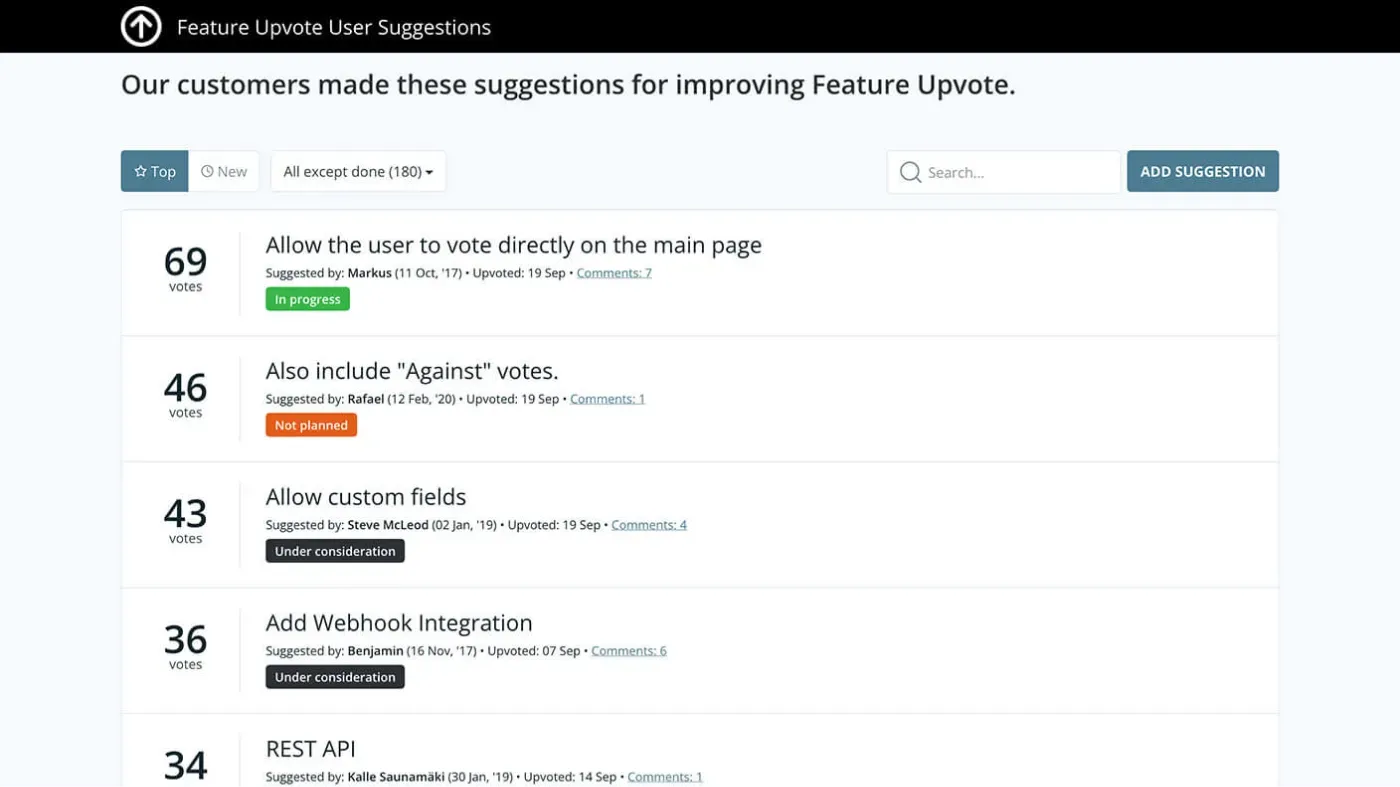
Feature Upvote is a simple feedback management tool that offers a feedback board with an upvoting function. However, it can be pretty expensive, especially considering its limited features and aged UI.
Top features
- Feedback board with upvoting
- Custom statuses
- Slack integration
- Multi-language support
Why it’s better than Canny: Feature Upvote is simpler and can be cheaper if you only need a single board with basic voting.
Pricing: Starts at $57 per board per month. Higher tiers cost $115 per month and add SSO and Jira integration.
15. Pendo
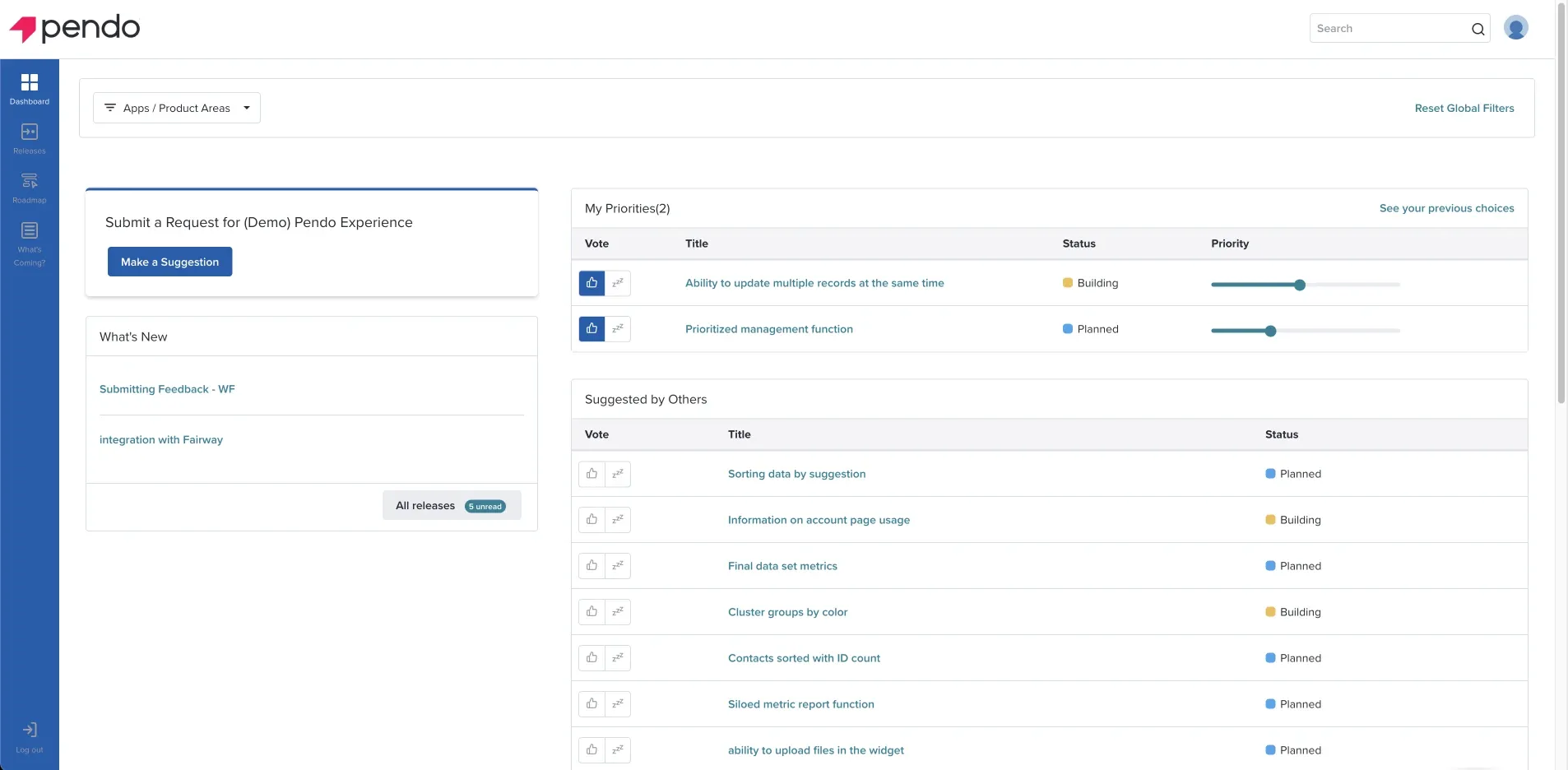
Pendo is enterprise-focused software that offers a full suite of tools to improve user experience and gain insights. In addition to a feedback board and roadmaps, it helps manage user onboarding and includes product analytics tools.
Top features
- Feedback boards and roadmaps
- NPS surveys
- Product analytics and usage tracking
- In-app onboarding flows
- Session replays
- Multi-language support
Why it’s better than Canny: Pendo goes far beyond feedback by combining analytics, onboarding, and surveys in a single platform.
Pricing: Pendo's pricing comes with a limited free plan. Paid pricing is not public and requires contacting sales.
16. Fider
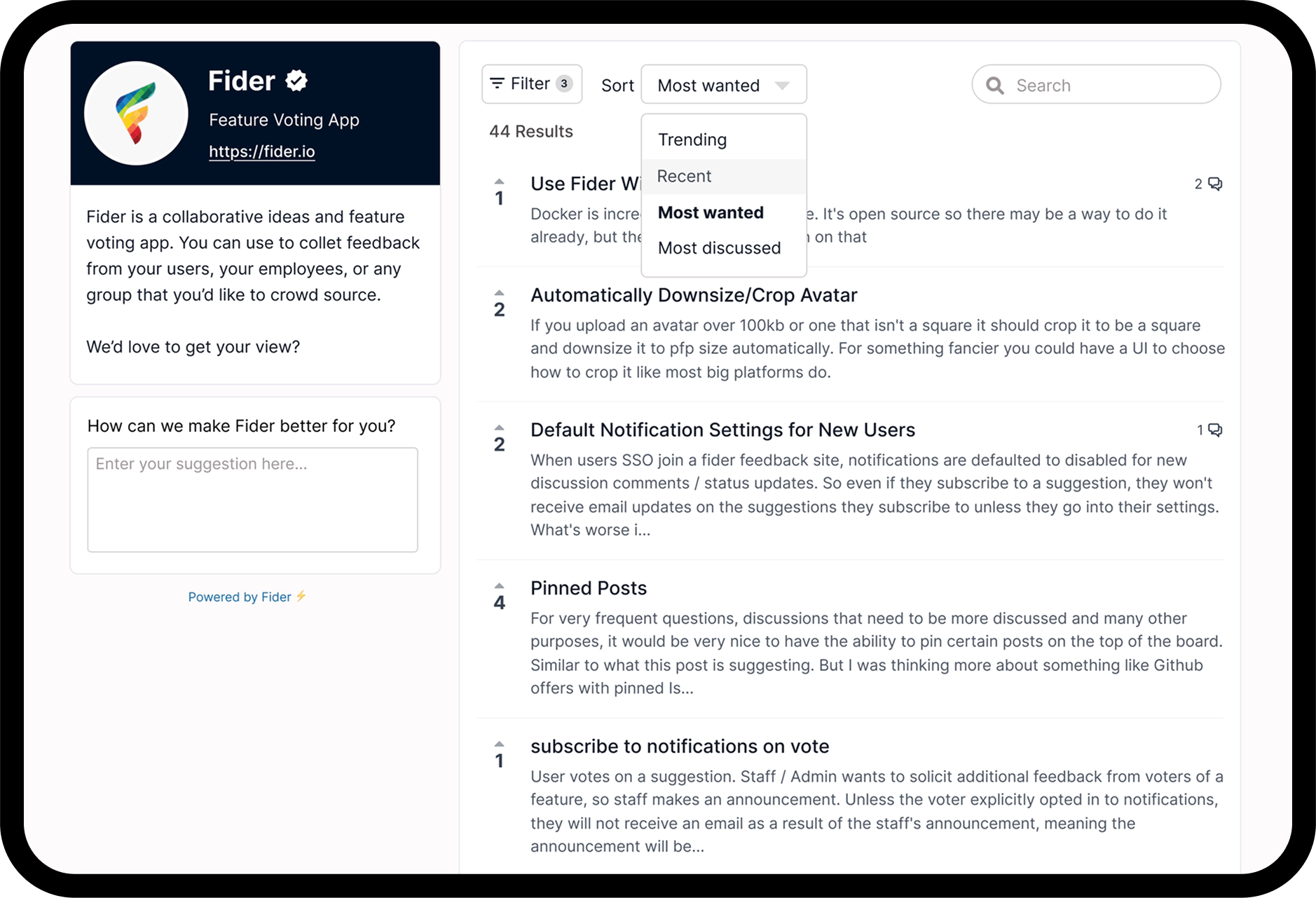
Fider is an open-source feedback tool for collecting ideas, votes, and discussion. You can run it on your own infrastructure or use its managed cloud service.
Top features
- Feature requests with voting and comments
- Tags and statuses for organizing ideas
- Multiple languages
- API and integration options
- Self-hosted deployment
Why consider it: Fider addresses a gap that most hosted Canny alternatives don't: control over where you run the software. The trade-off is operational work, including updates, backups, and email delivery, if you choose to host it yourself.
Pricing: Free software. Hosting costs extra. Fider also offers a free managed cloud plan with a fair-use allowance of 250 feedback items. Treat it as a focused feedback board and test any broader roadmap or release-communication requirements separately.
How to migrate from Canny
Before moving, make a list of what must survive the migration. Posts alone aren't the whole feedback history: comments, voters, statuses, and customer context can matter just as much.
- Inventory your data: List your boards, statuses, tags, users, votes, comments, and changelog entries. Identify private content and check which fields your destination supports.
- Choose the migration method: Export the relevant Canny data and confirm what the new tool can import. A CSV import and an assisted API migration may preserve different information.
- Map and test: Import a sample first. Compare post counts, statuses, vote totals, and user associations before transferring the full dataset.
- Reconnect the workflow: Check widgets, integrations, sign-in, domains, and notification behavior. Avoid sending duplicate updates while both tools are active.
- Switch over and communicate: Verify the new portal, keep an export for reference, and tell customers where to submit requests. Review access to the old workspace after the move is complete.
Featurebase supports CSV imports from Canny and assisted API migration on paid plans. Assisted migration can include posts, comments, voters, user data, and changelogs. Confirm the scope with the team before switching rather than assuming every export contains all of that history.
Conclusion
The best Canny alternative depends on what you need to improve. Compare the full cost of your feedback workflow, then test the shortlist with real requests, customer data, and your team's integrations.
Featurebase is a modern & powerful feedback tool. It helps you collect feedback with a feature voting forum, surveys, embeddable widgets, and integrations. You can then analyze all of that feedback in one place by connecting it to your customers' revenue and data to make better product decisions.
It comes with a Free plan allowing unlimited feedback collection, so there's no downside to trying it. 👇
✨ Start collecting product feedback with Featurebase today for free →
More reading:
- Canny pricing review
- Canny vs Featurebase
- Canny vs UserVoice
- Canny vs Aha!
- Canny vs Productboard
- Canny vs ProductPlan
FAQs
Is Canny's free plan enough for a small team?
It can be enough for a pilot with limited feedback participation. The key constraint is the number of tracked users, so a small internal team with a large customer community can outgrow it quickly. Estimate how many customers will contribute, not just how many teammates will manage the board.
Does Canny charge for every user of my app?
No. An app account doesn't automatically count as a tracked user simply because it exists. Feedback recorded on a customer's behalf can count, however, so participation isn't limited to people who personally visit your board.
Can I use an open-source Canny alternative without managing servers?
Yes. Fider offers a managed cloud service alongside its self-hosted software. Choosing managed hosting lets the vendor handle infrastructure, while self-hosting gives you responsibility for maintenance and backups.
Will a free feedback tool include a changelog and roadmap?
Not necessarily. Some free plans focus on collecting ideas and reserve roadmaps, surveys, or integrations for paid tiers. List the steps you need from submission through release announcements, then check whether the free plan covers each one.
Is a bug-reporting tool a complete Canny replacement?
Only if it also covers the public feedback workflow you need. Screenshots, recordings, and technical context help diagnose bugs, but customers may still need a place to browse requests, vote, and follow progress. For example, Userback sells its Feature Portal separately from its core plans.
Does multilingual content mean the whole portal is localized?
No. Translating customer posts and comments is different from translating buttons, menus, and navigation. Canny's content translations are available on paid plans, while its own interface remains English, so test the complete experience in your customers' languages.